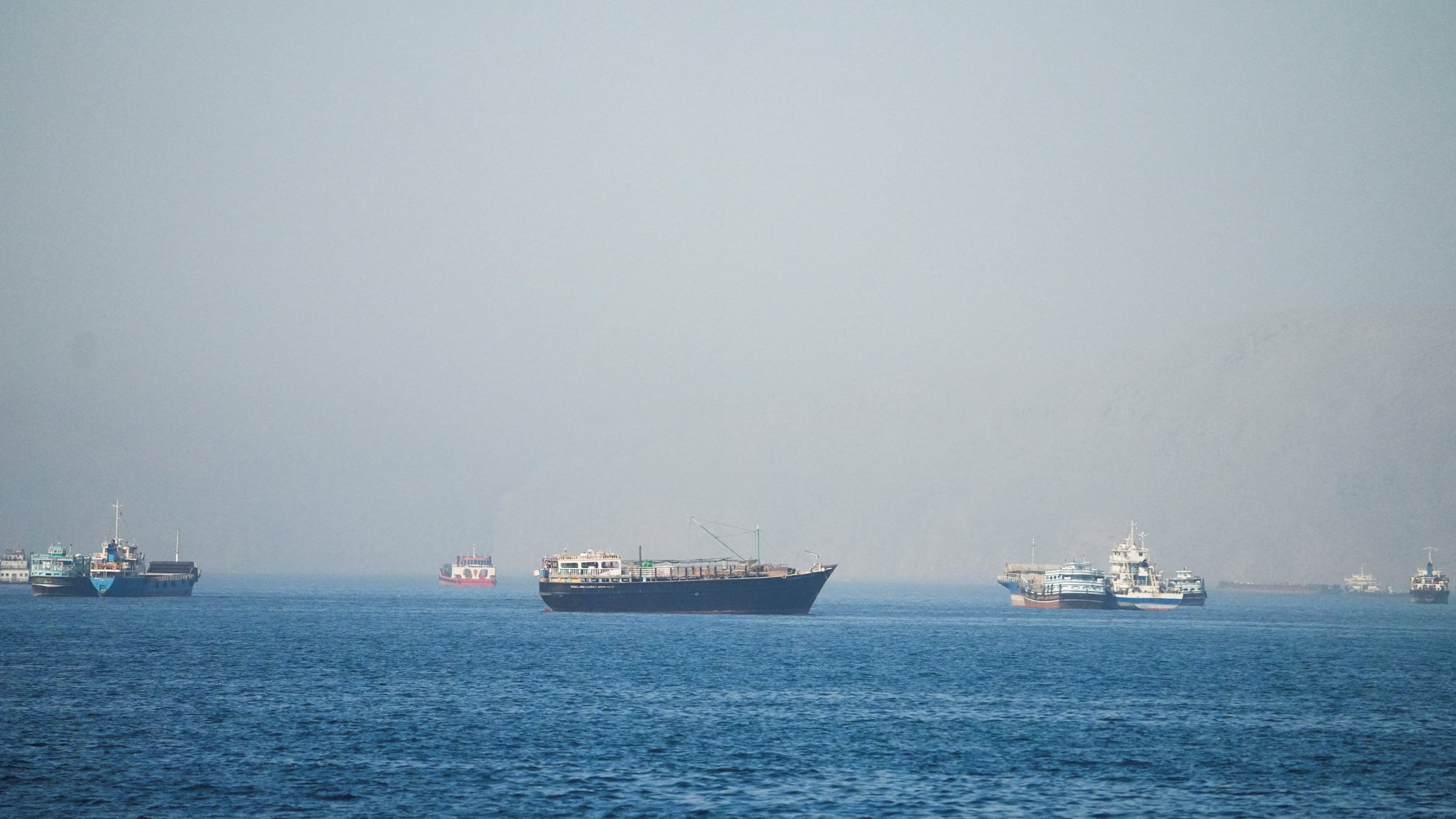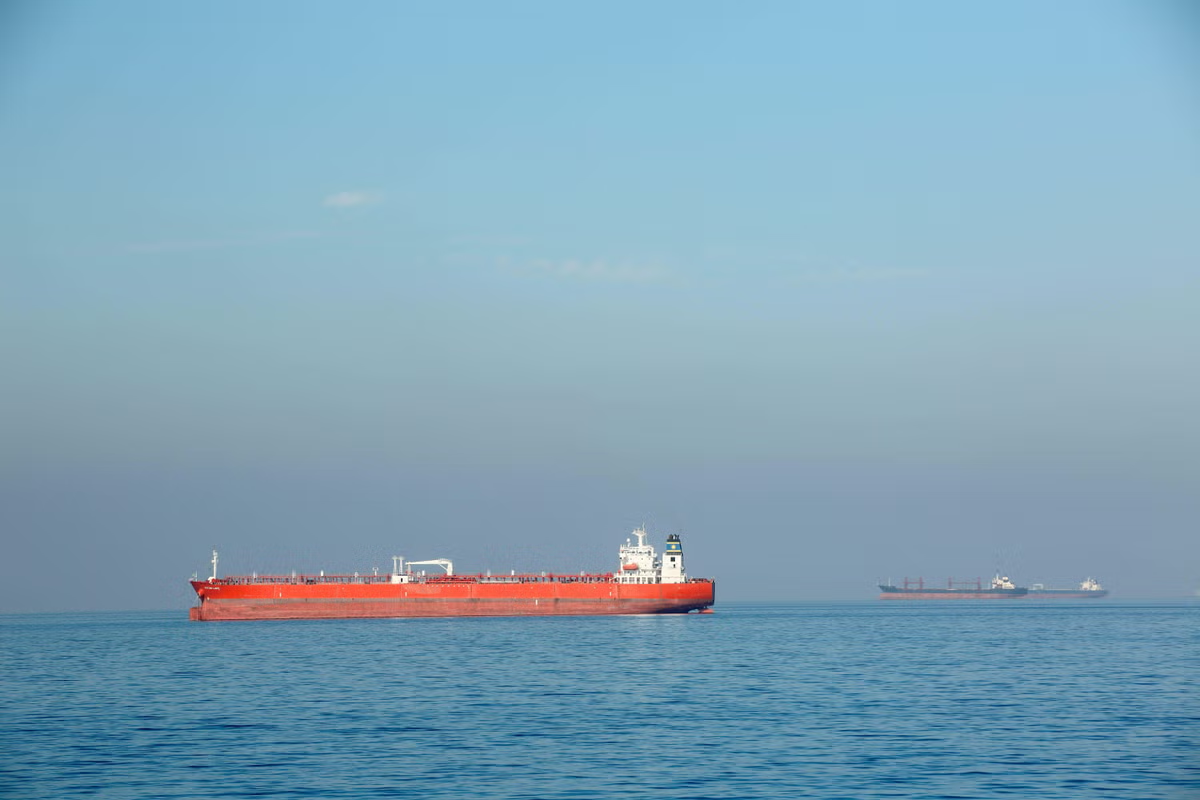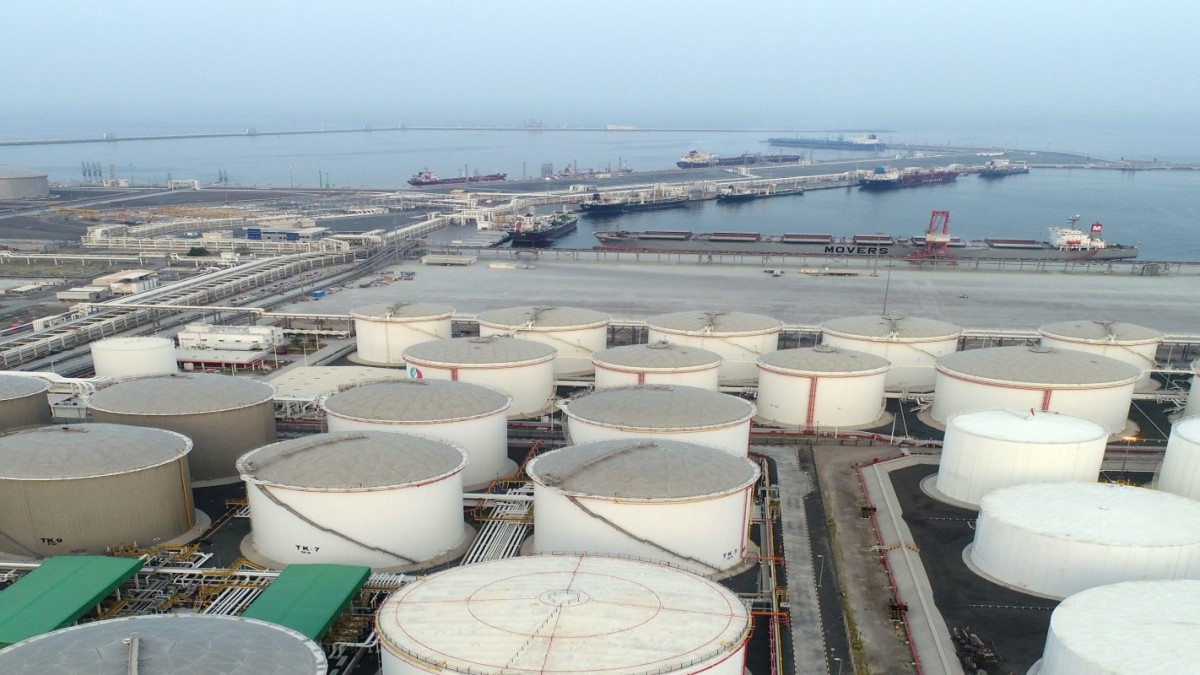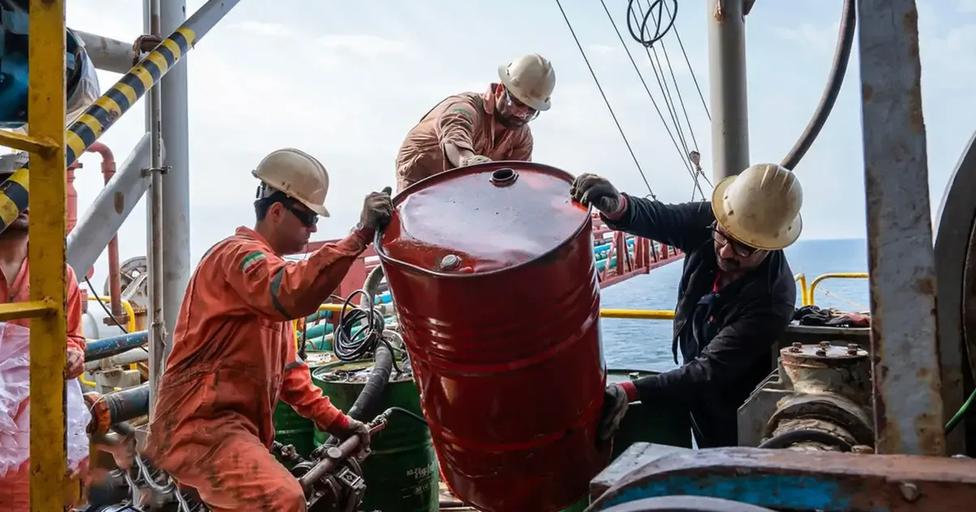
Oil prices have quietly unwound one of the most significant geopolitical risk premiums of the past year. Brent crude slipped to around $77 per barrel in late June 2026, dipping below $80 as tanker traffic through the Strait of Hormuz began to normalize following a US-Iran memorandum of understanding aimed at easing hostilities.
Two-year Treasury yields sat at roughly 4.15-4.19% in mid-June, comfortably above the Federal Reserve’s current target rate of 3.50-3.75%. That gap tells you something important: the market thinks the Fed isn’t done tightening. Energy may be cooling off, but the inflation problem has deeper roots.
The oil picture: back to baseline
The recovery of shipping flows through the Strait of Hormuz has been the primary catalyst behind crude’s retreat. With the US-Iran memorandum of understanding reducing the immediate threat of supply disruptions, Brent has drifted back toward levels seen before the geopolitical tensions escalated. But full normalization of shipping patterns and prices is expected to take weeks to months.
The Fed’s sticky problem