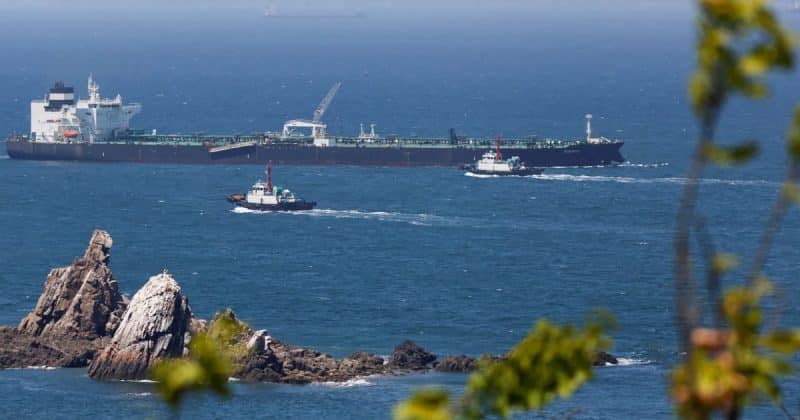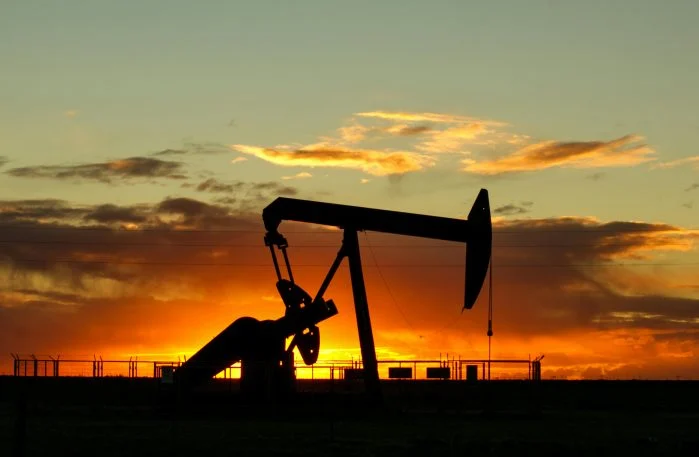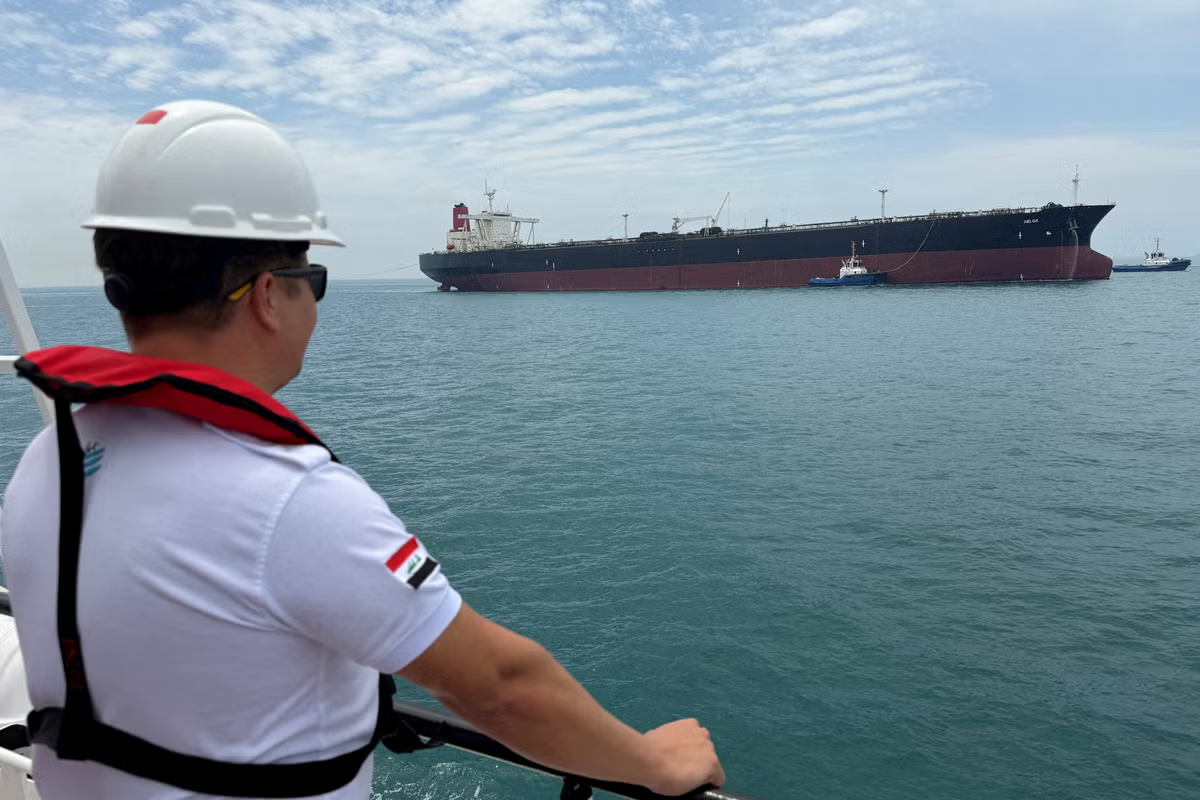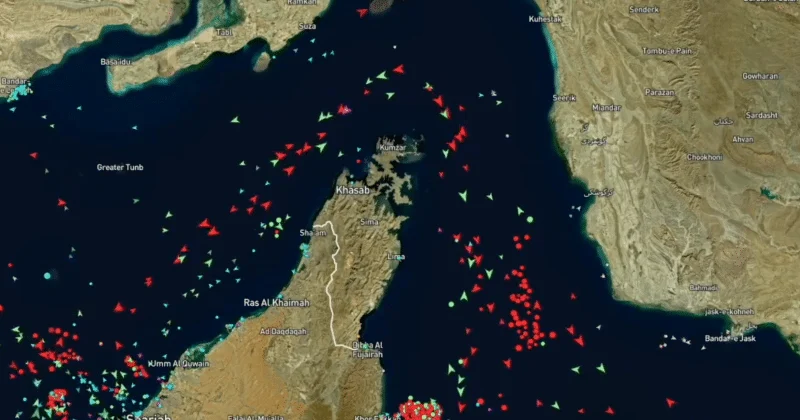
Following weeks of volatility driven by geopolitical tensions in the Strait of Hormuz, global crude prices have returned to pre-crisis levels. Driven by receding fears over the security of the strategic waterway and a parallel surge in regional exports, oil prices recorded their third consecutive day of declines.
On Thursday, Brent crude fell by approximately 1% to $70.80 per barrel. US West Texas Intermediate (WTI) followed a similar downward trajectory, dipping below $68 per barrel. Meanwhile, the UAE’s Murban crude, a key pricing benchmark for Middle Eastern oil, experienced a sharper 3.4% drop, falling below $66 per barrel.
The downward momentum accelerated after Qatari officials reported tangible progress in indirect talks between the Islamic Republic of Iran and the United States regarding security guarantees in the Strait of Hormuz. The vital maritime artery, which traditionally handles roughly one-fifth of global oil consumption, had served as the primary catalyst for energy market fluctuations in recent weeks.
Concurrently, US President Donald Trump weighed in on the shifting energy landscape, stating that oil prices are dropping rapidly, exactly as he had promised. He noted that domestic gasoline prices are also trending downward, though he remarked that the retail decline has not yet reached his preferred pace.