Story audio is generated using AI
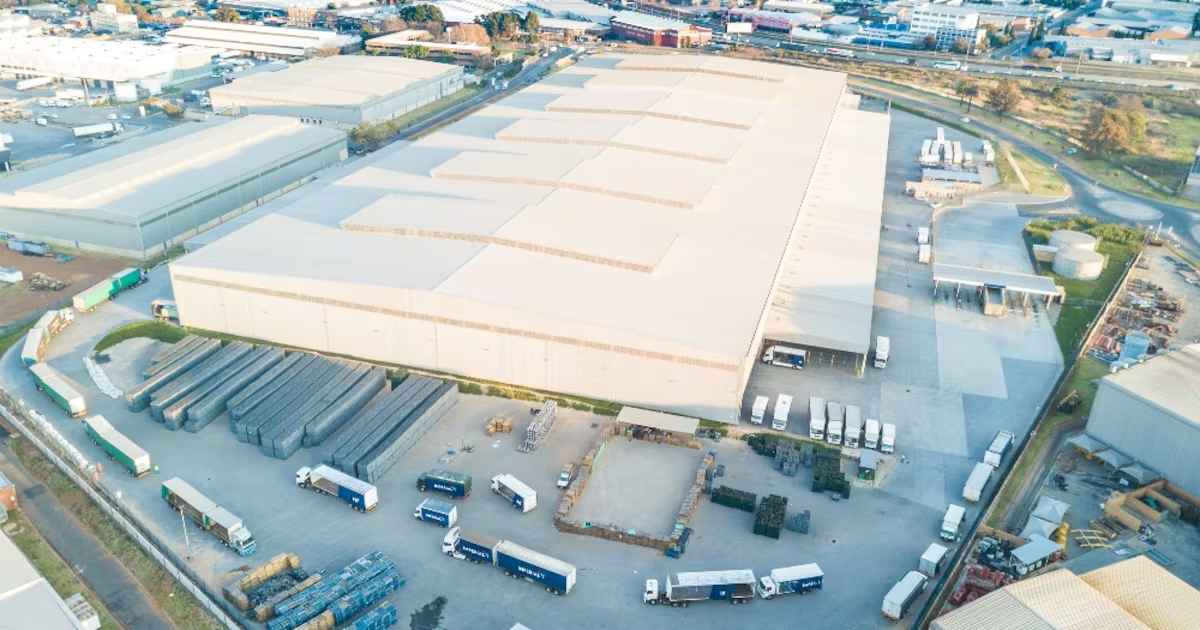
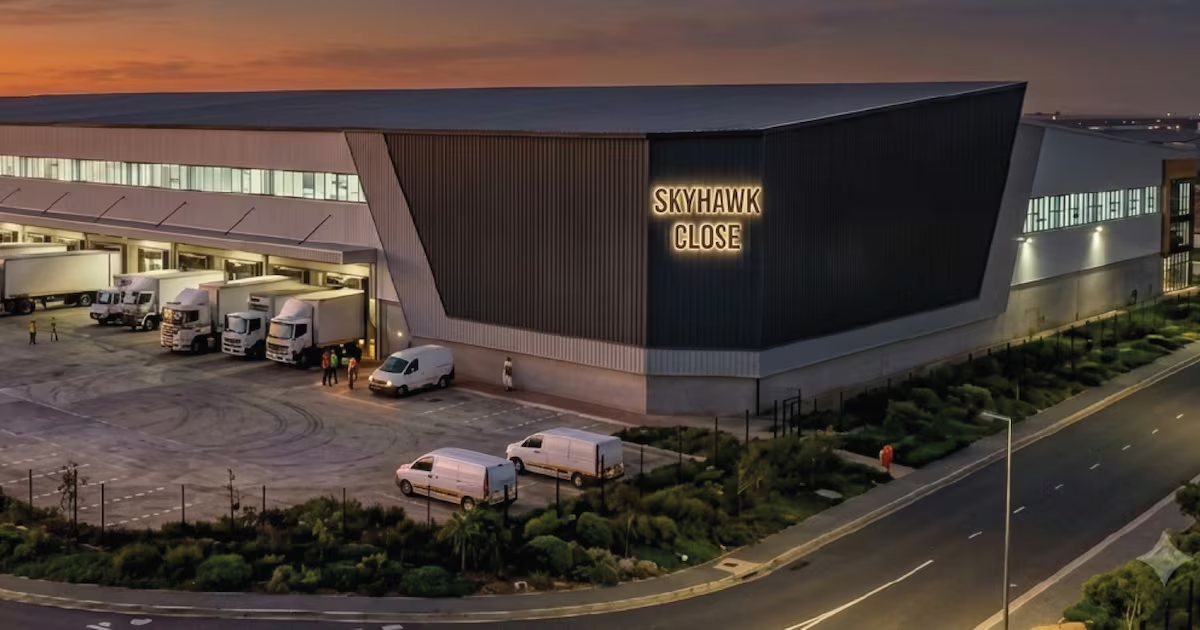
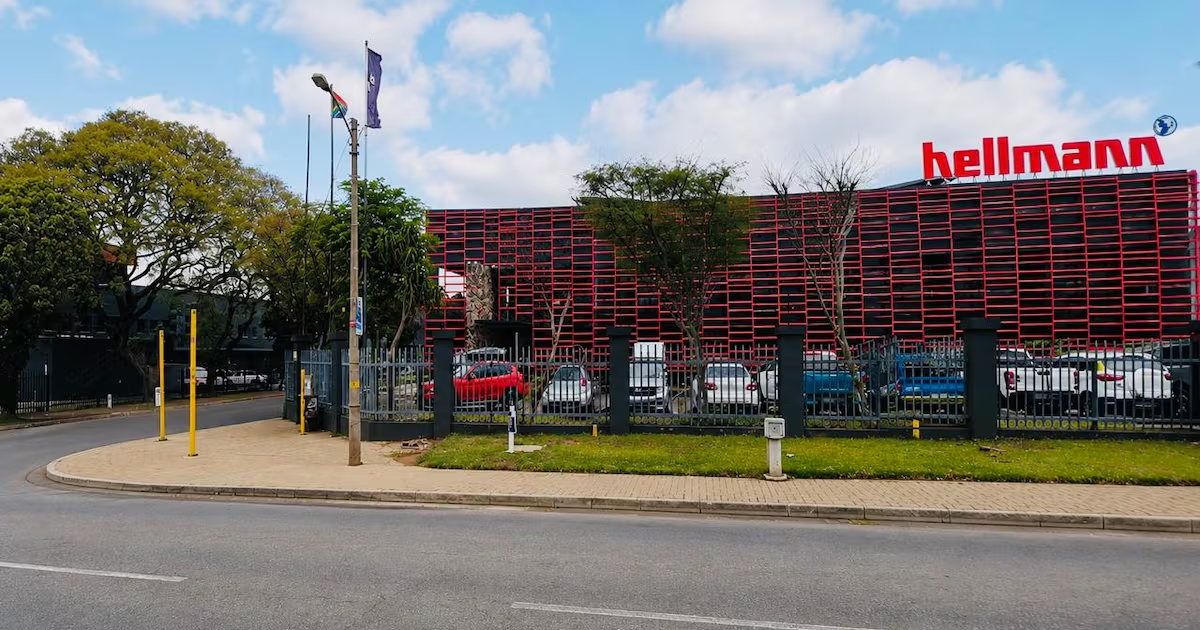
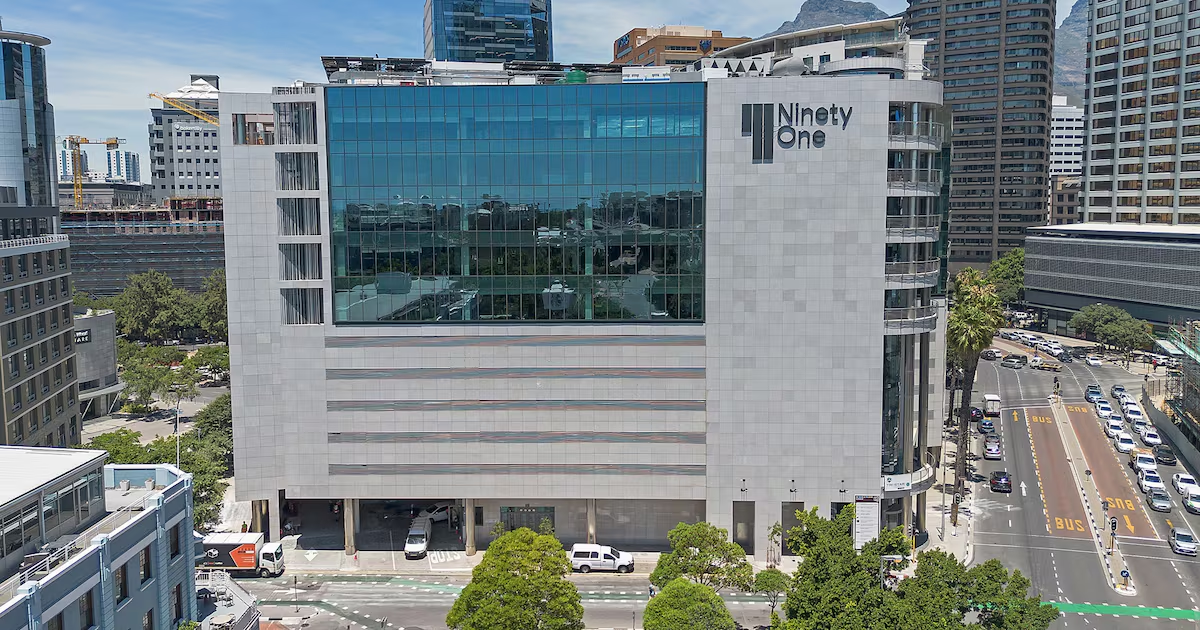
Growthpoint’s logistics and industrial portfolio vacancy rate has fallen to 2.8% from 4.1%, its lowest level in more than a decade, helped by strong leasing demand and new developments coming on stream. The group said most of the remaining vacancies are concentrated in five Johannesburg assets, largely due to planned redevelopment activity rather than weak tenant demand.“The renewal success rate improved from 64.7% to 72.9%, reflecting stronger tenant retention, particularly in Gauteng and KwaZulu-Natal. While rental growth on renewals slipped, largely due to two significant lease renewals, 57.6% of renewed space was concluded on flat or positive terms,” the group said in its update for the nine months to end-March.Cape Town recorded robust rental growth of 7.1%, highlighting strong underlying market fundamentals in the region.On the capital side, the group disposed of several old industrial manufacturing properties worth about R721.7m during the period, as part of its capital recycling strategy aimed at exiting noncore assets and lifting overall portfolio quality and growth potential.(Dorothy Kgosi) This comes as Growthpoint continues its broader disposal programme of about R3.5bn, mainly focused on office assets — particularly lower-grade B- and previously C-grade properties — as well as other noncore assets that fall outside its long-term return and concentration risk targets.“We are increasing our exposure to the logistics and industrial sector by investing in modern warehouses in high-growth nodes, funded through the disposal of older, underperforming assets in weaker locations,” the group said.However, the group exceeded its R3.5bn disposal target, driven by higher-than-expected asset sales and continued portfolio recycling, including the disposal and transfer of additional properties during the period.The group said office vacancies eased slightly over the period and remained broadly stable, with the Western Cape showing the strongest improvement driven by new demand. Gauteng recorded a modest increase in vacancies while KwaZulu-Natal also saw a slight uptick from a low base.“Development and capital spend of R205.8m was directed toward high-potential, sustainability-aligned properties in strategic locations, while ongoing disposals continued to improve portfolio quality and redirect capital into higher-growth nodes with stronger long-term prospects,” the group said.On its retail performance, community centres led the charge, delivering the strongest trading density at R62,938/m², while the Western Cape also stood out with the highest regional trading density of R47,769/m² and solid annual growth, underscoring resilient demand across key nodes.The group said it remains on track to deliver dividend per share growth of 6%-8% for the financial year to end-June, despite ongoing macroeconomic pressures.Cape Winelands Airport, in which the group is a development partner and investor, has been designated a strategic integrated project, fast-tracking all approvals and elevating it to nationally significant infrastructure status under the Infrastructure Development Act.Early works and construction are under way at the Olympus residential development in Sandton, a jointly owned project with Tricolt on an equal partnership basis, which is gathering pace after zoning approvals and full site handover in April. Presales for Tower 1 have reached 73% bankable sales, pointing to strong demand in the market.