Story audio is generated using AI
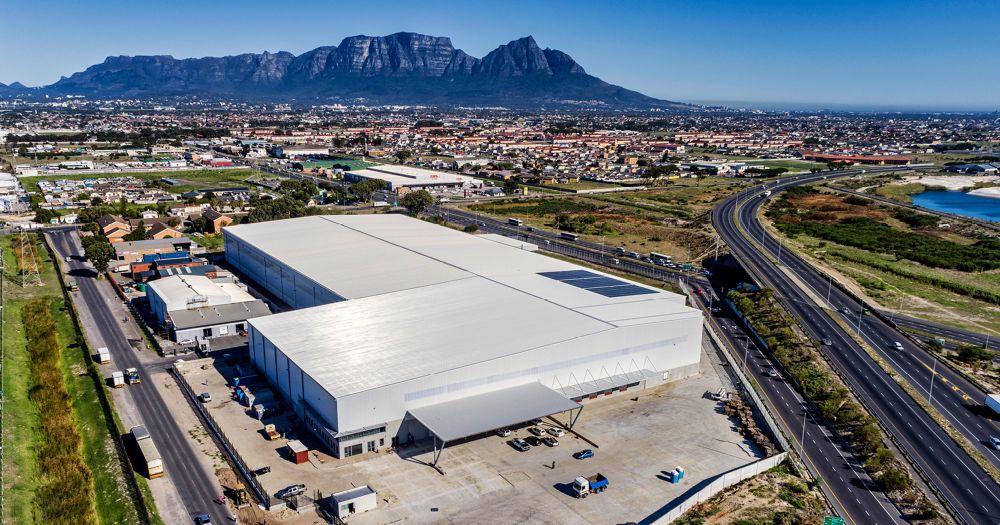
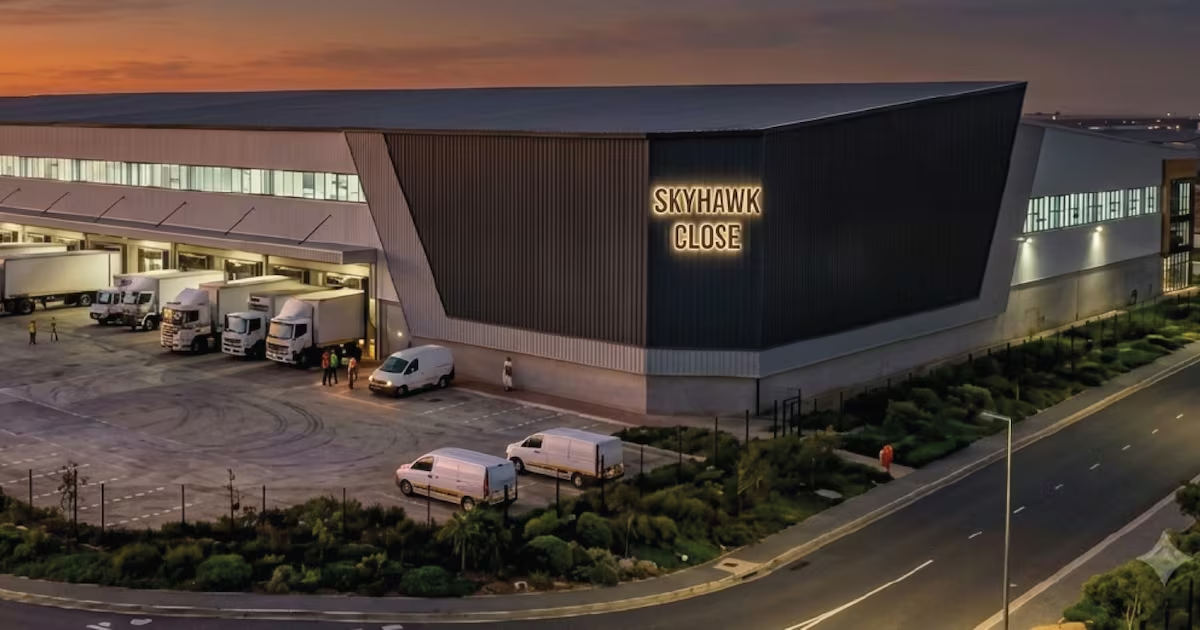
South Africa’s industrial operating environment is benefiting from the gradual implementation of structural reforms under Operation Vulindlela, providing a more supportive backdrop for warehouse occupiers and logistics-intensive businesses. According to Equites’ latest annual report, the most visible change for industrial tenants has been the improvement in energy security. Load-shedding, which for years imposed additional operating costs and planning uncertainty on warehouse users, has shifted from a daily business consideration to an increasingly infrequent occurrence.“The associated cost saving has been material — and is specifically a saving on the diesel that our retailers, third-party logistics operators and exporters had previously been forced to consume in their standby generators; for substantial periods of the year, those generators have simply not needed to be switched on and the corresponding operating cost has not had to be incurred,” said CEO Andrea Taverna-Turisan in the report. Operation Vulindlela is a joint initiative of the South African presidency and the National Treasury aimed at accelerating structural economic reforms to remove bottlenecks and boost growth, investment and job creation. Before Operation Vulindlela, industrial landlords operated in an environment where unreliable electricity supply, congested ports and underperforming rail infrastructure increased costs and uncertainty for tenants.While logistics reforms are still a work in progress, Taverna-Turisan said the moves so far are encouraging. “For the first time since we listed it is moving consistently in the right direction,” he said.However, some of the savings from reduced generator use have been offset by higher transport costs, driven by tension in the Middle East, increasing expenses for occupiers moving goods through supply chains. These prices are set to drop if the memorandum of understanding between Iran and the US holds.For the first time since we listed it is moving consistently in the right direction.— CEO Andrea Taverna-TurisanAs the industrial property sector continues to be the cream of the crop of South Africa’s commercial real estate market, the country has emerged as an essential growth market for Equites, supported by a shortage of A-grade logistics facilities, rising e-commerce penetration and a steadily improving operating environment.The group said several structural trends are reinforcing demand, including increased tenant investment in supply-chain technology, greater adoption of automation and a growing shift toward purpose-built logistics facilities. These dynamics are supporting demand for modern A-grade warehouse space, underpinning new developments and longer-term leasing structures.“The convergence of these factors has created the most favourable backdrop for South Africa’s logistics property in more than a decade, driving demand for modern warehouse space and supporting its development pipeline during the year,” the group said.Despite the Western Cape property market continuing to outperform, with MSCI data showing Cape Town as South Africa’s leading metro for rental growth, it is largely driven by a scarcity of greenfield industrial land. While this trend supports existing asset values, it constrains new development opportunities, resulting in its capital being directed to Gauteng, where occupier demand and land availability are better aligned, it said.In the UK, the group plans to bring its industrial activities to a close by end-2028, marking the final chapter — and consequently the exit — from its offshore property exposure.“The UK macro-outlook has become more uncertain, which reinforces our caution on further capital deployment, supporting our longer-term view of an exit,” it said.