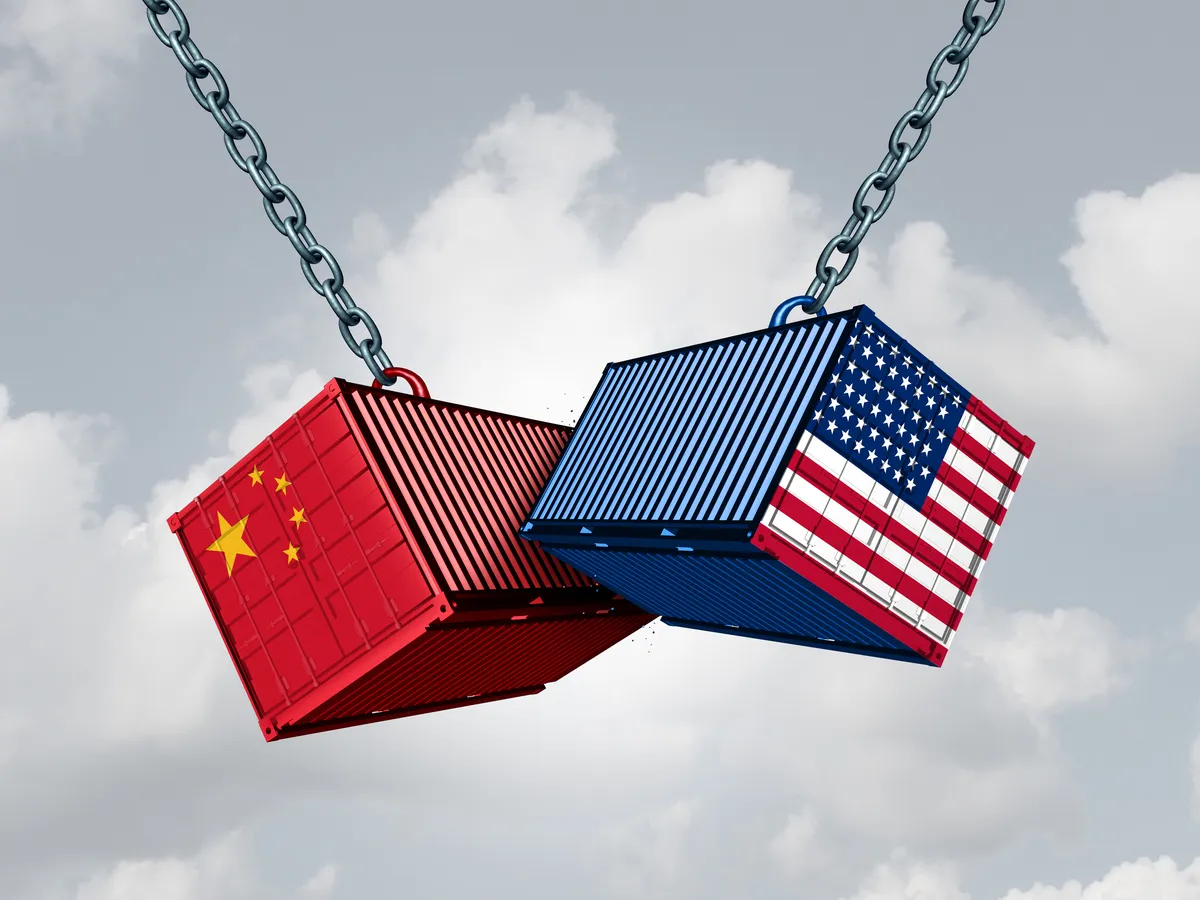
Skip to Content News Archives Economy Energy Oil & Gas Renewables Electric Vehicles Mining Commodities Agriculture Real Estate Mortgages Mortgage Rates Finance Banking Insurance Fintech Cryptocurrency Work Wealth Smart Money Wealth Management Investor Personal Finance Family Finance Retirement Taxes High Net Worth FP Comment Executive Women Puzzmo Newsletters Financial Times Business Essentials More Innovation Information Technology FP500 Podcasts Small Business Lives Told Tails Told Shopping Financial Post Store Obituaries Place a Notice Advertising Advertising With Us Advertising Solutions Postmedia Ad Manager Sponsorship Requests Classifieds Place a Classifieds ad Working Profile Settings My Subscriptions Saved Articles My Offers Newsletters Customer Service FAQ News Economy Energy Mining Real Estate Finance Work Wealth Investor FP Comment Executive Women Puzzmo Newsletters Financial Times Business Essentials HomeFP CommentOpinion: How do we deepen our U.S. trade but diversify, as well?China is the most likely diversification target but developing that relationship will cause complications in our trade with the AmericansLast updated 56 minutes ago You can save this article by registering for free here. Or sign-in if you have an account.Establishing Canada as a reliable long-term export partner of China would raise the ire of the current U.S. president, and perhaps future presidents as well. Photo by WildPixel/Getty ImagesIn his recent speech at the Economic Club of New York, Prime Minister Mark Carney called for a new partnership between Canada and the United States, one that recognizes the deep economic integration between the two countries, especially in manufacturing supply chains and energy. Yet he also reiterated that Canada must enhance its strategic “autonomy” — in part by decreasing reliance on U.S. trade.Subscribe now to read the latest news in your city and across Canada.Exclusive articles from Barbara Shecter, Joe O'Connor, Gabriel Friedman, and others.Daily content from Financial Times, the world's leading global business publication.Unlimited online access to read articles from Financial Post, National Post and 15 news sites across Canada with one account.National Post ePaper, an electronic replica of the print edition to view on any device, share and comment on.Daily puzzles, including the New York Times Crossword.Subscribe now to read the latest news in your city and across Canada.Exclusive articles from Barbara Shecter, Joe O'Connor, Gabriel Friedman and others.Daily content from Financial Times, the world's leading global business publication.Unlimited online access to read articles from Financial Post, National Post and 15 news sites across Canada with one account.National Post ePaper, an electronic replica of the print edition to view on any device, share and comment on.Daily puzzles, including the New York Times Crossword.Create an account or sign in to continue with your reading experience.Access articles from across Canada with one account.Share your thoughts and join the conversation in the comments.Enjoy additional articles per month.Get email updates from your favourite authors.Create an account or sign in to continue with your reading experience.Access articles from across Canada with one accountShare your thoughts and join the conversation in the commentsEnjoy additional articles per monthGet email updates from your favourite authorsSign In or Create an AccountorHow we deepen integration with the U.S. in select industries and at the same time reduce economic dependence on the U.S., which buys around 70 per cent of our exports, the prime minister has not yet explained. The review of the Canada-U.S.-Mexico Agreement (CUSMA) — which President Donald Trump continues to publicly deride — officially starts on July 1, so we need an answer soon.Get the latest headlines, breaking news and columns.By signing up you consent to receive the above newsletter from Postmedia Network Inc.A welcome email is on its way. If you don't see it, please check your junk folder.The next issue of Top Stories will soon be in your inbox.We encountered an issue signing you up. Please try againIn theory, nothing prevents us from having closer linkages with many countries. Of course, the most likely new markets for Canadian exports are countries that already account for a large share of the global economy and are also growing quickly. China qualifies on both counts. In 2024, it accounted for almost 17 per cent of global GDP, compared to 22 per cent for the U.S. Its GDP is only slightly less than the combined GDPs of Germany, Japan, India, the U.K. and France, and by the end of the decade, will likely be larger. Over the past two decades, China has far out-paced all large western countries in economic growth. So China’s existing economic heft, growth rate and increasing prosperity make it a prime destination for Canadian exports.The primary challenge in selling more to China is the cost associated with differences in laws, regulations, business practices, cultural norms and language. Canadian exporters can cut these costs by establishing closer ties with Chinese commercial partners, but that means Canadian companies must integrate into China’s dominant supply chains. Hooking up with large Chinese enterprises, which are often either state-owned or state-directed, almost certainly would lead to more conflict with the Trump administration, and possibly future administrations, given the rivalry between the U.S. and China.China is either a substantial importer already or a promising market for Canada’s top export categories, including oil, natural gas, minerals and some agricultural goods. And exporting more oil, gas, minerals and foodstuffs to China would not require the same supply chain integration as would be the case with most manufactured goods. Still, the Chinese government is alert to the possibility that other countries will defer to U.S. political and strategic priorities. And Chinese policy-makers worry that other countries may support U.S. efforts to isolate China or otherwise reduce its influence in the global economy, especially in supply chains for critical goods. So if Canada embarks on the “Fortress North America” trade and industrial strategy the prime minister talked about in Washington, China would be unlikely to view Canada as a preferred supplier of energy, minerals and other commodities.We’re not suggesting the Carney government should abandon its goal of increasing non-U.S. exports. But to do that Canada would have to establish itself as a reliable long-term export partner of China. And that would raise the ire of the current U.S. president and perhaps future presidents, as well.With trade diversification top of mind, Prime Minister Carney and his negotiators face a complex balancing act: managing relations with our closest ally and main trading partner, but also cultivating them with the world’s leading manufacturer and steadily rising global power.Steven Globerman and Jock Finlayson are senior fellows at the Fraser Institute. Join the Conversation This website uses cookies to personalize your content (including ads), and allows us to analyze our traffic. Read more about cookies here. By continuing to use our site, you agree to our Terms of Use and Privacy Policy.
Opinion: How do we deepen our U.S. trade but diversify, as well?
China is the most likely diversification target but developing that relationship will complicate our trade with the Americans. Read here now
1,105 words~5 min read