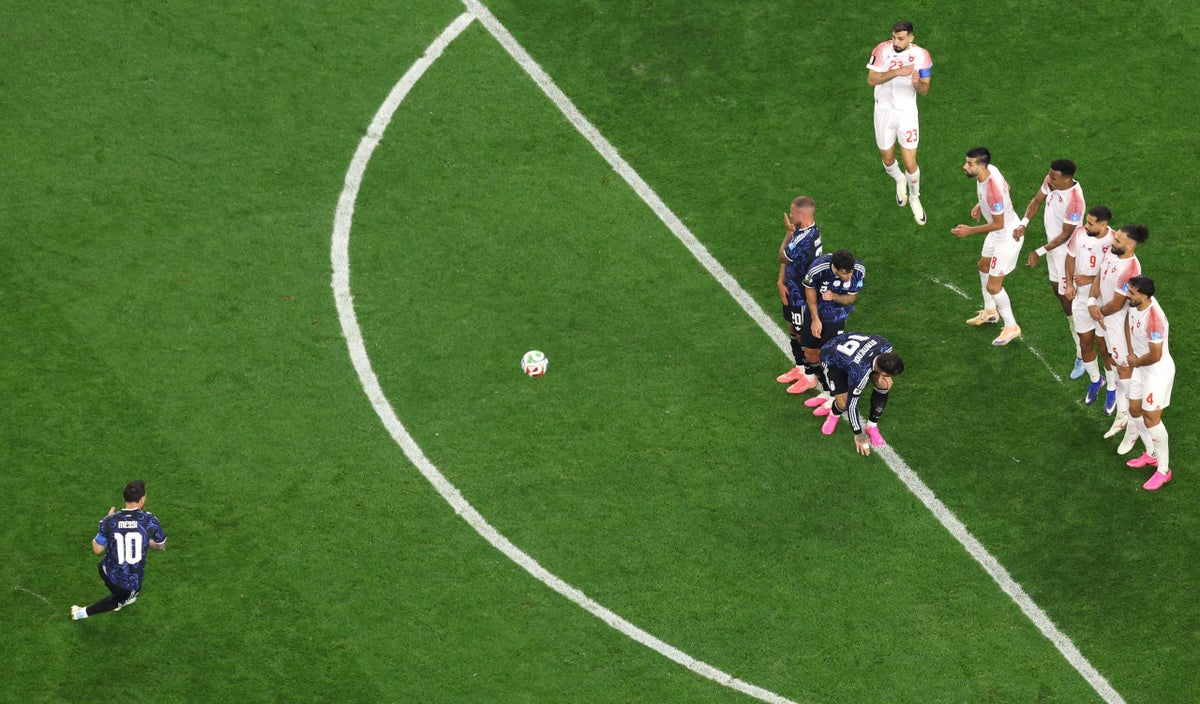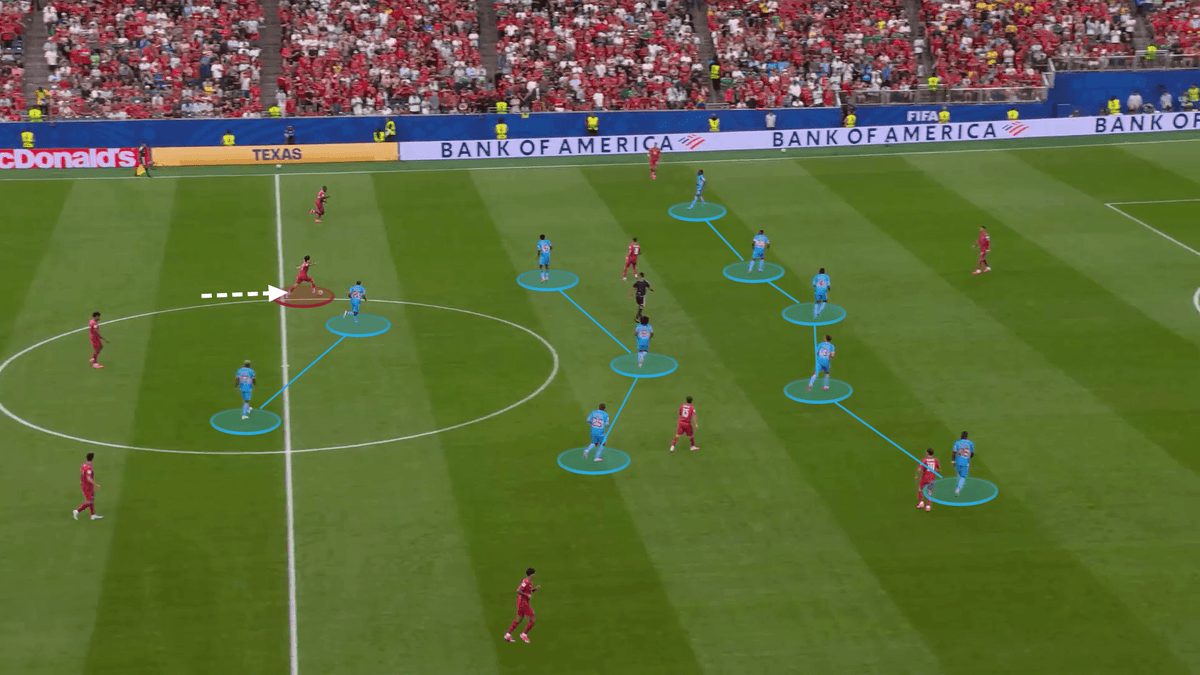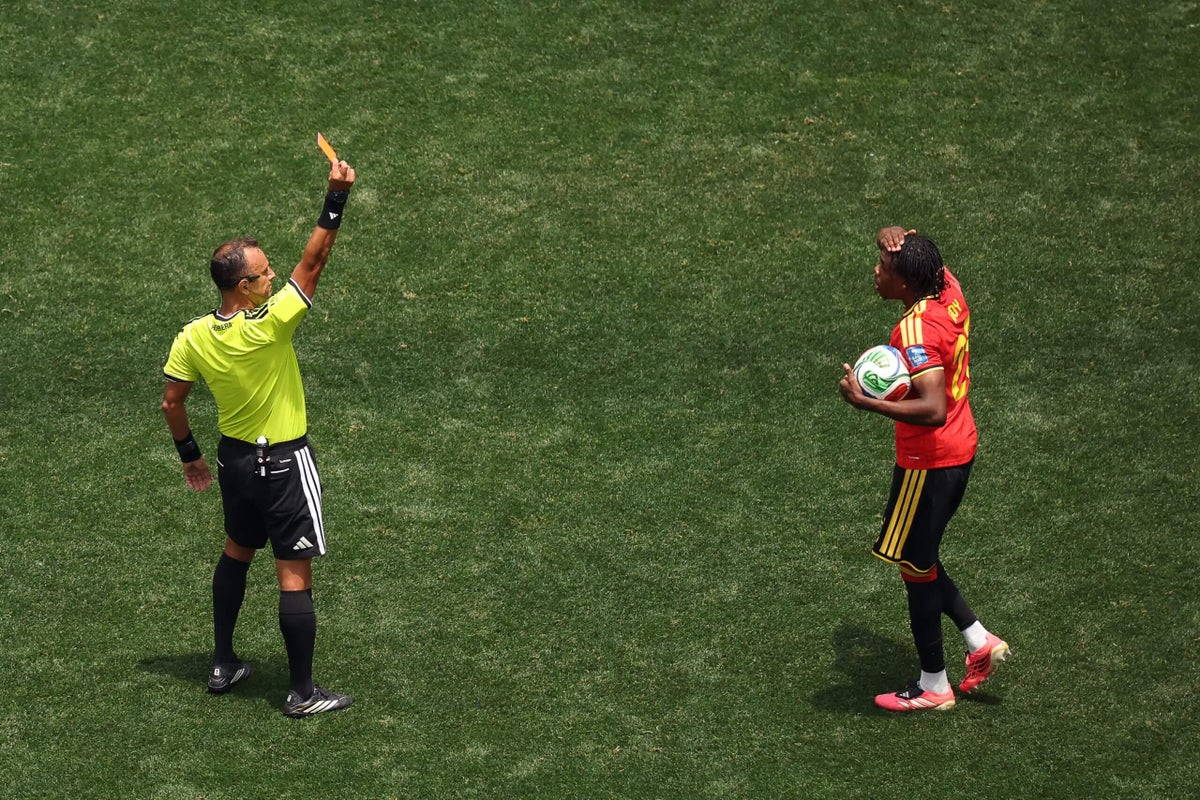
What a World Cup this is. This summer’s expanded tournament has already surpassed the total number of games played in 11 previous World Cups.With 48 games completed after two matchdays, we have a healthy sample size to identify trends as teams push for qualification to the knockout rounds.Just as we did for Matchday One, The Athletic has opened its notebook to share some more fun data and tactical quirks for you to share with your friends.Here are a few things we spotted.Fewer fouls but more red cardsThis summer’s tournament has been played in good spirit, with tempers rarely flaring and challenges remaining fairly clean across the opening 48 games.It might sound a lot, but 22.3 fouls per game is a lower average than the previous two tournaments, with 25 per game in 2022 and 27 per game in 2018.So why have there already been eight red cards awarded?Red cards are back in fashion at the 2026 World Cup (Stu Forster/Getty Images)For those wondering, that tally is already the same as the previous two World Cup editions combined (four apiece in 2022 and 2018), with this summer having the potential to see an unprecedented number of dismissals.We are still some way off the tournament record of 28 red cards awarded in 2006, the most significant of which came in the final after Zinedine Zidane headbutted Marco Materazzi during extra-time.Still, a trend is emerging that is worth keeping an eye on.Two caveats must be added here. The first is that the expanded 48-team format means there is simply more opportunity for players to be shown a red card. The second is that two games in particular did a lot of the heavy lifting for this statistic, with three dismissals shown in Mexico’s opener with South Africa and two reds awarded to Qatar against Canada on Matchday Two.The most notable dismissal of the round saw Paraguay’s Miguel Almiron become the first player to be sent off for covering his mouth during a “confrontational situation” against Turkey, after the new rule was introduced this summer.It has not been a dirty tournament by any means, but those who have made significant mistakes have been duly punished.Rebounds are on the riseIt was one of the scruffier goals in his collection, but Matheus Cunha’s first World Cup goal for Brazil tapped into an emerging trend this summer.After Haiti goalkeeper Johny Placide parried Vinicius Junior’s effort, Cunha followed up with a rebound that trickled over the line to open the scoring.Any good striker should be looking to pounce on a ball that falls back into the danger area, but the numbers suggest the rate of goals scored via rebounds looks particularly high compared with previous tournaments.Defined by data company Opta as “a shot following another shot in the preceding five-second window that the goalkeeper has saved, hit the woodwork, or saved off the line”, there have been 11 rebound goals scored this summer — already more than the entire 2022 and 2018 tournaments.
2026 World Cup data notebook: Red cards rising, the return of the through ball, and summer of rebounds
Several trends are solidifying as the World Cup hits its stride — The Athletic's data team sift through the evidence
1,410 words~6 min read