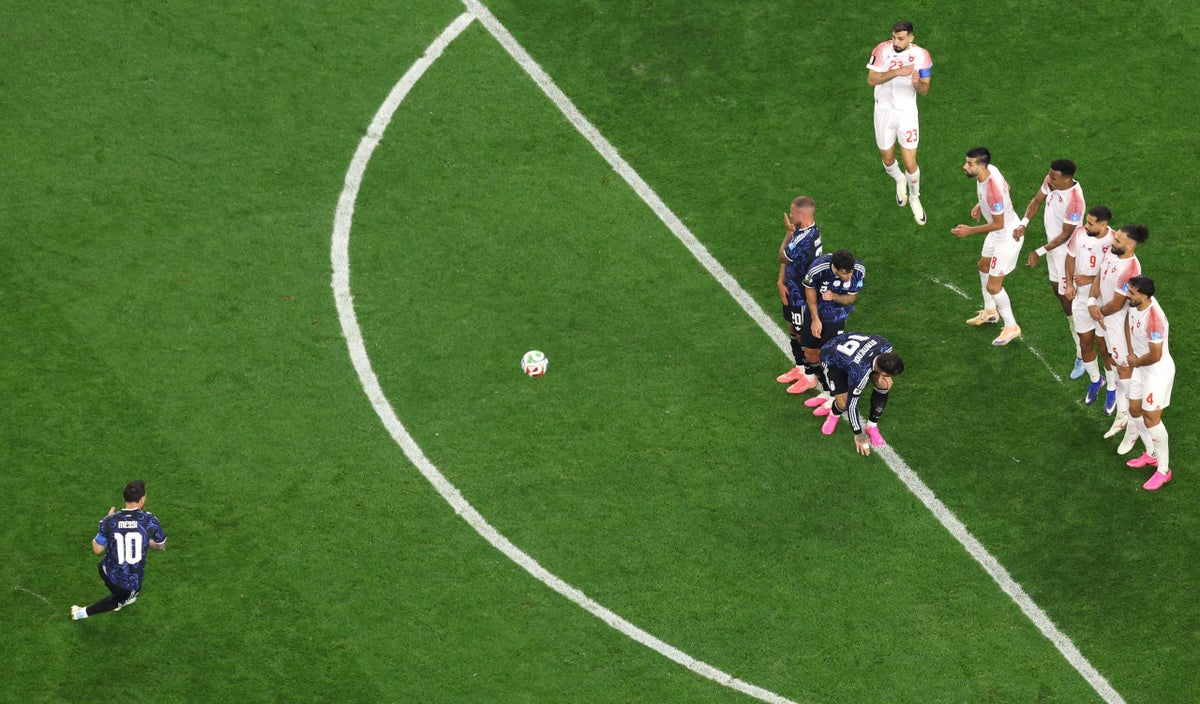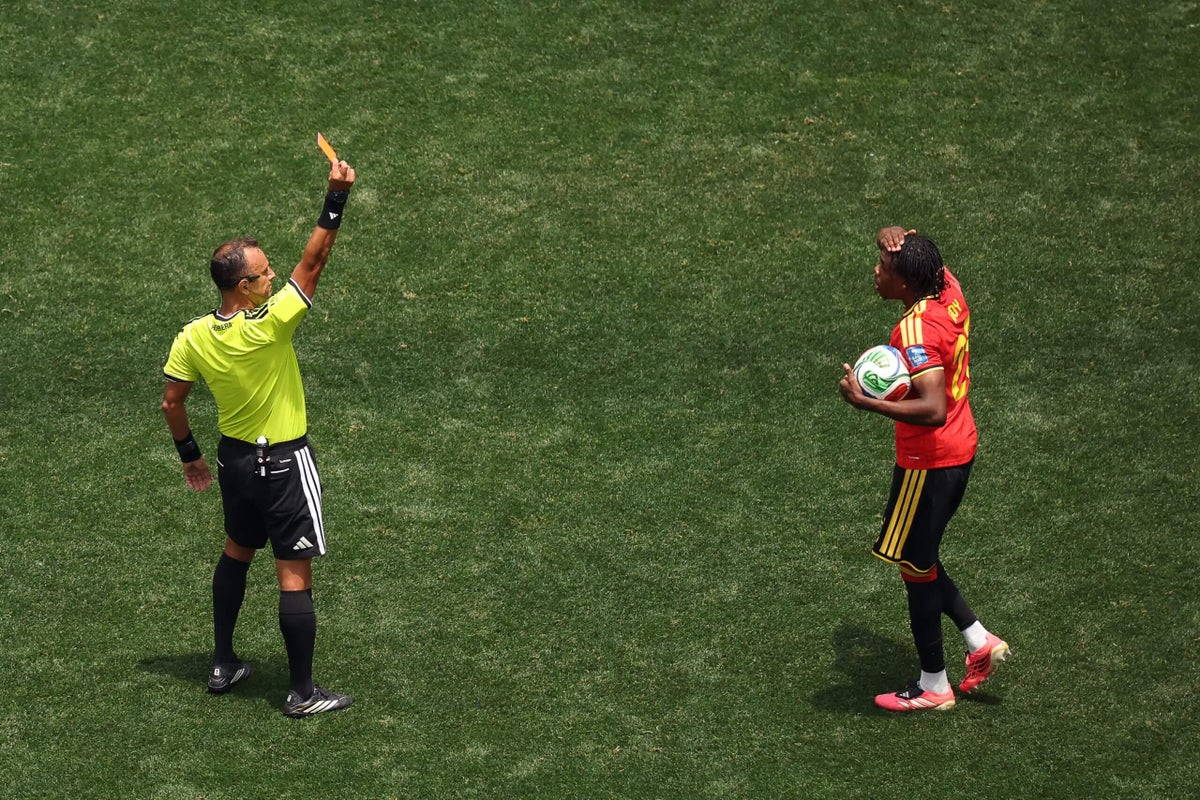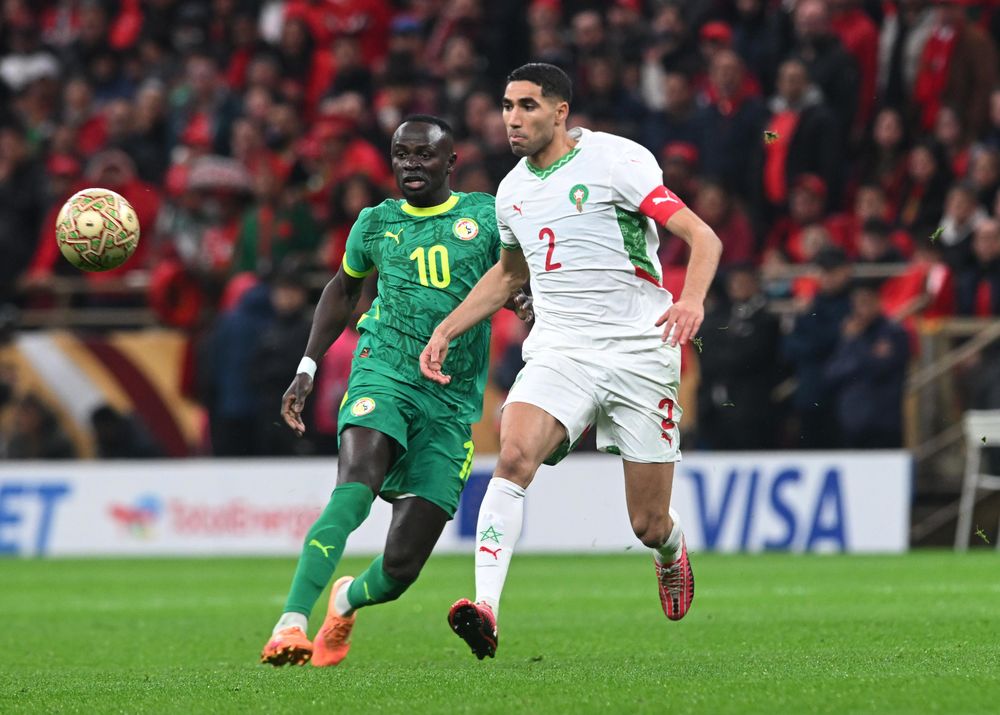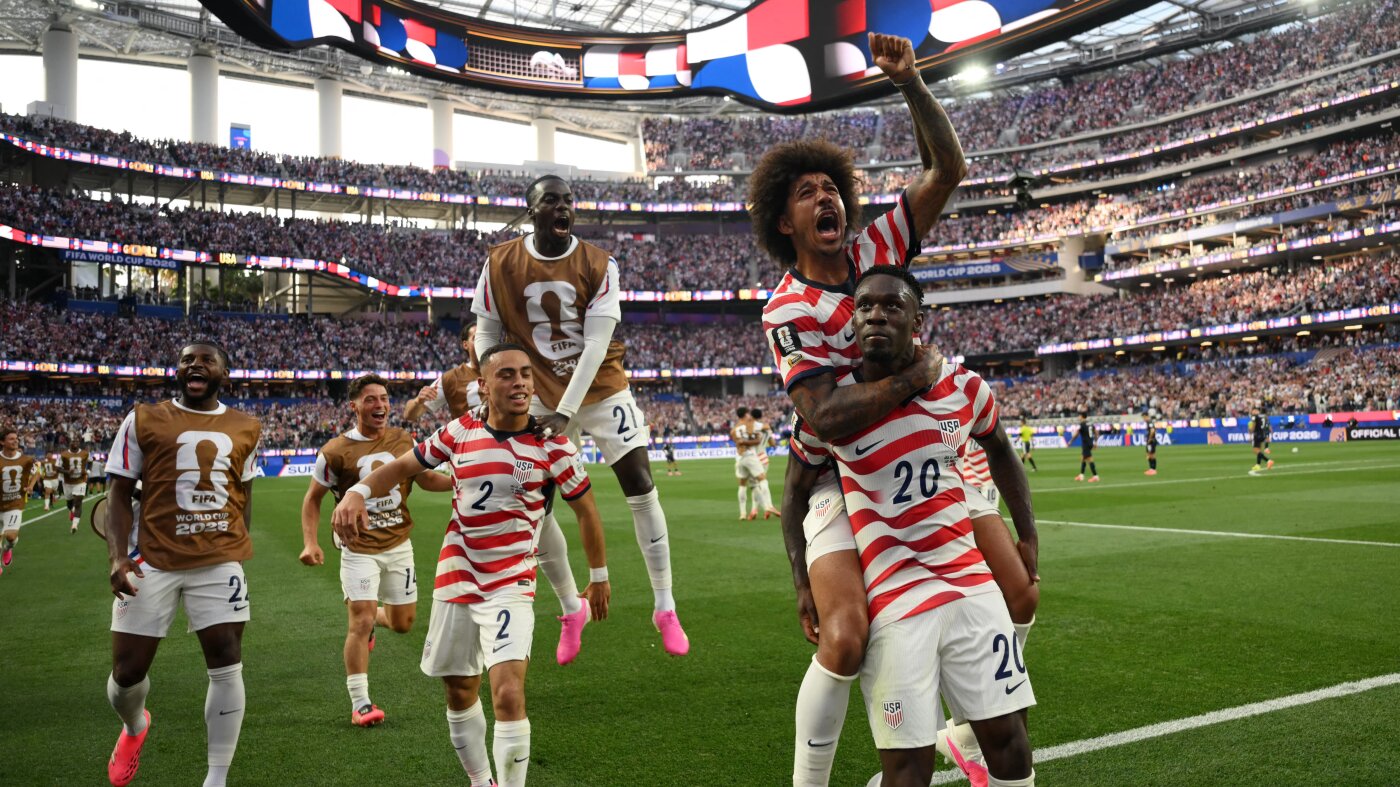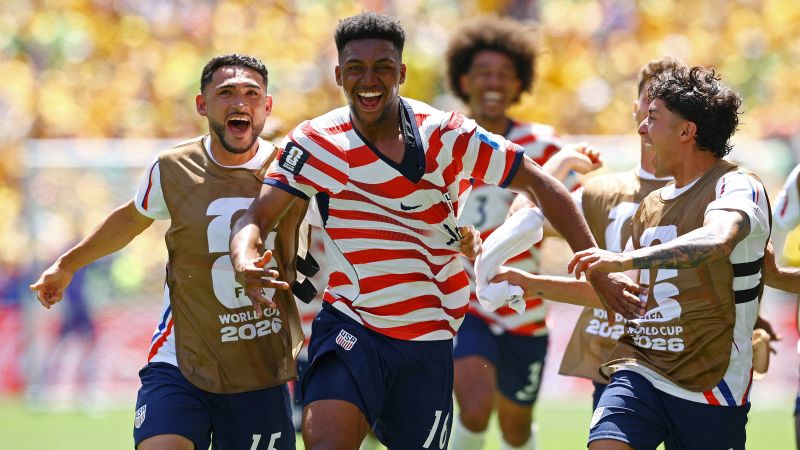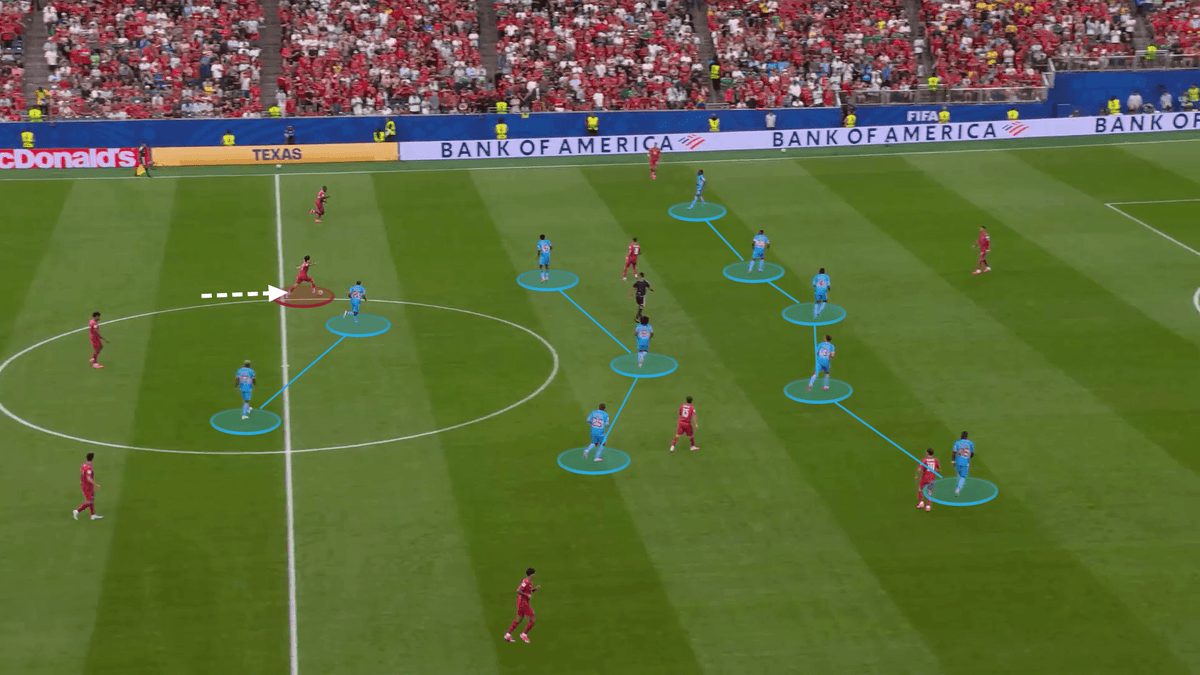
That’s a wrap for the biggest group stage in World Cup history. Forty-eight teams in 12 groups played out 72 matches, and the knockout bracket is set towards the final on July 19.Major tournaments always provide a tactical time capsule, and it’s worth checking in on the trends throughout the group stage. Here’s what The Athletic has noticed.Stubborn defences earn resultsThe biggest challenge faced by all the major nations was how to break down organised defences. A glance at the goals-per-game numbers suggests that solutions were found, with 2.98 higher than the 2.5 average from the 2022 and 2018 group stages.However, big wins skew that: Germany battered debutants Curacao 7-1, there were 5-1 wins for Sweden, Netherlands and Canada, while Portugal and Senegal put five past Uzbekistan and Iraq.There were many well-executed defensive game-plans. Take Cape Verde, who became the first team since Chile in 1998 to qualify for the knockouts with three draws. They used a 4-5-1 block to hold Spain to a 0-0 draw, had a goalless match with Saudi Arabia, and took a point off Uruguay in a 2-2 thriller — they averaged 36.7 per cent possession. Their system forced Uruguay to go long, as shown below.Curacao kept Ecuador to a 0-0 draw with a 5-3-2 block, inviting Sebastian Beccacece’s side, who themselves are better at defending than attacking, onto them. Curacao goalkeeper Eloy Room made a competition record 15 saves, 10 of which were from inside the box but his team-mates were disciplined throughout.The same approach worked for DR Congo against Portugal. They recovered after conceding the opening goal just six minutes in, made 27 clearances to defend their box and counter-attacked with pace when Portugal overplayed.The Netherlands slipped up on matchday one with a 2-2 draw against Japan. Hajime Moriyasu’s side, who beat Spain and Germany in the groups four years ago, were diligent in their 5-4-1. They kept the back five high to condense space, and the wide midfielders got back to support when the Dutch went down the sides.Ghana were excellent to see out a 0-0 against England. Manager Carlos Quieroz set them up in a 4-1-4-1, double teaming on England’s wingers and making sure that channel runs by their midfielders were tracked — while still posing a threat from regains.“There aren’t many who press you high and man-to-man,” Argentina head coach Lionel Scaloni told reporters after their first match. “Teams become strong in the middle of the pitch and that’s where the game is being defined. Whether you win with three forwards or defend with three or five at the back, the reaction when losing the ball is what matters.”There were 20 draws in the group stages and that means the points were shared in 27.7 per cent of matches, the highest since World Cup 2010 (14 draws from 48 games, 29.1 per cent).
World Cup tactical trends: Defensive delight, attacking full-backs, set pieces (again) and errors
Many different set-ups have been used by managers and teams in North America - The Athletic assesses those that have stood out
1,515 words~7 min read