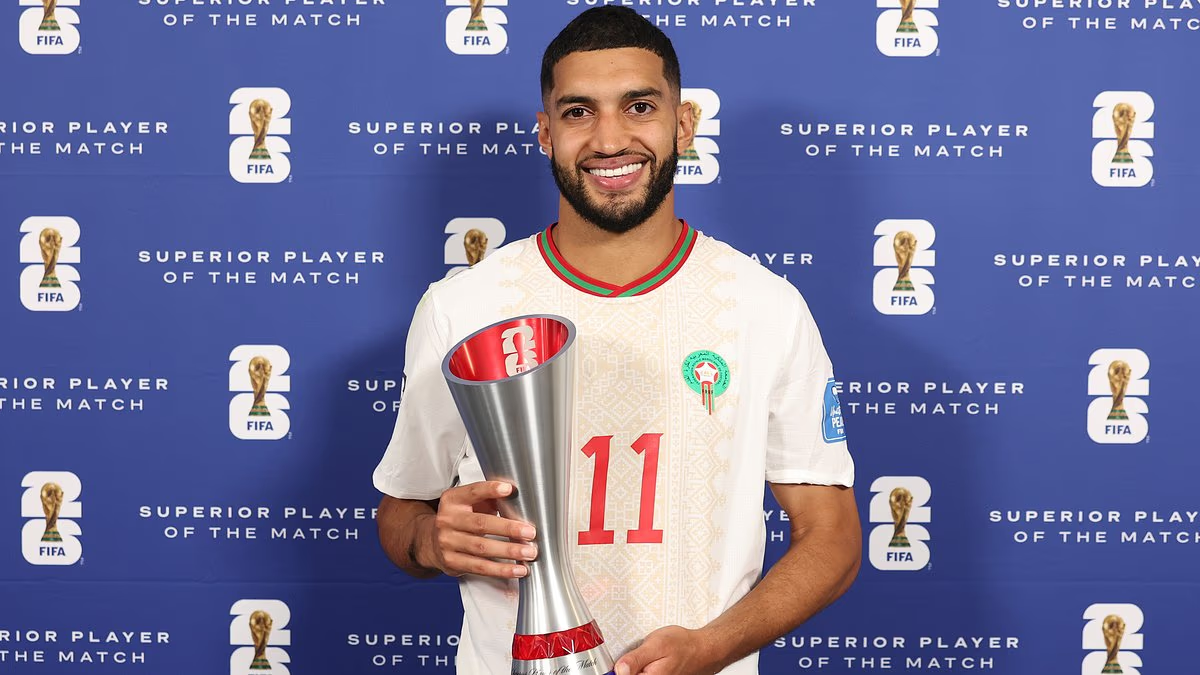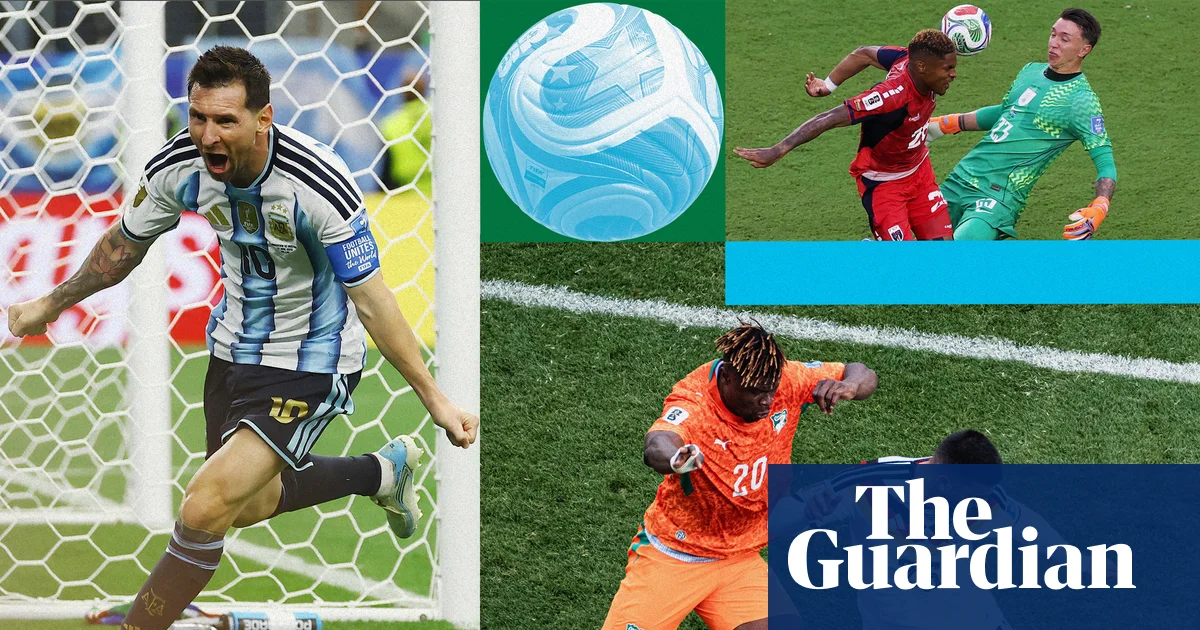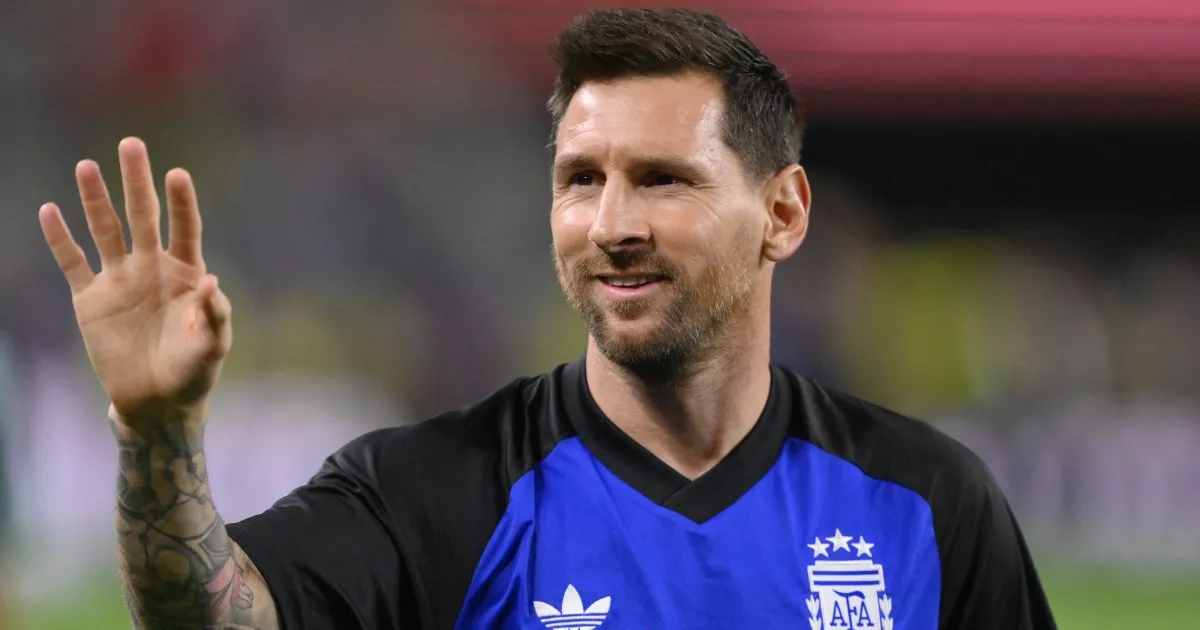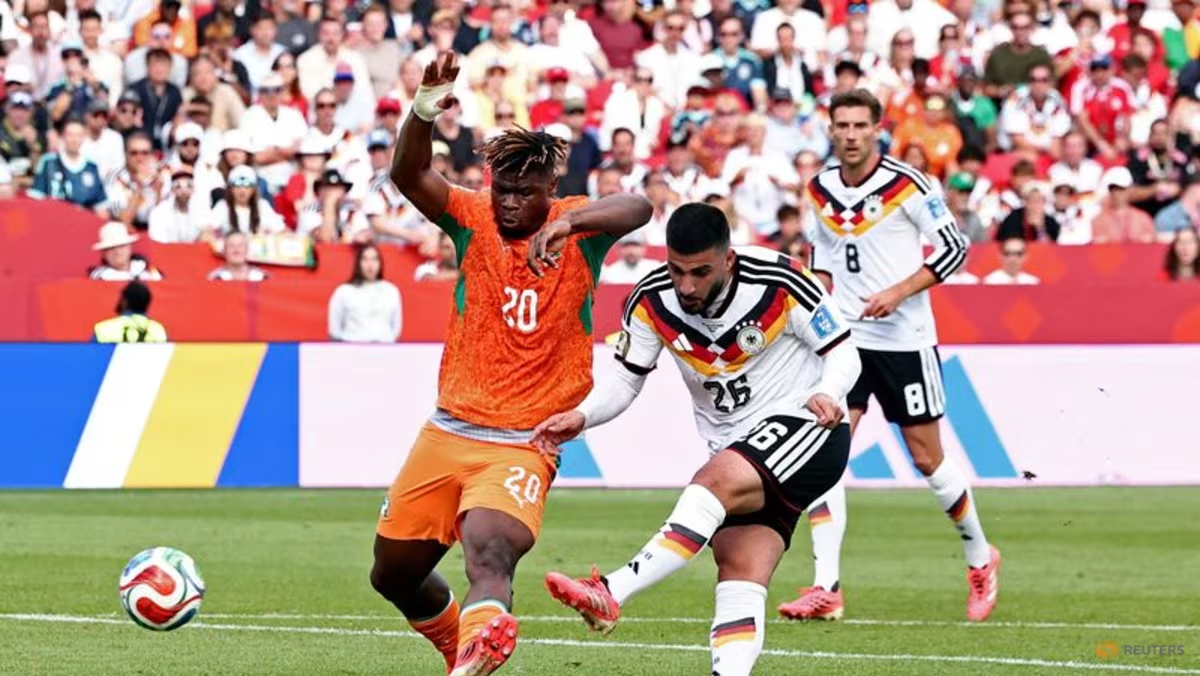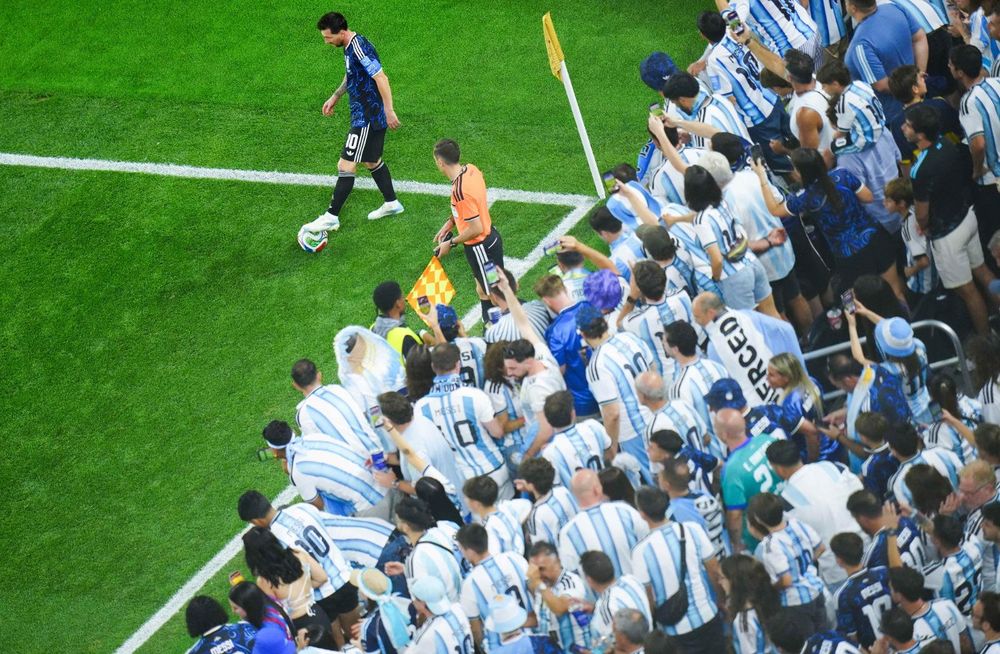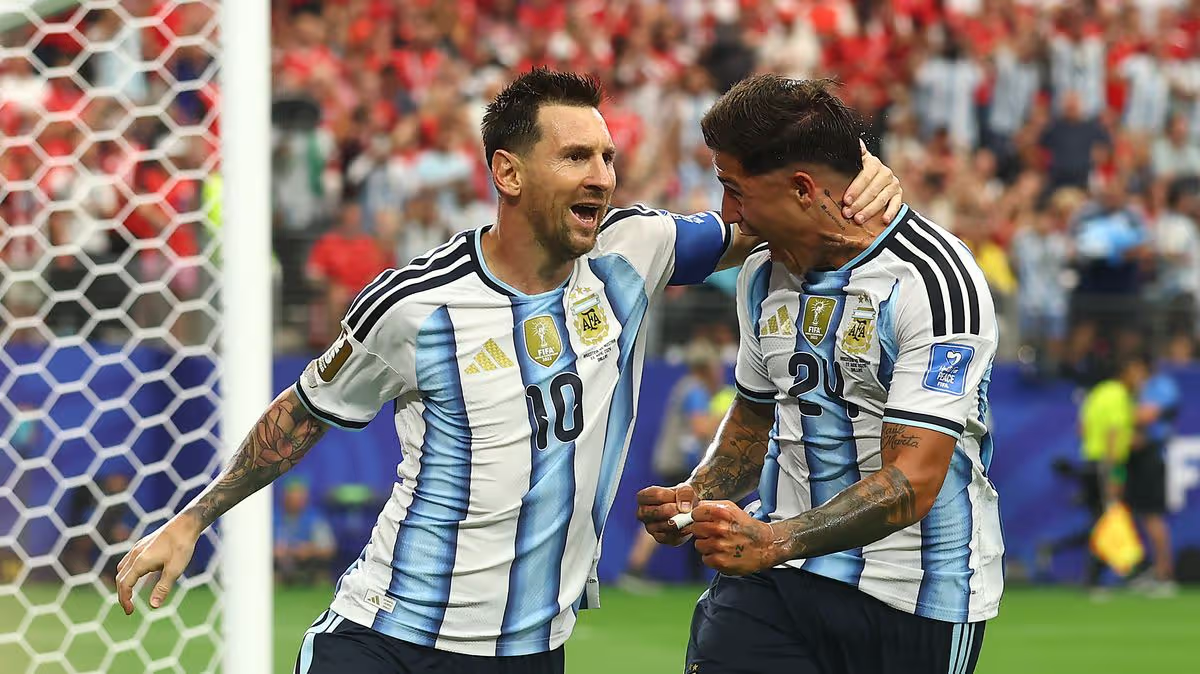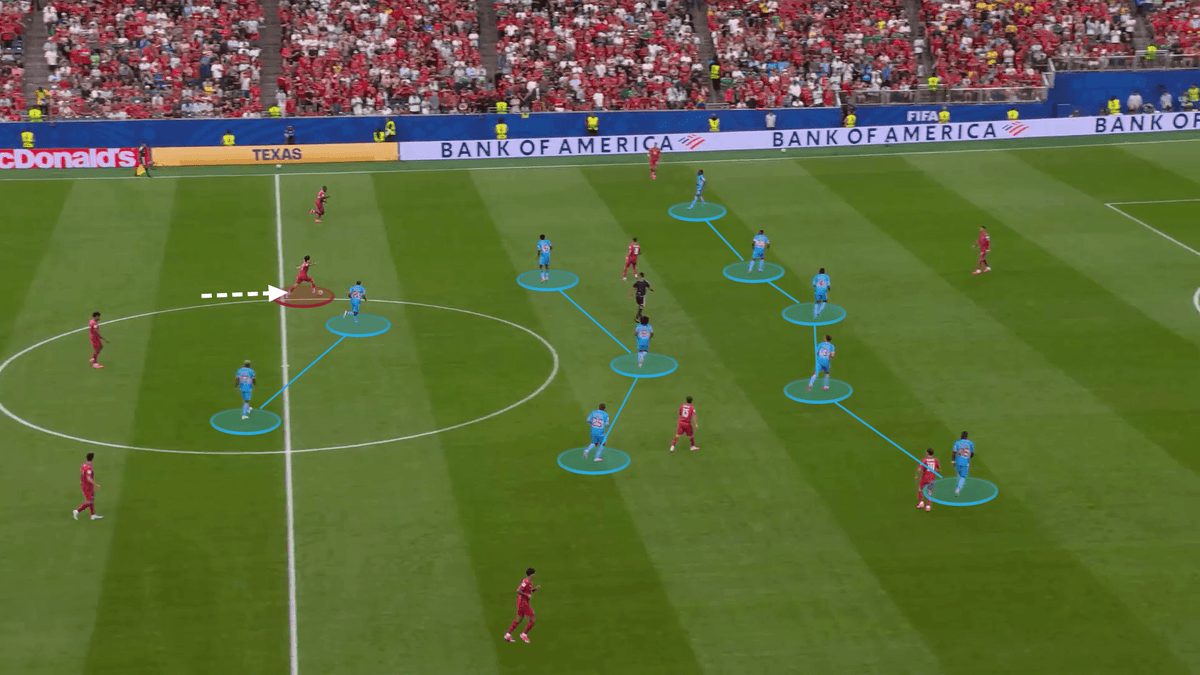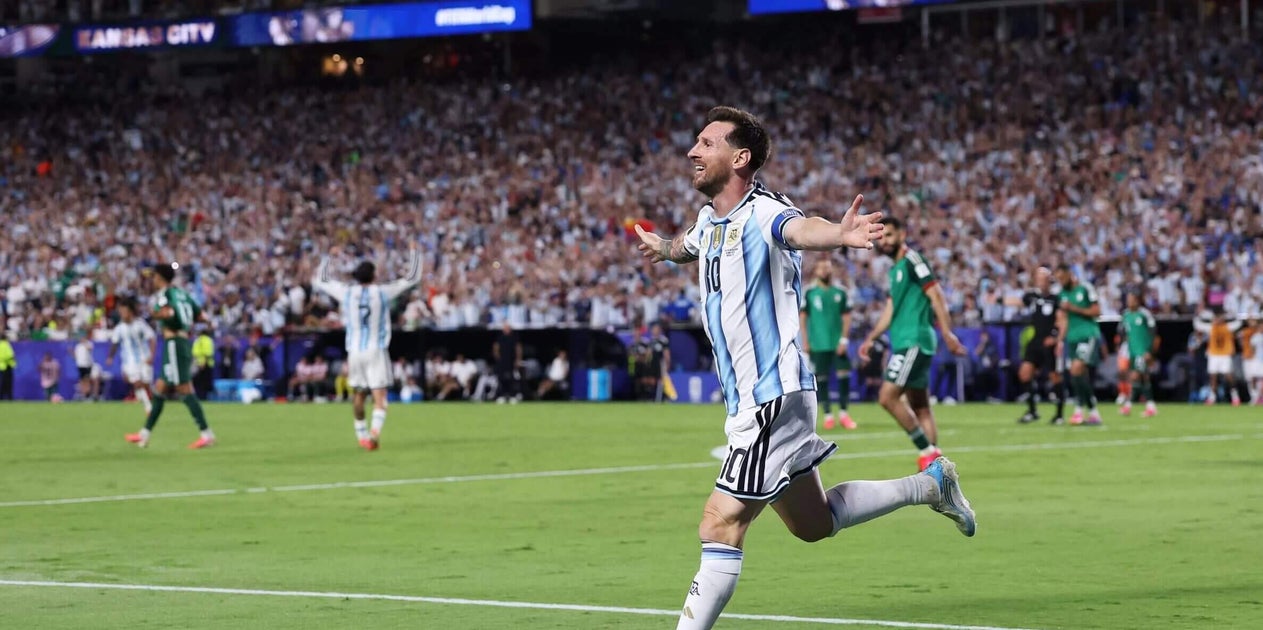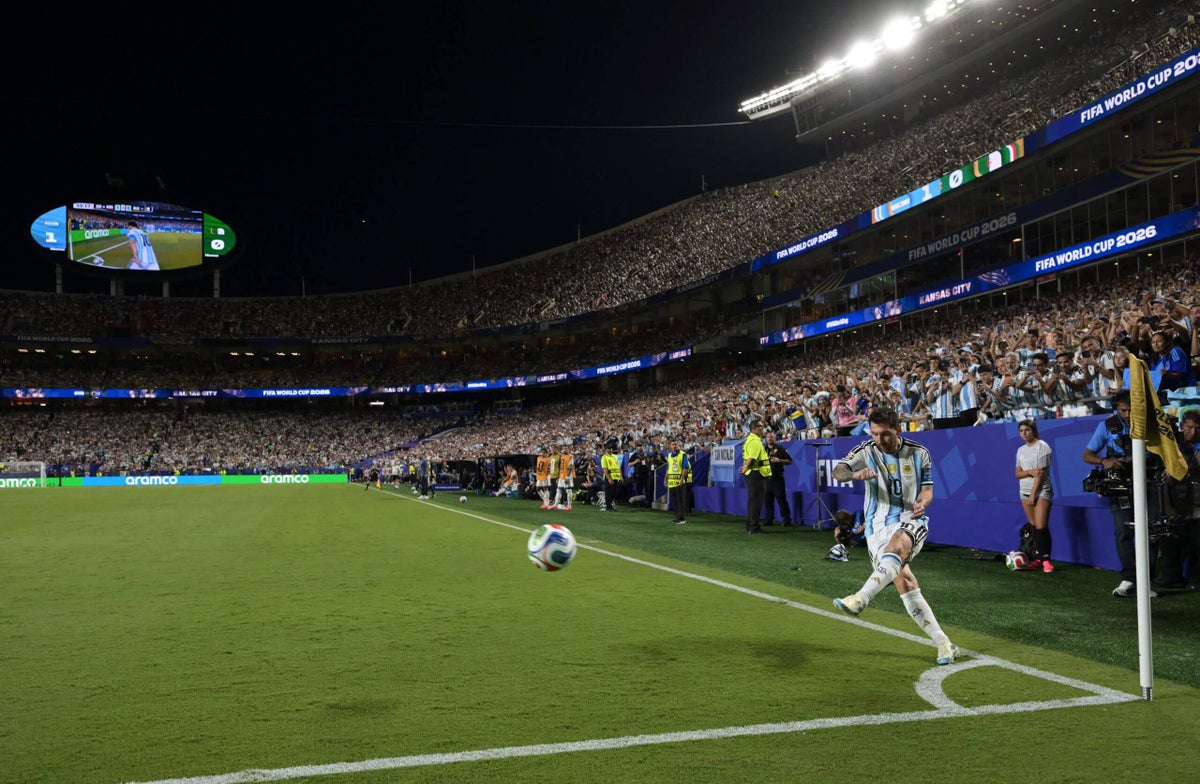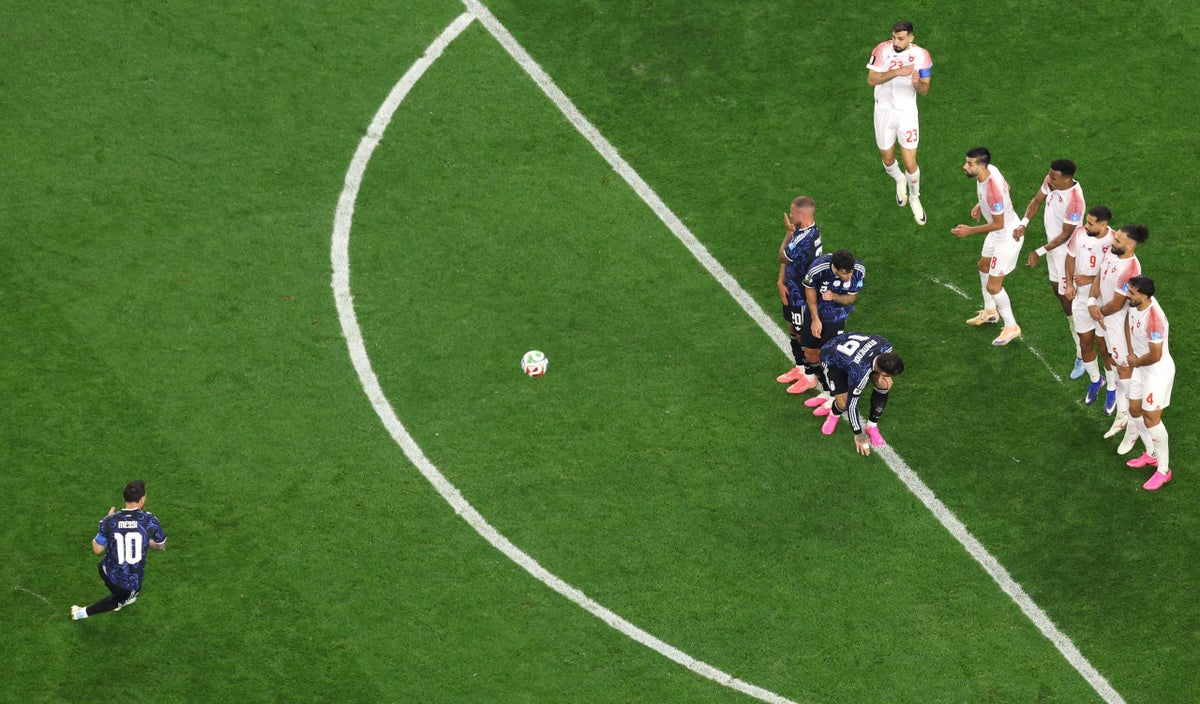
The group phase of the 2026 World Cup has officially come to an end, a blur of 72 games and 215 goals across 17 days, figures that have already eclipsed any other tournament in the competition’s 96-year history. Lucky for us, there are just a few hours to go until the knockout games begin.It has been difficult to keep up with everything that has emerged from the 12 groups, so allow The Athletic to give you a whistle-stop tour of the key themes.Get free access to the most comprehensive World Cup coverage in The Athletic appWhat’s with all the own goals?Own goals are part of football. A bit of bad luck can occasionally see a defender or goalkeeper turn the ball into their own net, but there has been a notable trend of concessions during this World Cup’s group stage.We have seen 12 own goals, matching the highest tally in the tournament’s history (12 in 2018), with the whole knockout phase still to come. Even adjusting for the expanded 48-team format, the rate in 2026 looks likely to reach unprecedented highs.Why might this be? The Athletic’s Michael Cox gave a detailed breakdown that walked through the tactical hypotheses, but there might be a more rudimentary explanation for this trend.The expanded tournament has largely been a success from the football side, but the gulf in quality between teams has been notable at times, with individual errors also rife in the early weeks of play. There have been some comedic actions — whether clumsy defending or erratic goalkeeping — and when you combine that with some of the most elite talent in world football, perhaps these sorts of mistakes are simply a byproduct of the game.Substitutes have impacted the gamesNever has a World Cup been more about utilising your whole squad.Substitutes were another key theme of the group stage, with 37 goals being scored by players coming off the bench. For context, that is already more than any full tournament since substitutes were first introduced at the World Cup in 1970.It is not just about subs scoring, but also how much they are impacting the state of the match when they arrive on the pitch — i.e. turning a losing game state into a draw, or a drawing game state into a lead. By this measure, we have seen 13 substitute goals that move the dial for their team — already more than at the World Cups of 2022 (11 goals) and 2018 (seven goals), and pushing the record of 17, achieved in the 2014 edition.Deniz Undav is the most notable player to influence a match in this way: having been sent on with Germany 1-0 down against Ivory Coast, his two late goals secured the three points. That makes him one of only six players to score two game-state-changing goals as a substitute in a World Cup since 1970.Not only do teams now benefit from an expanded 26-man squad (up from 23) and the use of five substitutions per match (previously three) — both introduced for the 2022 World Cup — but that opportunity to rotate has been relished over the past couple of weeks in the United States, Canada and Mexico.With the knockout stage now upon us, freshness off the bench is likely to be even more important, with sweltering summer conditions allowing head coaches to shuffle the pack more often during a game. So far, it has proven to be effective.Substitutions are more important than ever at this World Cup (Charlotte Wilson/Getty Images)Mixed fortunes in front of goalA cursory check on the Golden Boot race shows a certain Senor Lionel Messi leading the pack with six goals.The list makes for satisfying reading, with almost all of the tournament’s star players getting in on the fun — with Kylian Mbappe, Vinicius Junior, Erling Haaland, Harry Kane and Cristiano Ronaldo all scoring at least twice in their country’s three group games.Messi’s two goals against Austria took him above Miroslav Klose as the all-time World Cup goalscorer, while a free-kick finish against Jordan took his tally to 19, but the record might well be broken again before the tournament is over.Kylian Mbappe took his total to 16 World Cup goals with braces against Senegal and Iraq, meaning he is just three off the record Messi has taken five tournaments to achieve in his own third. At 27, Mbappe has time on his side for future editions, with it looking like a case of when, not if, he will be the outright leader in this metric.Tap-ins, penalties or driven shots from distance, the Frenchman has done it all on the biggest stage since 2018.At the other end of the scale, spare a thought for Turkey’s Kenan Yildiz.Turkey salvaged some pride by beating the United States in their third and last game, but profligacy in front of goal was their downfall as they were dumped out of the tournament at the bottom of their group.Sadly for Yildiz, he was the flag bearer for that wastefulness, as the player with the most shots (14) without scoring across the group stage. As shown below though, those opportunities were not exactly gilt-edged as Turkey fired blanks in their first two matches.An abundance of errorsThe World Cup can be an intimidating stage, and though it can catapult lesser-known names into the spotlight, it also brings pressure, the likes of which many players will never have experienced before.Mistakes and misjudgements come with the territory, but there has been a notable uptick in errors leading directly to opposition chances at this World Cup. Across the 72 group-stage games, there were 157 errors leading to shots — more than in the previous two editions combined.As we can see from the graphic below, this represents a huge leap from tournaments gone by, with the rate of over two errors per game being almost four times higher than at Qatar 2022.It all started just nine minutes into the tournament’s opening game, as South Africa’s Sphephelo Sithole was dispossessed on the edge of his own penalty area, allowing Julian Quinones to score for Mexico. Since then, Tunisia’s Ellyes Skhiri and two of Iraq’s three goalkeepers have made costly mistakes leading directly to goals.Part of the explanation may lie in the World Cup’s expansion. We have already seen 30 games at this tournament in which at least 30 FIFA ranking spots separate the two sides, after only 12 in 2022. Underdog sides have generally attempted to build up methodically with the ball, but any lapses of concentration have been ruthlessly punished by attackers who press hard and counter-attack quickly.It tallies that among the teams who have made the most errors leading to goals, Tunisia (6), Haiti (3) and Iraq (3) have all faced some of the world’s most terrifying transitional forwards, with Viktor Gyokeres, Erling Haaland and Mbappe all profiting from lapses of concentration by those sides.Erling Haaland capitalises on a mistake against Iraq (Justin Setterfield/Getty Images)Maybe those sky-high figures will slow as the knockout stage gets rolling, but nobody is immune to the pressure of a World Cup.Skewed attacks? Pitch thirdsTeams are increasingly looking to the flanks to move the ball forward at the World Cup. In the 2022 tournament, a record low 16 per cent of all final third entries came via the central channel, a figure that has barely changed this time around.It comes as more national sides look to dominate possession and territory close to the opposition penalty area. The natural defensive reaction has been to compress the space between your midfield and defence, and to block out the centre — the most valuable route to goal — and so affording the other team space out wide.Portugal are one of those elite sides who have been frequently directed around the block rather than through it. Through flying full-back Nuno Mendes down the left, they have an attacking outlet with pace to burn who mixes up his runs well, while Joao Cancelo has the technical ability to find runners with crosses into the box.As we can see from the visualisation below, both are skilled at carving a path towards goal, along with tricky wingers Pedro Neto and Francisco Conceicao.It is not just possession-dominant sides who are increasingly funnelling their attacks out wide. Several teams are building with three centre-backs, pushing the full-backs high and wide to receive searching passes and switches of play.Throughout their cagey encounter with Paraguay, which ended goalless, Tony Popovic’s Australia were heavily skewed to one side as they tried to set adventurous wing-back Jordan Bos away, with support from roaming No 10 Cristian Volpato nearby. The Socceroos are the side with the highest proportion of final-third entries down a single channel, with around 50 per cent of their attacking moves developing down the right.Who is the bravest attacker?Let’s conclude this data notebook with a flick through some leaderboard numbers from the group stage.Using FIFA’s data platform, we can look beyond the simple statistics and explore which player logged the most sprints across the opening three games — Morocco’s Ismael Saibari with 220, for those wondering.Given the tricky climatic conditions in some host cities, one noteworthy metric is looking at which players are intelligently positioning themselves to receive passes in the most dangerous areas of the pitch. In a tournament of mid- and low blocks, the easy passes are side to side — trying to go around the opposition’s structure rather than through it.So, a glance at the players who frequently look to receive the ball between the other team’s midfield and defensive line is a good proxy for their on-ball intent and attacking bravery. For those of you who are visual learners, this is the sort of pass we are referring to.The man with the most receptions between the lines is Sweden’s Gyokeres. Typically thought of as the battering ram who runs in behind to stretch the play, the Arsenal striker looks to be playing more of a linking role for his country — dovetailing more with fellow front man Alexander Isak as coach Graham Potter looks to find the best combination in attack.With more football packed into a World Cup group stage than ever before, it is an opportunity to reflect and be grateful for some of the relentless entertainment we have witnessed in these opening 17 days.As we enter the knockout phase, the trends of the tournament are only going to crystallise further.
World Cup group stage analysis: Impactful substitutes, own goals and a steep rise in mistakes
The Athletic's data writers break down the key findings now the tournament's first phase has drawn to a close
1,727 words~8 min read