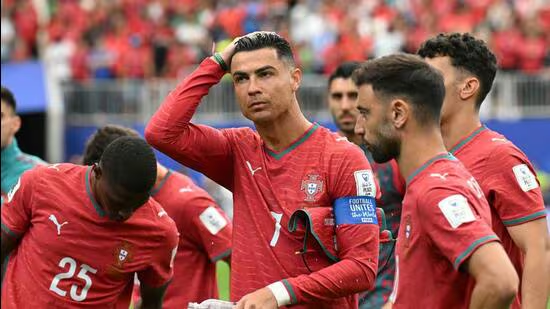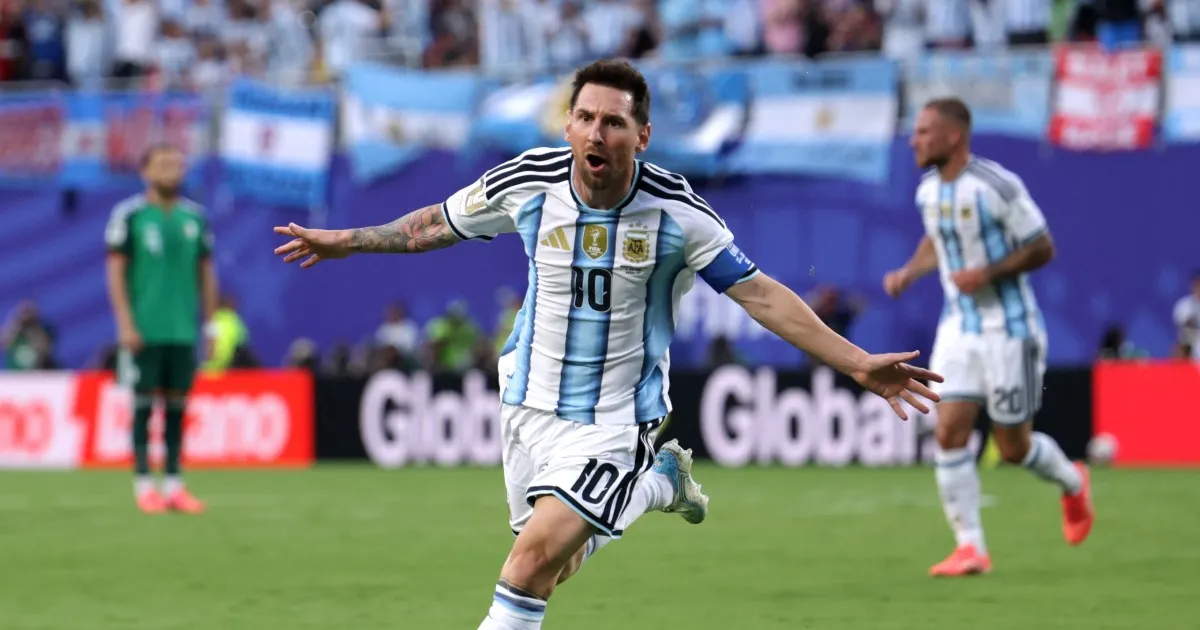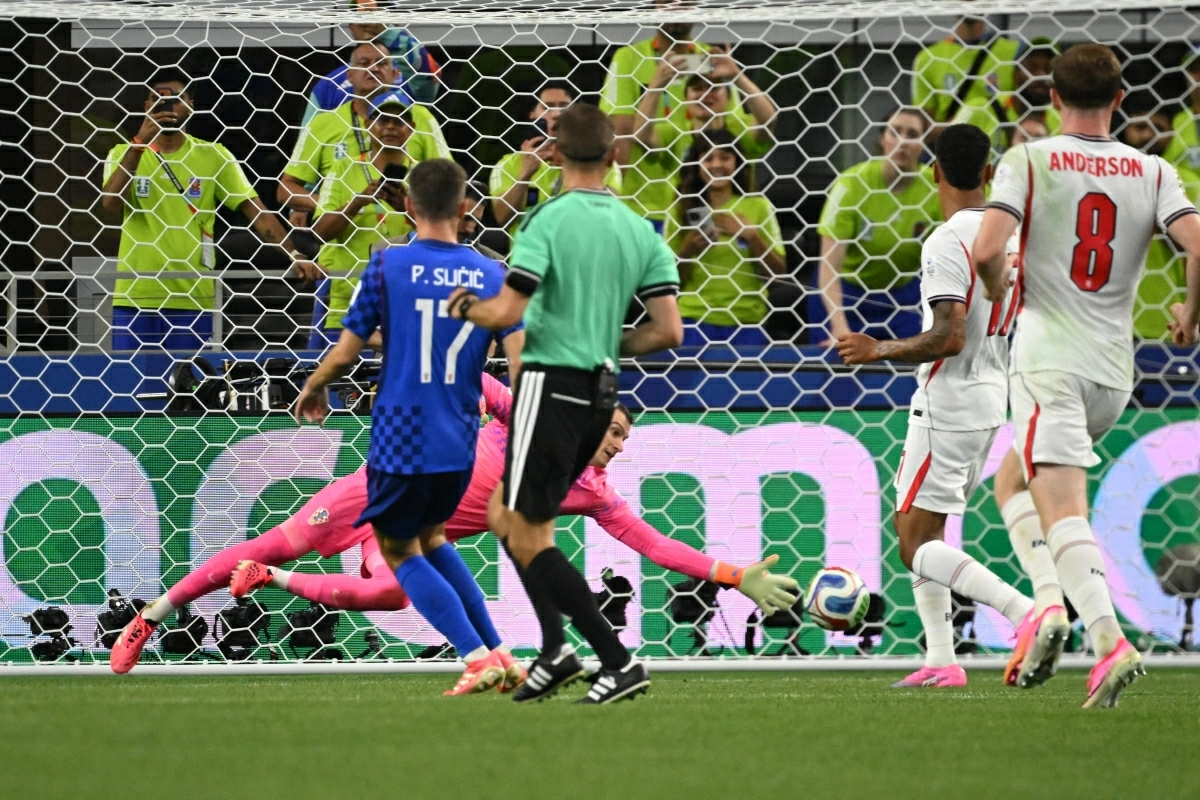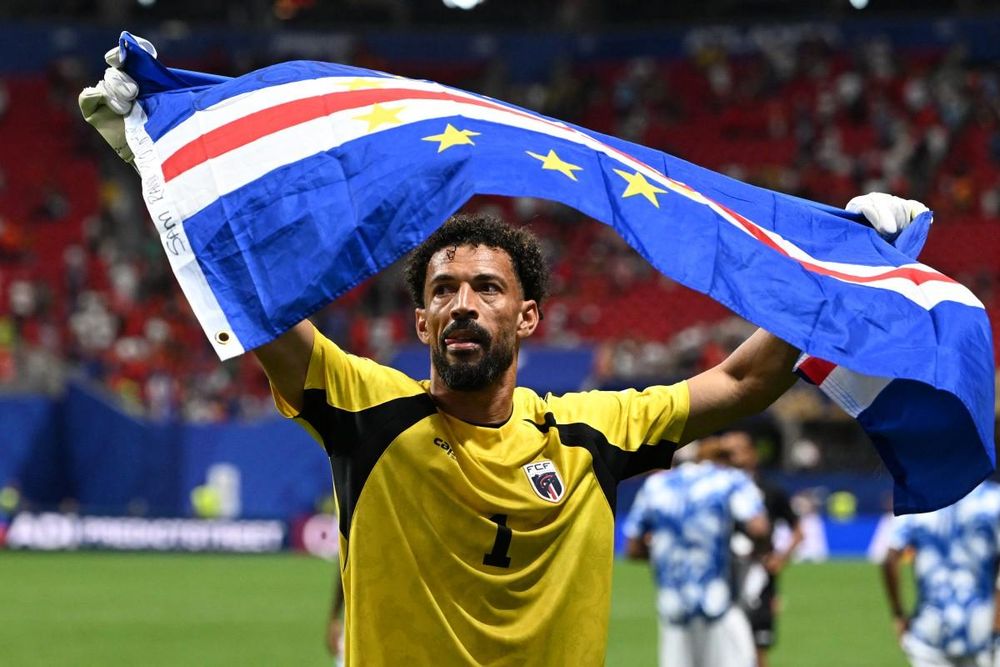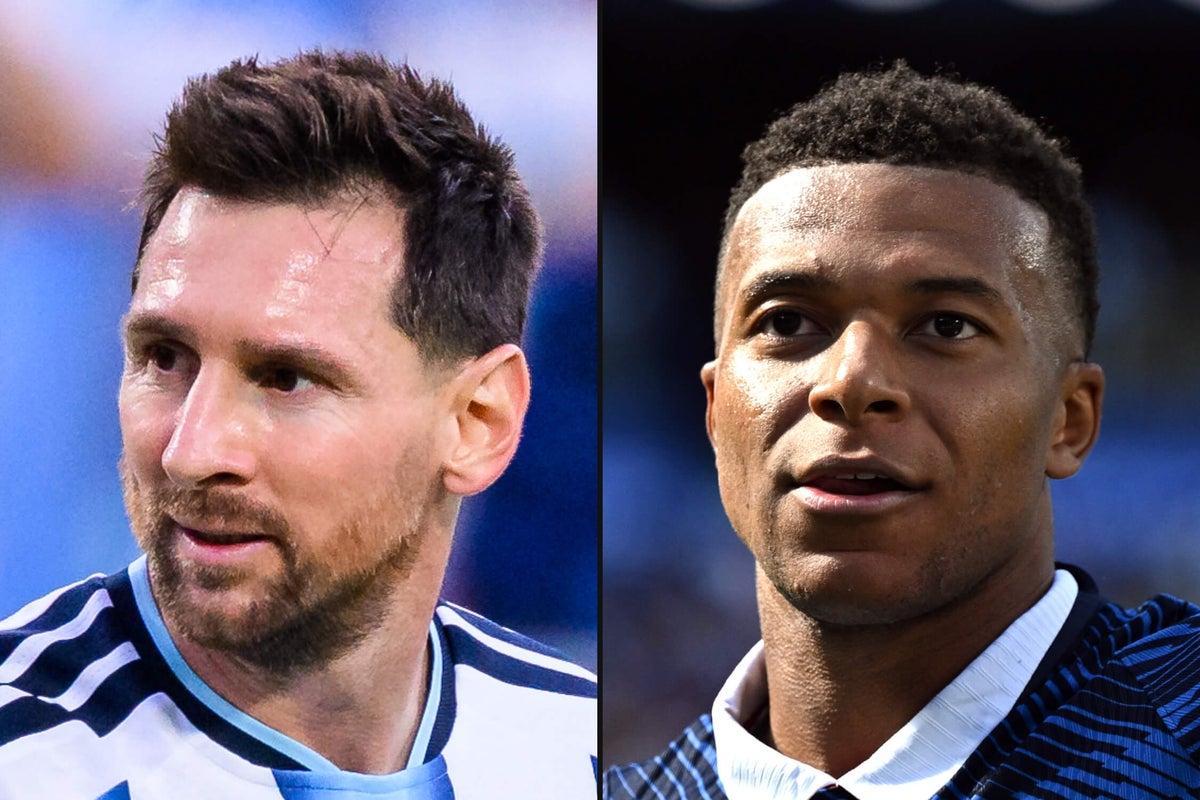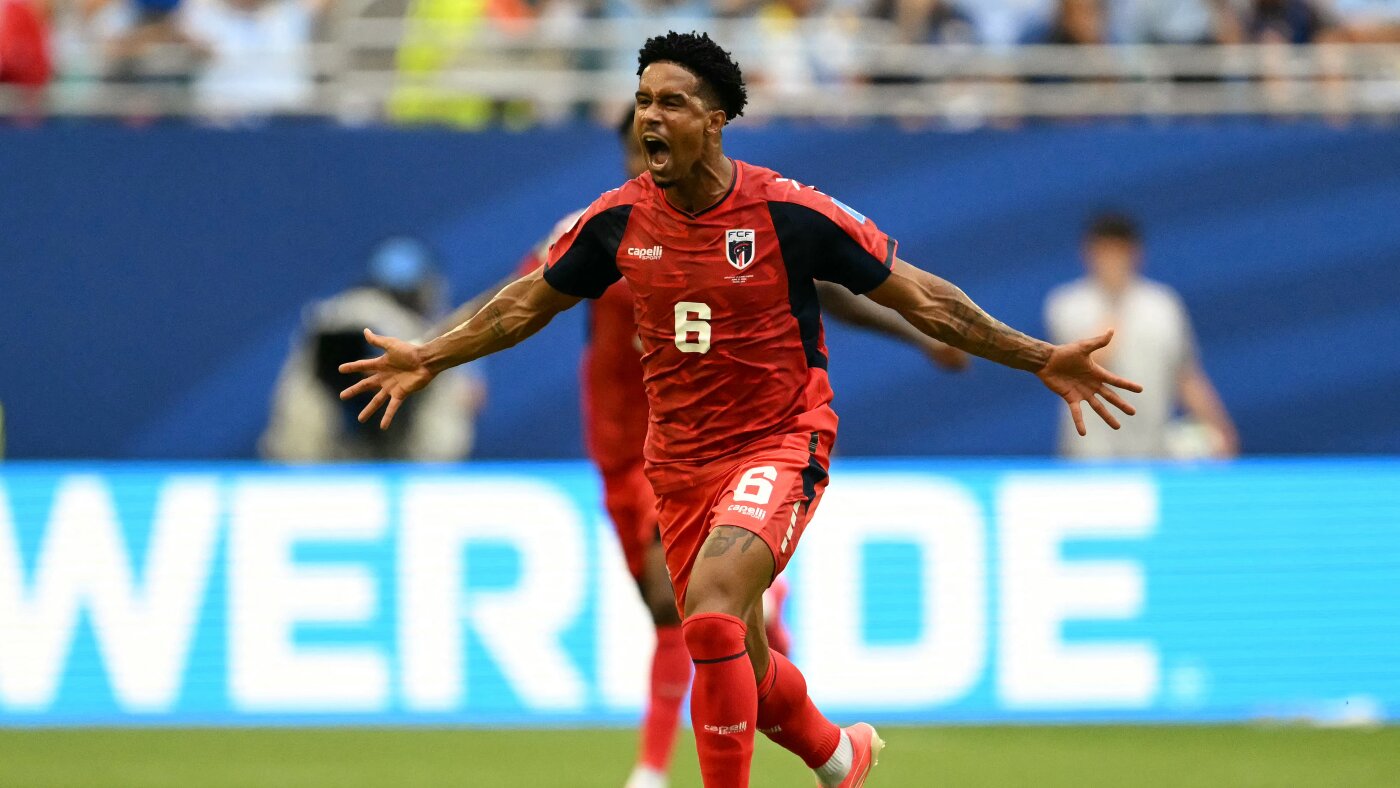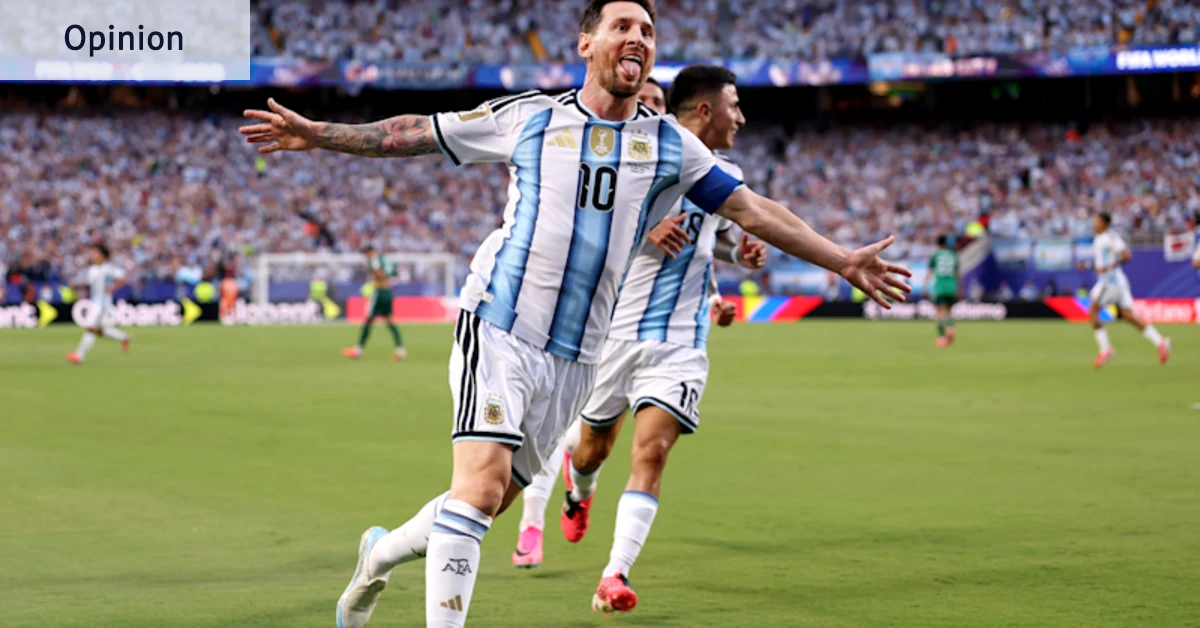
OpinionNick RalstonDeputy Editor and Investigations EditorJune 19, 2026 — 7:30pmJune 19, 2026 — 7:30pmThe expanded tournament might just workIt has been a thrilling start to the World Cup. It is still very, very early, but it would appear that expanding the tournament from 32 to 48 teams has not diluted the excitement nor the quality of football expected at this level.Sure, big guns like Argentina, France and England have looked very good, but did anyone have New Zealand v Iran circled as an end-to-end thriller when the draw came out? It was one of the games of the tournament so far.There have also been plenty of goals – 75 in the first 24 games, at an average of 3.1 per game – the highest since the 1958 World Cup.The only scoreless draw came in what was arguably the tournament’s biggest shock result so far − as minnows Cape Verde managed to pick up a point in their first-ever World Cup game, playing tournament heavyweights and 2010 champions Spain.The first round saw one scoreline blowout – Germany winning 7-1 over Curacao – but when Livano Comenencia scored within 21 minutes, giving the tiny Caribbean island with a population of 158,000 its first World Cup goal, it was a real milestone.Lionel Messi celebrates after scoring the first of his three goals against Algeria.Getty ImagesThe big stars are firing earlyIn one unforgettable day, we had three of the absolute megastars of the tournament – Kylian Mbappe, Erling Haaland and Lionel Messi – each scoring multiple goals across three separate stadiums.Mbappe’s brace made him France’s all-time leading goalscorer while Haaland, who also got a double, announced his long-awaited arrival at the World Cup in style.But the real highlight was Lionel Messi outshining the youngsters, when the 38-year-old scored his first-ever World Cup hat trick. He also equalled German Miroslav Klose’s record for the most goals scored in men’s FIFA World Cup history, with 16, and will go into his next game against Austria – two days before his 39th birthday – trying to claim the record outright.England’s Harry Kane followed up the next day by netting twice against Croatia, joining the others and Germany’s Kai Havertz and Folarin Balogun (both on two goals) in the race for the Golden Boot.Some of the favourites have work to doSpain and Portugal put in the two most disappointing performances of the tournament. For Spain, it was that incredible match against Cape Verde where the European champions struggled to find a way through the African island nation’s brave defence.For Portugal, the tournament’s other big (ageing) superstar, Cristiano Ronaldo, failed to make an impact as his side drew 1-1 with DR Congo.Cristiano Ronaldo looks on as his Portugal side struggle to a 1-1 draw with Congo.AP Photo/Ashley LandisIt was Ronaldo’s 10th World Cup match without a goal, with all three of his shots well off target. The 41-year-old also registered the fewest touches by any Portuguese player who played more than 45 minutes, in a rather insipid showing.Portugal next face Uzbekistan while Spain will play Saudi Arabia.The hydration breaks have got to goFIFA likes to talk about how football unites, and one thing uniting all fans at the 2026 World Cup is anger at the introduction of “hydration breaks”. The three-minute pause in the middle of each half has turned soccer into a game of quarters while allowing broadcasters to cut away to advertisement breaks.FIFA says the breaks were introduced to help deal with the heat and humidity of the North American summer, but critics say they are killing the flow of the game. The breaks were met with loud boos inside the stadium at England’s clash with Croatia.The Socceroos could enter uncharted watersFrom our partners
More teams, more goals, more fun: How World Cup exceeded expectations in its first week
All 48 teams have now played a match at the tournament, and already there are some big takeaways from the opening week. Here are five things we learnt.
617 words~3 min read