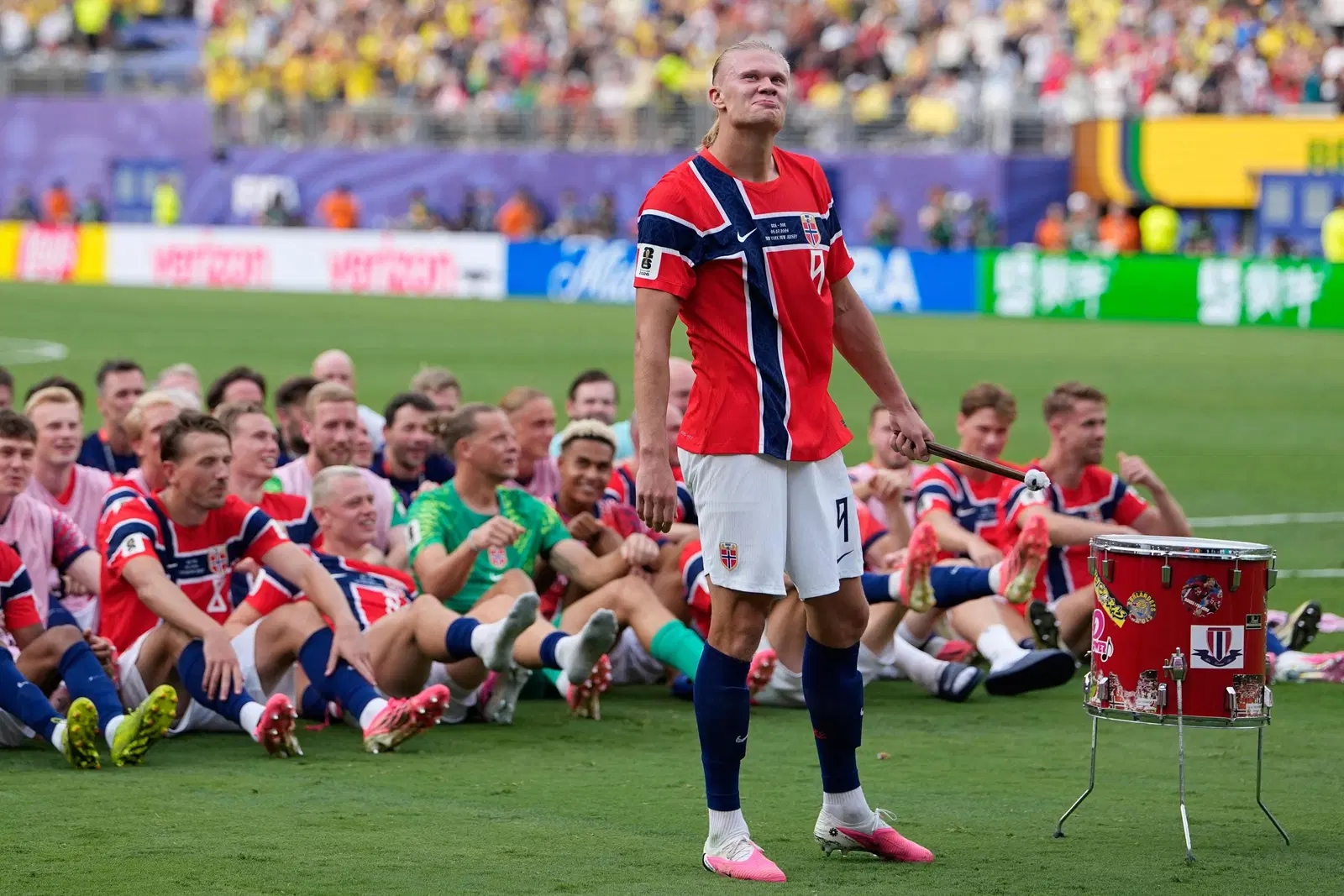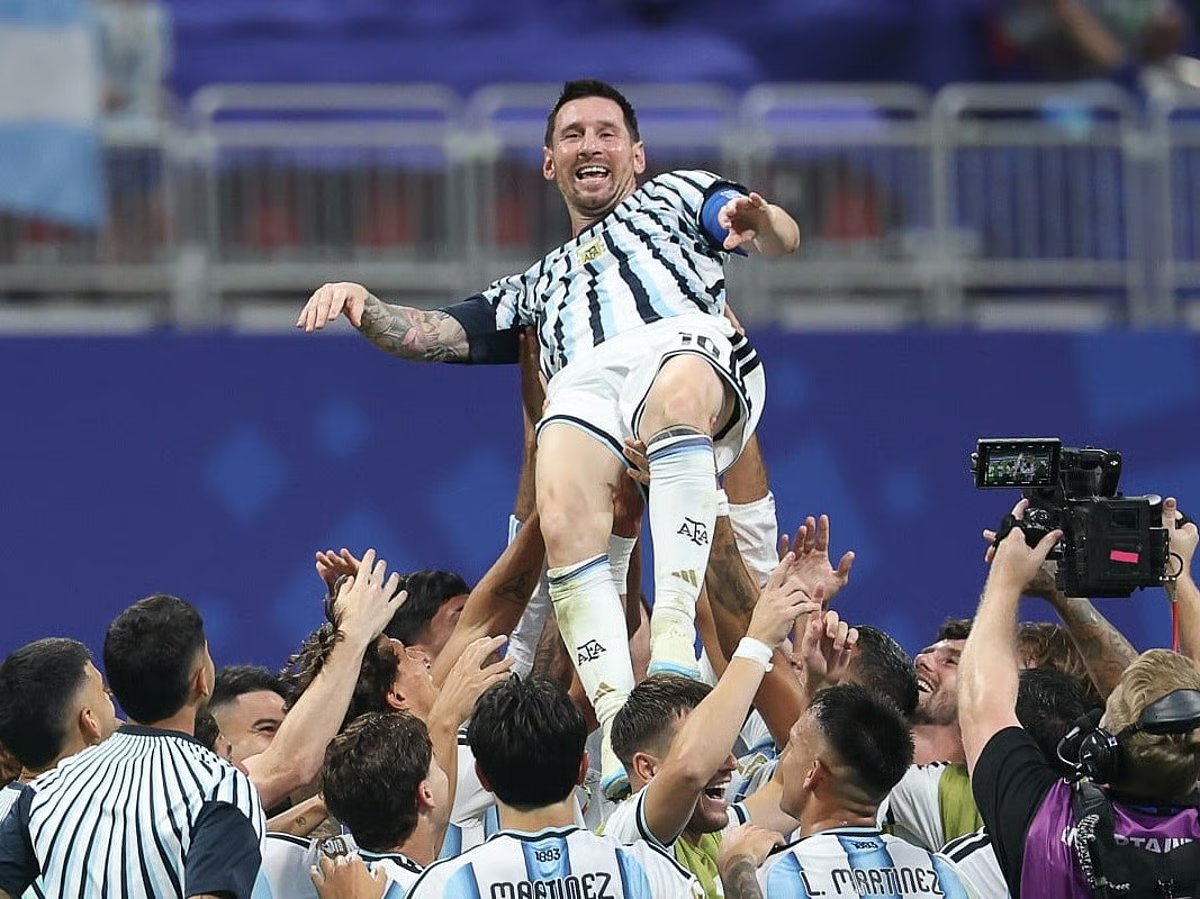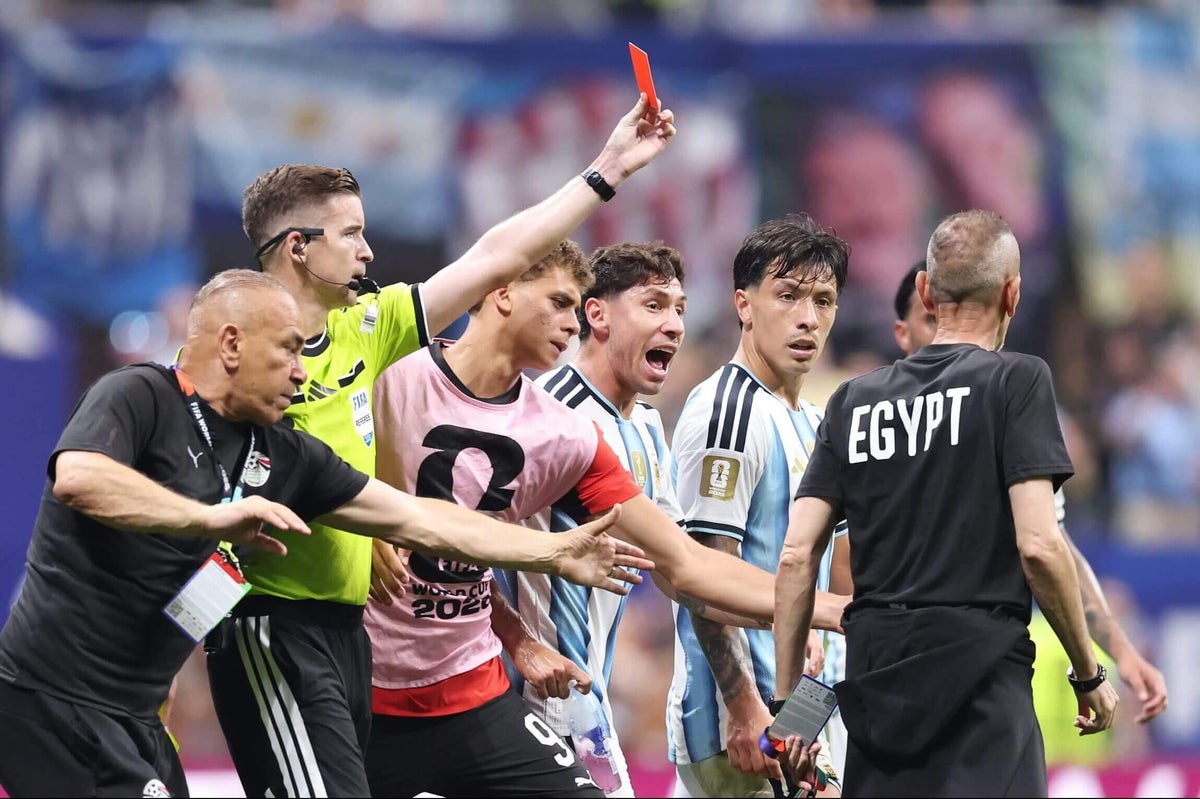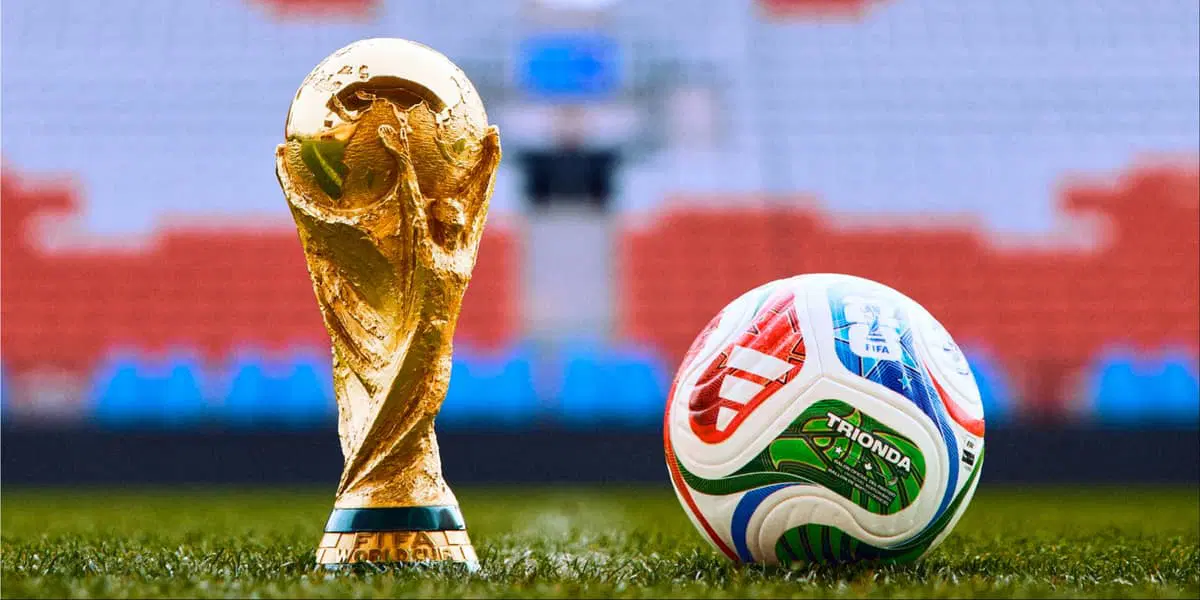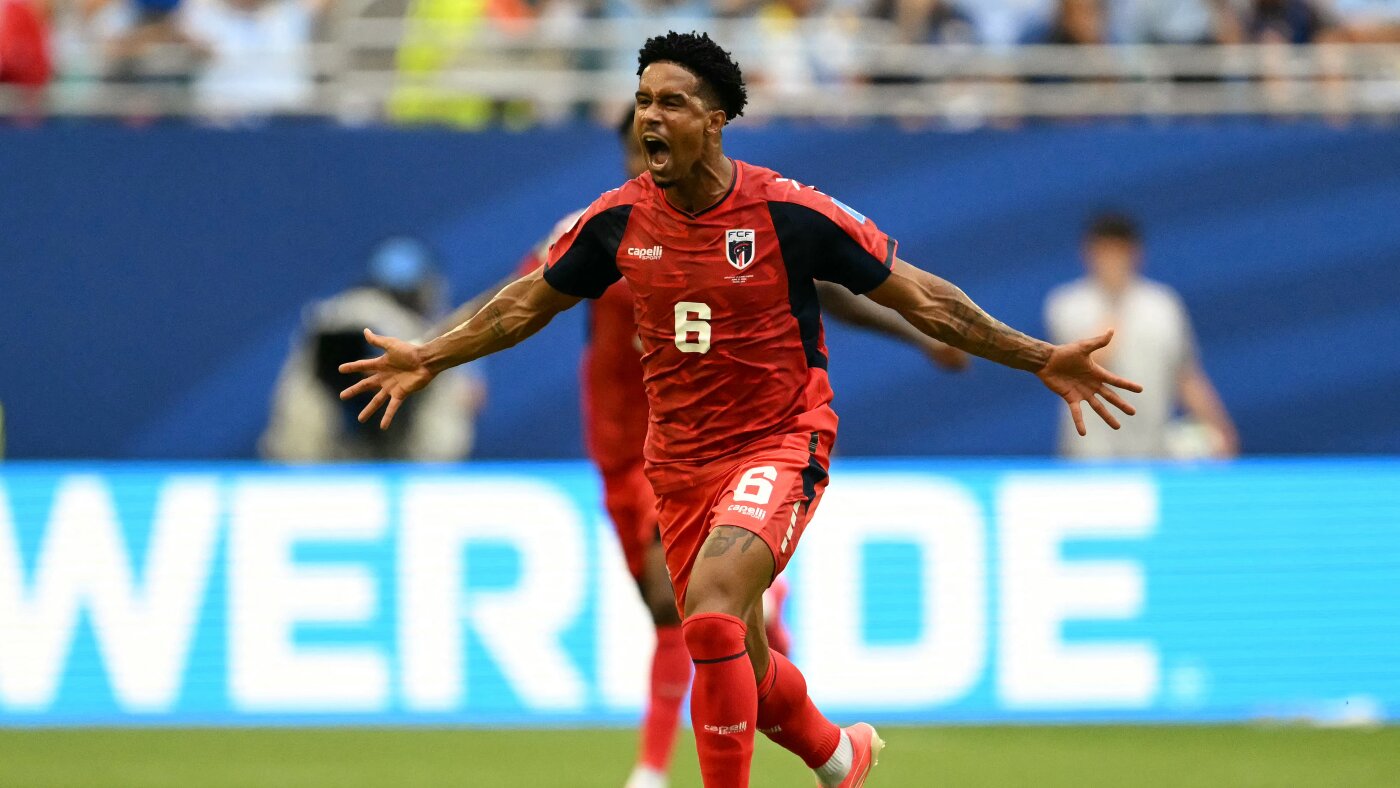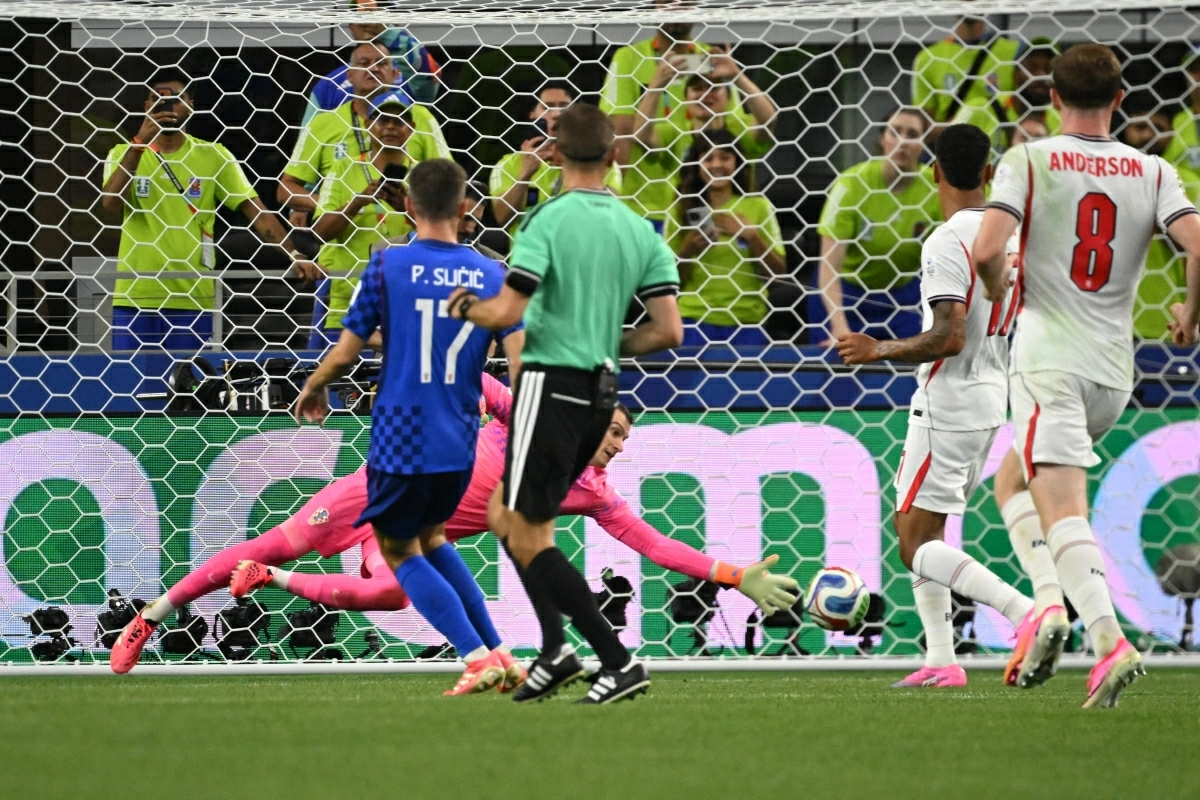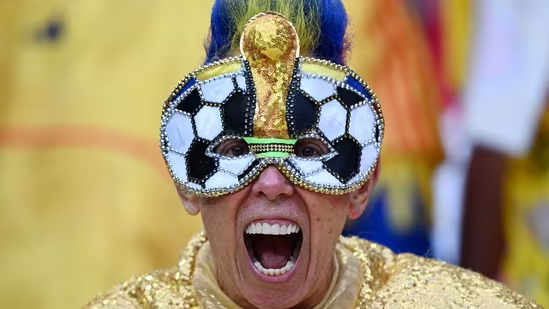
Some tournaments take a few rounds to find their rhythm. This one hasn’t needed the time. From the opening whistle of the expanded 48-team format, the 2026 World Cup has delivered upsets, statement wins, and a knockout stage that refuses to settle into anything predictable. For anyone who’s followed the buildup, the tournament so far has more than justified the anticipation.
A Bigger Stage, A Bigger Field
Expanding the World Cup from 32 to 48 teams was a significant structural change, and its effects are showing up everywhere. More nations qualifying meant more variety in styles and story lines from the very first match day, and the longer group stage gave lesser-fancied sides room to find form rather than get eliminated on a single bad night. That extra cushion has cut both ways. Some traditional powers, including Germany and the Netherlands, were knocked out earlier than expected, unable to build the momentum the format was designed to protect. Others, like Morocco, Colombia, and Norway, have used those extra matches to peak at exactly the right time, grinding through tight games and arriving in the knockout rounds sharper than teams that cruised through easier draws.
The Host Nations Delivered an Atmosphere Unlike Any Other