The transmission infra must keep pace with growing power generation
| Photo Credit:
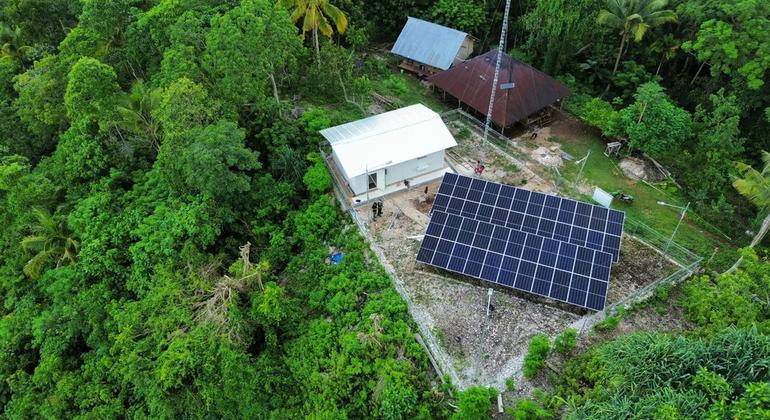
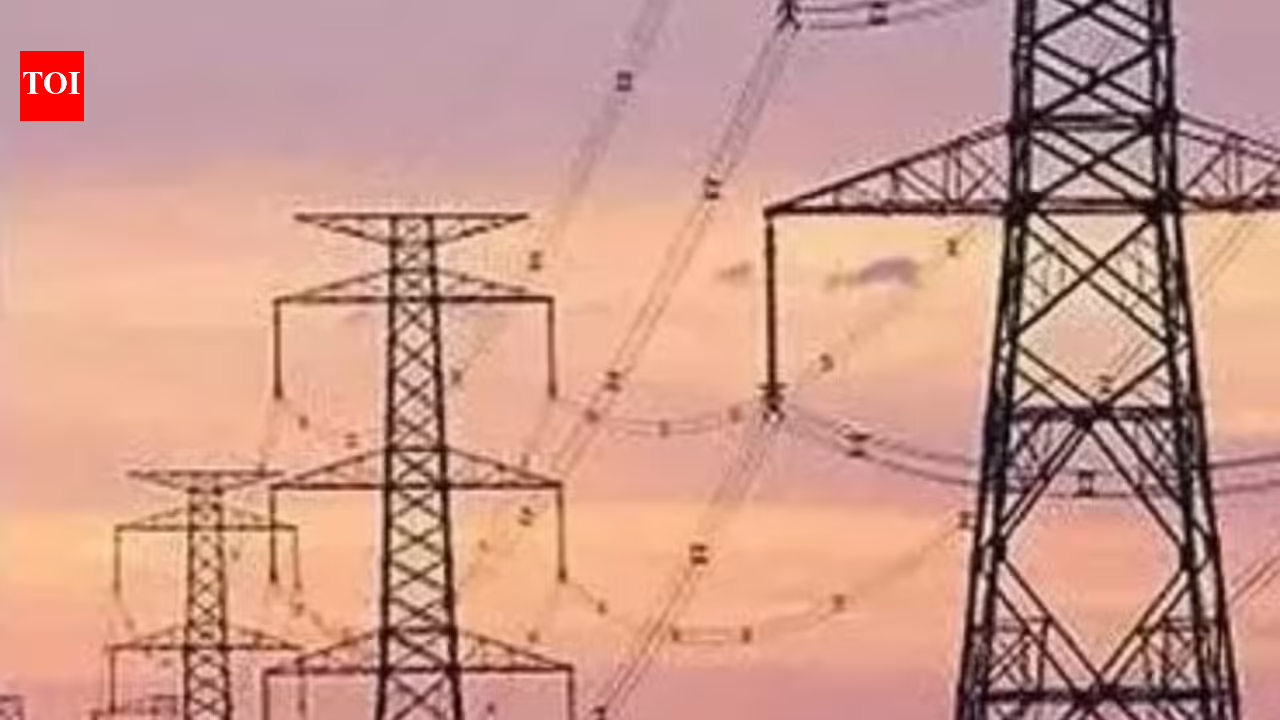
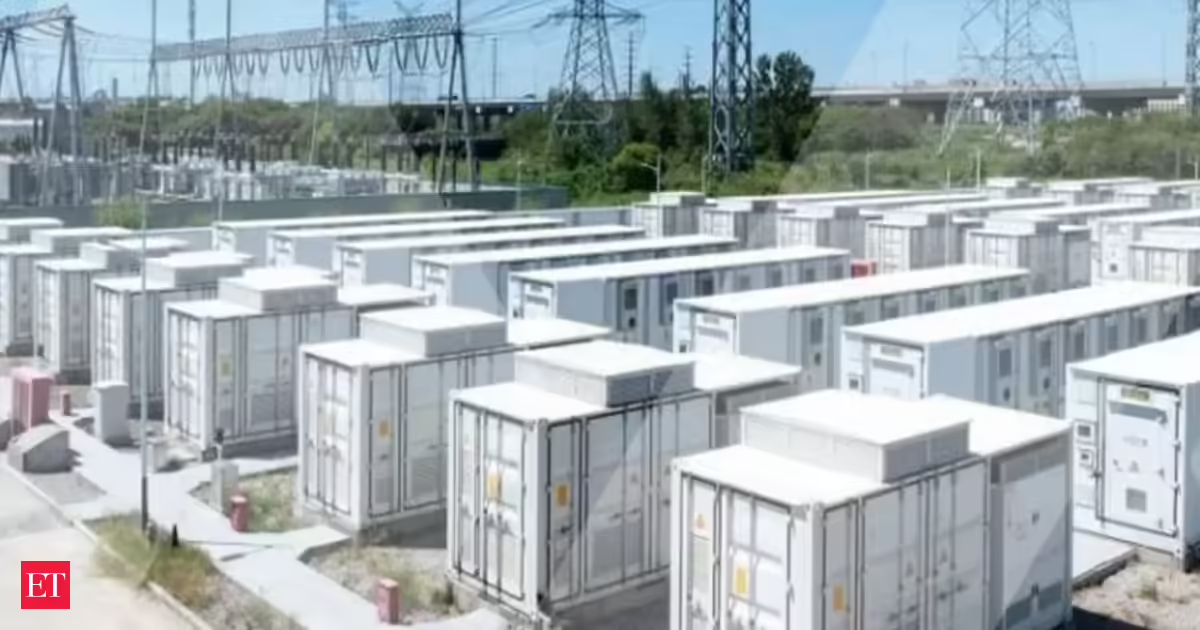
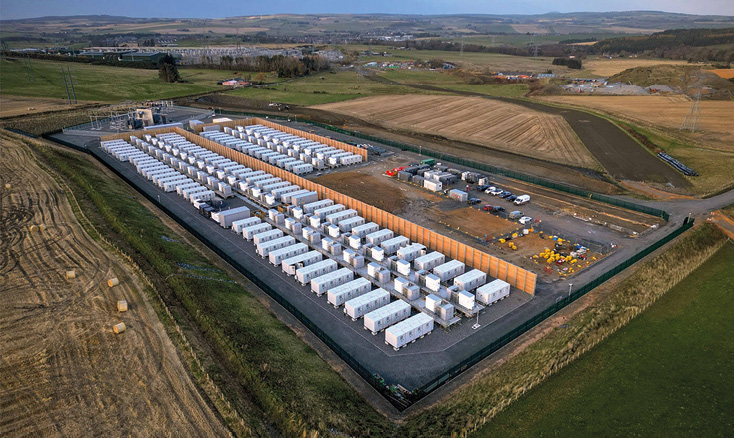
Building a clean, reliable, flexible, secure, and resilient grid is an urgent national priority that policy makers cannot put off.Earlier this month, the Consultative Committee for the Power Ministry met with a focus on “Grid Stability”. Grid stability now has become more important because the country has achieved a massive, rapid influx of intermittent renewable energy that the legacy power transmission infrastructure was not built to handle. Besides, the mushrooming of data centres and semiconductor industry require a stable grid.The Committee deliberated upon the emerging requirement of grid stability in view of the growing electricity demand, large scale renewable energy integration and increasing share of inverter-based generation resources and bulk loads.With India surpassing 500 GW of capacity and over half from low-carbon sources, the challenge now is managing grid congestion and curtailment in resource-rich States. Deploying Battery Energy Storage Systems (BESS) is now non-negotiable to absorb this surge, stabilise the grid, and shield Independent Power Producers (IPPs) from market volatility.However, policy frameworks must address a clear bankability gap to enable this.Energy securityIn fact, the Committee had also noted that grid stability was central to energy security and crucial to India’s clean energy transition.The measures taken so far include resource adequacy planning, ancillary services, energy storage promotion, deployment of STATCOMs and synchronous condensers, PMU-based monitoring, black-start mock drills, and strengthening of technical standards, but critics feel they may not be enough.The Committee noted the industry-wide recognition of grid stability challenges, specifically the mismatch between volatile demand, shifting energy mix, and inadequate expansion of transmission and distribution infrastructure.The renewable energy shift will lead to surplus power in the country, and inadequate transmission capacity poses problems to grid stability and backing down of thermal power.IPPs favour international BESS technologies due to a significant evidentiary gap as global suppliers offer a decade of multi-GW operational data for long-duration systems. Critics argue that since RE enjoys must-run status, in order to purchase this power under PPAs in force, thermal power is being backed down.At the same time, distribution utilities have been forced to purchase power in the market and through exchanges to meet peak deficit due to imbalance between demand curve and power mix. Unless there is adequate demand, surplus power cannot be supplied and RE is not supposed to be backed down.At the Committee meeting, issues such as avoiding mismatch between commissioning of transmission lines and RE generation projects to avoid curtailment; Promoting pumped storage projects for long-duration storage to ensure resource adequacy and provide inertial support; Encouraging suitable bulk consumers closer to large renewable generation complexes to optimise transmission investments; Planning and deployment of equipment such as STATCOMs and synchronous condensers for voltage stability and system strength support, were discussed.Besides these, establishing suitable regulatory and commercial mechanisms to harness services from renewable energy sources and storage systems; periodic and timely review of technical standards for new technologies such as battery energy storage systems, grid-forming inverters, electrolyzers and data centre loads; strengthening compliance monitoring through periodic self-audit and compliance reporting by grid-connected entities, were also deliberated.Enhancing grid resilience through strengthening of transmission and distribution infrastructure in weather-prone corridors, maintaining emergency restoration systems and augmenting black-start capability for faster restoration and developing a suitable framework for power quality and harmonics assessment in view of increasing penetration of inverter-based resources were also considered.The challengesM Venugopala Rao, an independent expert actively involved in policymaking in Telangana and Andhra Pradesh, recently said that declaring targets and timelines for addition of RE generation capacities and issuing directives to States to achieve them under Renewable Purchase Obligation, and need for maintaining balance between fluctuating demand curve and power mix were posing problems to the grid stability.If the transmission capacity is less than supply, it leads to increase in grid frequency and need for curtailing supply of power and vice versa.With 256 GW peaks being met and 500 GW non-fossil by 2030 in sight, the grid is stable for now. But the real stress test will begin five years from now because solar and wind don’t behave like coal.While India is prepared in aspects like operation control and real time management, One nation One Grid and other aspects, where it is lagging is in handling the Duck Curve gap, which is the widening of daily supply-and-demand mismatch that happens in electricity grids with high amounts of solar power.There are transmission bottlenecks and State level readiness. The need is for a realistic estimate of demand growth, availability of power under PPAs, ensuring equilibrium between fluctuating demand and power mix. Only when the entire value chain is aligned will there be grid stability.Published on June 24, 2026