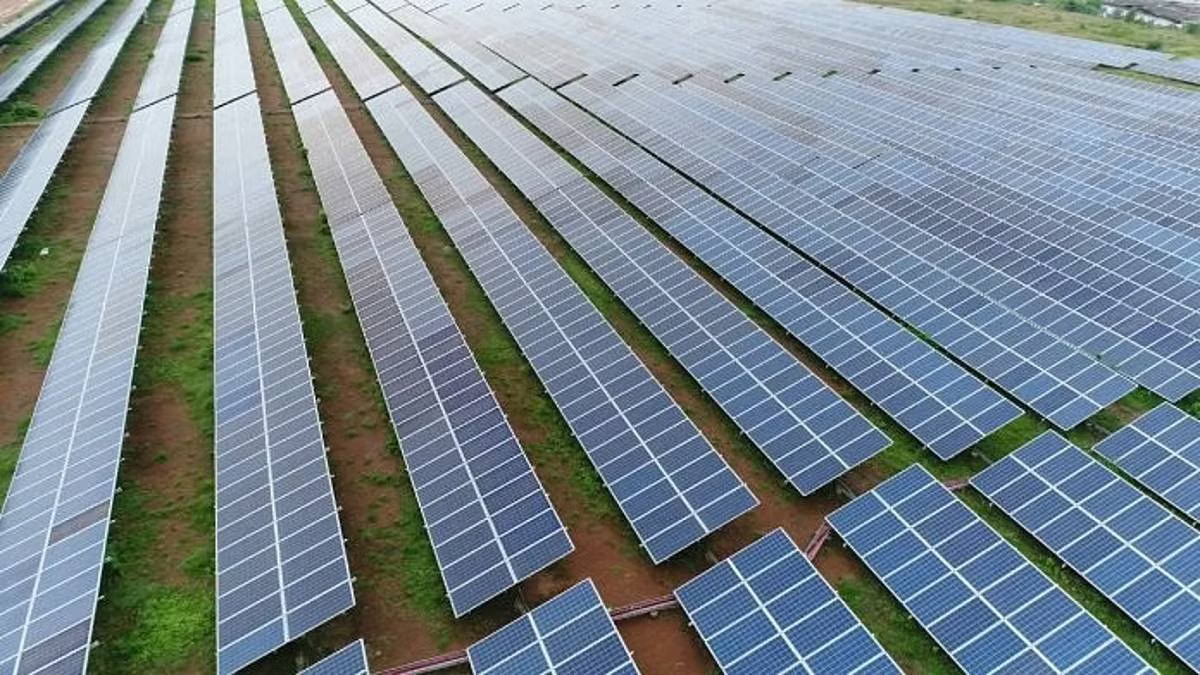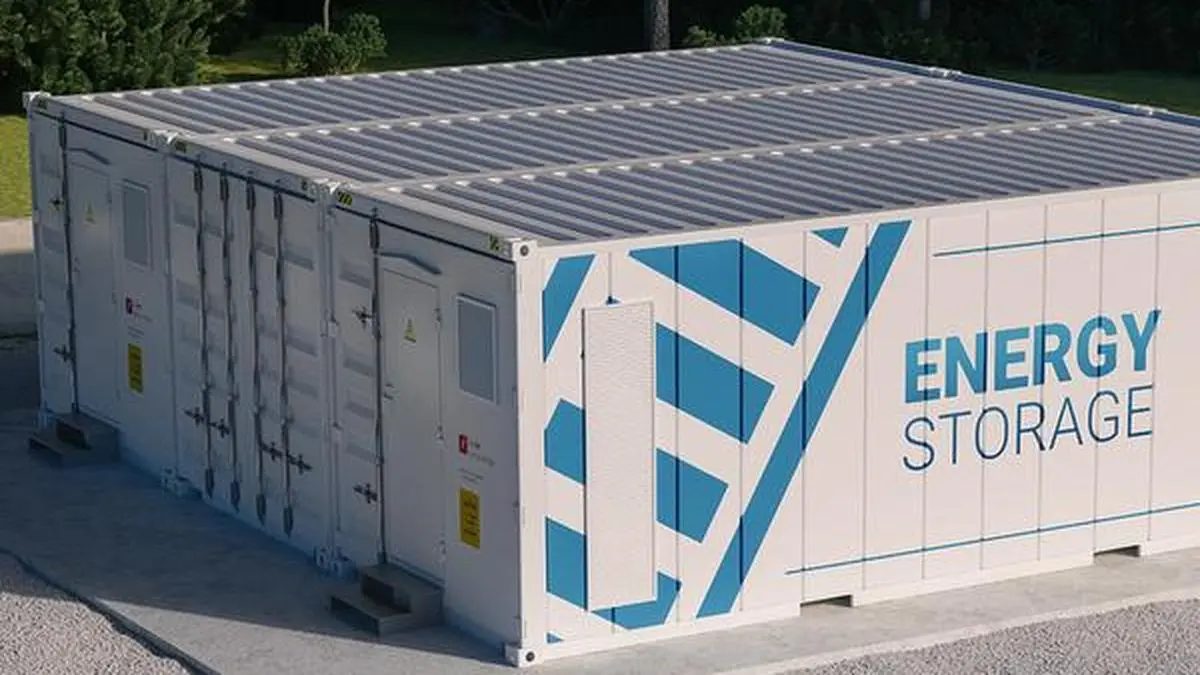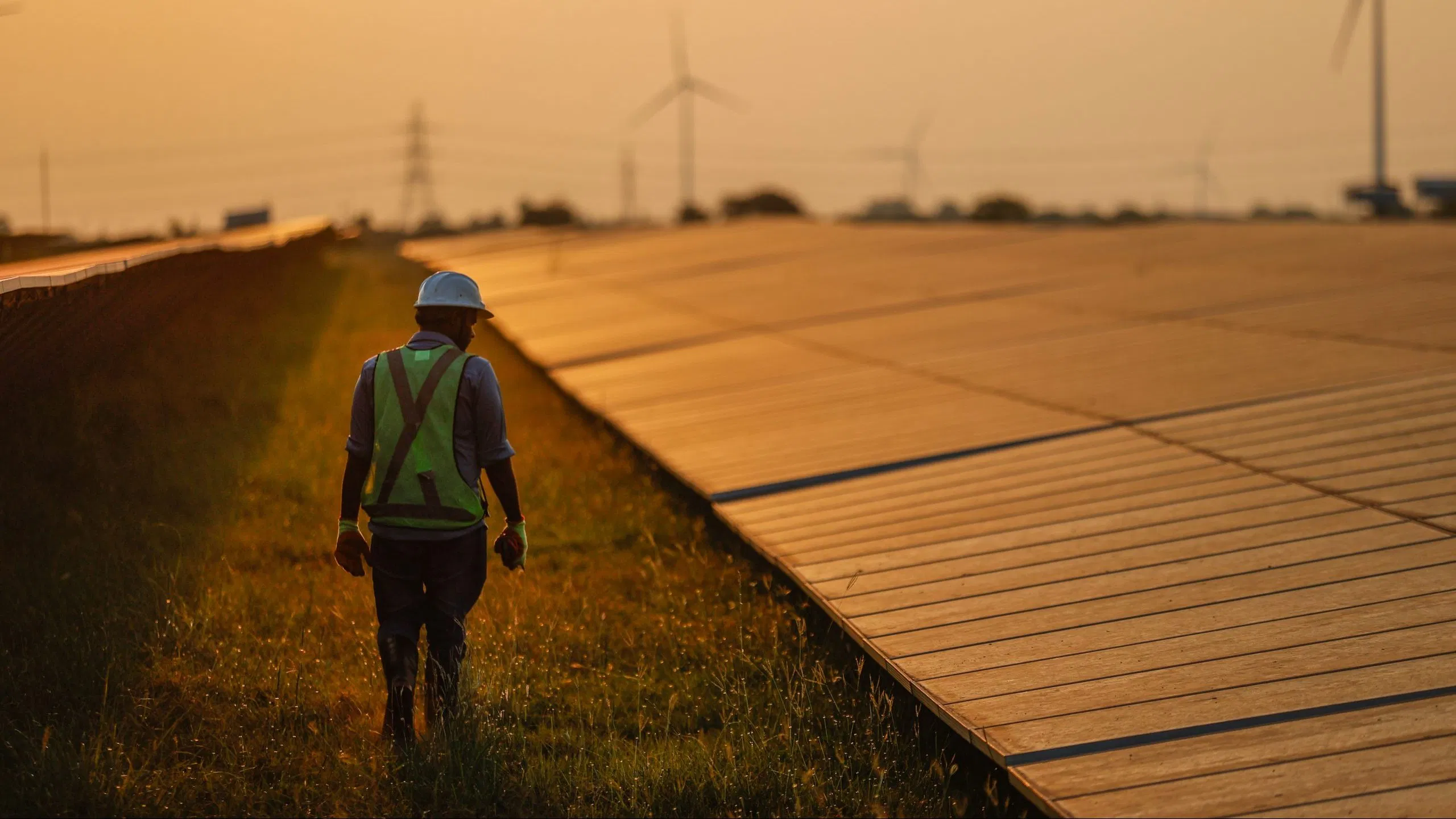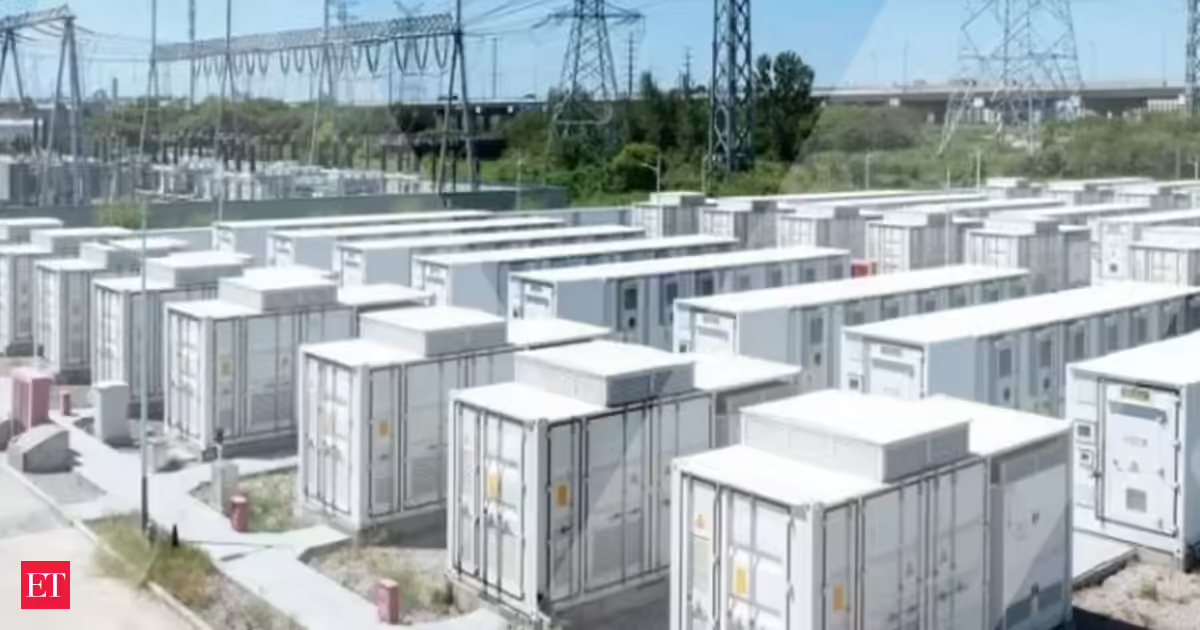
New Delhi: A working paper by the Economic Advisory Council to the Prime Minister (EAC-PM) has called for a rapid scaling up of grid-scale battery storage, underlining that India's biggest electricity challenge has shifted from generating enough power to managing its time of availability and flexibility.The paper, written by EAC-PM member Sanjeev Sanyal and the council's joint director Satvik Dev, argues that India's rising solar penetration is causing grid stress.Read more: Direct cash transfers to women boost savings, spending: EAC-PMWhile solar energy is meeting more midday demand, it is also making conventional sources, especially thermal plants, to ramp up and down more sharply to meet the net load.The widening gap between electricity prices during solar and non-solar hours, grid's failure in meeting demand largely in the evening hours and rising curtailment of solar generation for grid stability are signals of the shift, it said.Power prices on the Indian Energy Exchange's day-ahead market averaged Rs 1.11 a unit around midday in May but rose to Rs 9.71 a unit at night.Solar generation that the grid could not absorb averaged 24 GWh per day in May, more than a quarter of Delhi's average daily electricity consumption, it said.The most effective solution, according to the report, is to store surplus solar power during the day and discharge it during evening peak hours.It also welcomes provisions in the draft Electricity (Amendment) Bill, 2025, and the draft Electricity (Rights of Consumers) Amendment Rules, 2026, which formally recognise energy storage as part of the power system, strengthen non-fossil purchase obligations, promote demand-response and introduce time-bound implementation of time-of-day tariffs to shift electricity consumption towards solar hours.However, it cautions that expanding solar capacity without corresponding investments in storage and other measures to smooth demand could increase stress on the electricity grid, even as renewable energy capacity continues to grow.India's existing installed solar capacity, about 157 GW as of May, is contracted largely through plain vanilla power purchase agreements under which generators supply power only when it is generated.Read more: India needs 7-8% growth for Viksit Bharat, private investment and export push crucial: EAC-PM ChairmanAs solar penetration rises, the midday curtailment grows, even as the evening peak remains unserved."There may be a case for an enabling framework under which willing generators and discoms (distribution companies) may convert existing solar contracts into contracts for storage-backed supply extending into evening hours," the paper said.
Economic Advisory Council to the Prime Minister calls for rapid scale-up of grid-scale battery storage
India's electricity challenge has shifted from generation to managing availability and flexibility. Rising solar power causes grid stress and price volatility between day and night. The government recognises energy storage as crucial for the power system. Expanding solar capacity needs corresponding investments in storage solutions. This ensures grid stability and meets evening peak demand effectively.
394 words~2 min read