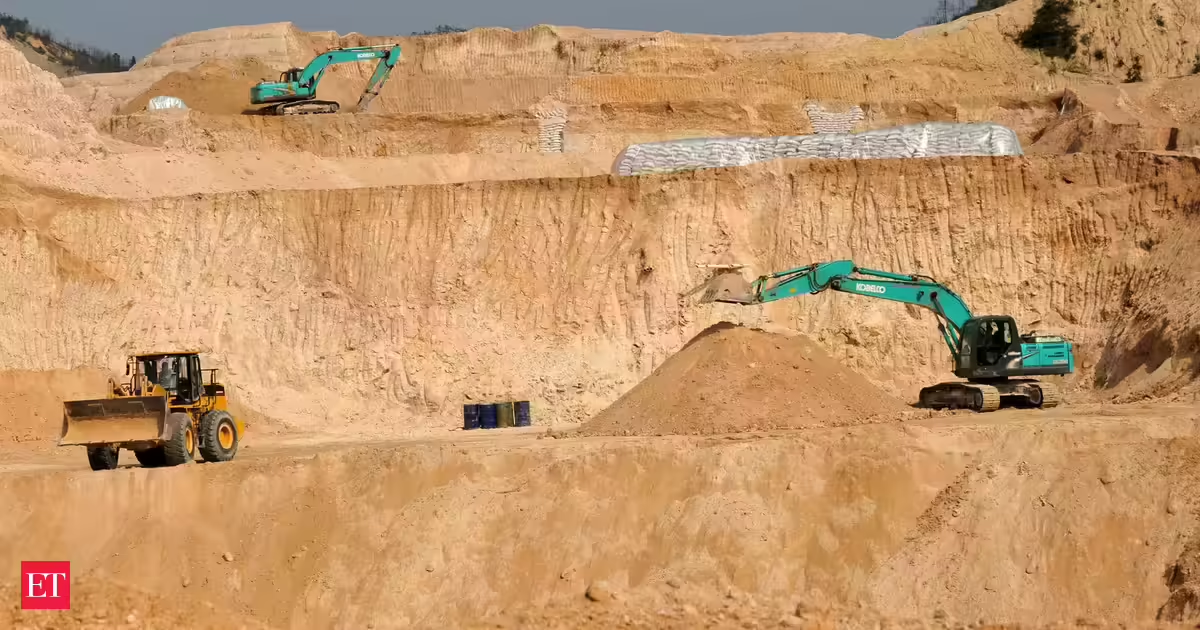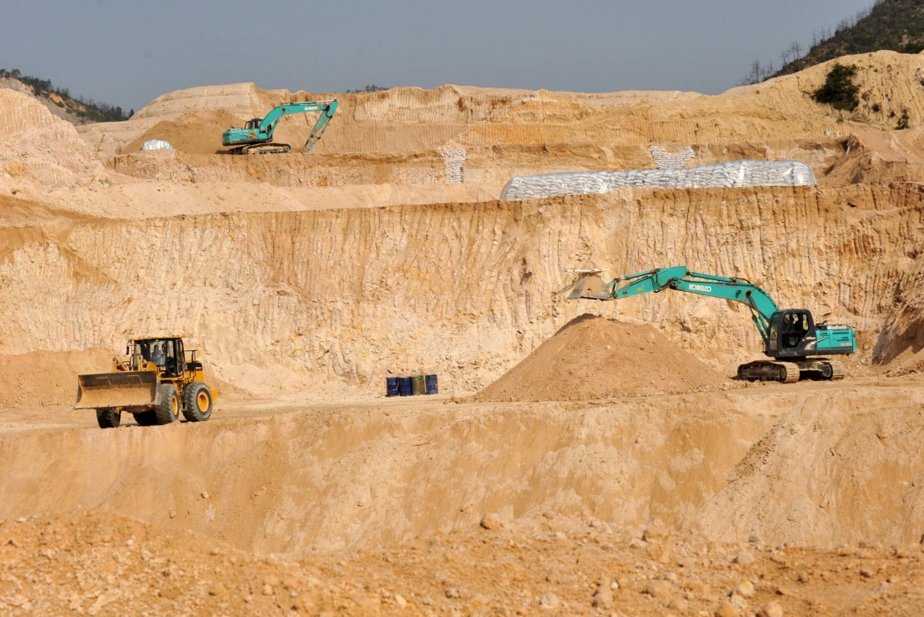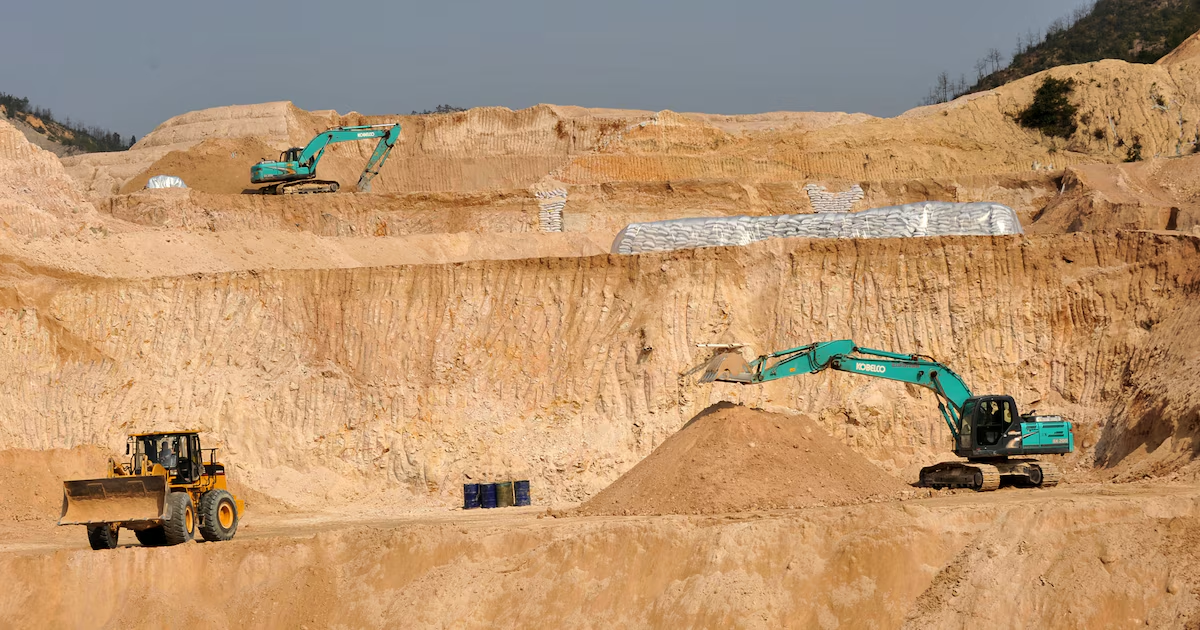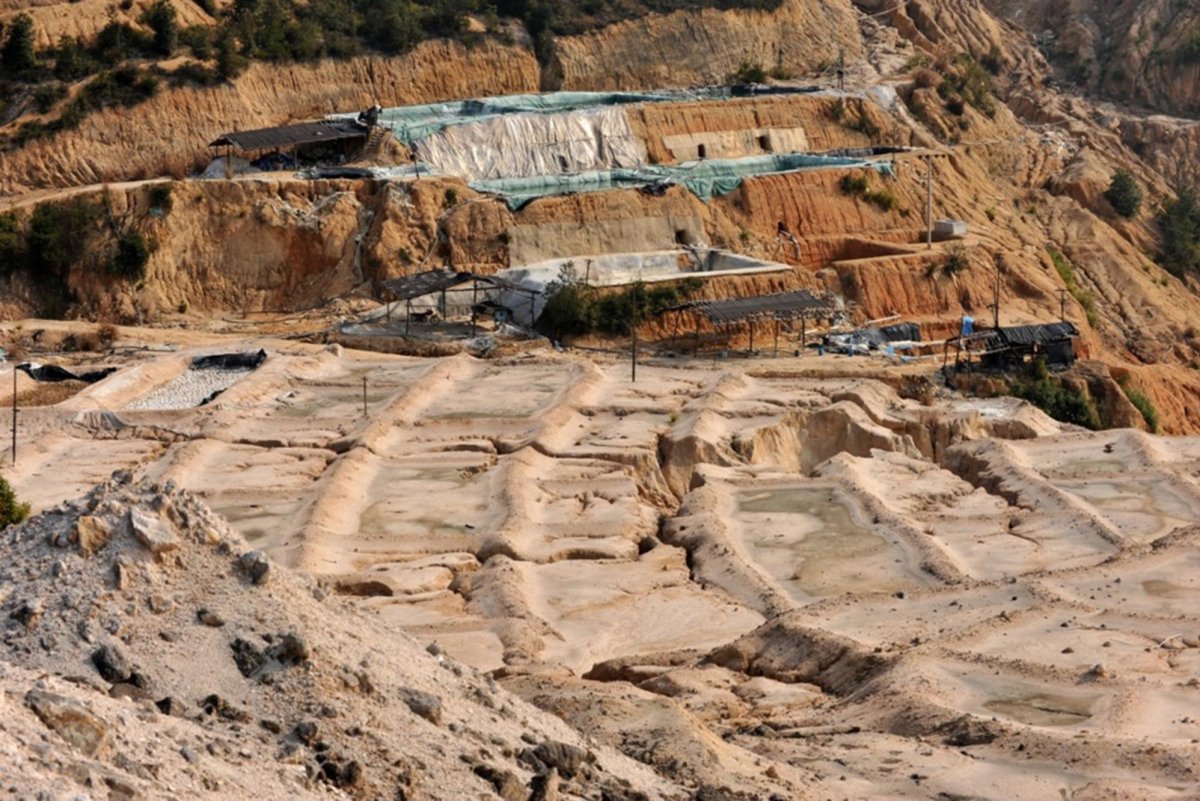
China has effectively cut off shipments of critical minerals to Japan, weaponizing its dominance over rare earth elements in a move that echoes a similar standoff from 2010. The restrictions, which began in January 2026, have reduced exports of key materials like dysprosium, terbium, yttrium oxide, and gallium to negligible levels.
The cost of geopolitical friction
Nomura Research Institute estimates a three-month export curb could cost Japanese businesses roughly 660 billion yen, or about $4.2 billion. For context, that’s enough to dent Japan’s annual GDP by an estimated 0.11%.
Japan relies on China for approximately 60 to 70% of its critical mineral imports. Japanese firms across automotive, electronics, semiconductor, and defense sectors have reported significant challenges. Shipments began falling to negligible levels in December 2025 and have stayed there through May 2026. Companies have also faced licensing delays, suggesting Beijing is using bureaucratic friction as a secondary pressure tool rather than issuing outright bans that might trigger formal trade disputes.
During the 2010 Senkaku/Diaoyu islands crisis, China deployed an informal embargo on rare earth exports to Japan that caused prices to multiply nearly tenfold and severely disrupted production for major Japanese manufacturers like Toshiba, Honda, and Hitachi. The current restrictions have already lasted far longer than that episode.