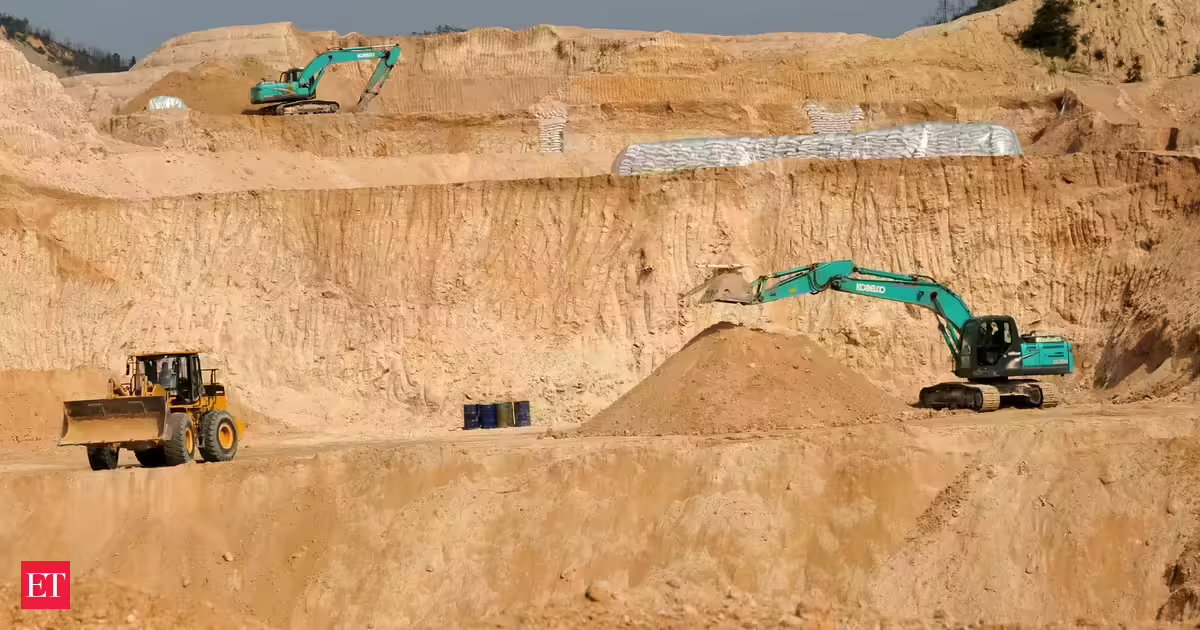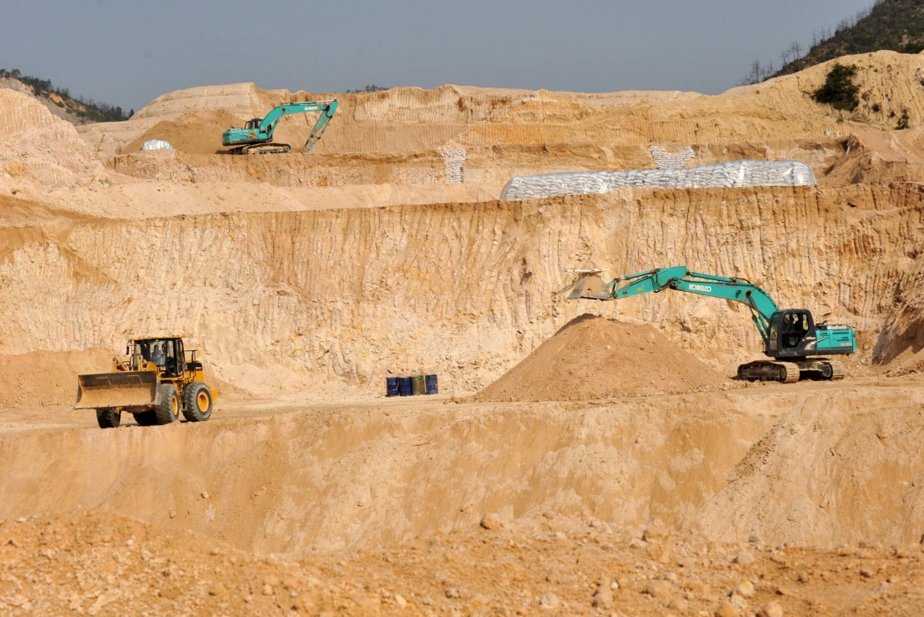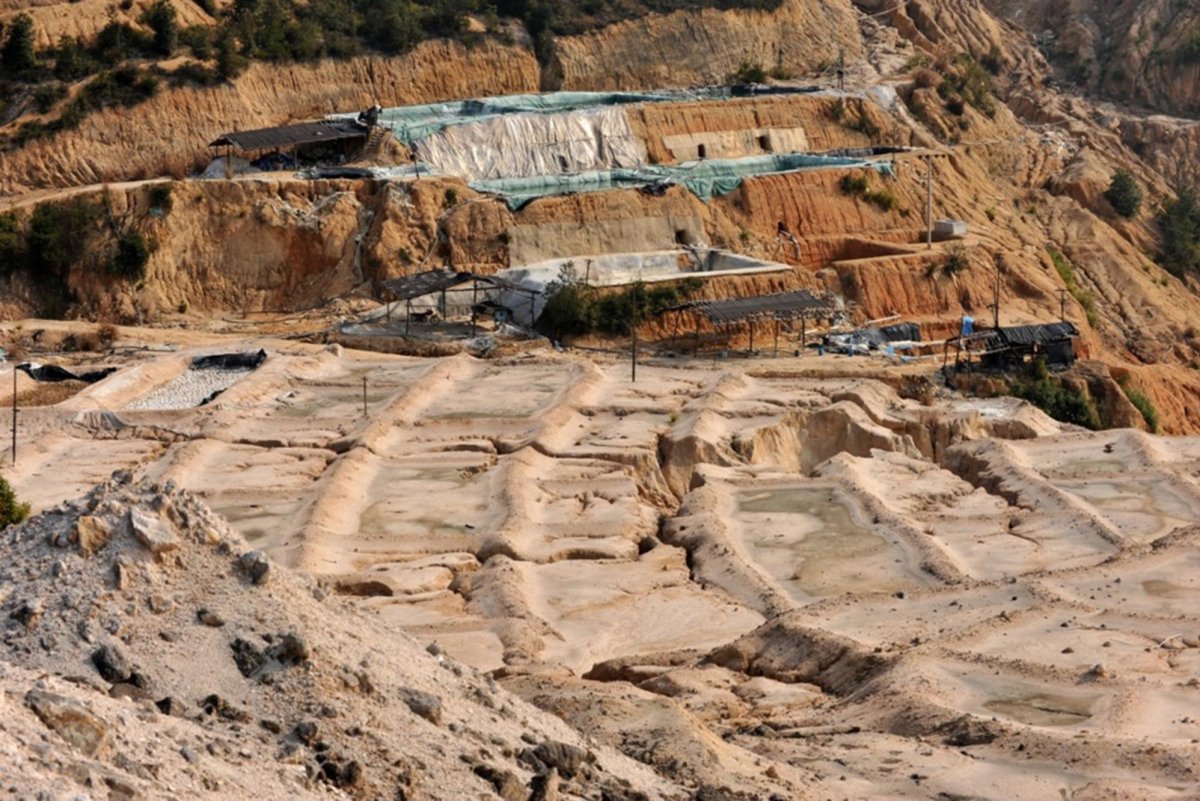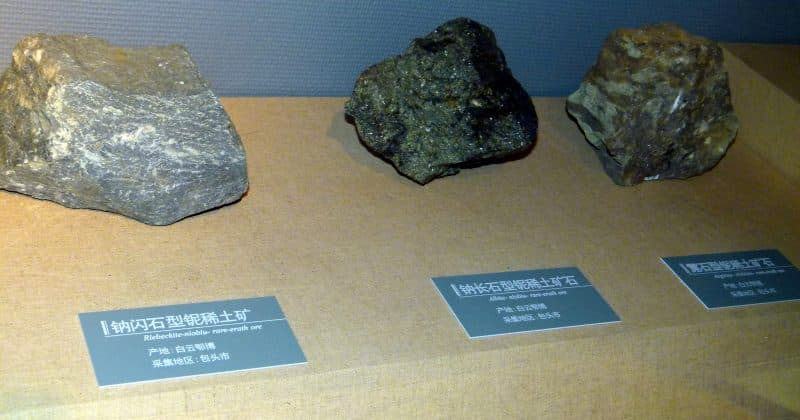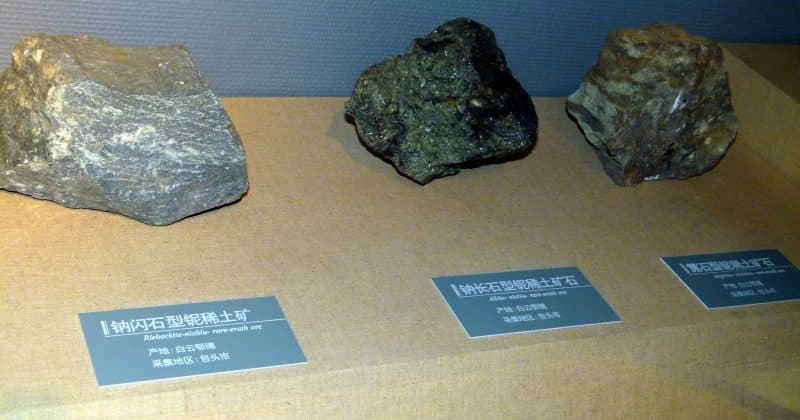
China has effectively cut off Japan’s access to some of the most strategically important materials on Earth. Shipments of heavy rare earths to Japan have been halted since January 2026, with minimal to zero distribution continuing into May.
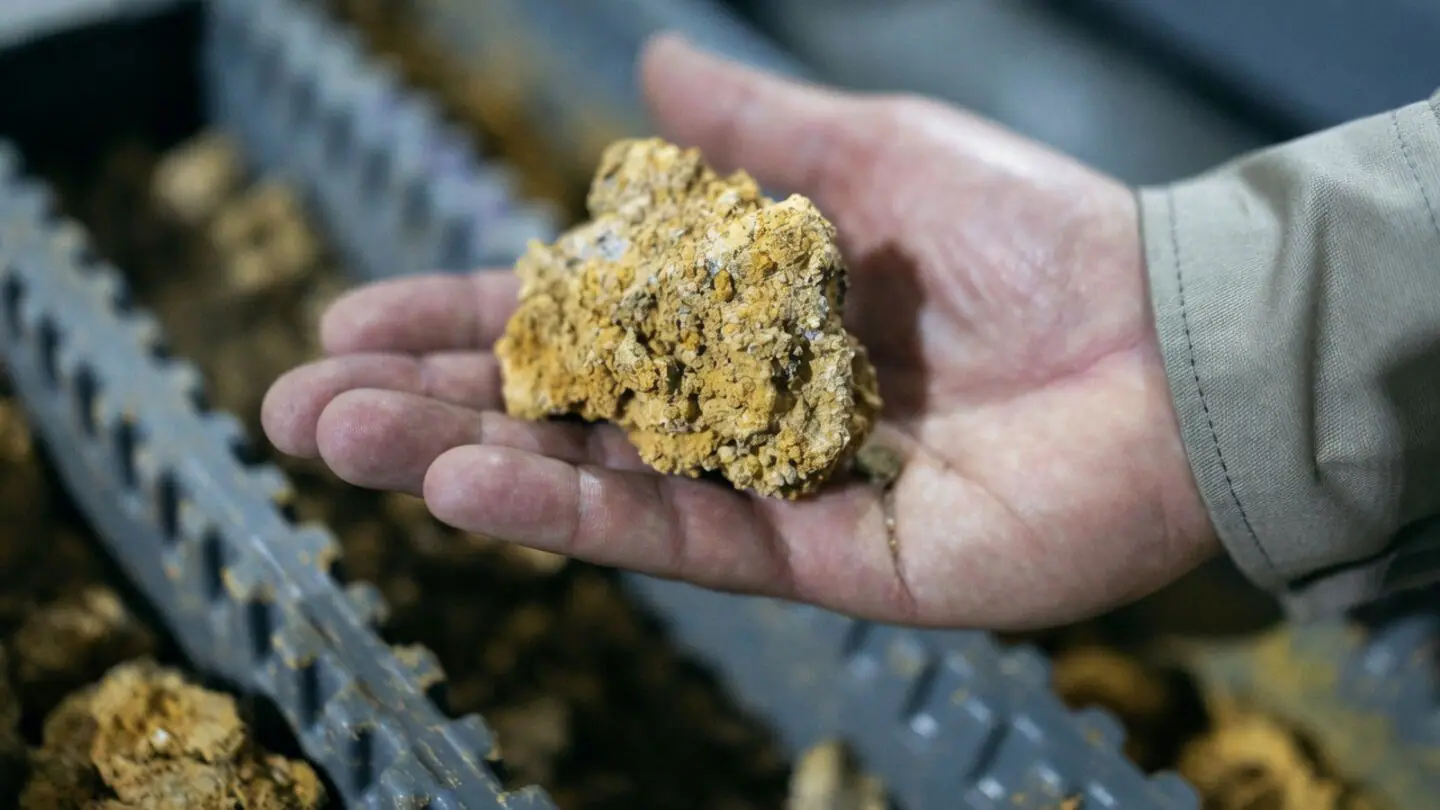
The materials in question, dysprosium, terbium, and gallium, aren’t household names. But they’re embedded in virtually everything that matters: electric vehicles, smartphones, wind turbines, missile guidance systems, and the permanent magnets that make modern electronics possible. China controls over 90% of global rare earth magnet production and refining, which means when Beijing decides to turn off the tap, there isn’t exactly a backup faucet.
The trigger: Taiwan, and a prime minister who said the quiet part loud
The restrictions didn’t materialize out of thin air. Japanese Prime Minister Sanae Takaichi made remarks in late 2025 explicitly linking Japan’s national security to potential conflicts over Taiwan. Beijing, predictably, did not interpret this as a friendly observation.
China’s Ministry of Commerce formally announced the export restrictions around January 6, 2026, targeting rare earth elements and rare-earth magnets headed for Japan. The escalation had been building through December 2025, but the formal announcement made the economic consequences concrete and immediate.