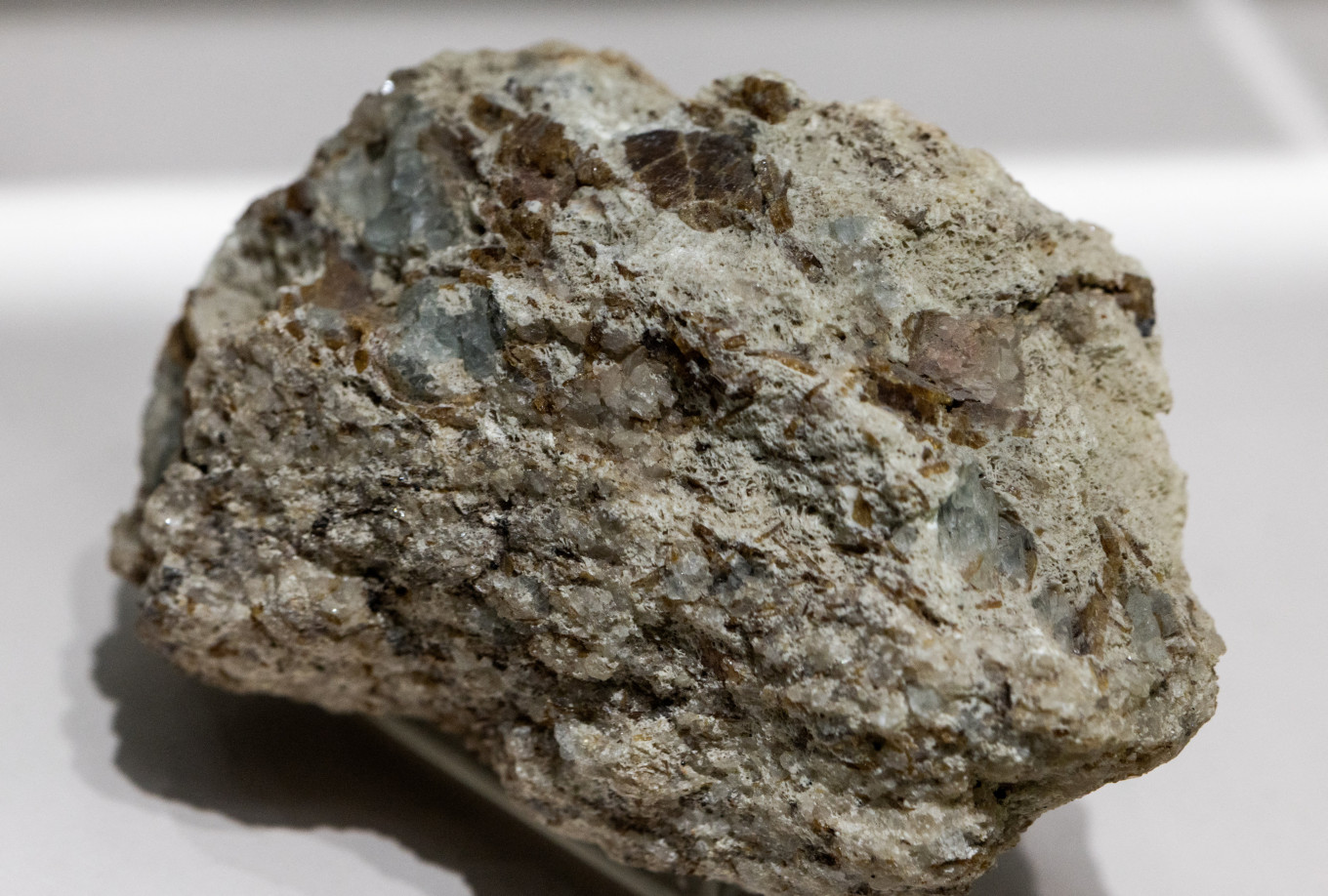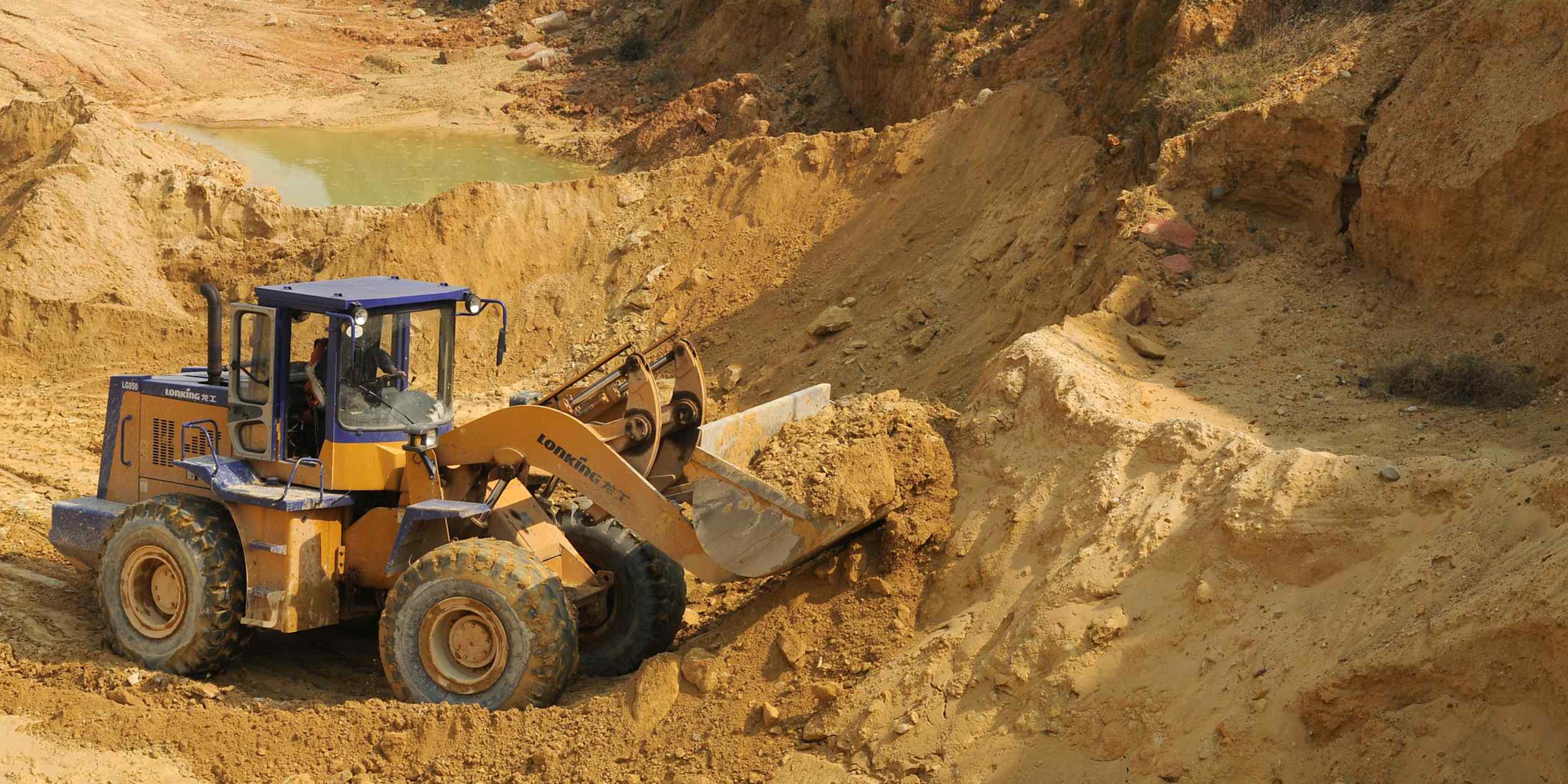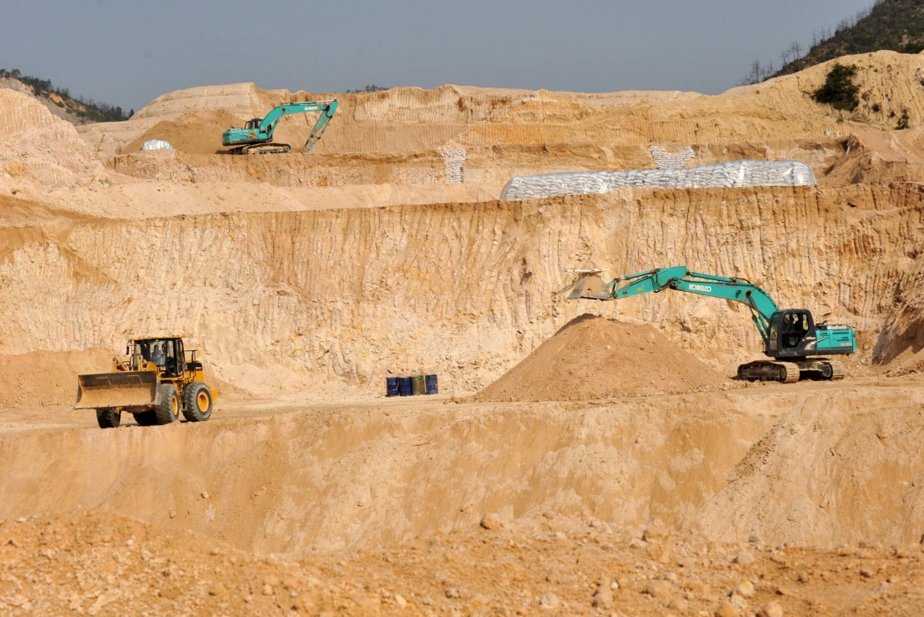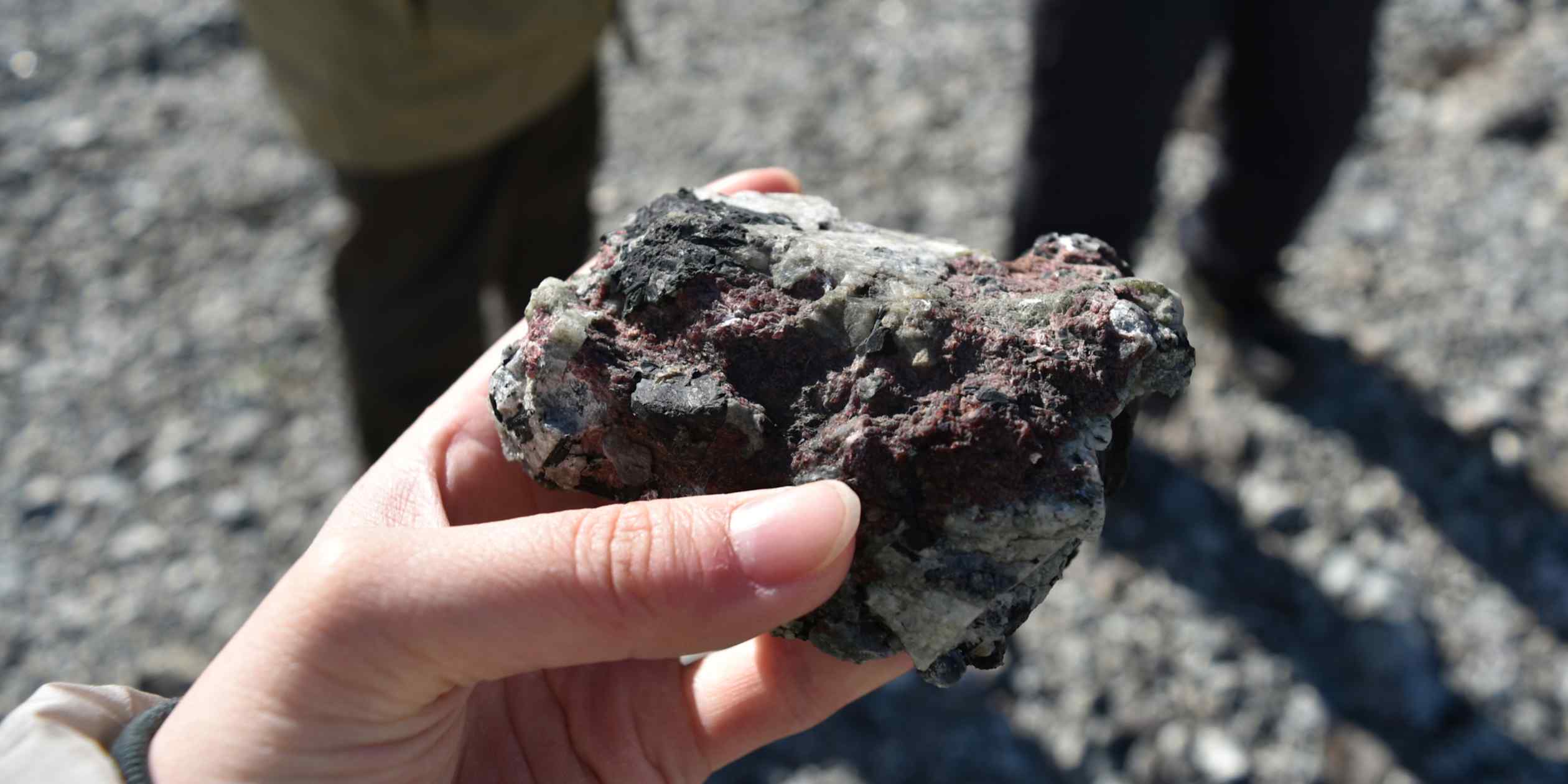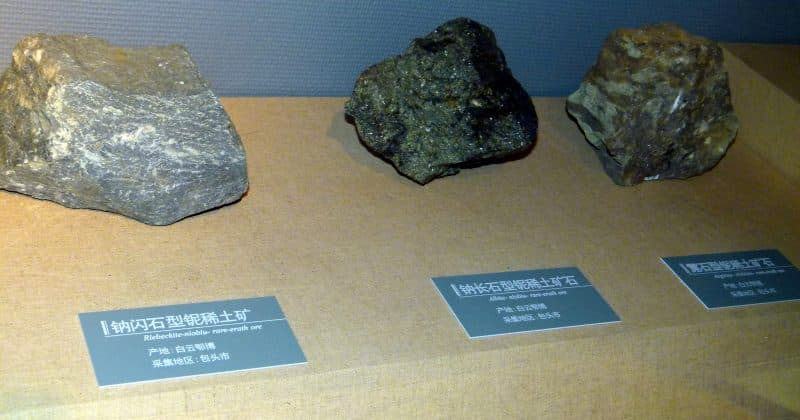
Japan has a China problem, and this time it’s buried underground. Corporate Japan is sounding alarms over rare-earth shortages after Beijing’s export controls caused shipments to plummet more than 80% year-on-year in March and April 2026, choking off materials essential to everything from electric vehicles to missile guidance systems.
The Nomura Research Institute estimates the damage could reach $4.3B in lost Japanese production over just three months. If the restrictions persist for a full year, that figure balloons to $17B.
What happened and why it matters
China imposed stringent export controls on rare earth elements and permanent magnets on January 6, 2026. The restrictions specifically targeted Japanese entities and military-related applications, a move widely interpreted as retaliation for Japanese Prime Minister Sanae Takaichi’s comments linking Japan’s national security to potential conflicts involving Taiwan.
Japan currently sources roughly 60-70% of its rare earth imports from China, a figure that already represents progress from the nearly 90% dependency Japan faced back in 2010. But for heavy rare earths like dysprosium and terbium, which are critical for high-performance magnets used in EV motors and wind turbines, Japan’s reliance on China remains close to 100%.