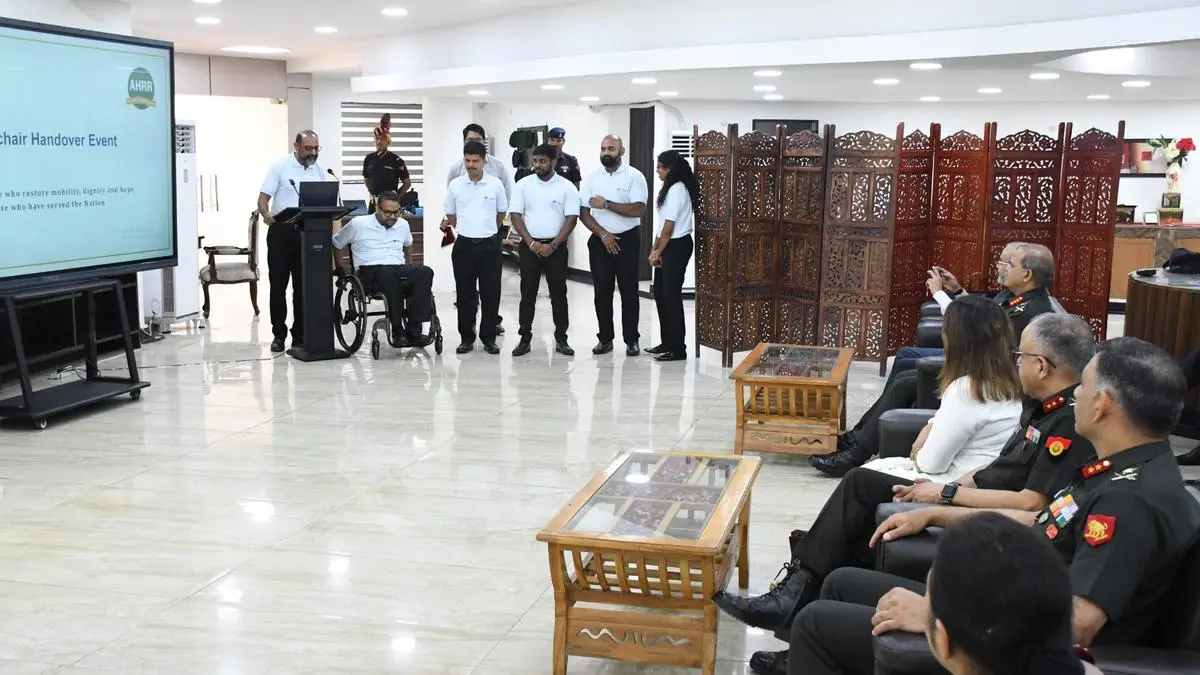
IIT Madras has handed over the first batch of 25 indigenously developed YD One active wheelchairs to the Army Hospital (R&R) in Delhi Cantonment. The wheelchairs are being integrated into rehabilitation care for injured soldiers, veterans, and dependents.
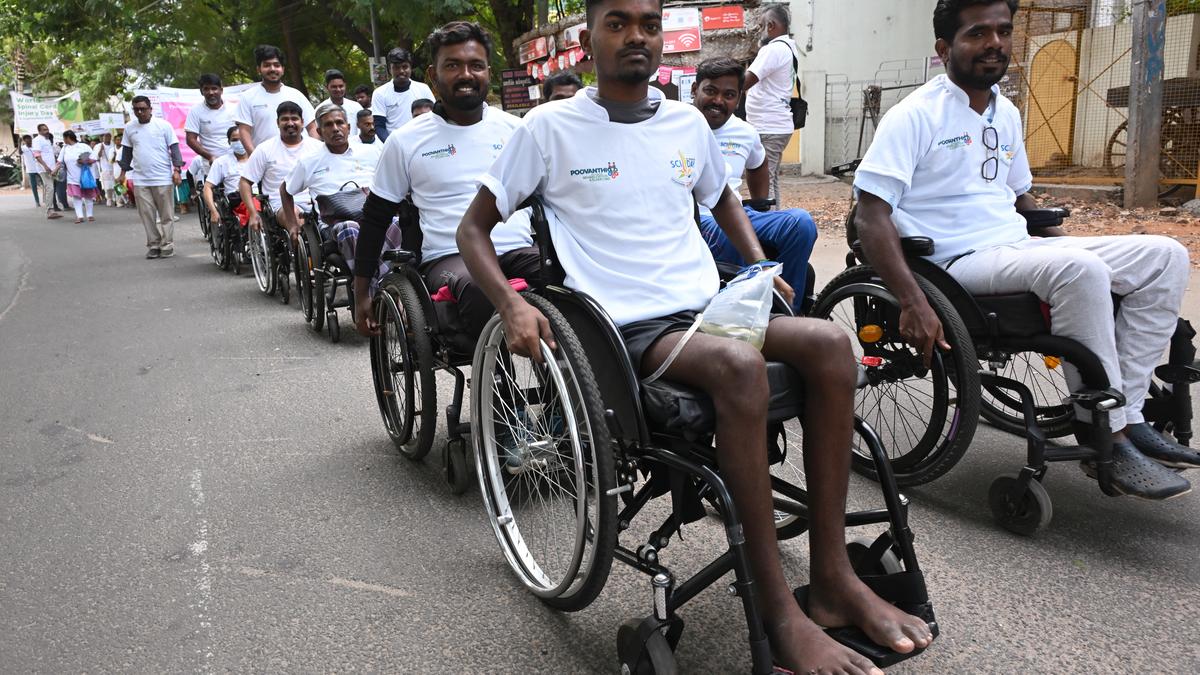
The Indian Institute of Technology (IIT) Madras has handed over its first batch of 25 indigenously developed, ultra-lightweight active wheelchairs to the Army Hospital (Research and Referral) in Delhi Cantonment.The delivery marks the first tranche of a 100-wheelchair rehabilitation programme implemented by the institute under a Corporate Social Responsibility (CSR) partnership funded by global fintech firm Fiserv. The remaining 75 units are scheduled for delivery over the coming months.‘YD One’ wheelchair designed for independent mobilityDubbed the ‘YD One’, the wheelchair is a departure from traditional institutional models that rely heavily on an attendant. Developed at IIT-Madras’s TTK Centre for Rehabilitation Research and Device Development (R2D2) and manufactured by its incubated startup, Thryv Mobility, the YD One is specifically engineered for self-propulsion.The project reflects a growing push toward “civil-military fusion” in healthcare technology. Rear Admiral Deepak Bansal (Retd), Professor of Practice at IIT-Madras and Head of Strategic Partnerships at Thryv Mobility, played a pivotal role in bridging the gap between academia, industry, and the military establishment to bring the project to fruition, the release said on the handing over of the wheelchairs.Army Hospital welcomes contribution to rehabilitation care“Mobility is fundamental to dignity and independence,” said Lt. General Avinash Das, Commandant, Army Hospital (R&R). “We welcome this contribution, which will directly support our patients and their families in regaining mobility through devices designed and built in India.”The active wheelchairs are being integrated directly into the hospital’s rehabilitation pathway to help injured serving personnel, veterans, and their dependents transition toward independent movement.Co-designed, tested and priced for wider accessibilityAccording to developers, the YD One was co-designed alongside wheelchair users and undergoes internal durability testing aligned with international ISO 7176 protocols. Crucially, it hits the market at a price point significantly lower than imported equivalents.“The YD One was built to serve Indian users without compromise on quality,” said Justin Jesudas, CEO and Co-founder of Thryv Mobility, who is himself a wheelchair user. “To see it now reaching the men and women of the Armed Forces is the deepest validation of why this product exists.”Prof. Manish Anand of IIT-Madras (R2D2) and Sachin Kulkarni, President of Global Services at Fiserv, also noted that the collaboration successfully shifts advanced assistive research out of the laboratory and into immediate public service.Published on June 23, 2026