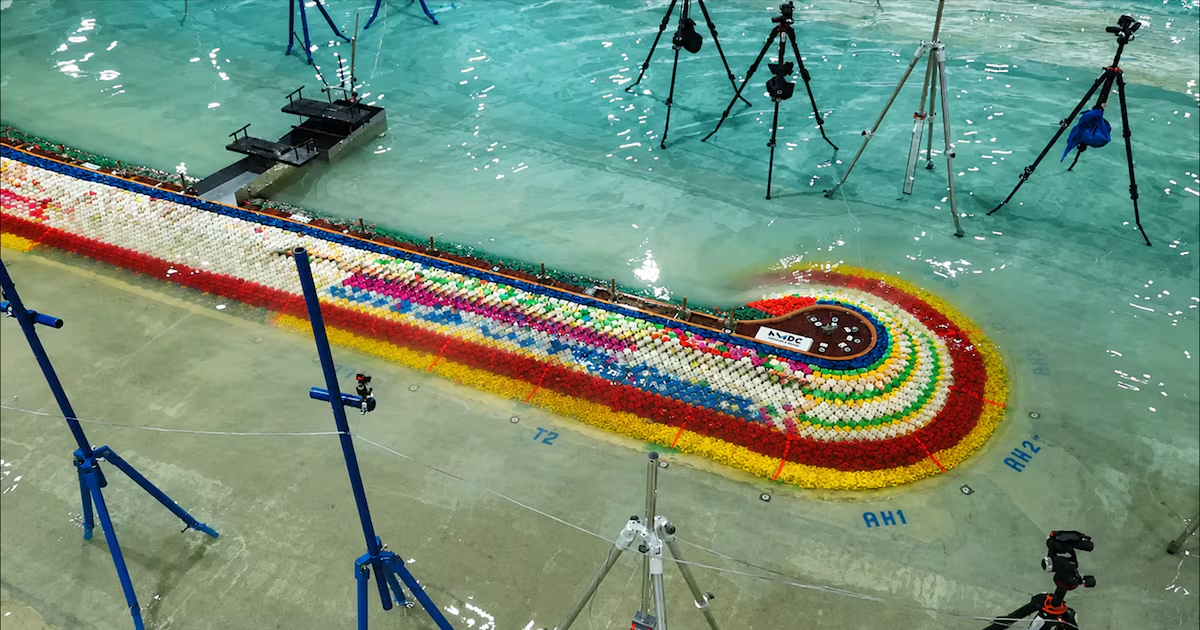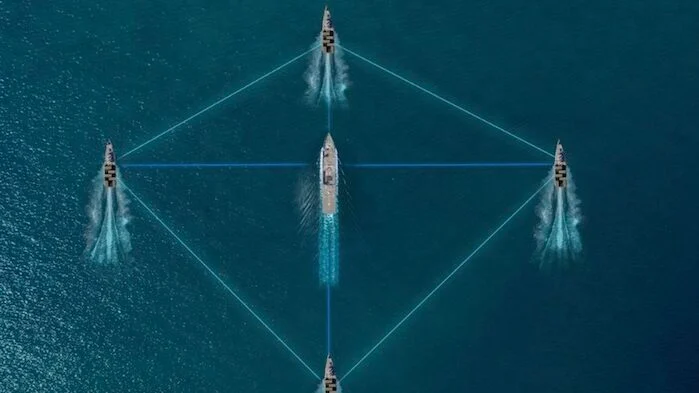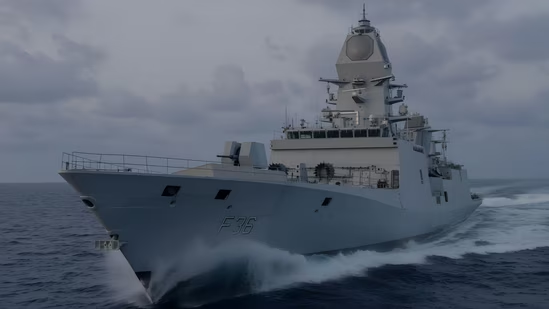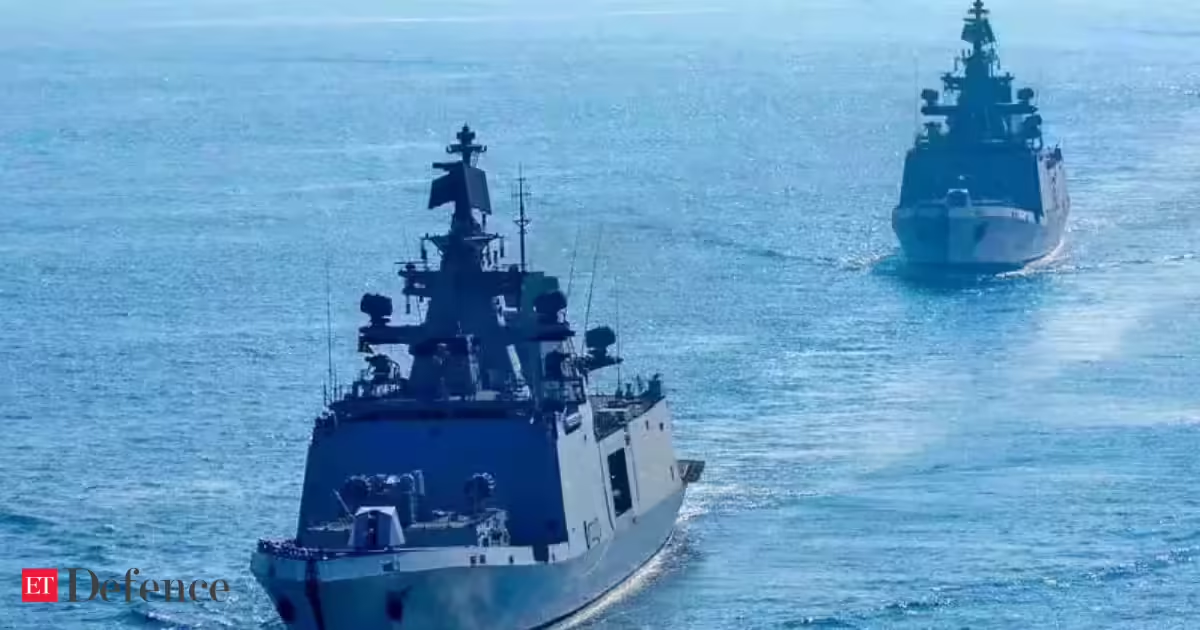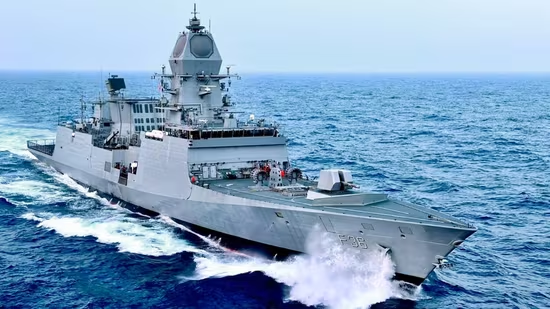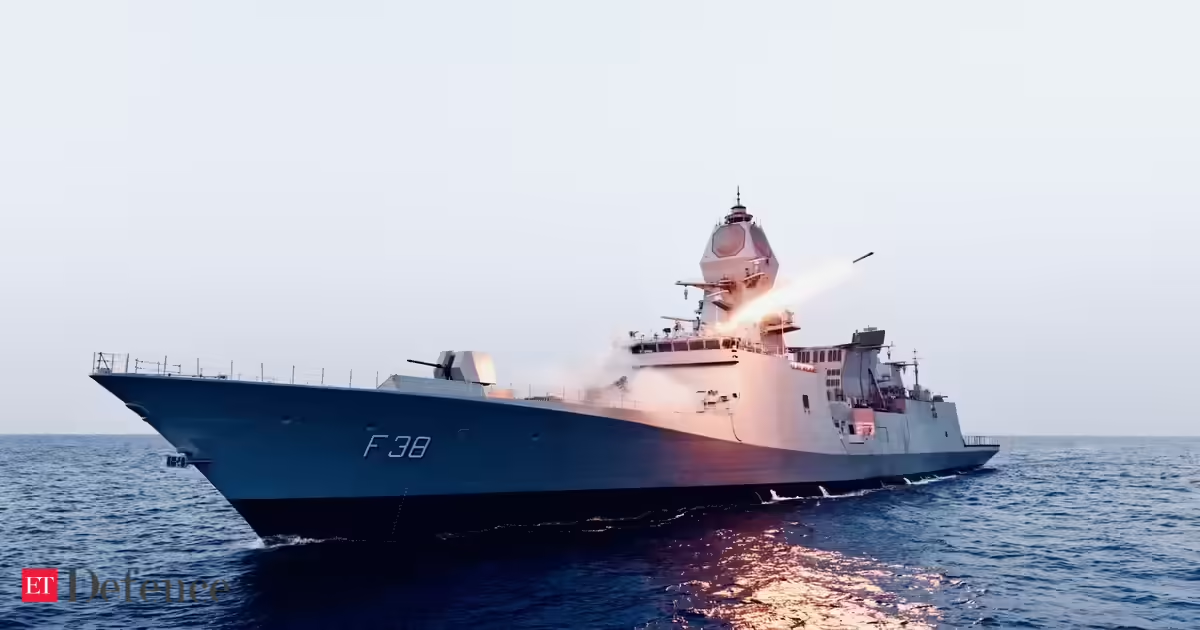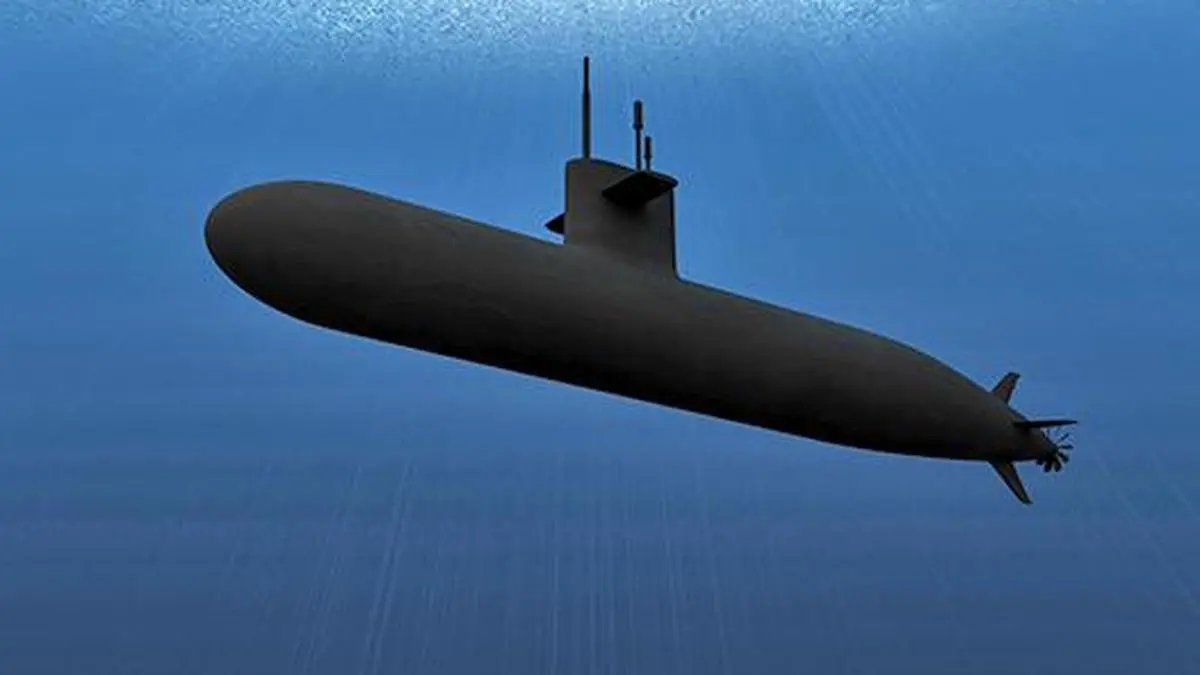
You are building a new ship or submarine. Computer simulations can predict how it may behave in water. But simulations alone are not enough. Aircraft manufacturers test their designs in wind tunnels. Can something similar be done for ships?Yes. IIT-Madras is planning such a facility at its satellite campus in Thaiyur, near Chennai.Called HYDRA Centre, the facility will feature a half-km ‘towing tank’. Scaled-down ship and submarine models will be dragged through the water channel under controlled conditions, allowing scientists to study resistance, stability, wave patterns, propulsion efficiency and manoeuvrability.When completed, HYDRA could become a key national facility for testing and refining indigenous ship and submarine designs, strengthening India’s self-reliance in advanced maritime and naval engineering. The centre is expected to support advanced work on warships, submarines and underwater platforms.MDL’s supportPublic sector Mazagon Dock Shipbuilders Limited is supporting the initiative. The company has also funded several related research facilities at IIT-Madras through its corporate social responsibility programme.One of these is a newly inaugurated ‘circulating water tunnel’, which is closely related to the HYDRA concept. While HYDRA studies how moving vessels behave in water, the circulating water tunnel examines how flowing water behaves around stationary objects. In this facility, built at a cost of ₹4.5 crore, water is continuously circulated past test objects such as propellers, offshore platforms, bridge pillars and underwater structures. Engineers use it to study turbulence, drag and complex flow behaviour around these “bluff bodies” — objects with broad or blunt shapes that disturb water flow significantly.Another proposed collaboration between IIT-Madras and MDL relates to “high-efficiency multi-stage thermoelectric sub-zero refrigeration systems” for submarines and small naval vessels. Put simply, the idea is to develop compact, quiet and highly reliable cooling systems for defence platforms.Submarines require specialised cooling for electronics, sensors, storage systems and crew environments. Conventional refrigeration systems rely on compressors and moving mechanical parts. Thermoelectric refrigeration, instead, uses semiconductor devices that produce cooling when electricity passes through them — a phenomenon known as the Peltier effect. “Multi-stage” systems stack multiple cooling stages together to achieve very low temperatures.IIT-Kharagpur students to intern at battery recycler NavPrakritiNavPrakriti, a lithium-ion battery recycling and refurbishment company based in eastern India, has signed a memorandum of understanding with IIT-Kharagpur for joint research, skill development and technology advancement in the battery recycling sector.The tie-up will focus on battery material recovery, and hydrometallurgical refining and extraction technologies for critical minerals such as cobalt, nickel and lithium.Students from IIT-Kharagpur will intern and train at NavPrakriti’s facilities, including its Serampore plant. They will gain exposure to industrial-scale battery recycling and refurbishment operations.The joint research projects, technological consulting assignments and capacity-building initiatives are aimed at developing skilled manpower for the emerging battery and critical minerals ecosystem.NavPrakriti said it has been recognised under the National Critical Mineral Mission for extraction of cobalt, nickel and lithium.Published on May 27, 2026
IIT-Madras sets up testing tank for ships, submarines
IIT-Madras establishes HYDRA Centre for testing and refining indigenous ship and submarine designs, enhancing India's maritime engineering capabilities.
471 words~2 min read