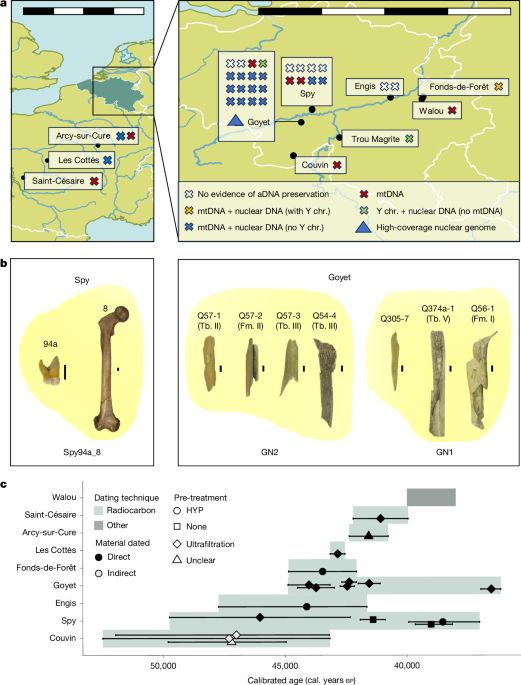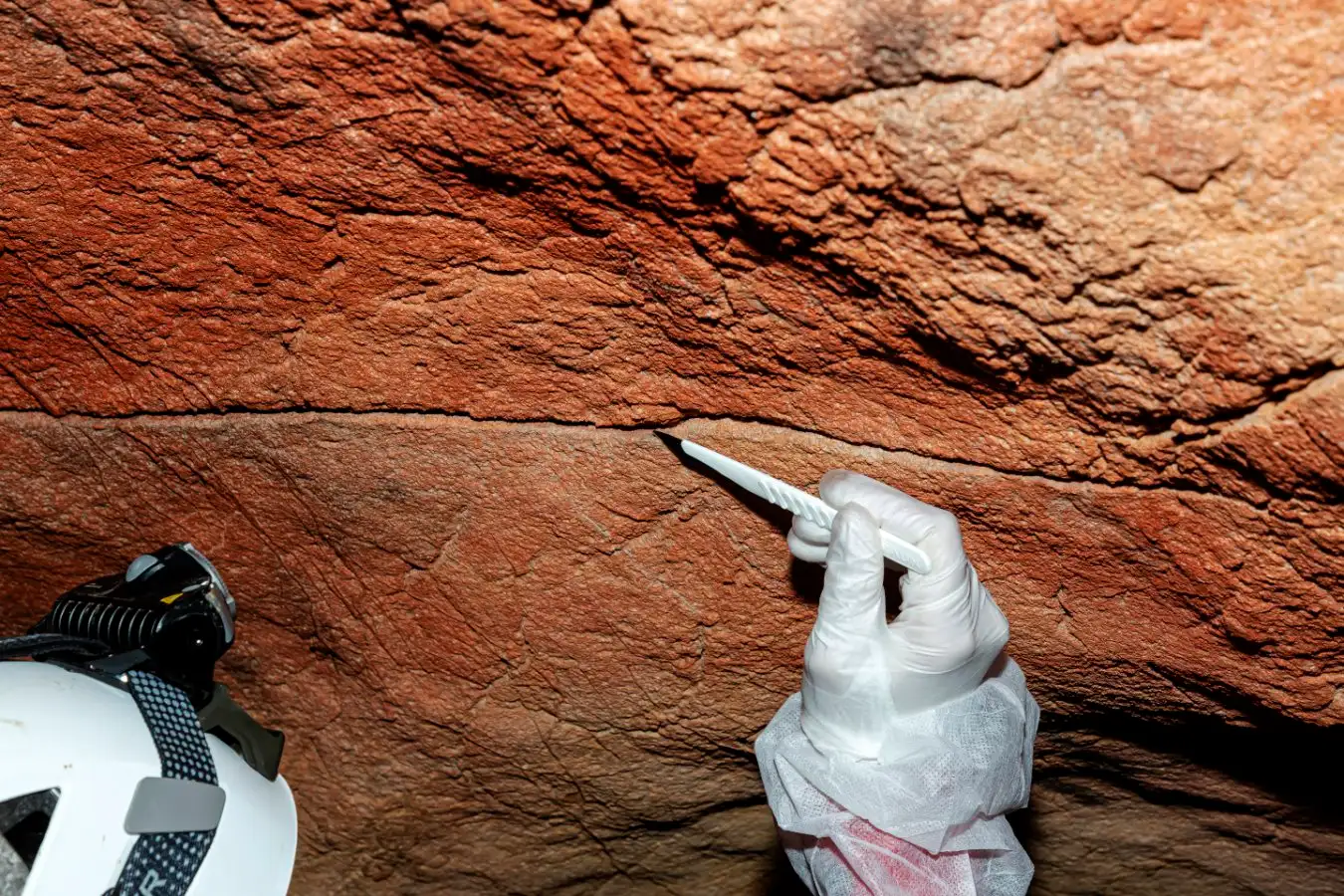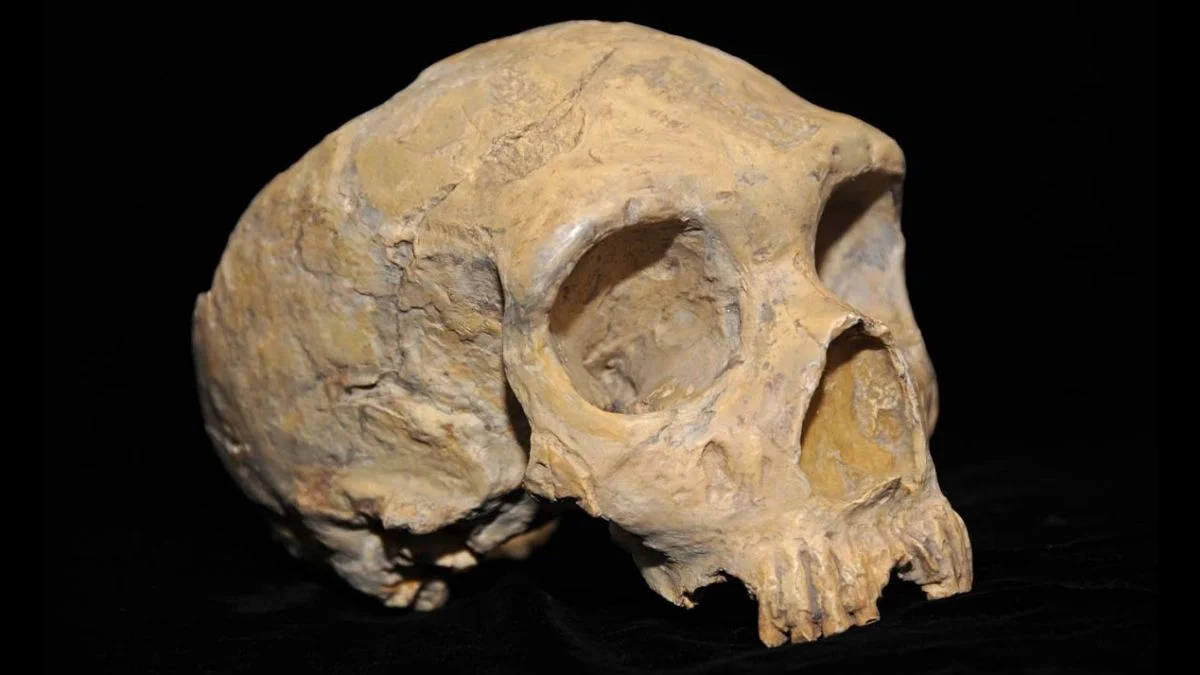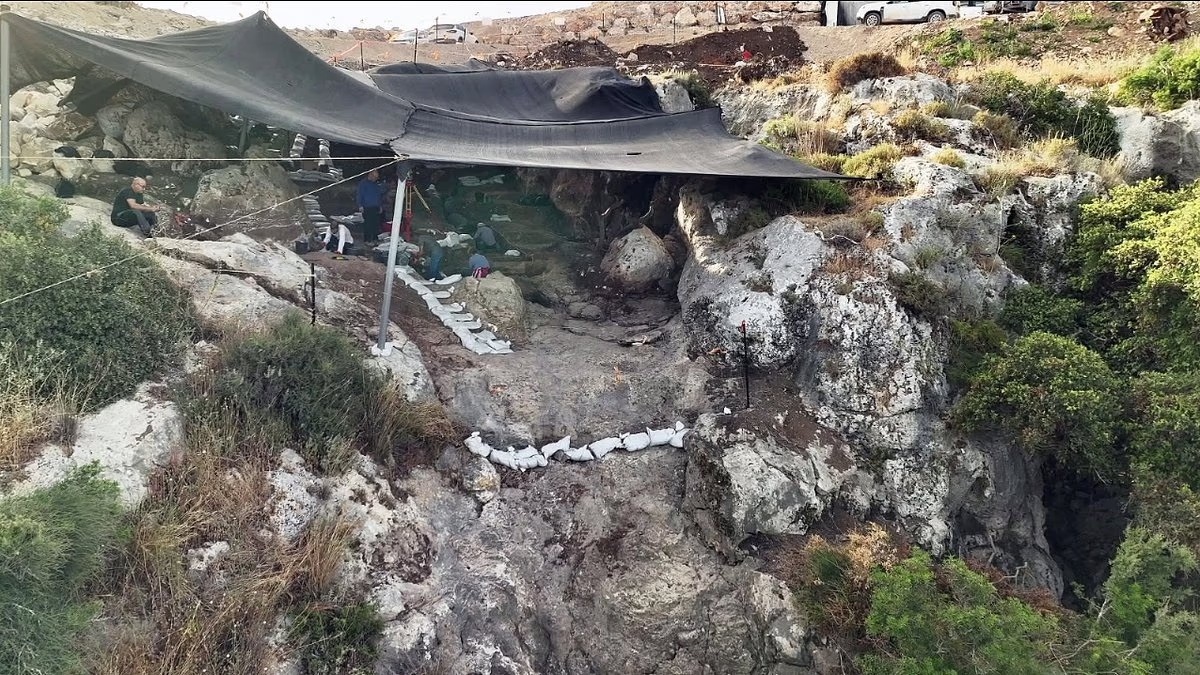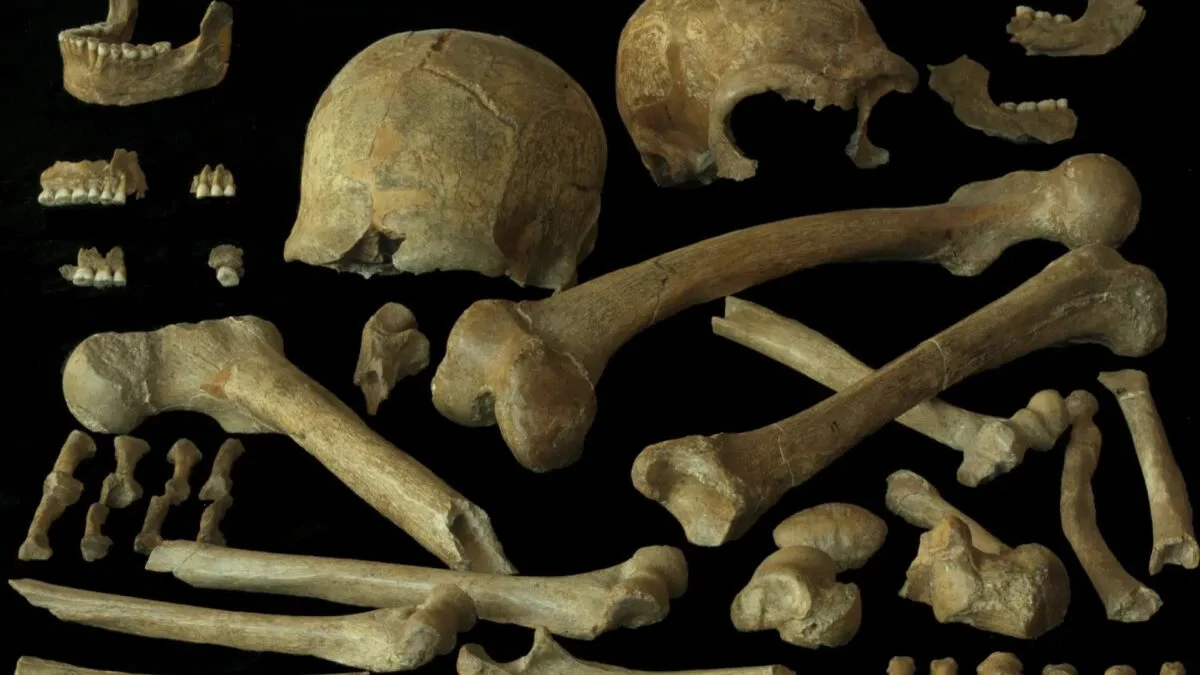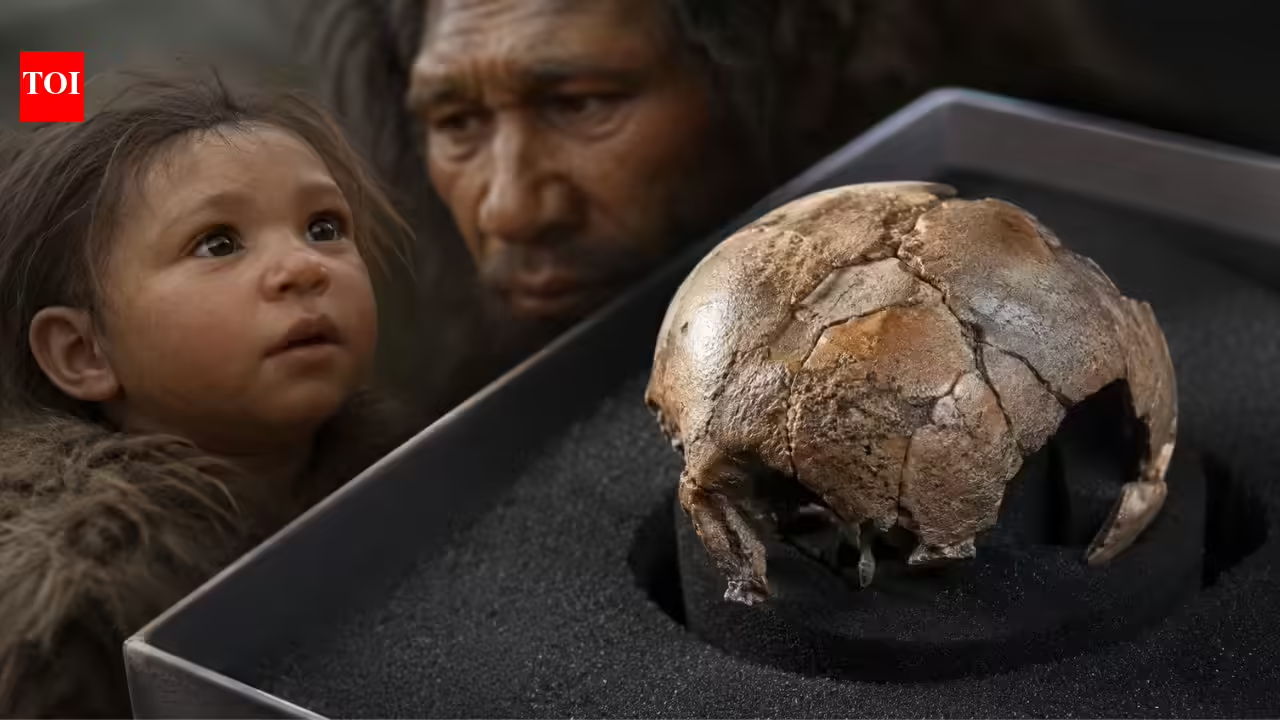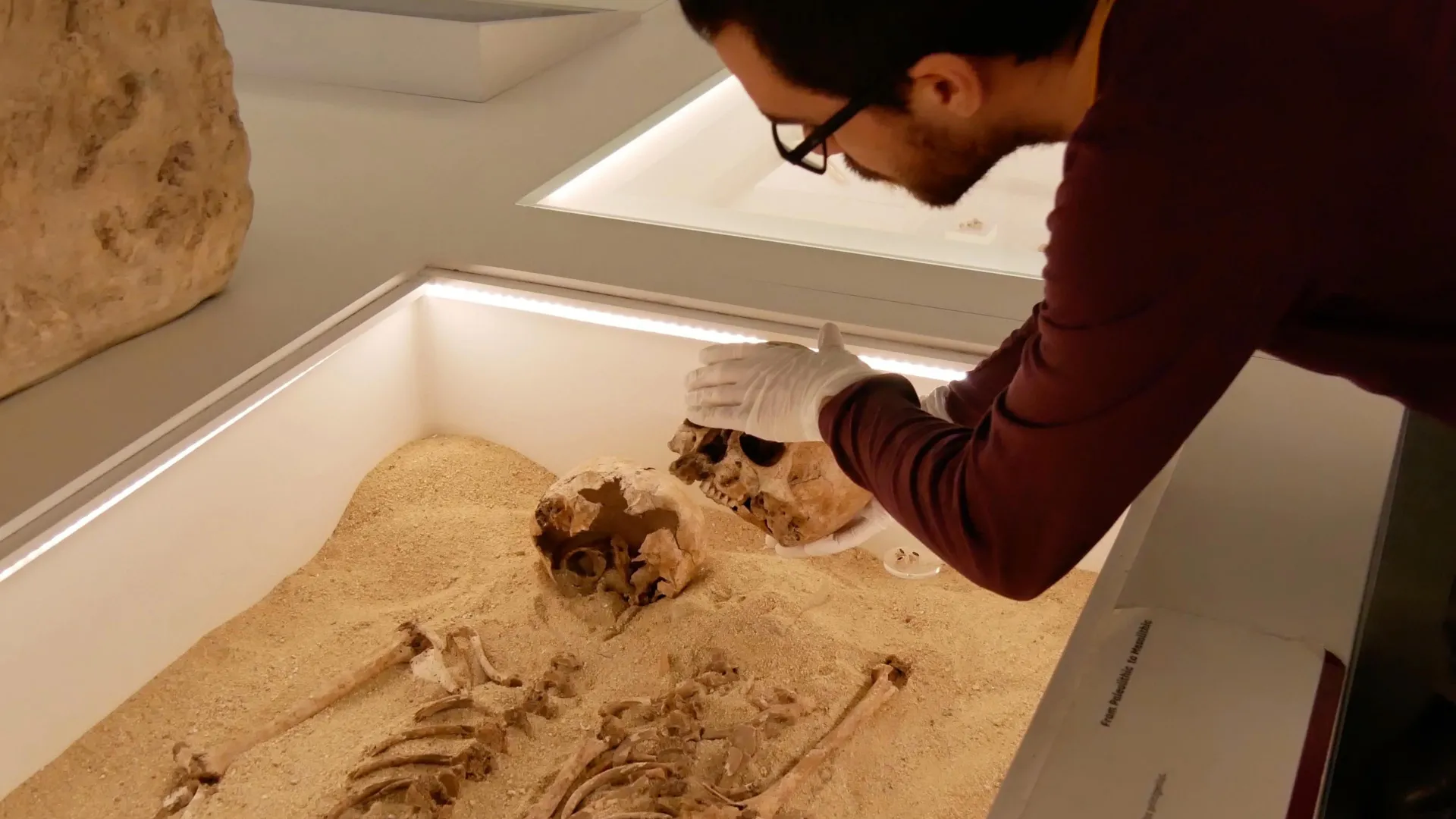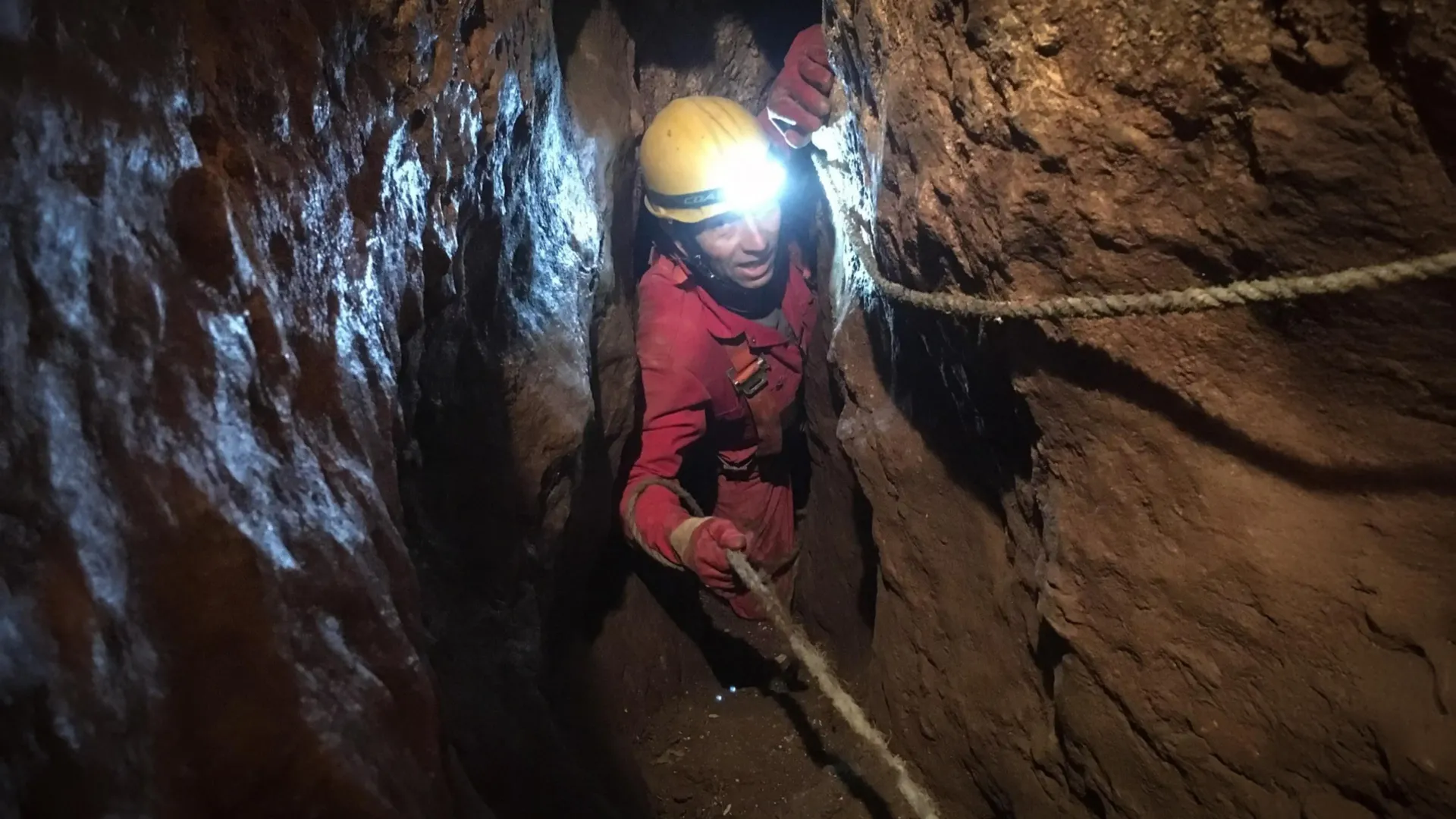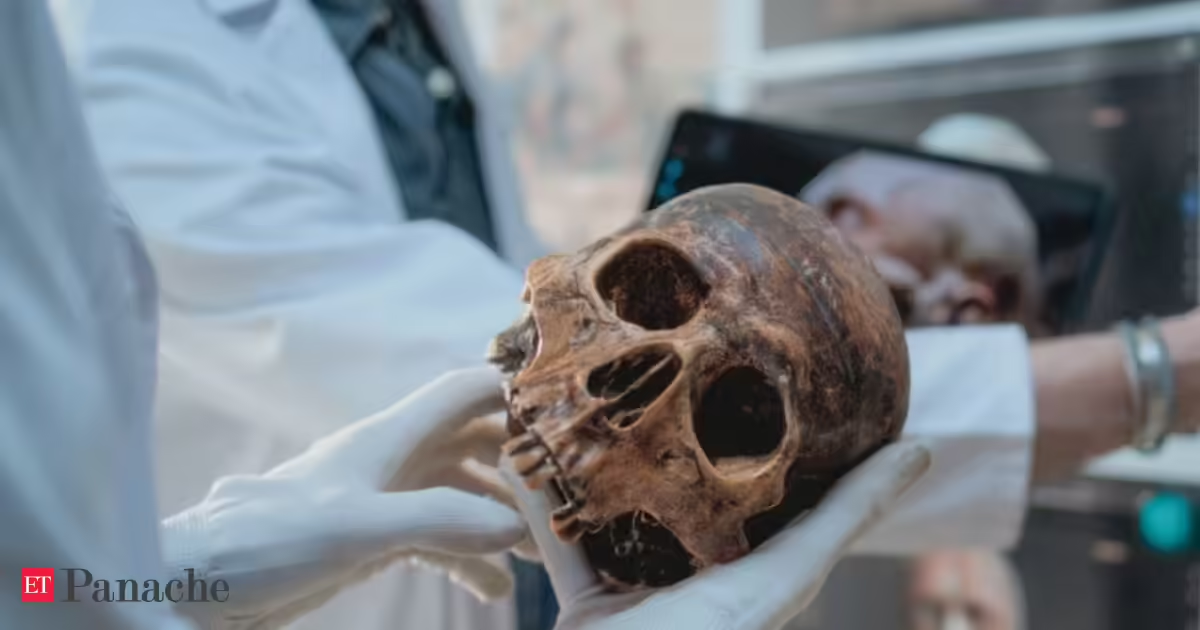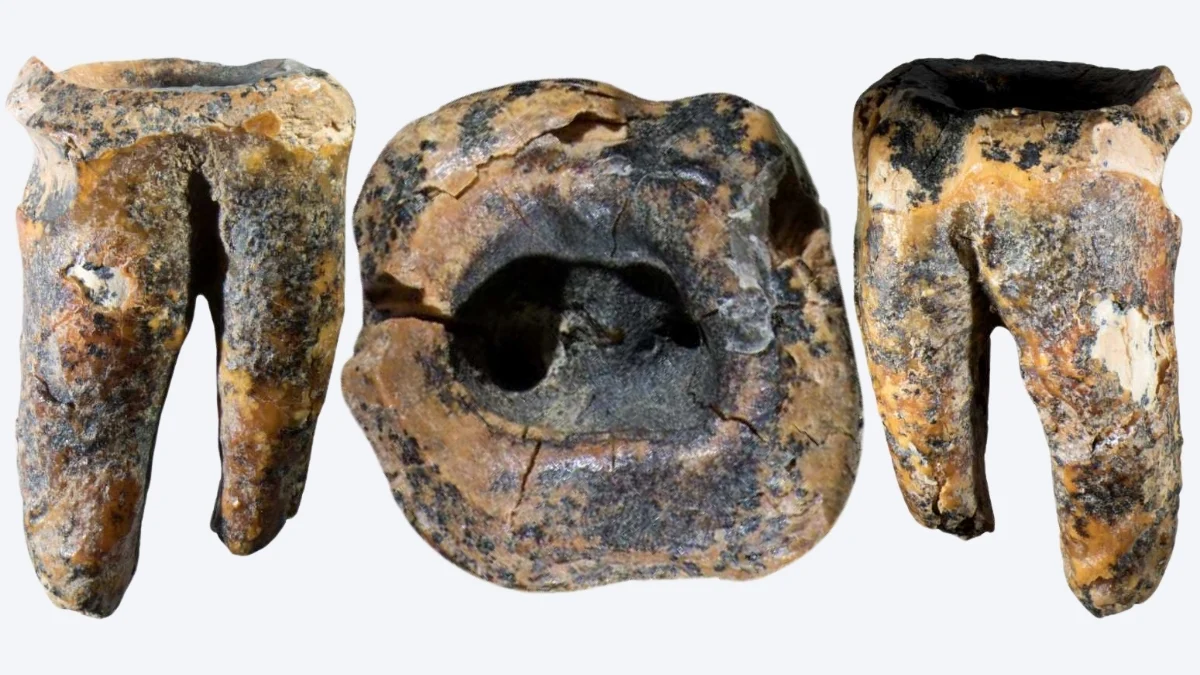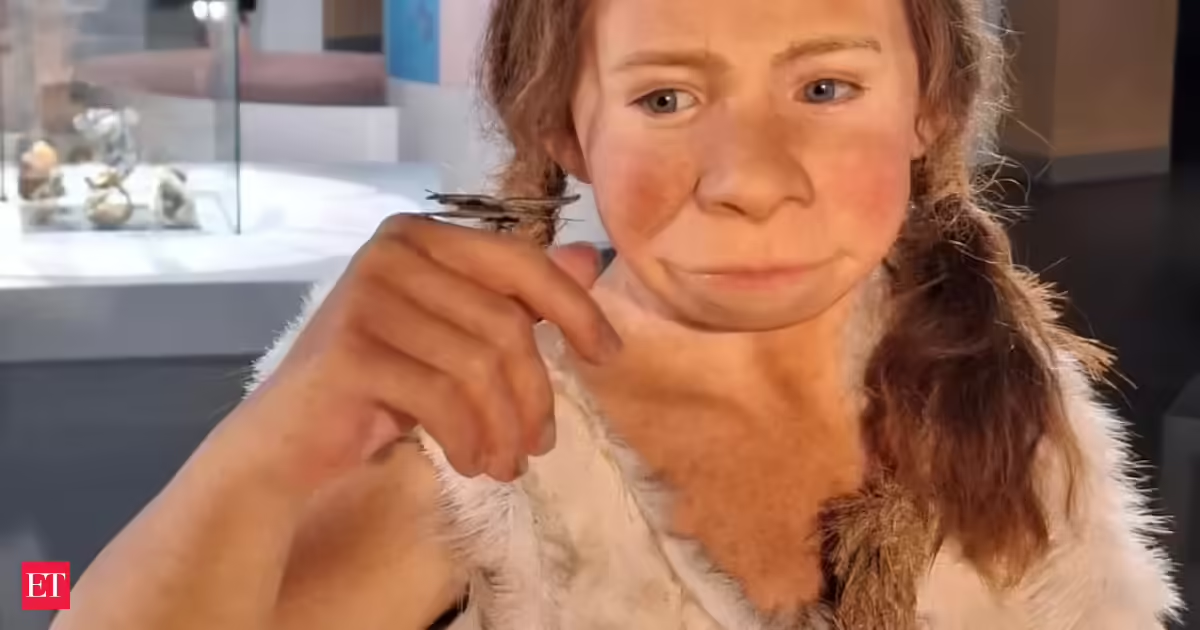
She was about eight years old. She grew up in a river valley in what is now Belgium. She died before she ever had the chance to be an adult. She was a Neanderthal. And more than 127,000 years after her death, genetic material taken from her fossilized tooth has become one of the most important samples ever taken from an ancient human relative.According to Atlas Obscura, the cave that held her remains, Grotte Scladina, was discovered in 1971 in a narrow green valley near the village of Sclayn in Belgium. The work at the entrance uncovered carved tools, and in 1978 the University of Liège joined the excavations because of the importance of these early finds. Then followed a series of discoveries that would alter the way scientists viewed Neanderthals and, by extension, our own evolutionary history.A hillside hiding 127,000 years of historyAccording to Atlas Obscura, excavations at Grotte Scladina have been ongoing since 1978 and have yielded 120,000 animal bones and 20,000 artifacts dating to the Middle Paleolithic. The size of this haul alone made it one of the most important prehistoric sites in Belgium. But nothing prepared researchers for what was to come.On July 16, 1993, excavators unearthed the left half of a human mandible; a maxillary fragment and several teeth were recovered in later campaigns. According to Peyrégne and colleagues' 2019 Science Advances study, analyses of the 19 bones confirmed that they all belonged to a single individual, an approximately 8-year-old child, probably a girl, who lived around 127,000 years ago. Since then, she has been known as the "Scladina child."This mandible, belonging to the eight-year-old Neanderthal girl, is one of Europe's most significant hominin fossil finds. Image Credits: @artersmarter/ InstagramThe DNA that rewrote the record booksIf the bones were remarkable, then what happened next was extraordinary. Genetic material was extracted from one of the child’s molars by scientists.According to a landmark study published in Current Biology titled ‘Revisiting Neandertal diversity with a 100,000 year old mtDNA sequence’ by Ludovic Orlando and colleagues, researchers recovered mitochondrial DNA from the Scladina tooth, the most ancient Neanderthal genetic material ever studied at that time. The research confirmed that Neanderthals and modern humans were not only distant relatives but also proved that the genetic diversity among Neanderthals had been underestimated in the past. It turned out that Neanderthals were not the genetically uniform population that earlier research had assumed.Years later, researchers came back to the Scladina remains with better tools. In 2019, Stéphane Peyrégne and colleagues at the Max Planck Institute for Evolutionary Anthropology published a study in Science Advances titled ‘Nuclear DNA from two early Neandertals reveals 80,000 years of genetic continuity in Europe,’ where they retrieved nuclear genomic sequences from the maxillary bone of the Scladina child, dating the individual to around 120,000 years ago. Nuclear DNA, inherited from both parents, provides scientists with a much richer picture of ancestry and population history than mitochondrial DNA alone. Grotte Scladina in Sclayn, Belgium: the only Belgian cave still being actively excavated and open to the public. Image Credits: Wikimedia CommonsAccording to Peyrégne and colleagues’ 2019 Science Advances study, the Scladina individual and a Neanderthal from Hohlenstein-Stadel Cave in Germany were genetically closer to later European Neanderthals than to a roughly contemporaneous individual from Siberia, suggesting that all later Neanderthals may trace at least part of their ancestry back to these early Europeans.Growing up Neanderthal: faster than you'd thinkThe Scladina child has given us clues about Neanderthal childhood development that challenge our assumptions about how “human” their upbringing actually was.According to a 2007 study published in PNAS, titled ‘Rapid dental development in a Middle Paleolithic Belgian Neanderthal’ by Smith and colleagues, Neanderthal children formed most teeth over a shorter period than modern humans, with dental initiation and eruption relatively advanced, meaning the Scladina child at eight years old showed a degree of development comparable to modern human children several years older. Other aspects of physical development, such as a faster onset of sexual maturity and different patterns of early cognitive development, were also likely to be more rapid in juvenile Neanderthals. It appears that the childhood of Neanderthals was shorter than the long developmental period that characterizes modern human growth.This quick developmental process provides an especially poignant insight into the short-lived life of the Scladina girl. Living in such an unforgiving environment, the speed with which she developed physically meant that she needed to adapt to and help her clan survive at a much younger age than an eight-year-old would nowadays. Each successive layer of her fossilised tooth enamel stands as a testament to this demanding journey. This underscores a key evolutionary trade-off: while modern humans extended their childhoods to develop highly sophisticated brains, Neanderthals relied on rapid physical maturity to endure their harsh world.Why this cave still mattersThe site itself has not stopped giving. According to Atlas Obscura, Grotte Scladina contains nearly 15 meters of sediment, organized into 28 major layers, making it the most complete stratigraphic sequence in Belgium still available to researchers and used by scientists to understand the climate conditions of the Upper Pleistocene.19 fragments of the jawbone of the Neanderthal child. Image Credits: Wikimedia CommonsThe cave was classified as an archaeological site in 1996 and listed as part of Wallonia's exceptional immovable heritage in 2016. Since 2019, it has been on the provisional UNESCO World Heritage List as one of the “Neanderthal fossil sites in Wallonia,” along with three other Walloon sites. It is the only Belgian cave still being excavated and open to the public.Discoveries from Grotte Scladina are now exhibited in the permanent collection of the EMA (Espace Muséal d’Andenne) in Andenne.For most Americans, this may be just another cave in Belgium. But Neanderthals are not someone else's ancestors; they are part of our story as well. The Scladina child was a girl who never grew up. She left behind just enough of herself for science to slowly put together who she was, how she grew, and where she fits in the ancient family tree that eventually produced all of us.
Scientists found an 8-year-old Neanderthal child in a Belgian cave, and the molar DNA found is said to be the oldest human genetic code ever sequenced, turning one hillside into a rare window on our deep past
Scientists have uncovered the oldest human genetic code from an 8-year-old Neanderthal child in Belgium, offering profound insights into our evolutionary past and Neanderthal development.
1,009 words~5 min read