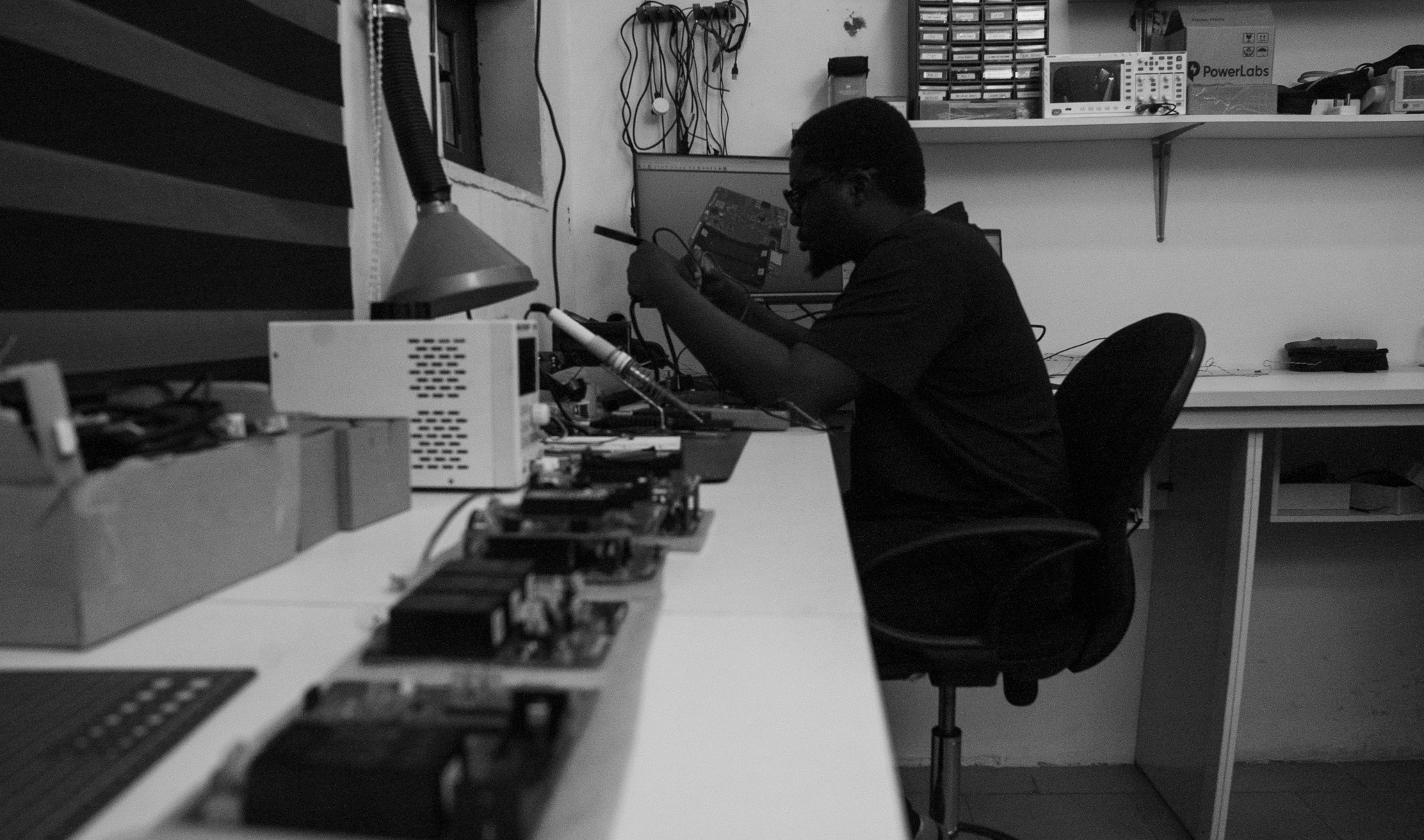
Every adult in Lagos or Abuja is secretly an accidental logistics manager running a highly stressful, multi-million Naira energy utility company out of their own kitchen. Abdulmajeed Amussah thinks that’s absurd; so he built an AI to fire them all.
The first thing you realize when you pay attention to the infrastructure of a Nigerian household is that adulthood here is essentially an ongoing battle against sudden resource depletion.
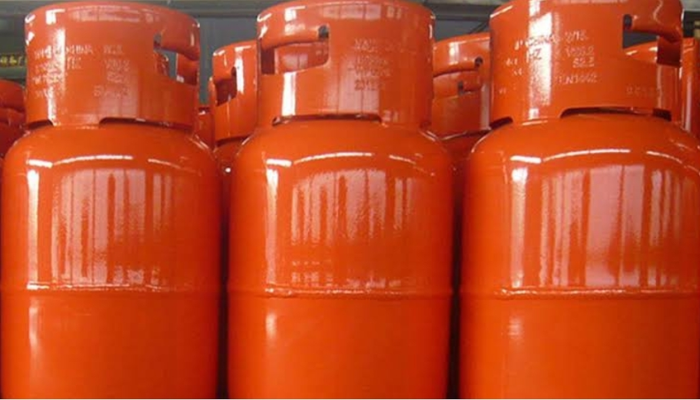
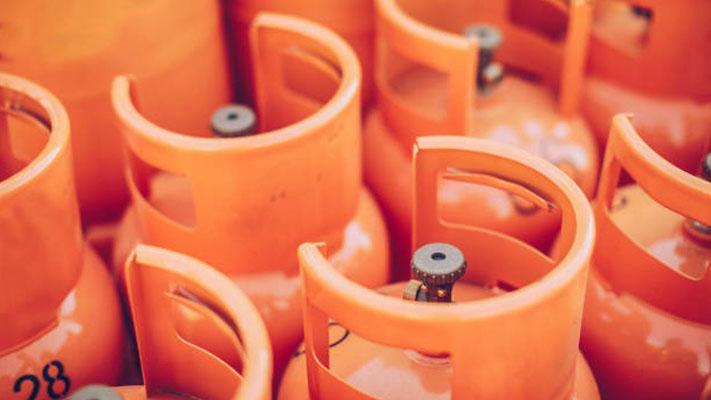
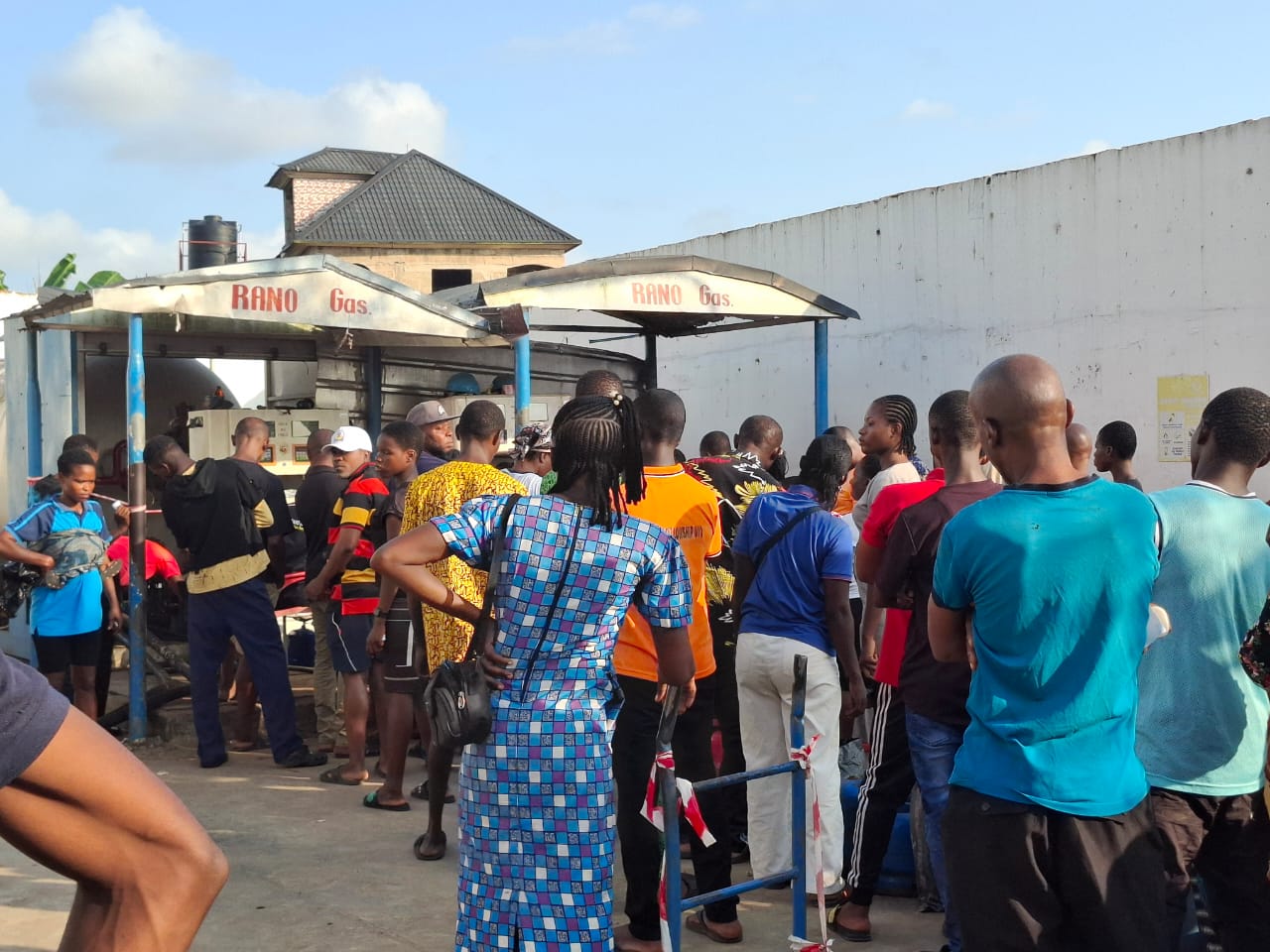
The 12.5kg gas cylinder that was supposed to last through the month dies on a Sunday night while the stew is halfway done. The local vendor’s phone goes straight to voicemail. The diesel holding the generator together cuts out on a Thursday afternoon, mid-zoom call, mid-sentence. The prepaid electricity meter, which you could swear you recharged last week, lets out its signature high-pitched beep of doom.
In a city like Lagos, energy doesn’t just run out; it runs out aggressively, at the exact moment designed to cause maximum psychological damage.
This isn’t a minor domestic inconvenience. It’s a systemic operational failure. In Lagos alone, citizens burn an estimated ₦5.3 trillion every single year on an informal, fragmented, and unpredictable utility supply chain.