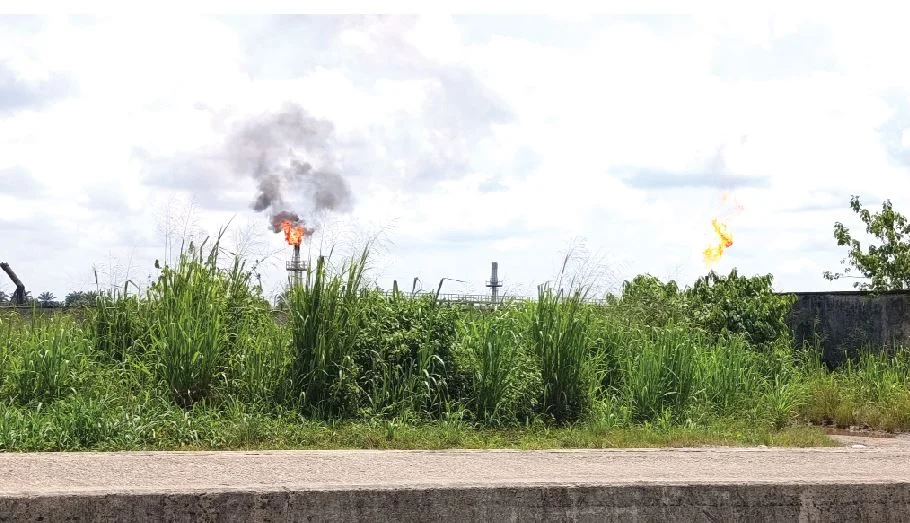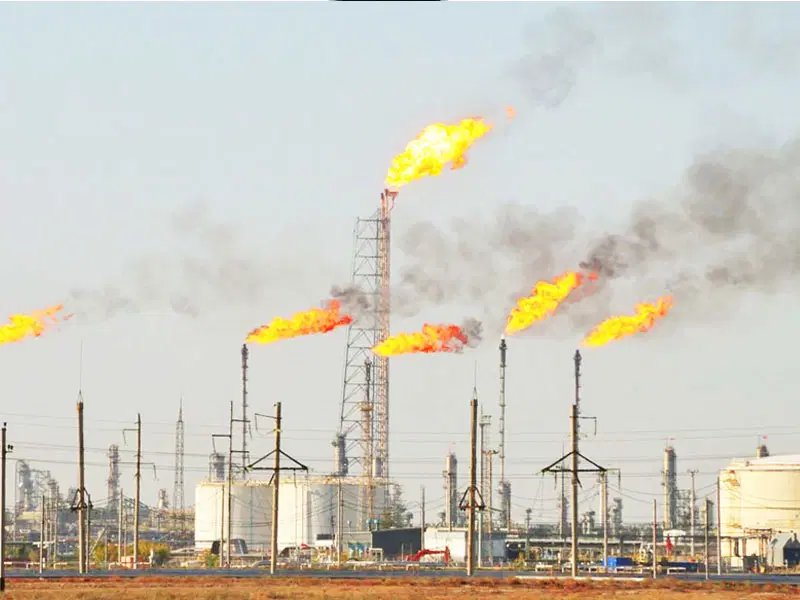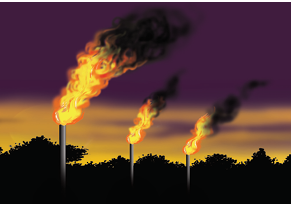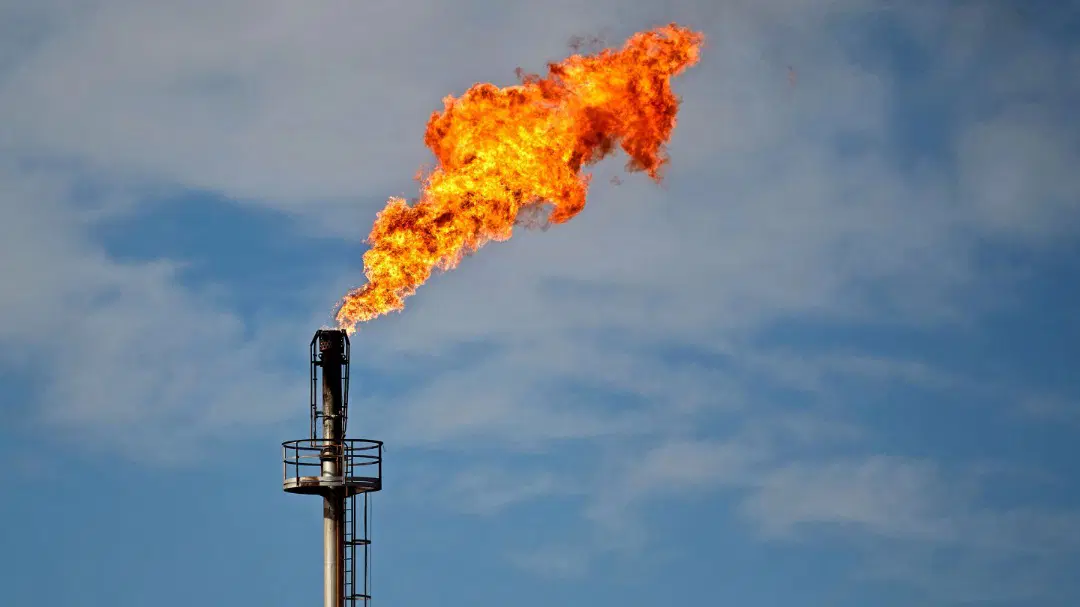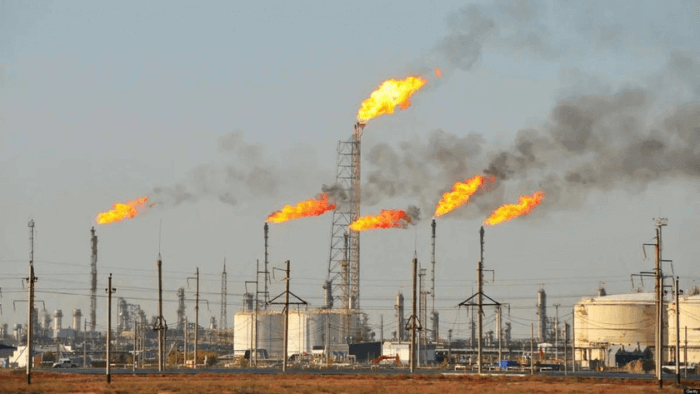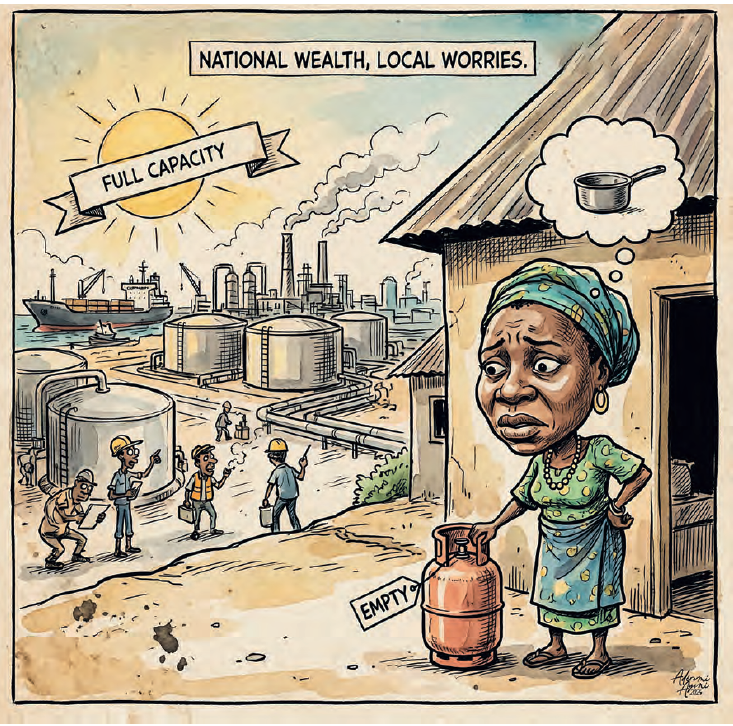
On a clear night in the Niger Delta, you do not need a map to find the flare stacks. You follow the light. Orange columns rise from the creeks and mangroves, burning day and night, visible from kilometres away, indifferent to the communities sleeping beneath them. Somewhere nearby, a hospital is running on diesel. A school has no evening classes because there is no reliable power after dark. A processing facility that could convert that burning gas into electricity sits idle, its development stalled at the project preparation stage, its financing unresolved, its offtake agreement unsigned.
The gas is there. The demand is there. The money, at least in the aggregate, exists. What does not exist is the system connecting them.
That absence is the argument of this article.
The resource illusion
The energy debate has a persistent and expensive blind spot. It conflates resource ownership with energy security. They are not the same thing, and the gap between them has cost more in lost development than most policy discussions are willing to acknowledge.