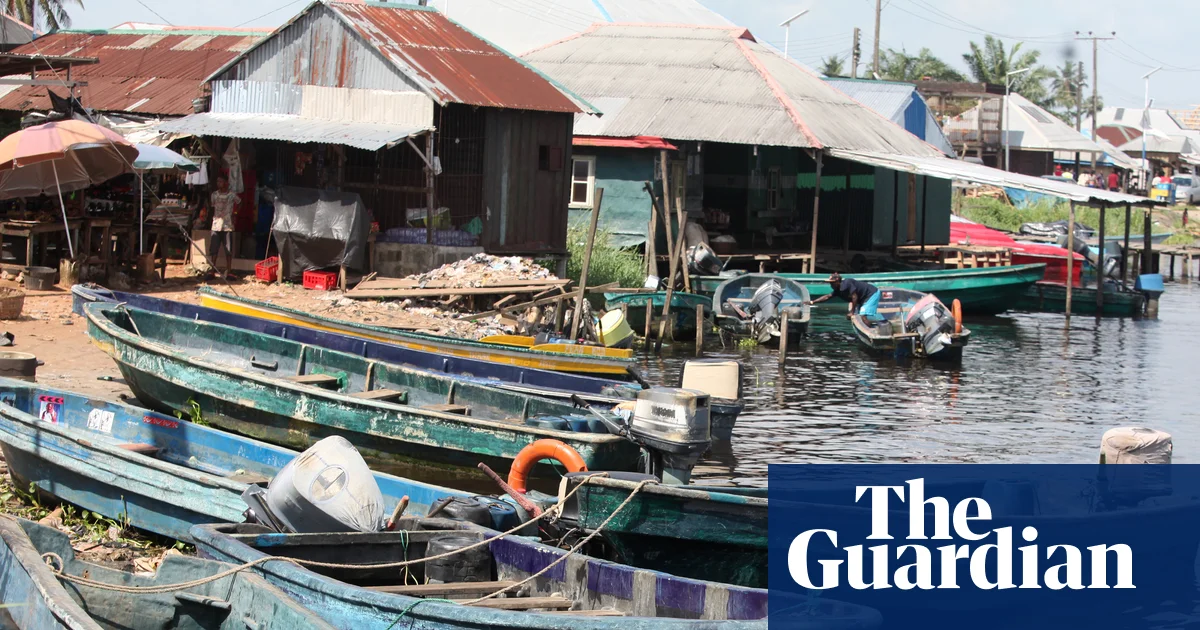
For decades, Nigeria has pledged to end routine gas flaring and cut methane emissions. Yet, in the oil-producing communities of Rivers State, residents continue to pay the price with their health, livelihoods, and lives. From children battling chronic respiratory illnesses and persistent skin diseases to mothers mourning infants lost after breathing complications, DARE AKOGUN investigates the human cost of this environmental pollution and why vulnerable communities remain exposed despite years of climate commitments
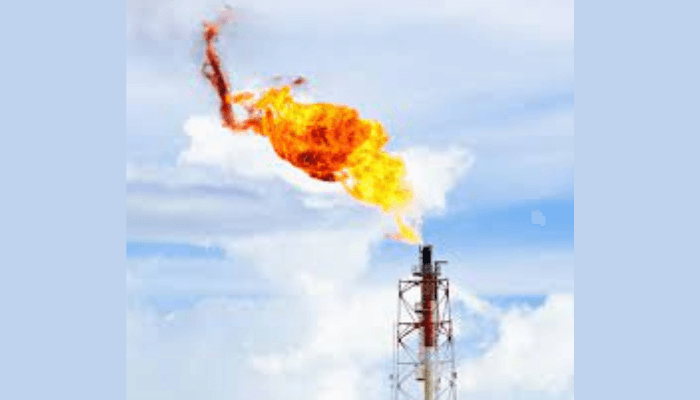
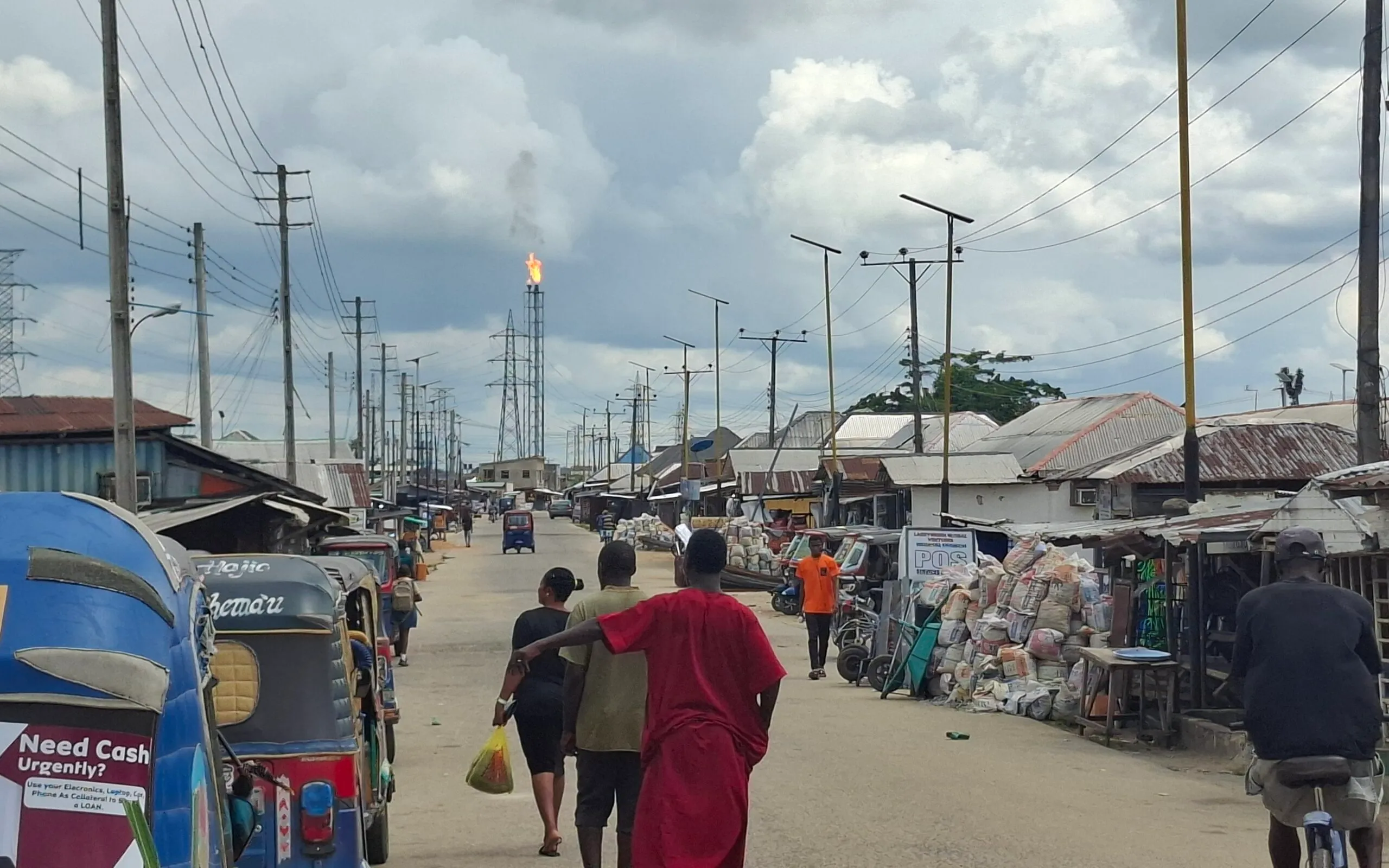
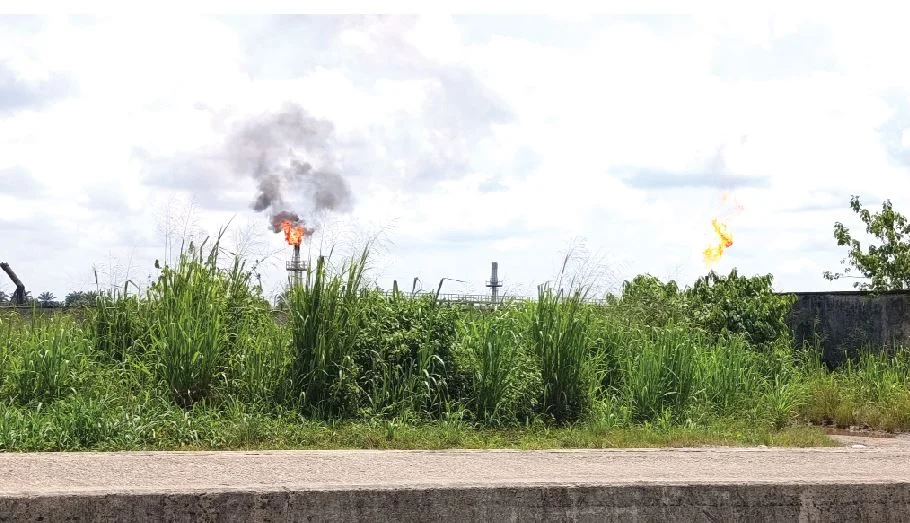
As dusk settles over Okwuzi, an oil-producing community in Ogba/Egbema/Ndoni Local Government Area of Rivers State, the horizon bursts into shades of orange and crimson. Towering flames shoot endlessly from gas flare stacks, illuminating the night sky with an eerie glow.
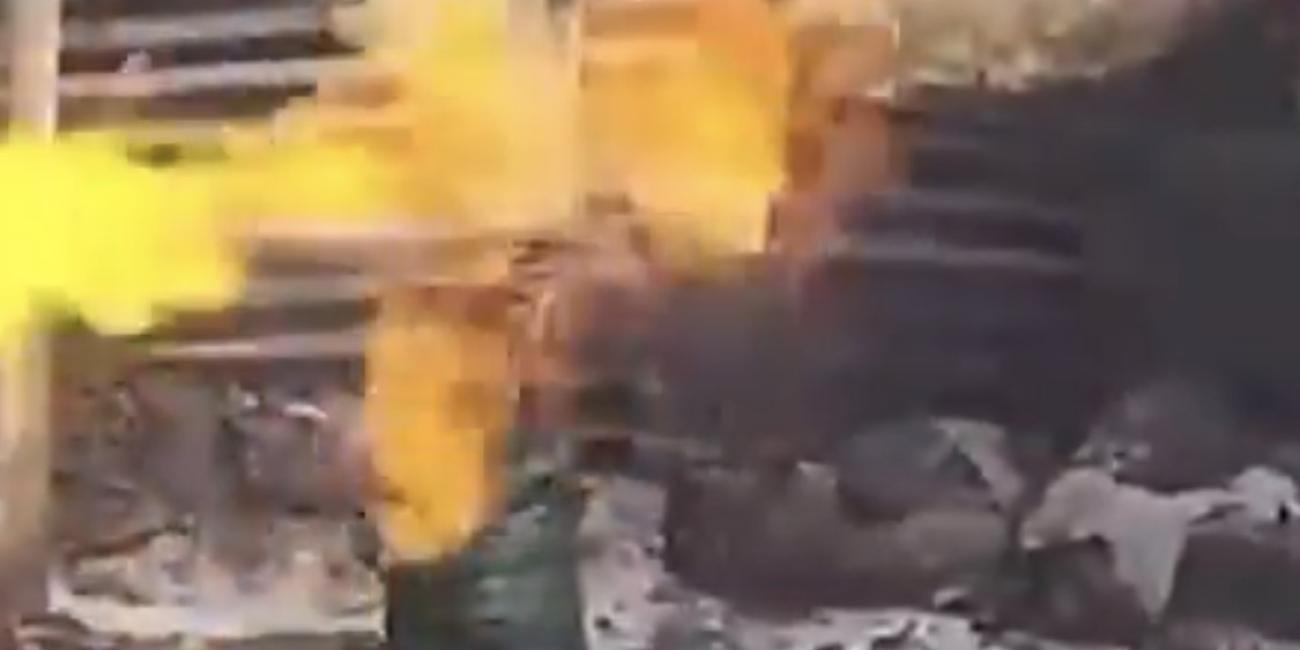
The flames burn relentlessly, day and night, sending waves of heat and thick plumes of gases into the atmosphere.
The fires never go out. Neither, residents say, do the problems they bring.
For many children born in Okwuzi, Obirikom, Ebocha and other neighbouring communities, the blazing flames have become as familiar as the moon. Some have grown up believing they are simply part of nature.