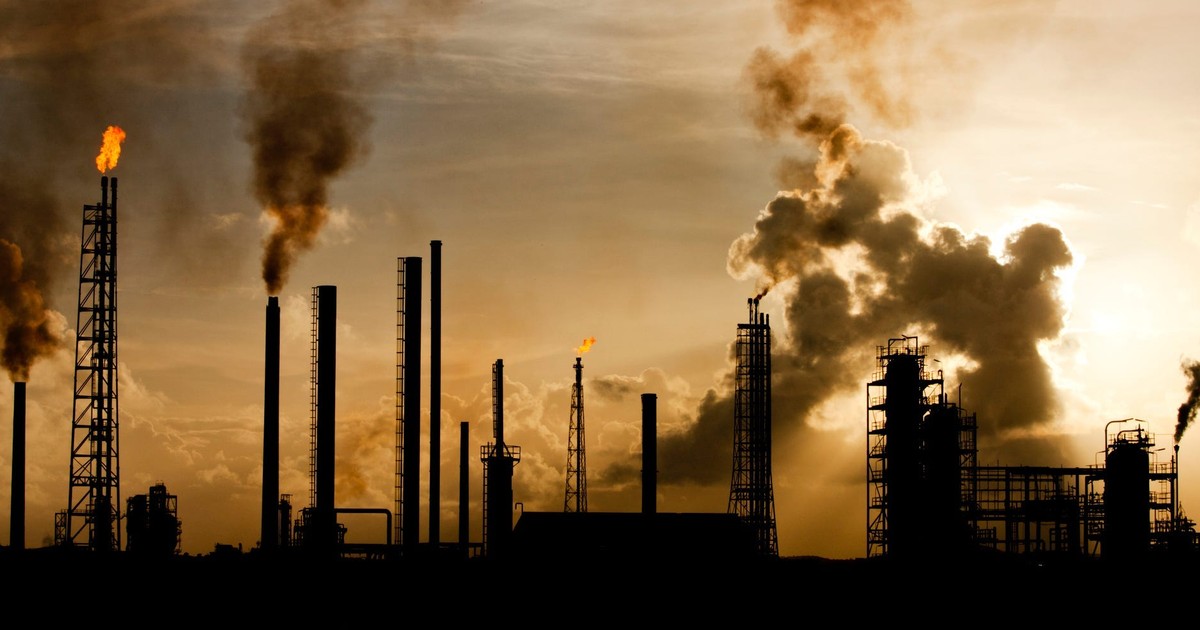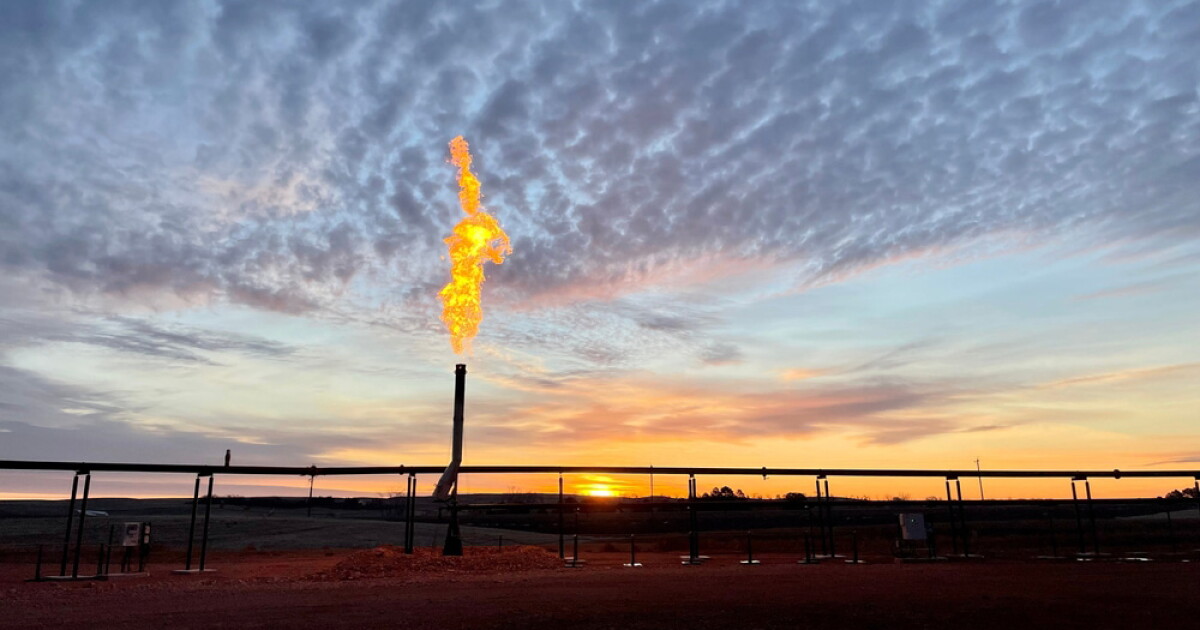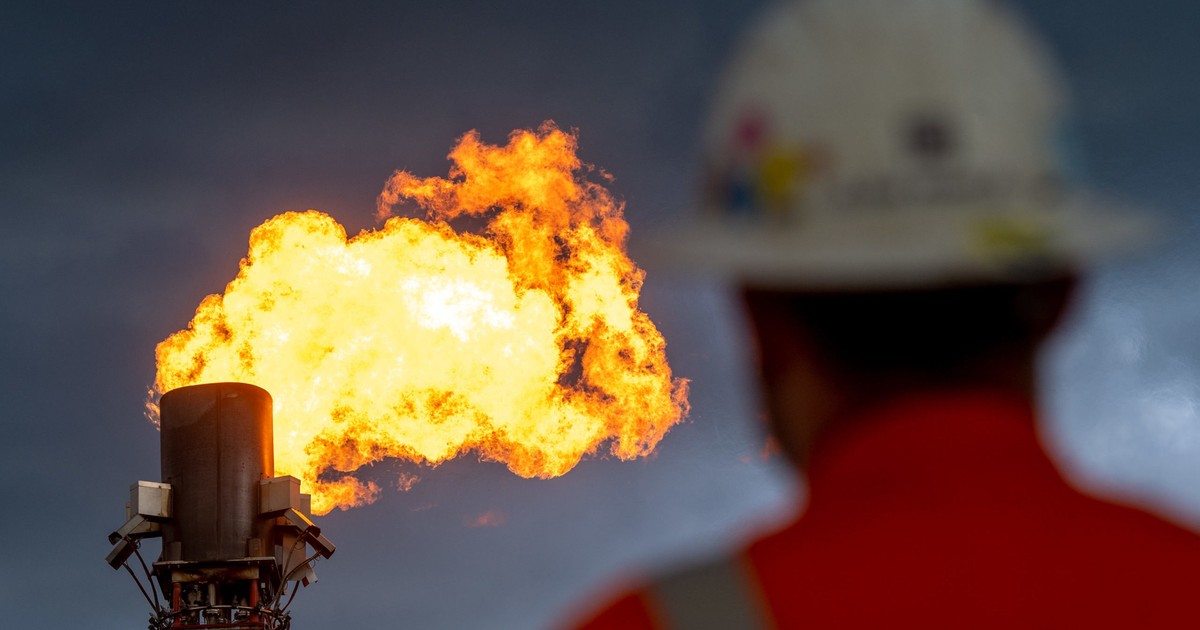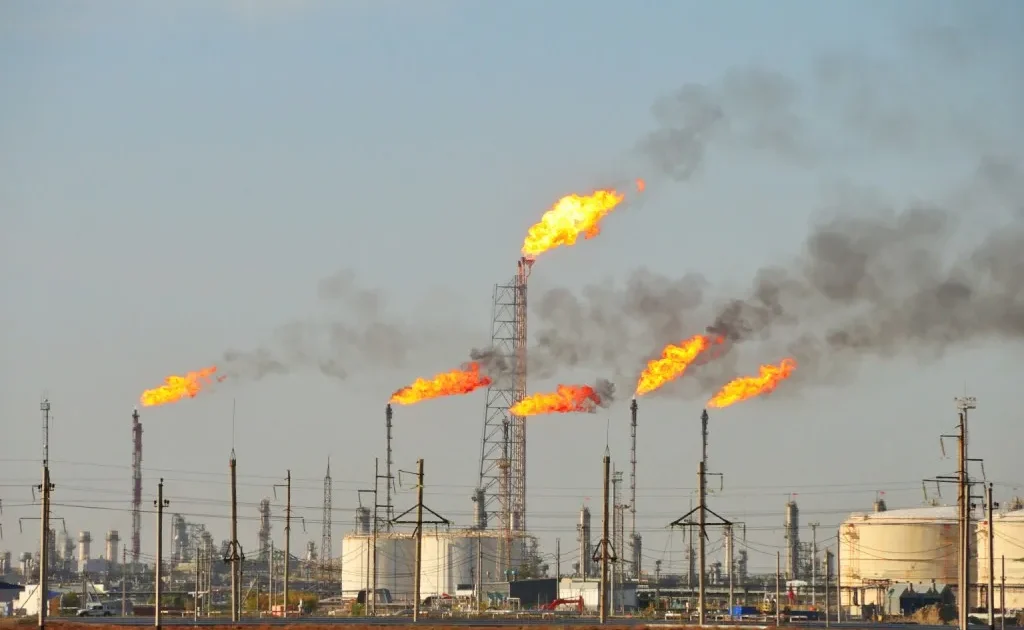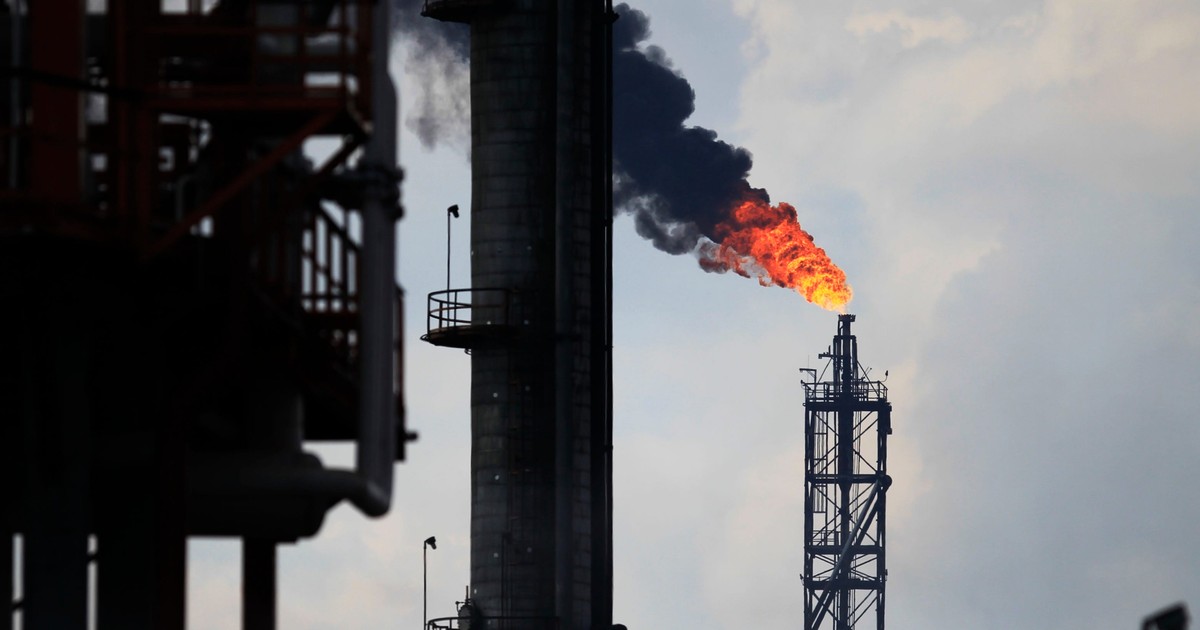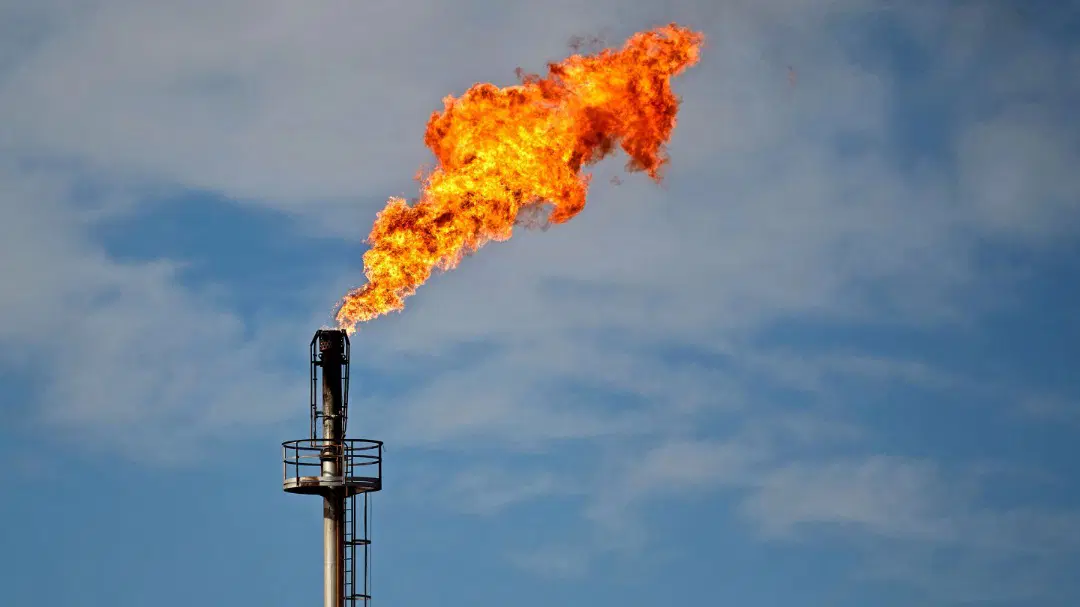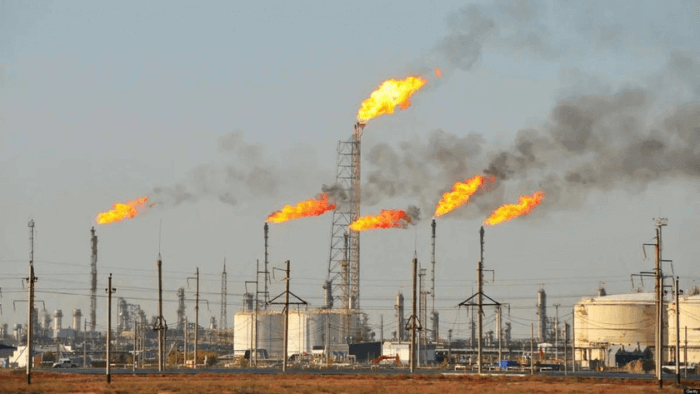
Global gas flaring increased for the third consecutive year in 2025, reaching 167 billion cubic metres (bcm) and resulting in the loss of an estimated $54 billion worth of natural gas. The continued waste comes at a time when many countries, particularly developing nations, are grappling with energy shortages.
Capturing and utilising this gas could improve energy security, expand electricity generation, support economic growth, create jobs and significantly reduce emissions.
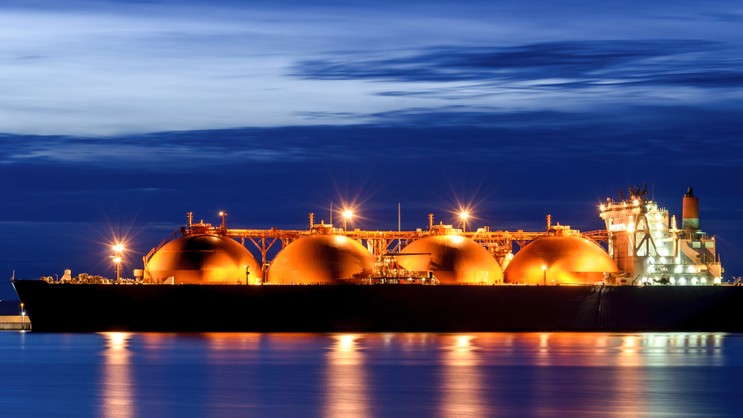
The annual Global Gas Flaring Tracker, released today by the World Bank Group, finds flaring volumes in 2025 nearly equal Africa’s entire annual gas consumption and exceed annual LNG (liquefied natural gas) volumes transiting the Persian Gulf.
Nine countries, Russia, Iran, Iraq, Venezuela, Mexico, Libya, Algeria, Nigeria, and the United States, account for more than four-fifths of global flaring while accounting for nearly half of the world’s oil production.
“At a time when many countries are struggling to increase affordable and reliable energy, the economic development costs of continued flaring are simply too high,” said Demetrios Papathanasiou, World Bank Group Global Director for Energy. “The gas currently flared could be captured to power industries and businesses, create jobs, and strengthen energy security.” Related News Insurance key to Africa's economic transformation - Oyedele France confirms first case of Ebola in patient who visited Republic of Congo Music sampling in this digital era: Who owns the rights, licenses and royalties to sampled music?