By: Abdulkareem Mojeed, Ekemini Simon, Chuwang Dungs, Famrah Bagudu, Fortune Eronmonsele, Oluwakemi Adelagun, Abubakar Ahmadu Maishanu, Auwal Umar, Ogalah Dunamis, Afolabi Joseph, Manasseh Mbachii, Emmanuel Agbo, Abubakar Abdulrasheed, Oluwole Josiah, Falmata Daniel, Folashade Ogunrinde, Idowu Omotoyosi, and Chinagorom Ugwu
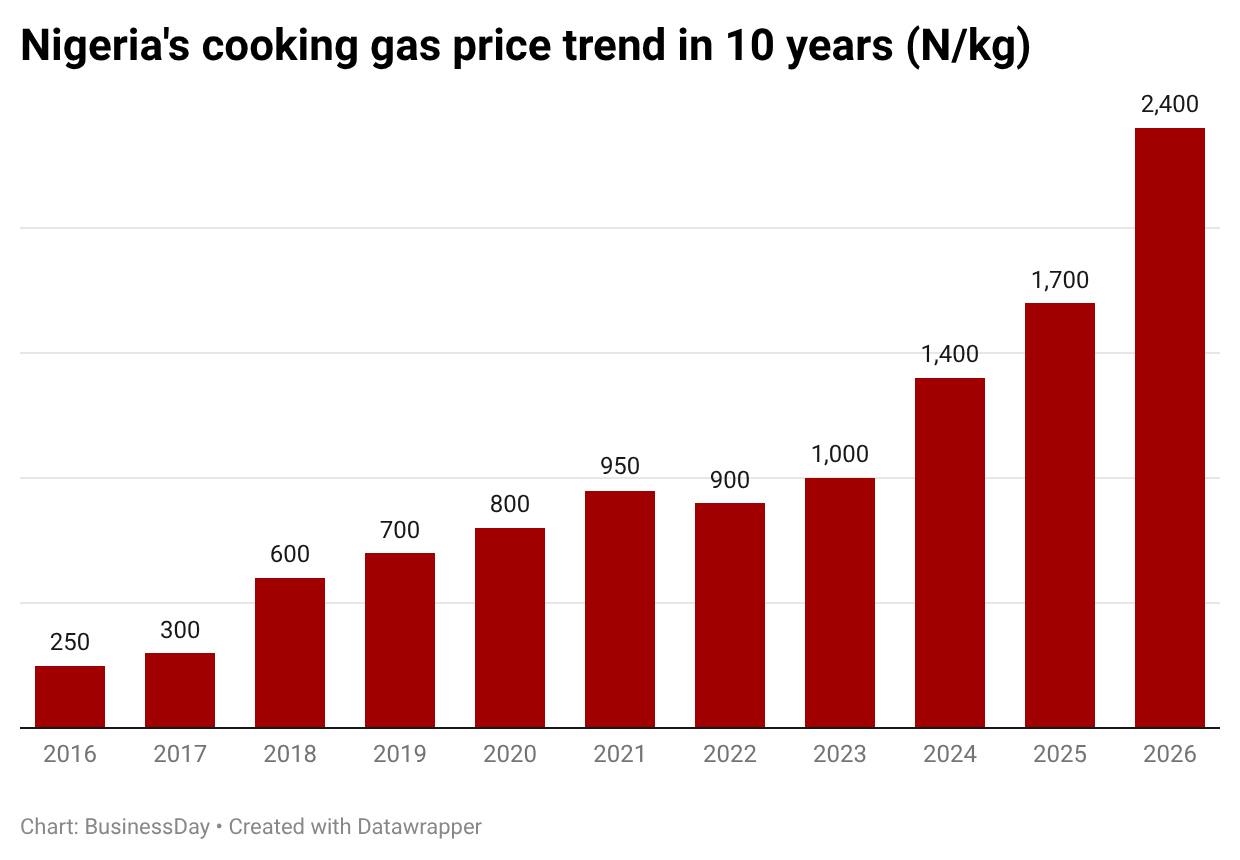
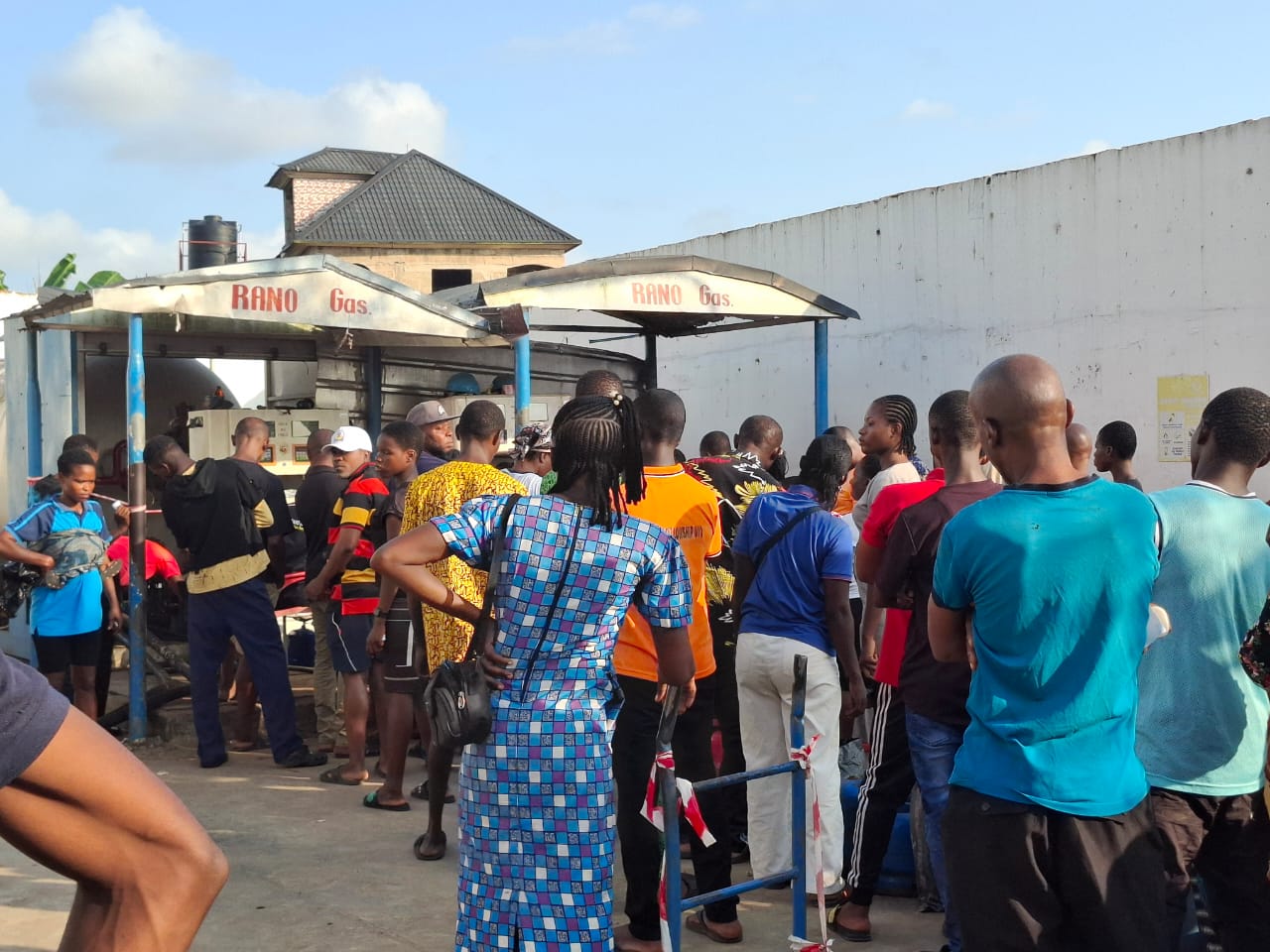
In June, Lagos fashion designer Lolade Fayemi took her 6kg gas cylinder to refill station in Baruwa, Iyana-Ipaja, with plans to buy 2kg of cooking gas. But to her dismay, she discovered that the price had jumped from about ₦1,700 per kilogramme to ₦2,500 within a week. She could only afford and eventually paid for 1 kilogramme.
“The price is ridiculous. You still spend money on transportation to the gas station, and the gas may not even serve you for a week,” she told PREMIUM TIMES in July.
Ms Fayemi’s experience mirrors that of millions of Nigerians after the price of Liquefied Petroleum Gas (LPG), popularly known as cooking gas, increased following supply disruptions triggered by the war involving Iran, the United States and Israel.
Energy experts and players across the supply chain said the increase was compounded by longstanding domestic challenges, including inadequate infrastructure, inconsistent government policies and Nigeria’s dependence on imported LPG.