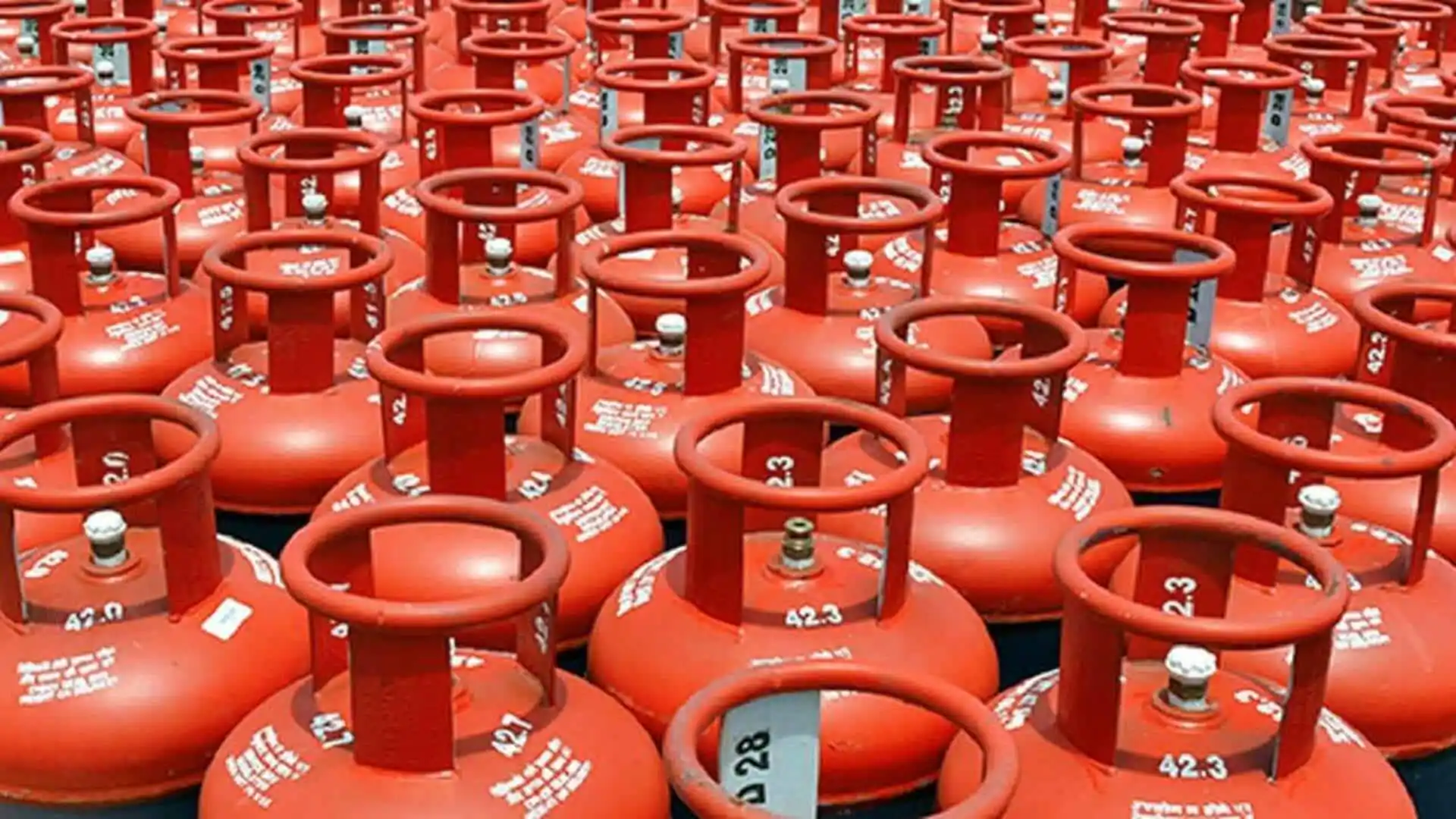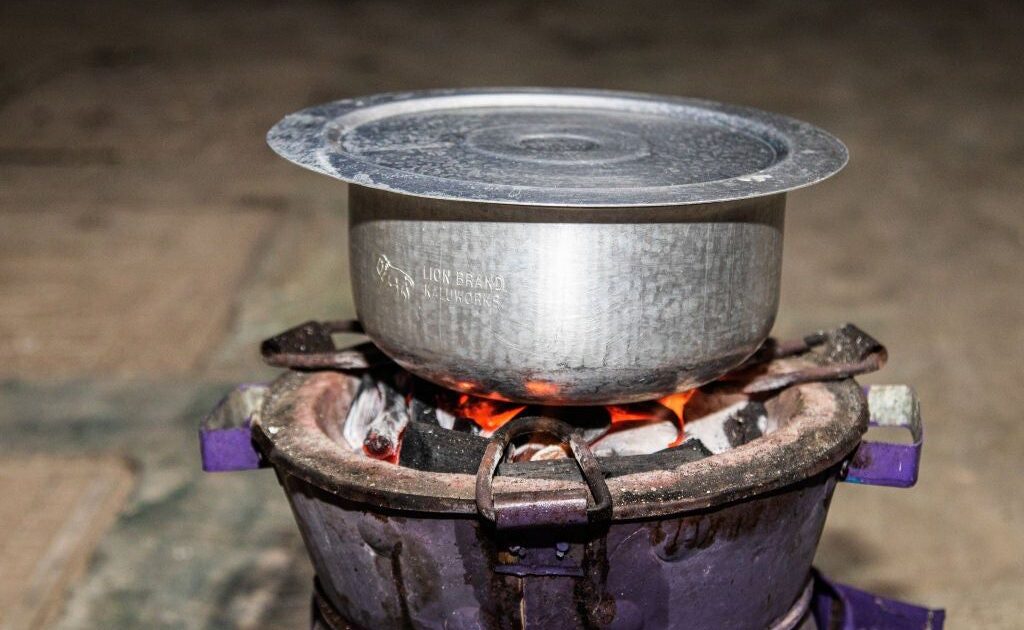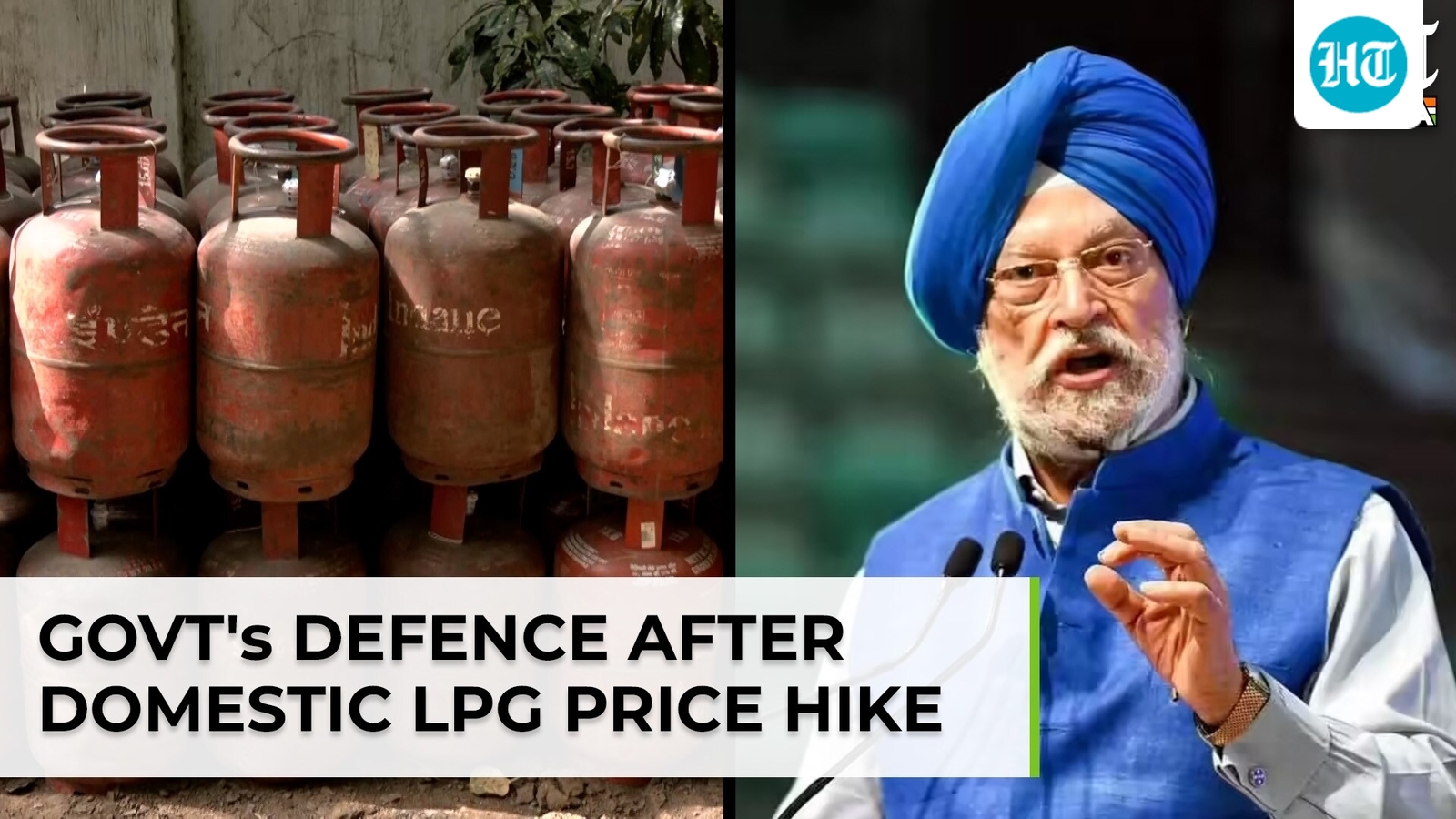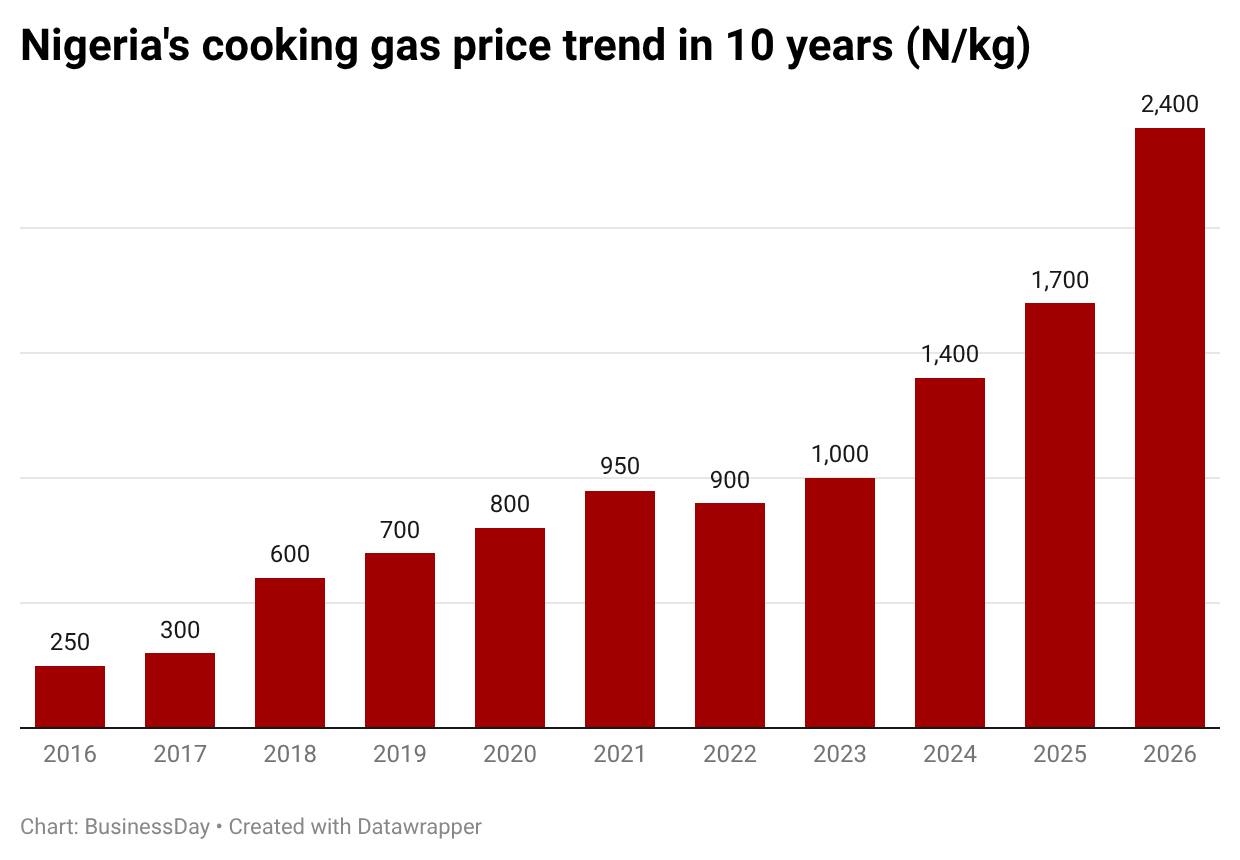
While studying chemical engineering at university in 2016, Michael Adesanya could buy a kilogramme of Liquefied Petroleum Gas (LPG), commonly known as cooking gas, for just N250. As a 200-level student living on a limited allowance, he had to budget every naira carefully, making the relatively affordable cost of cooking gas an expense he could easily accommodate.
He recalls a period in his life when, with a budget as low as N1,000, he could fill 2kg of his 6-kg gas cylinder for N500, sufficient to sustain him for about three weeks if he maintained his once-a-day eating habit, a habit peculiar to many students in Nigerian universities, and still afford a home-cooked meal with the balance.
However, 10 years down the line, not many students can afford such luxury, even with a rise in their monthly allowance. Between 2016 and 2026, cooking gas prices have jumped by more than 800 percent due to several supply bottlenecks reported by operators. But the price surge started gradually.
In 2018, prices increased marginally to N600/kg. By 2023, prices had gone beyond the three-digit mark to N1,000/kg. And by 2025, prices had moved to N1,400/kg. Today, gas prices range above N2,000, depending on location.