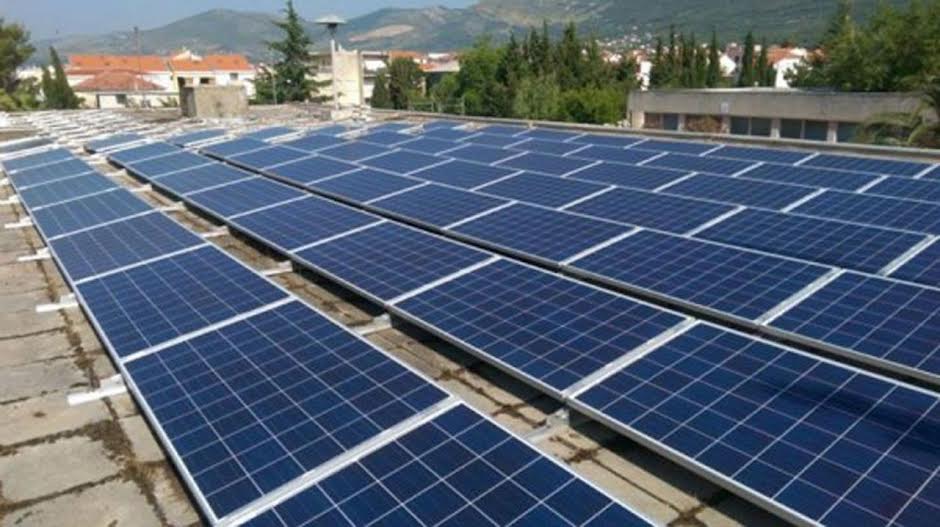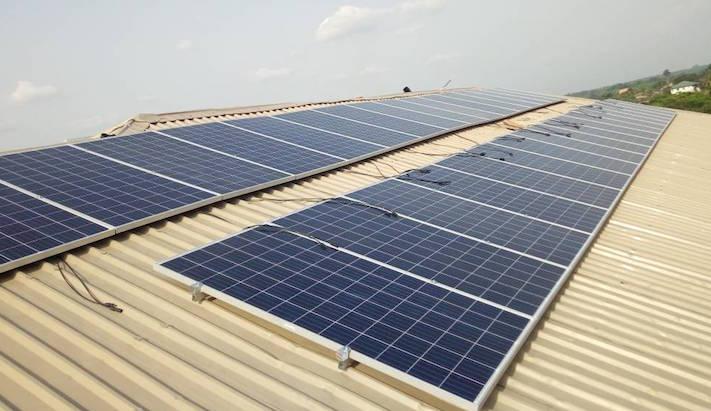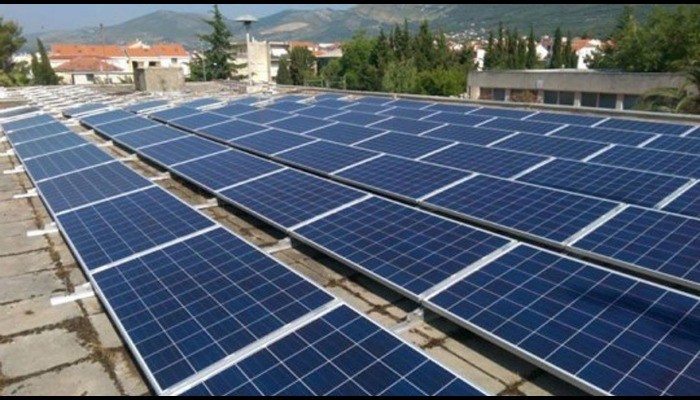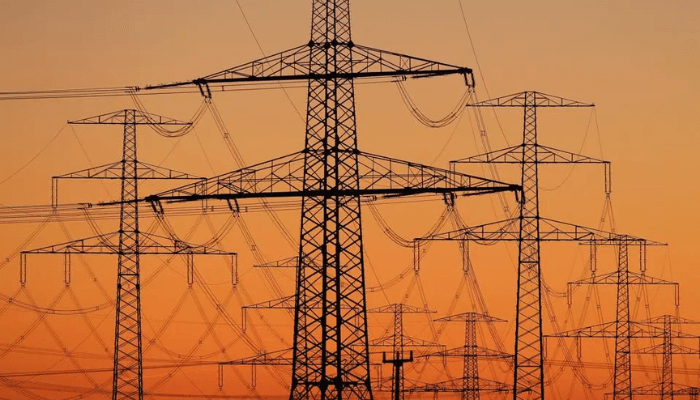
Every evening across Nigeria, millions of households and businesses perform a familiar ritual. Some start generators. Others switch to inverters and batteries. Increasingly, many turn to solar systems installed on rooftops and shopfronts. They do not do so because they have abandoned the national grid. They do so because they have learned not to depend on it.
This reality should force an uncomfortable question into Nigeria’s energy debate: what if the country’s electricity challenge is no longer simply about generating more power but about building the right kind of power system for the future?
For years, conversations about the electricity sector have revolved around the same priorities: increasing generation, strengthening transmission infrastructure, improving metering, and implementing sustainable tariffs. These objectives remain important. There is a growing risk that Nigeria is spending enormous resources trying to perfect a model whose underlying assumptions are steadily becoming outdated.
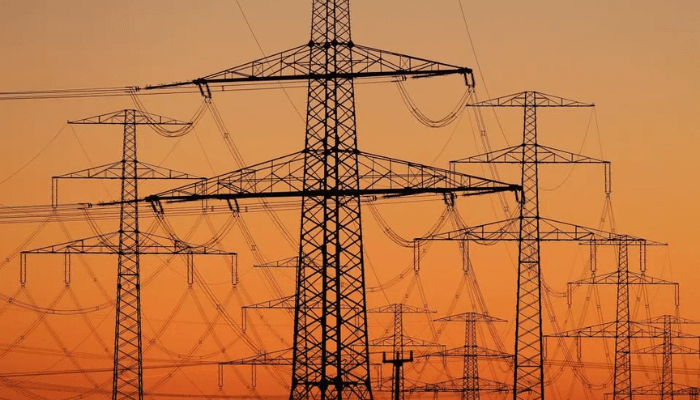
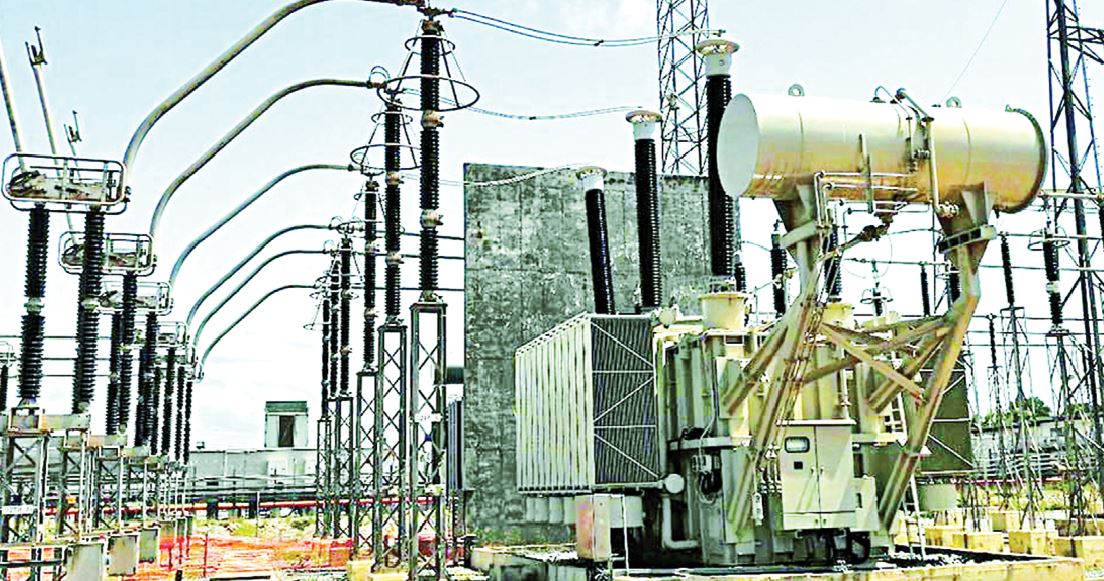
The traditional electricity system was built around a simple idea. Large power plants generated electricity that flowed through transmission and distribution networks to passive consumers. Scale delivered efficiency. Centralised planning delivered coordination. Consumers had little choice but to buy power from the grid.