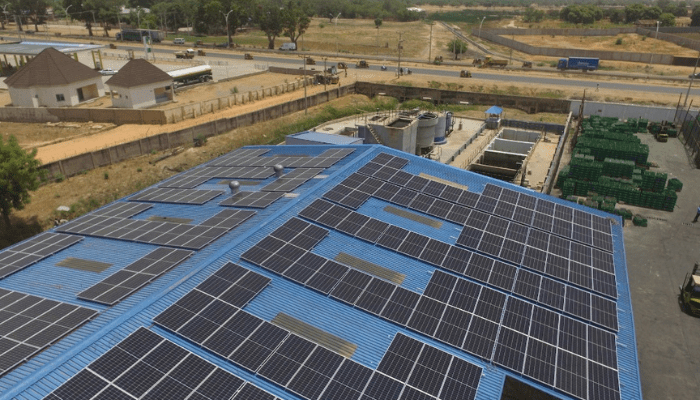
The Nigerian Electricity Regulatory Commission recently opened the national grid to enable solar users (homes, offices and factories) called ‘Prosumers’, send their surplus electricity to the grid and be paid for it. But hardware infrastructure gap poses a major drawback to this laudable policy as about 90 per cent of inverters in Nigeria can’t feed into the grid. Peter Uzoho writes.
On June 3, 2026, the Nigerian Electricity Regulatory Commission (NERC) flipped a switch on policy. For the first time in Nigeria’s power history, households, offices and factories can legally sell excess solar electricity back to the national grid.
The Net Billing Regulations 2026 created a new class of electricity user: the prosumer. This means that anyone with a solar system between 50 kilowatt-peak and 1.5 megawatt-peak can now export surplus power to distribution companies (Discos) and get paid through an ‘Avoided Cost Delivered’ credit. Under this new policy, Off-peak exports earn 0.55x, peak exports between 6-9pm with batteries earn 0.75x.
Solar experts have welcome this new policy as the Chief Executive Officer of Kartel Energy Limited, Mr. Ola Ogunsemowo described it as a fantastic move.
“It’s a very good move. It’s a fantastic move. It’s good for the industry, it’s good for the country”, Ogunsemowo said during an exclusive chat with THISDAY, but flagged infrastructure as a major challenge.