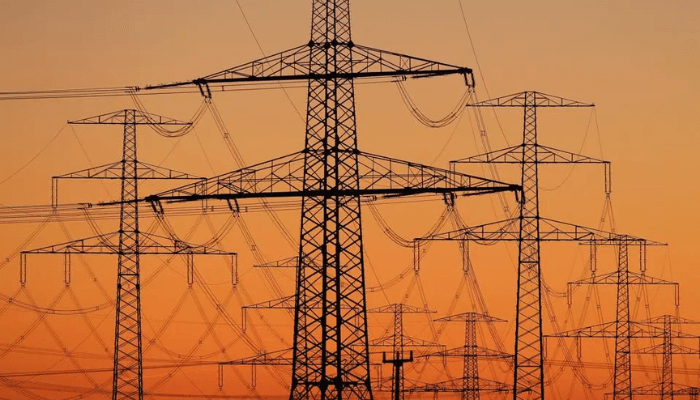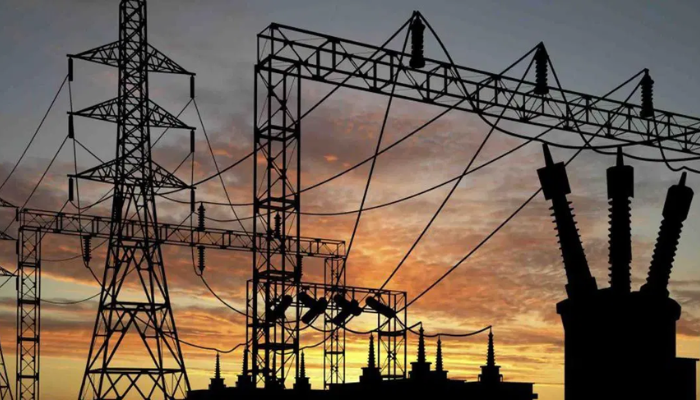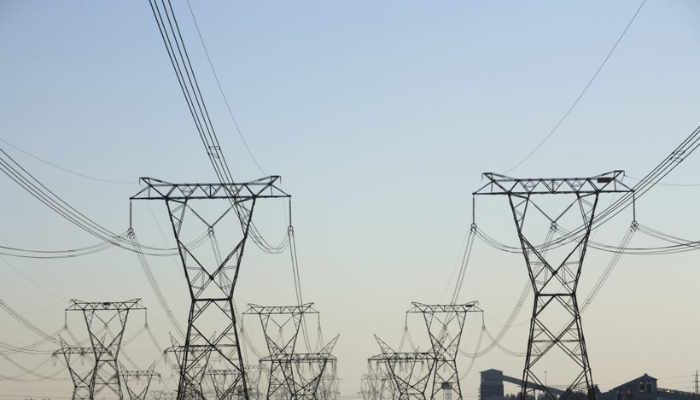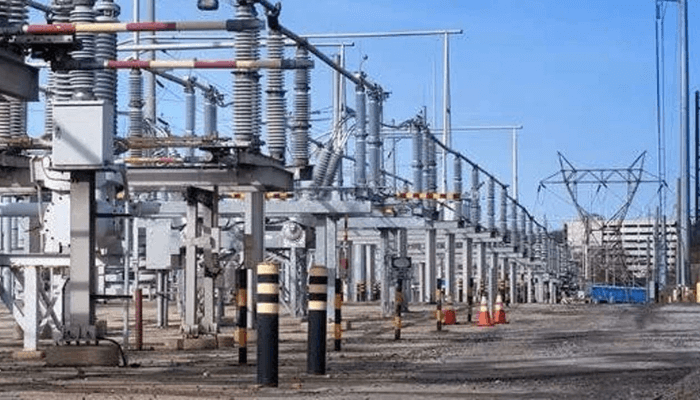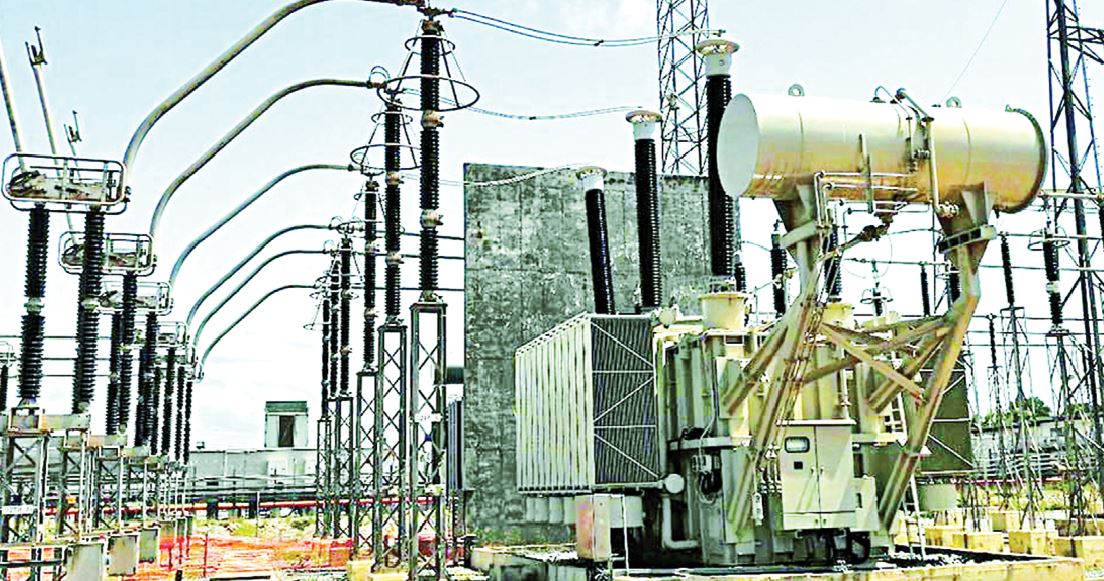
File: An electricity station
Nearly 50 per cent of Nigerian households still live without electricity. In practical terms, in almost every group of 10 Nigerians, four to five people either lack access to electricity entirely or contend with severe limitations in access. Behind every statistic is a business that cannot operate at full capacity, a health facility managing around unreliable power, or a student whose opportunities are constrained by energy poverty. For a country seeking to accelerate industrialisation, attract investment, create jobs and improve living standards, few statistics are more consequential.
According to Oando Clean Energy Limited’s National Wind Resource Capacity Report, developed in collaboration with the Nigeria Wind Energy Council, the official Nigerian affiliate of the Global Wind Energy Council, 44.6 per cent of households nationwide lack access to electricity. The challenge is not simply about generating more power. It is about ensuring Nigeria deploys every viable solution capable of helping close this gap.
For decades, Nigeria’s energy conversation has focused largely on generation capacity, transmission infrastructure and grid expansion. These are important priorities. Yet the country’s electricity access challenge remains one of the most significant barriers to economic and social development.