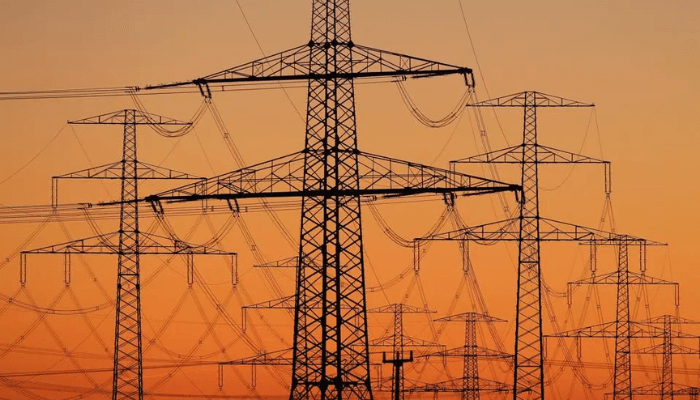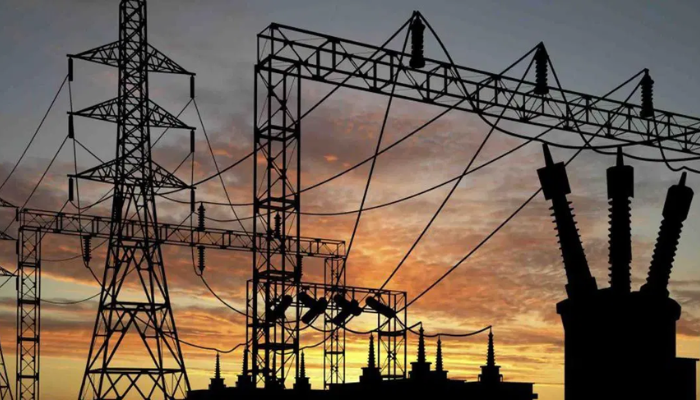
Power as the Key Driver of the Economic Prosperity of Nigeria.
If there is one problem that can transform Nigeria’s economy when solved, it is power.
Reliable electricity impacts almost everything, manufacturing, healthcare, education, agriculture, technology, and even the cost of everyday living. When power fails, businesses spend more, products become more expensive, and economic growth slows down. When power works, productivity rises, investments increase, jobs are created, and industries thrive. The reality is simple: solving Nigeria’s power challenge could unlock one of the biggest economic opportunities in Africa.
The Reality of Nigeria’s Power Sector in 2026
The numbers tell a difficult story. Nigeria has an installed generation capacity of roughly 13,000 MW, but actual power generation typically ranges between 4,500 MW and 5,500 MW for a population of more than 220 million people. The recent appointment of Mr. Joseph Tegbe, as the Minister of Power, has brought hope to the people of Nigeria, as he has committed to revamp the power sector and improve power generation within his first six months in office.