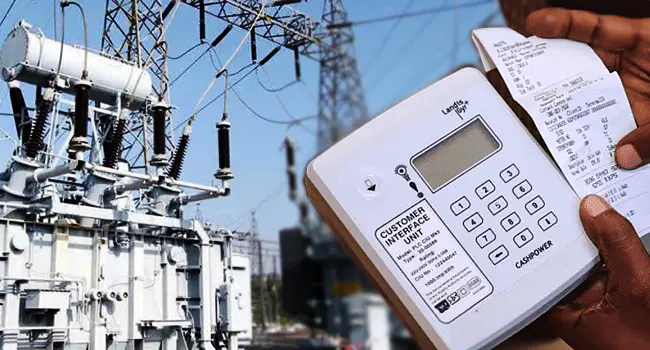
Nigeria’s electricity regulator triggered a big tariff shock in April 2024. It increased rates for some consumers by over 240%, citing the cost of producing and delivering power.
The regulator classifies consumers into five bands, A through E, based on how many hours of power their local distribution feeder receives each day. Band A gets 20 hours or more and Band E just 4-7 hours. The tariff changes primarily affect Band A customers. Their tariff rose from ₦67 to ₦225 (US$0.049 to US$0.16) per kilowatt-hour.
The public backlash was immediate and fierce. Labour unions protested nationwide and picketed the offices of the regulator and distribution companies. They demanded reversal of the hike, and shut down electricity sector offices in several cities.
But they didn’t ask the main question: why is the cost so high in the first place? The answer is not simply gas prices, exchange rates or inflation, though all play a role.
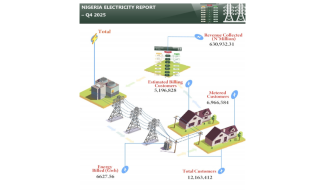
Another driver is inefficiency of the system’s operations. The electricity generated and used, and the revenue received, don’t match up.