A decade ago, a Nigerian family furnishing a new flat budgeted for a generator, a few drums of petrol and a standby fuel attendant on speed dial.
Today, that same shopping list is more likely to include a lithium battery pack, a hybrid inverter and a refrigerator built to sip direct current rather than gulp it.
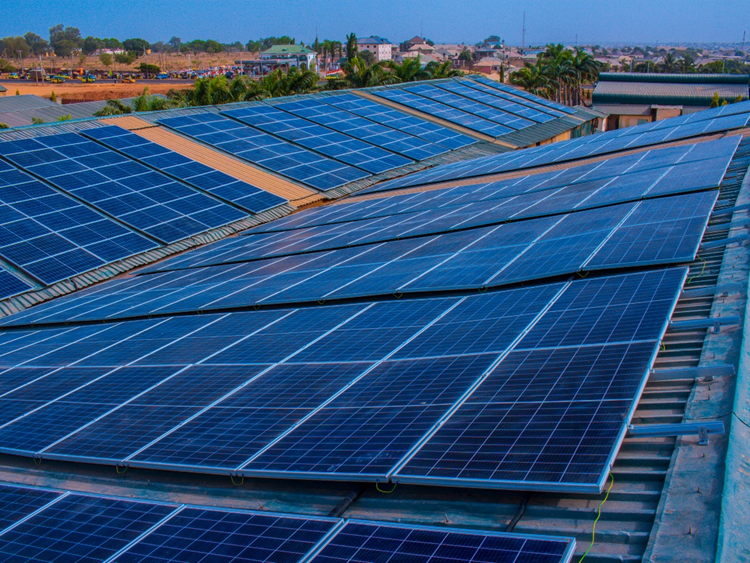
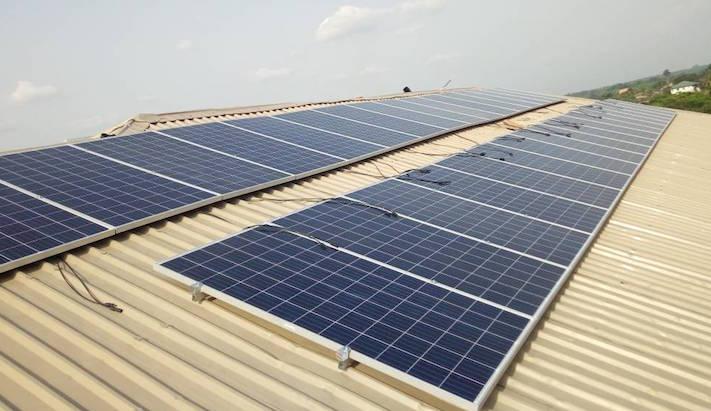
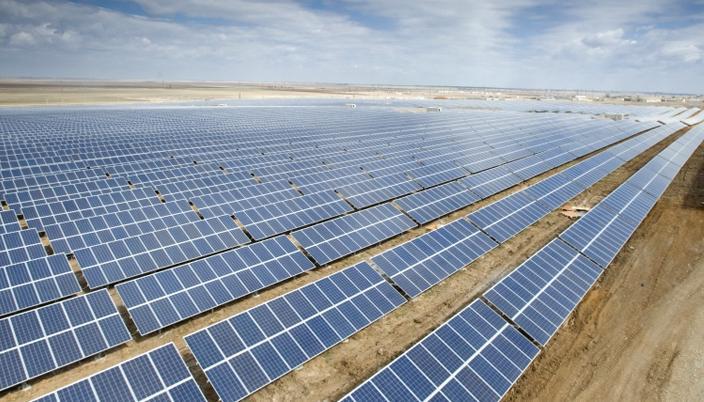
Nigeria’s installed solar capacity climbed to roughly 1,019 megawatts in 2025 after the country added more than 800 megawatts in a single year, according to data from the Global Solar Council.
Local panel manufacturing capacity has nearly tripled in two years, from 120 megawatts to about 300 megawatts, with another 3.7 gigawatts of production in the pipeline, the Rural Electrification Agency says. Imports of Chinese-made panels, still the backbone of the market, rose roughly two-thirds in the year through June 2025, tracking data from energy researcher Ember.
Power tariffs for so-called Band A customers, who were promised near-round-the-clock electricity in exchange for steep 2024 rate increases, now exceed N200 per kilowatt-hour in many areas, and the promised supply has often failed to materialise.