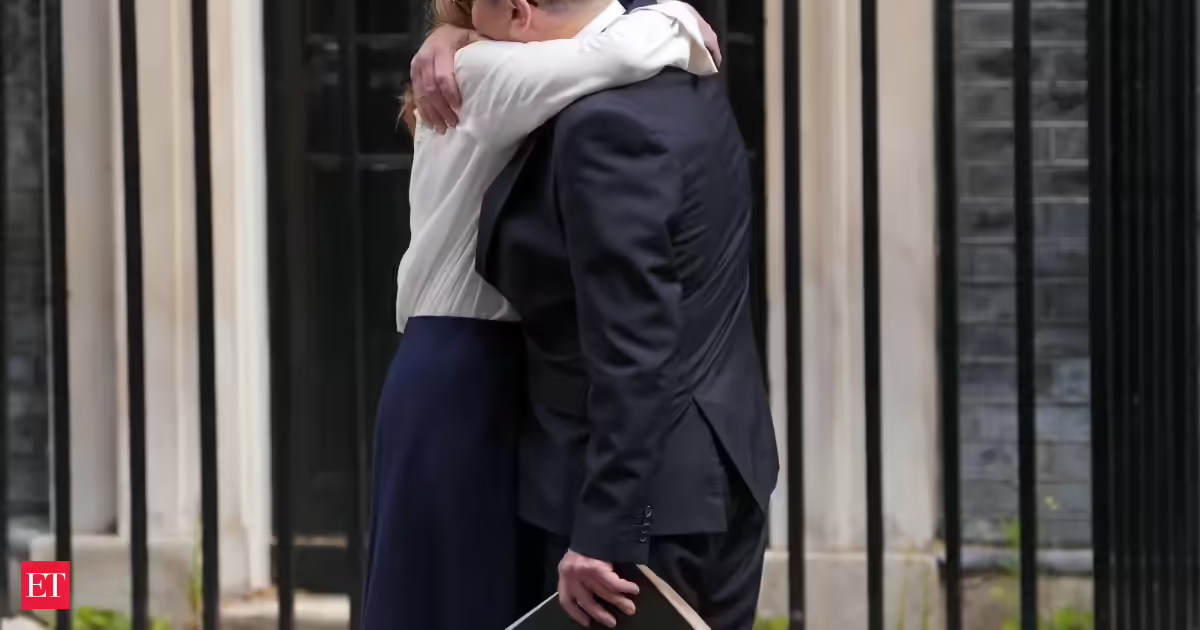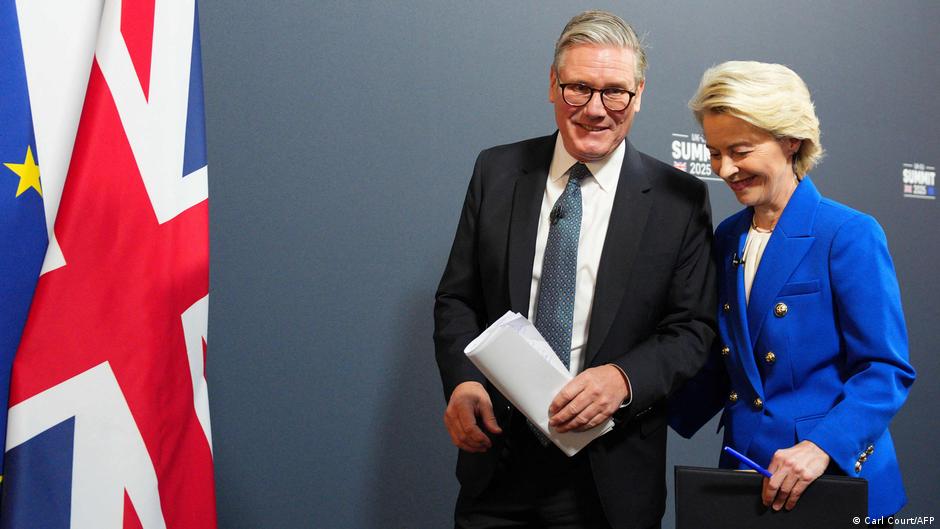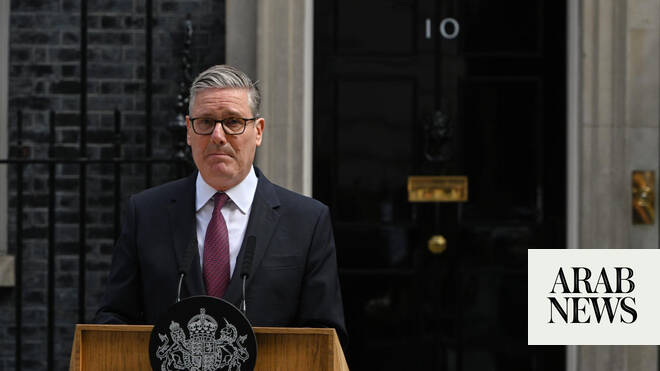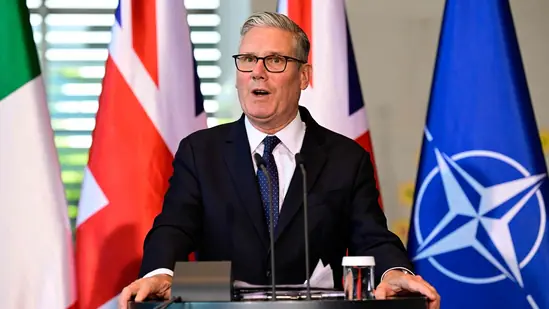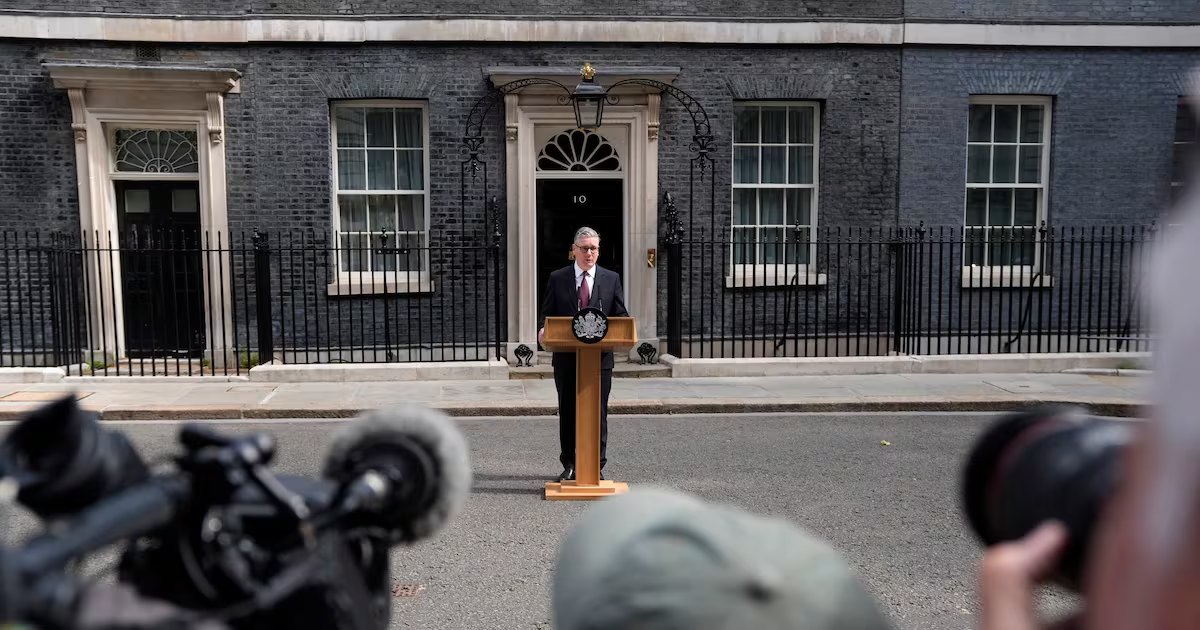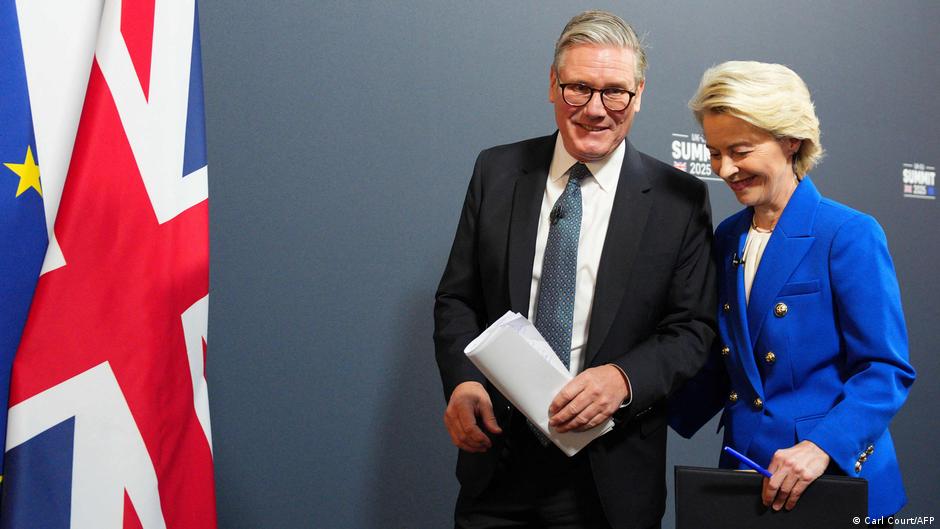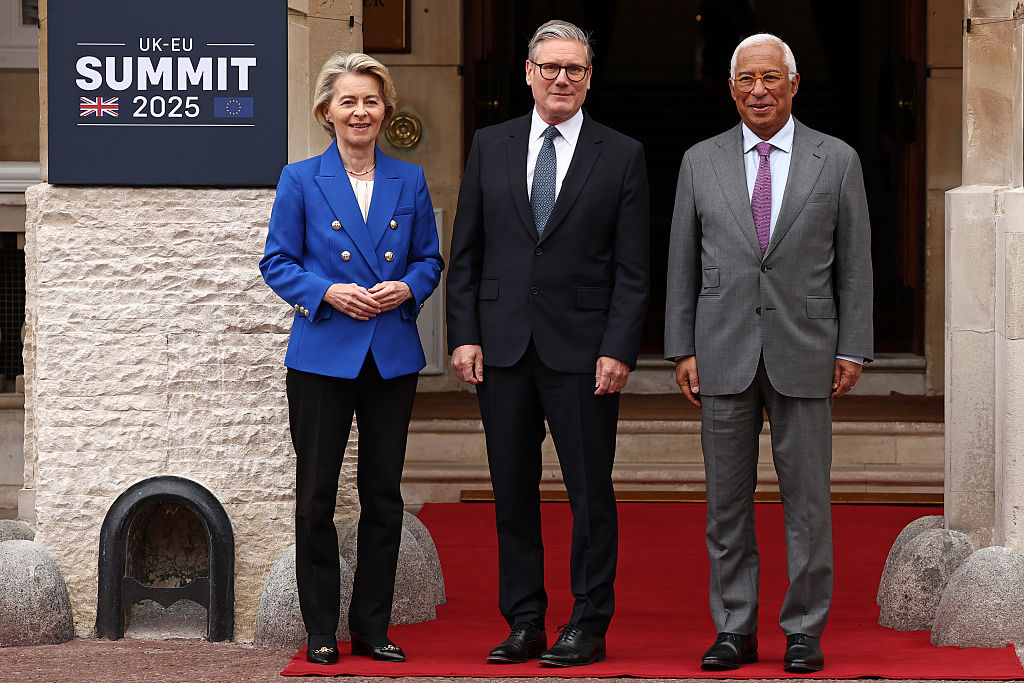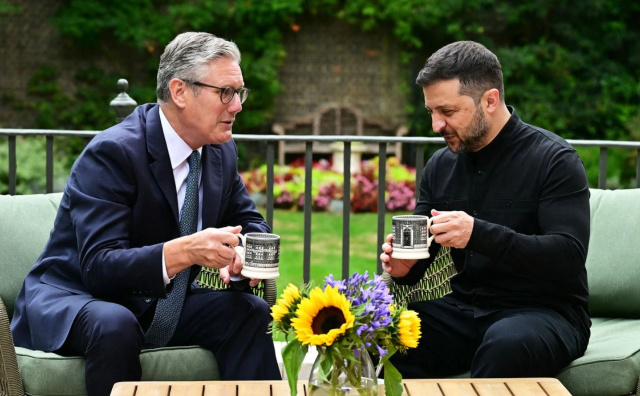
When Keir Starmer entered Downing Street, he inherited a foreign policy landscape already shaped by conflict and uncertainty. The wars in Ukraine and the Middle East were ongoing, Britain's relationship with the European Union remained constrained by Brexit, and soon after taking office he found himself dealing with the return of Donald Trump to the White House. By the time Starmer announced his resignation, supporters and critics alike agreed that international affairs had become one of the defining tests of his premiership.
Much of Starmer’s time on the global stage was dominated by relations with the United States. Although he initially worked with President Joe Biden, it was Trump’s return to power that reshaped Britain's diplomatic calculations. Despite their political differences, Starmer managed to establish a functional relationship with the Republican president during the early months of Trump's second term.
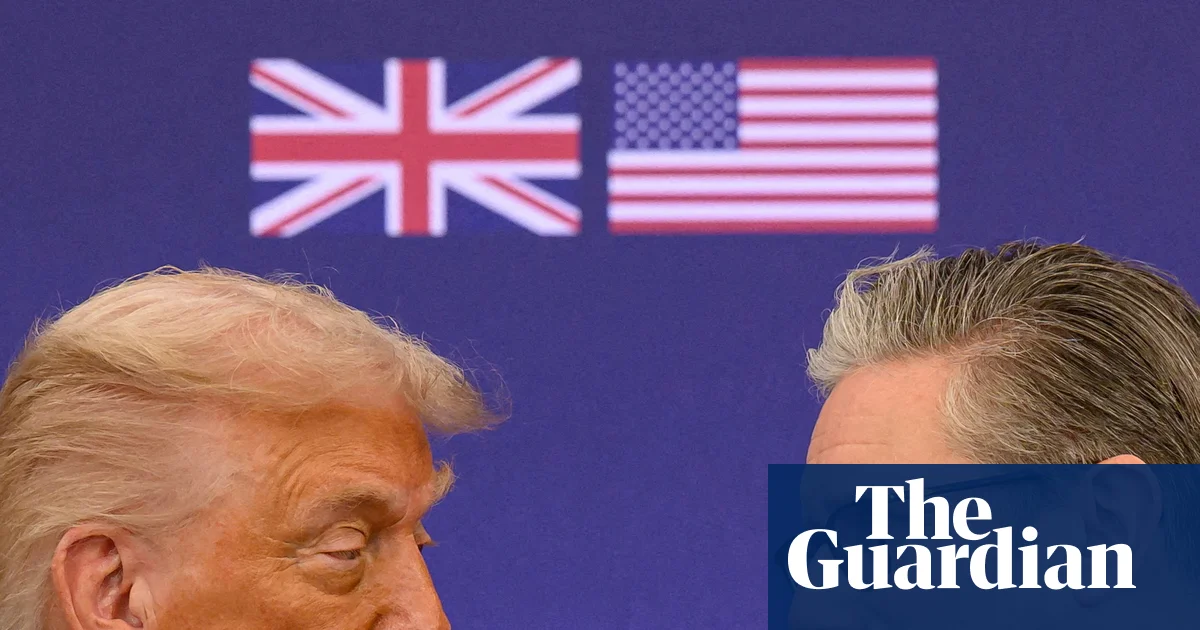
A key moment came in February 2025 when Starmer personally delivered an invitation from King Charles for a second state visit to Britain. Trump immediately accepted, and the gesture helped strengthen ties between the two leaders. During the visit that followed later in the year, disagreements over issues such as Palestinian statehood were largely kept out of the spotlight, while both leaders publicly expressed support for Ukraine in its war against Russia.