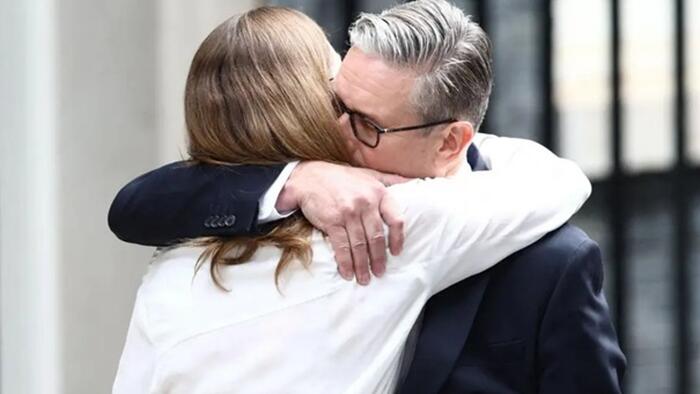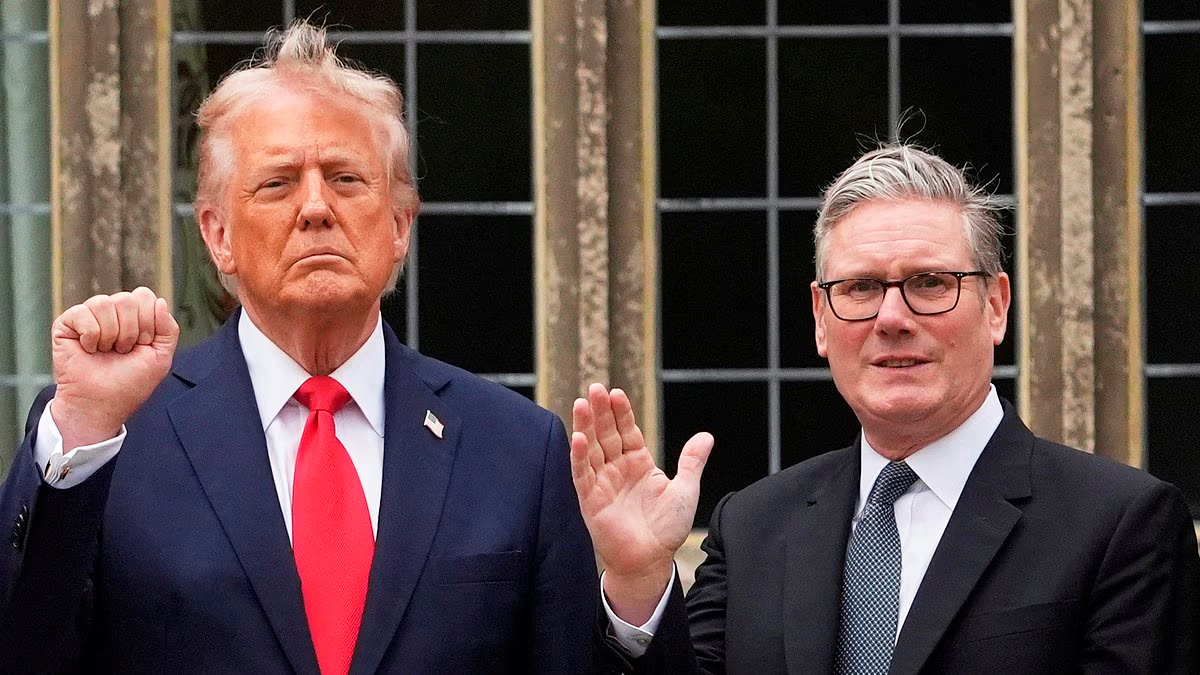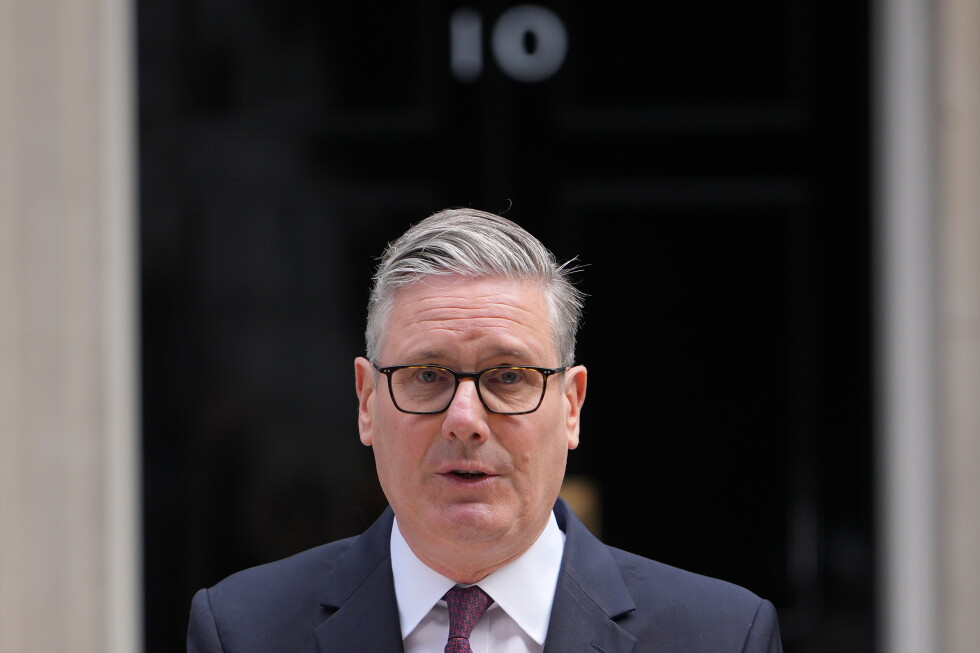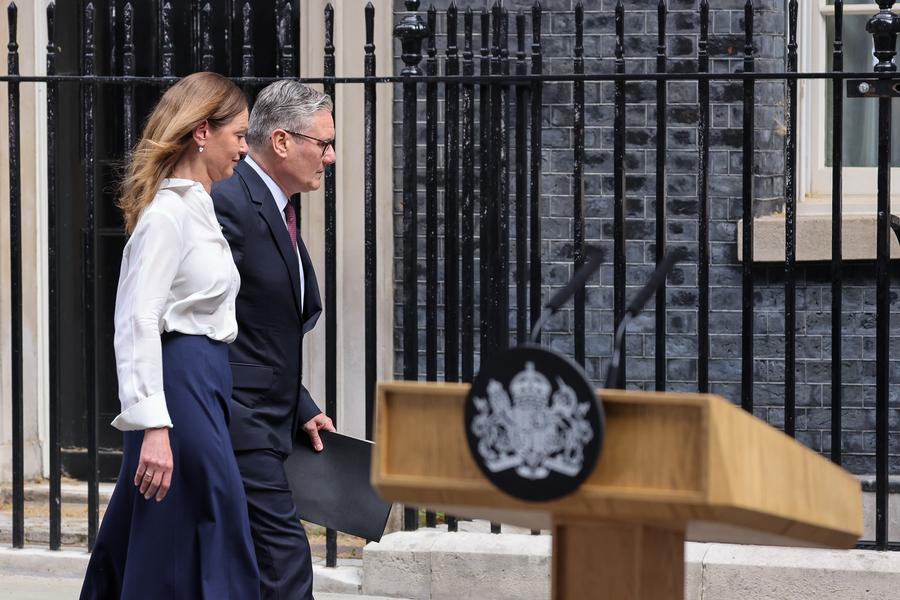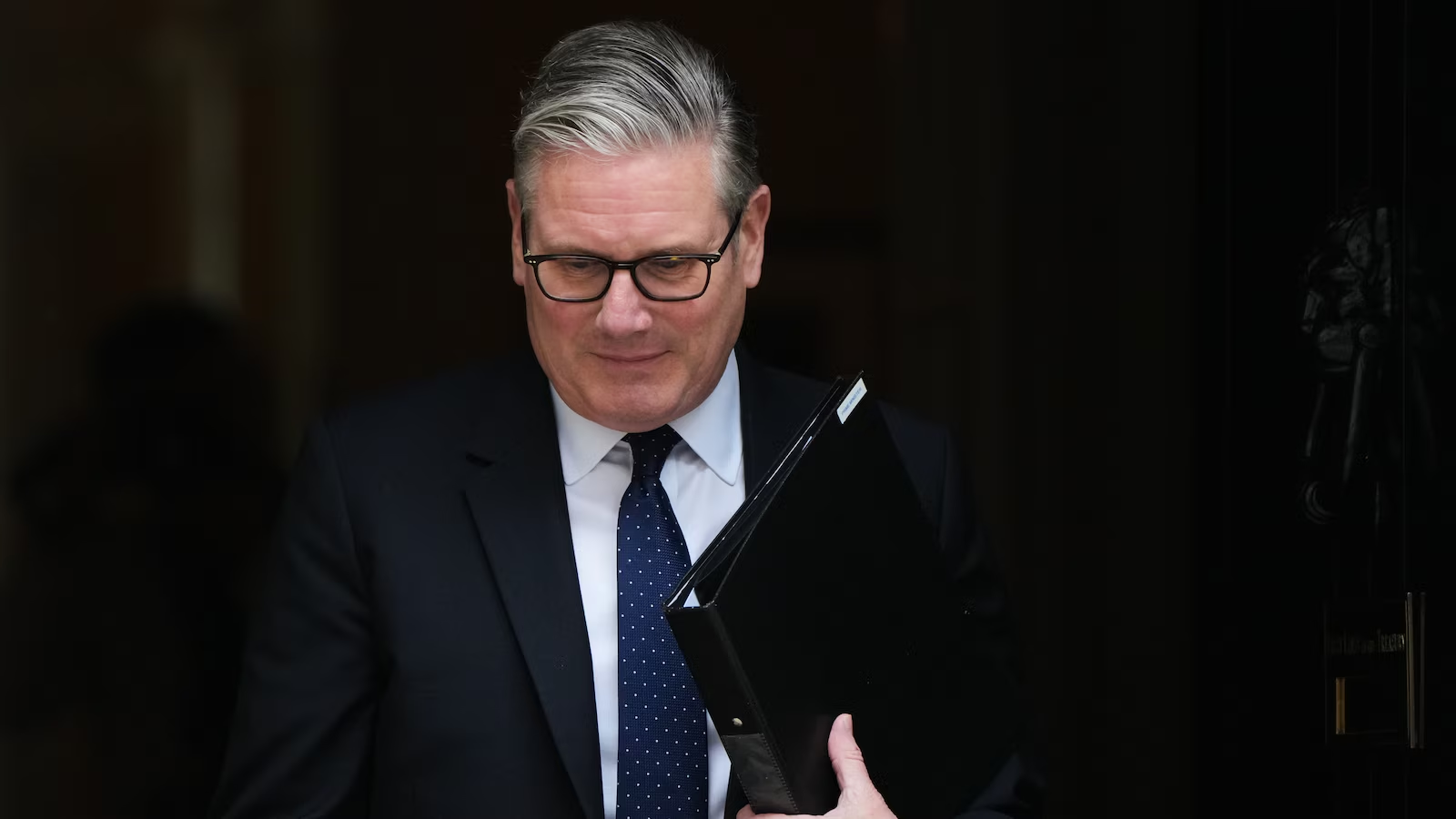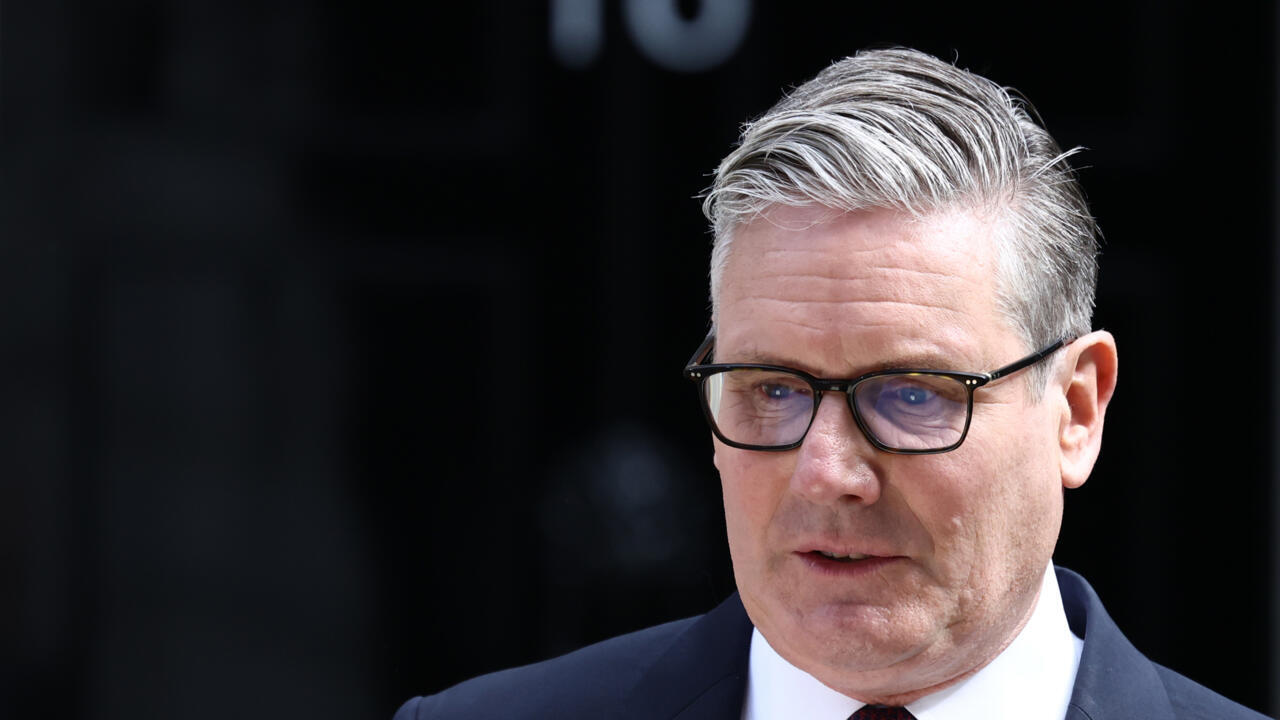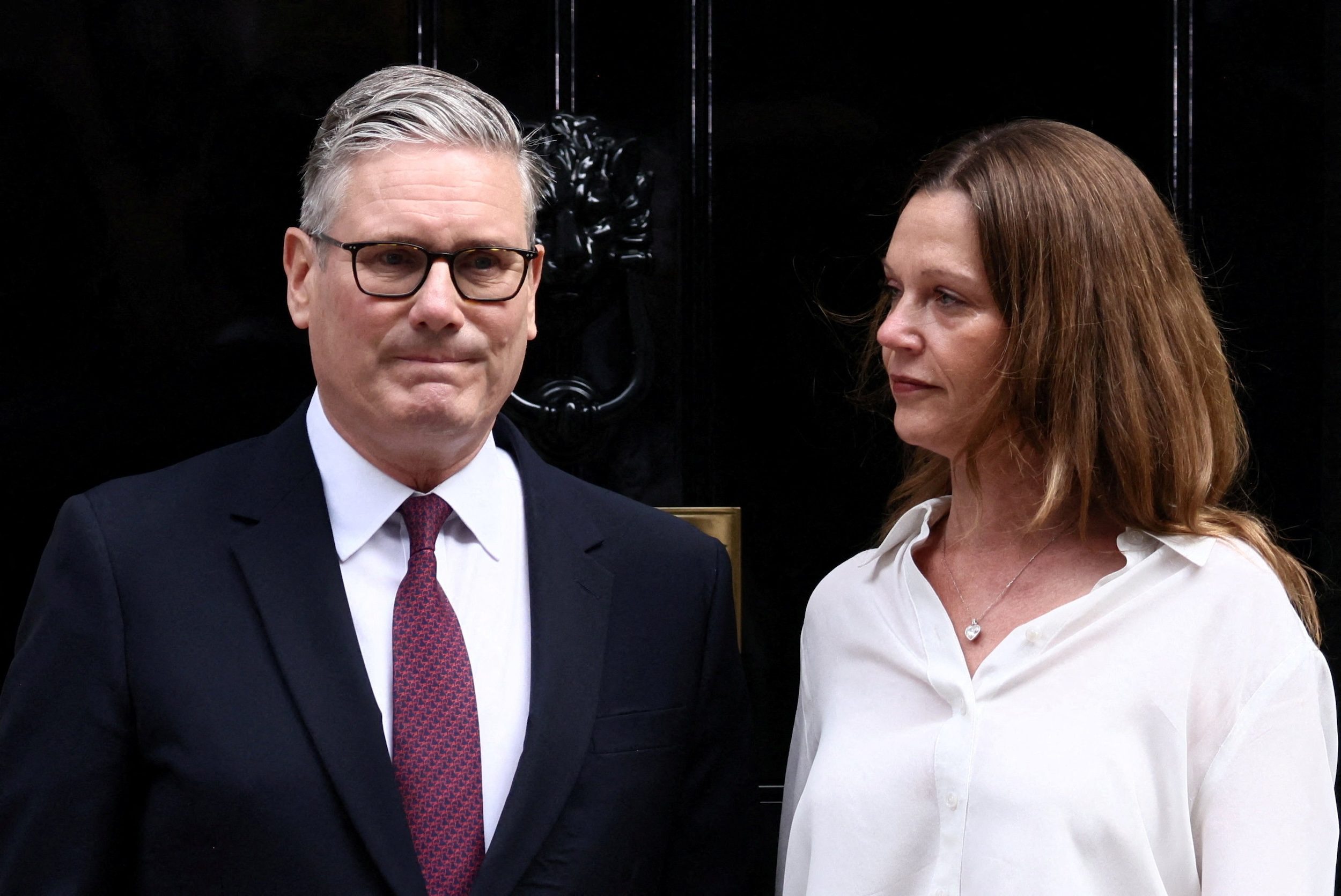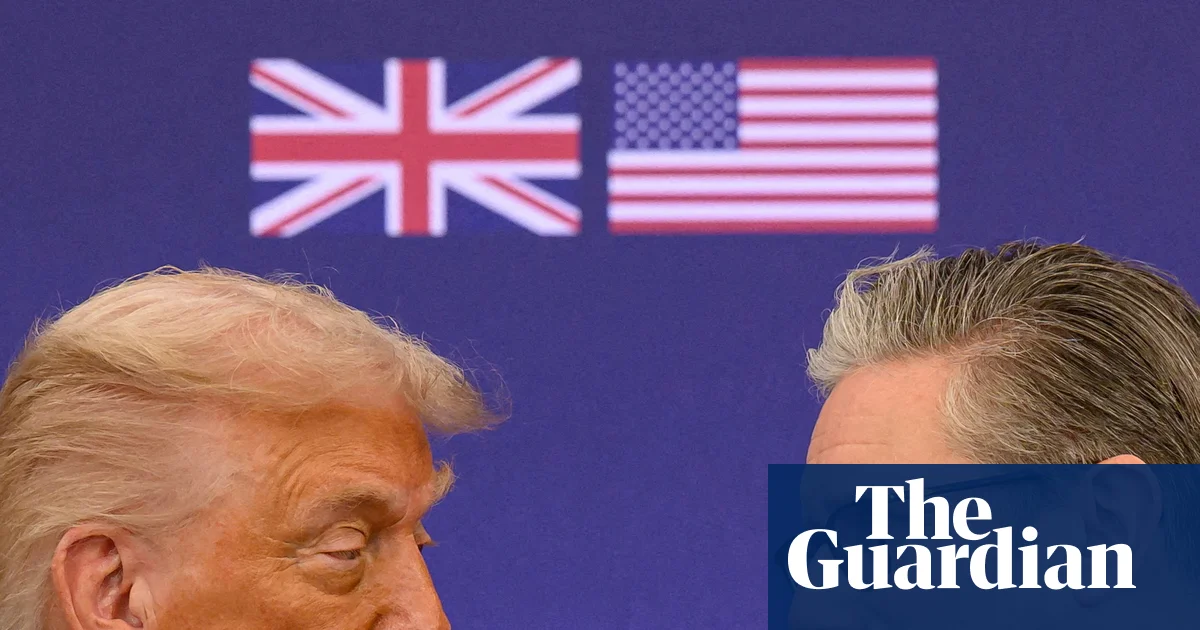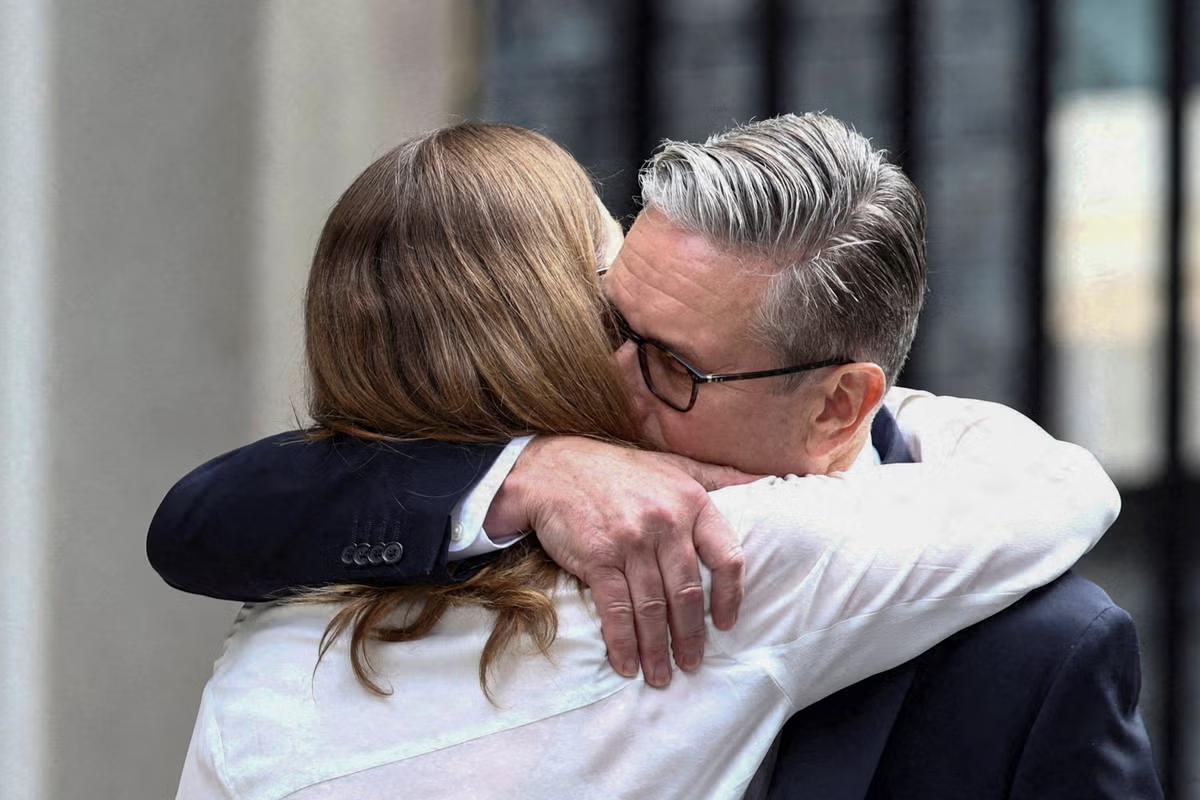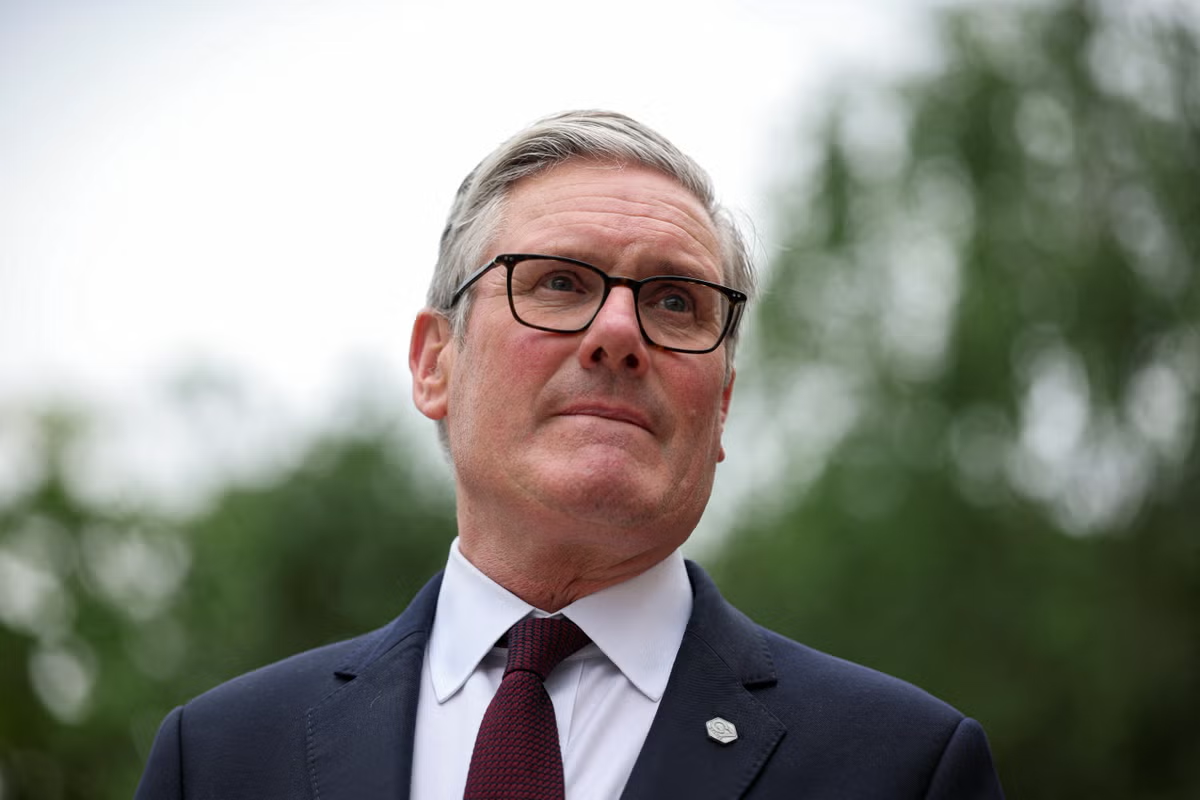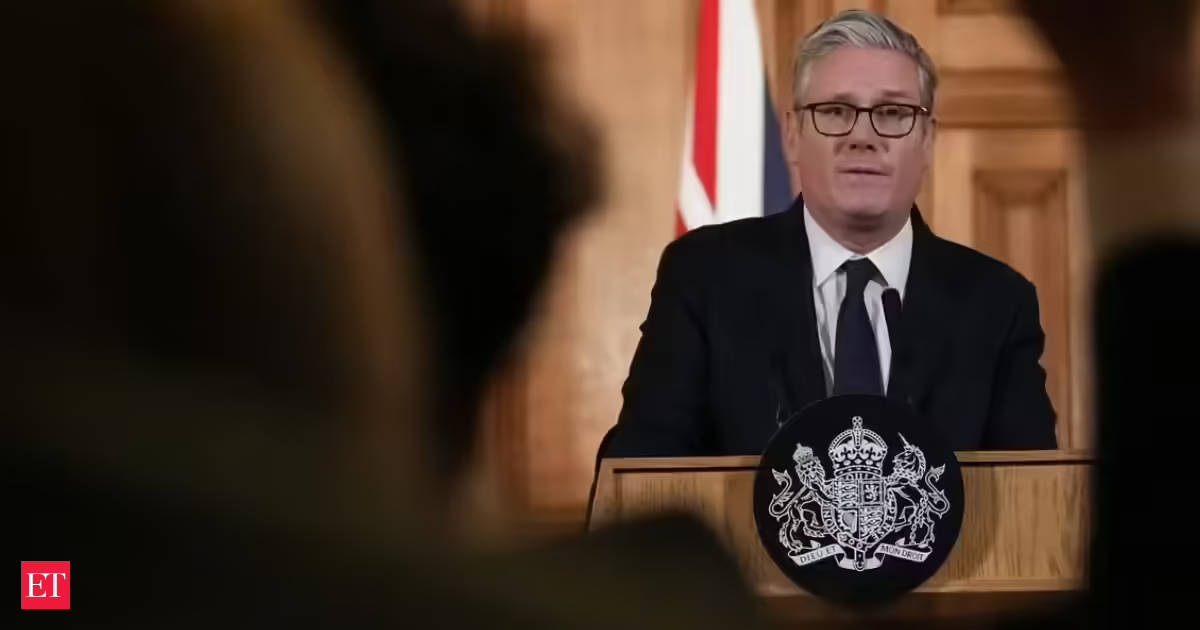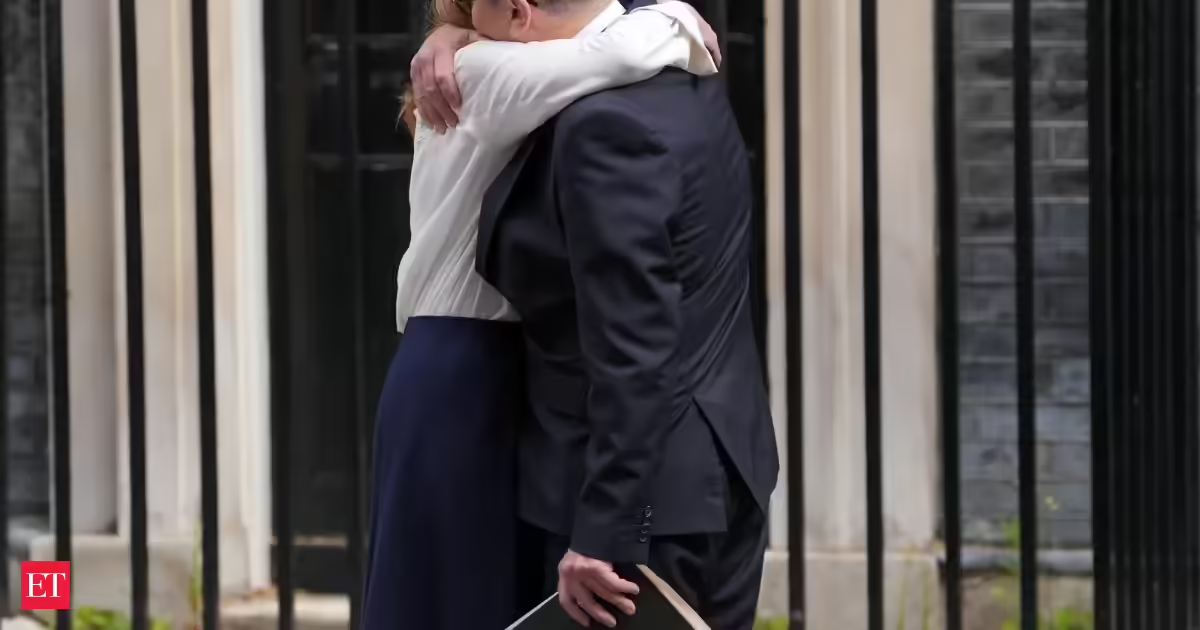
Even when it came to his own resignation, Keir Starmer was beaten to the punch by Donald Trump.Starmer entered Downing Street less than two years ago, as the US president headed toward a second term. And he will leave later this summer as yet another short-lived British prime minister who failed to come to terms with the world Trump forged.To the last, Starmer wanted time to think through his decision. But onlookers weren’t prepared to wait.“Keir Starmer will resign as Prime Minister of The United Kingdom,” Trump announced the day before Starmer’s own statement in front of No. 10.Also Read | Keir Starmer steps down as Labour Party leader, says will remain UK PM until successor chosenIn opposition, Starmer’s stolid managerialism helped Labour woo a nation tired of the effervescence and shenanigans of Boris Johnson. But it was out of step with the times in which he came to govern.“He has a distaste for the kind of Westminster games that others revel in but unfortunately you need to do some of that to stay on top,” said James Lyons, his former communications director, adding that the premier’s willingness to accommodate his MPs came to be seen as weakness. “In the end, Labour backbenchers refused to take yes for an answer,” he said.Labour won a deceptive landslide in the July 2024 general election, giving Starmer the biggest majority since 1997 with the lowest share of the vote for any post-war prime minister who’d claimed an outright victory.Also Read | Keir Starmer turned India-UK FTA into his tenure defining deal. Here's howThat meant a jittery parliament with a large cohort of Labour MPs sitting on slim majorities. They would prove ready to ditch their boss when their own seats looked in danger. That quickly became the case as Starmer struggled to navigate a landscape redrawn by Trump’s populist ally Nigel Farage and his Reform UK party.Now they are hoping that Andy Burnham will be able to repel the advance of Reform’s right-wing insurgency, after the former mayor of Manchester secured a thumping victory over Farage’s candidate in the Makerfield by-election and paved his way to challenge the prime minister.BloombergStarmer’s missteps began early on.Cutting winter-fuel payments to some pensioners annoyed MPs on the left, raising taxes for employers frustrated business, and accepting free clothes from party donors tarnished his image with voters across the political spectrum.Starmer had inherited a dire fiscal situation, with borrowing running at 5% of GDP, the debt pile creeping toward 100% of national output, and public services in a sorry state. Waiting lists in the National Health Service were at a record 7.8 million people.Labour made it a priority to fix public services in its first, October 2024 budget by raising £40 billion ($53 billion) through taxation, and borrowing another £30 billion. But the decision to hold fast to its election manifesto pledges and spare households from tax rises on their income and earnings meant business shouldered that burden. New levies on private school fees, inherited farmland and private equity added to the sense of betrayal felt by the executives Labour won to its side during a successful election campaign.Despite scrapping the two-child benefits cap, which will lift 450,000 children out of poverty, increases in the minimum wage and higher payroll taxes led to increases in the cost of labor, which companies sought to recover through higher prices and job cuts.A higher minimum wage weighed on employment and helped to push up prices. Payroll data shows almost 200,000 fewer people are employed now, and by last September inflation had rebounded to 3.8% compared with 2% when Starmer came to power.The Bank of England blamed the government for much of the rise and investors pushed up yields on its borrowing. Starmer tried to address those concerns by cutting £5 billion from the welfare budget early last year, but the plan sparked a rebellion of his own MPs and was scrapped in one his first damaging U-turns.BloombergThe populism of Farage and Trump cast a pall over Starmer’s government that he never managed to shake off. In pre-empting the prime minister’s resignation speech, Trump himself highlighted two of the issues that did most damage to Starmer and will pose among of the biggest challenges to his successor.“He failed badly on two very important subjects- IMMIGRATION AND ENERGY,” Trump wrote.Net migration continued to fall from its peak under the Tories, after Labour made it harder for low earners to gain residency and citizenship. Yet that did little to halt the advance of right-wing parties who had helped turn it into the one of the most salient issues in British politics, especially while irregular migration still high.Despite winning only five of 650 House of Commons seats in 2024, Farage’s Reform UK placed second in another 98. Nine months into the new parliament, they topped opinion polls and have never yet surrendered that lead.On energy, Starmer’s cabinet also delivered results but failed to conquer the political argument. It expanded renewable energy and the power grid to bring the country’s goal of net zero emissions by 2050 “within reach,” according to the independent Climate Change Committee. Yet Farage still managed to turn the issue into a political football to attack the government.Unspoken in Trump’s post was a tricky third issue: foreign relations. Starmer initially had success endearing himself to his US counterpart, despite their markedly different styles of governance. But more recently the relationship has soured, with Starmer refusing to join offensives against Iran.It was an attempt to adapt to the Trump phenomenon that gave Starmer the most damaging scandal of his tenure. In a break from precedent he appointed as US ambassador not a career diplomat but a canny operator from his own party, Peter Mandelson, who had resigned under a cloud from Labour governments twice before.When Bloomberg reported on emails that showed the relationship between Mandelson and the late pedophile financier Jeffrey Epstein went far further than Mandelson had told his boss, it triggered both the envoy’s resignation and a months-long scandal from which Starmer never fully recovered.Starmer came to politics late in his career, after years working in law and as head of the UK’s Crown Prosecution Service. He entered Parliament in 2015 with his party embroiled in bitter internal struggles over what its central message should be in the aftermath of the New Labour years.He quickly rose to prominence under his predecessor Jeremy Corbyn, as a shadow home office minister and then shadow Brexit Secretary. After two general election losses, Starmer stepped forward in 2019 to replace Corbyn with a left-leaning policy platform that promised to prioritize common ownership and investment in public services, much like Burnham proposes now.Starmer struggled to stick the course once he entered government and leaves with his party facing a familiar political conundrum. Even his past willingness to support Burnham in one of the latter’s previous, failed bid to be party leader shows how Labour’s struggles of the past will echo through what follows.“We are lucky to have great candidates with different strengths, but I am backing Andy Burnham,” Starmer wrote back in 2015. “He has extensive parliamentary experience and an ability to keep the party united while we debate our future purpose and vision.”
Starmer leaves No. 10 without ever managing to explain what he stood for
Keir Starmer's premiership ended abruptly, overshadowed by Donald Trump's pronouncements. Despite a significant election victory, Starmer struggled with economic challenges and the rise of Nigel Farage's Reform UK. Key policy missteps on public services and taxation alienated MPs and voters. Immigration and energy proved particularly difficult issues, contributing to his downfall and leaving Labour facing a leadership challenge from Andy Burnham.
TL;DRAI
Starmer steps down as UK PM after 19 months amid Farage's populist rise and Labour rebellion over fiscal policy. The transition signals regulatory uncertainty ahead for tech investors in a destabilized European market.
1,198 words~5 min read