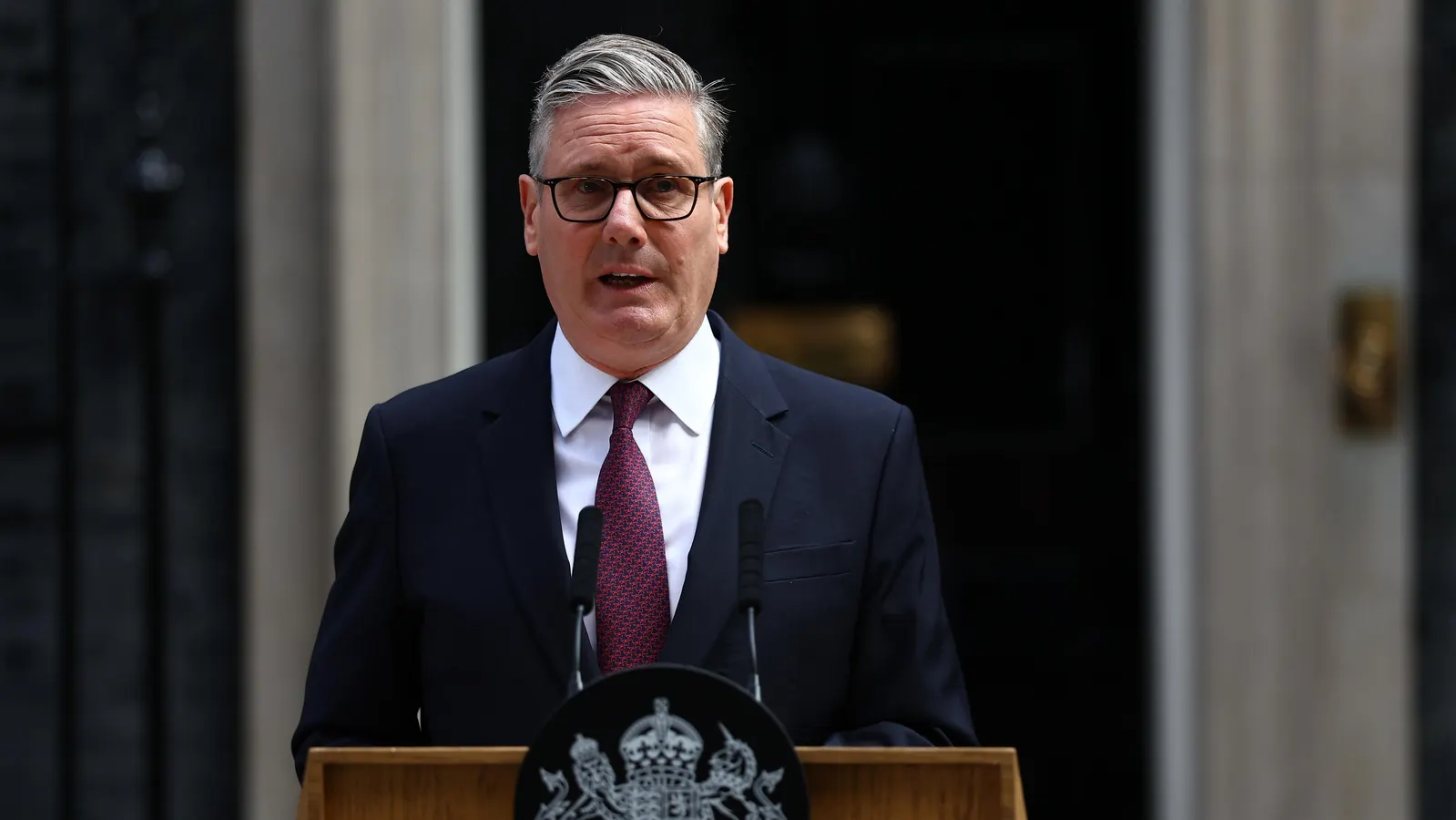
Stay up to date with notifications from The IndependentNotifications can be managed in browser preferences.Jump to contentThank you for registeringPlease refresh the page or navigate to another page on the site to be automatically logged inPlease refresh your browser to be logged inAllNewsSportCultureLifestyleSir Keir Starmer resigned as prime minister after 23 months in office, following significant Labour losses in local elections and increasing pressure from within his own party. A key catalyst for his resignation was Andy Burnham's dramatic victory in the Makerfield by-election, which demonstrated his ability to defeat Reform UK, contrasting with Labour's national struggles. Labour experienced record defeats in successive local elections, losing 1,496 councillors and 38 councils, with Reform UK making substantial gains across England, Scotland, and Wales. Controversy surrounding the appointment of Peter Mandelson as US ambassador, following revelations in the 'Epstein files' about his ties to Jeffrey Epstein, led to the resignation of Sir Keir's chief of staff and damaged trust in his government. Sir Keir's premiership was marked by a massive decline in government popularity, multiple policy U-turns, and a series of high-profile ministerial resignations, including defence secretary John Healey and health secretary Wes Streeting. In fullWhy did Starmer resign? These are the key moments of his chaotic two years as prime ministerThank you for registeringPlease refresh the page or navigate to another page on the site to be automatically logged inPlease refresh your browser to be logged in
Starmer’s U-turns and mistakes that led to his resignation as prime minister
Stay up to date with notifications from The IndependentNotifications can be managed in browser preferences.Jump to contentThank you for registeringPlease refresh the page or navigate to another page on the site to be automatically logged inPlease refresh your browser to be logged inAllNewsSportCultureLifestyleSir Keir Starmer resigned as prime minister after 23 months in office, following significant Labour losses in local elections and increasing pressure from within his own party. A key catalyst for his resignation was Andy Burnham's dramatic victory in the Makerfield by-election, which demonstrated his ability to defeat Reform UK, contrasting with Labour's national struggles. Labour experienced record defeats in successive local elections, losing 1,496 councillors and 38 councils, with Reform UK making substantial gains across England, Scotland, and Wales. Controversy surrounding the appointment of Peter Mandelson as US ambassador, following revelations in the 'Epstein files' about his ties to Jeffrey Epstein, led to the resignation of Sir Keir's chief of staff and damaged trust in his government. Sir Keir's premiership was marked by a massive decline in government popularity, multiple policy U-turns, and a series of high-profile ministerial resignations, including defence secretary John Healey and health secretary Wes Streeting. In fullWhy did Starmer resign? These are the key moments of his chaotic two years as prime ministerThank you for registeringPlease refresh the page or navigate to another page on the site to be automatically logged inPlease refresh your browser to be logged in