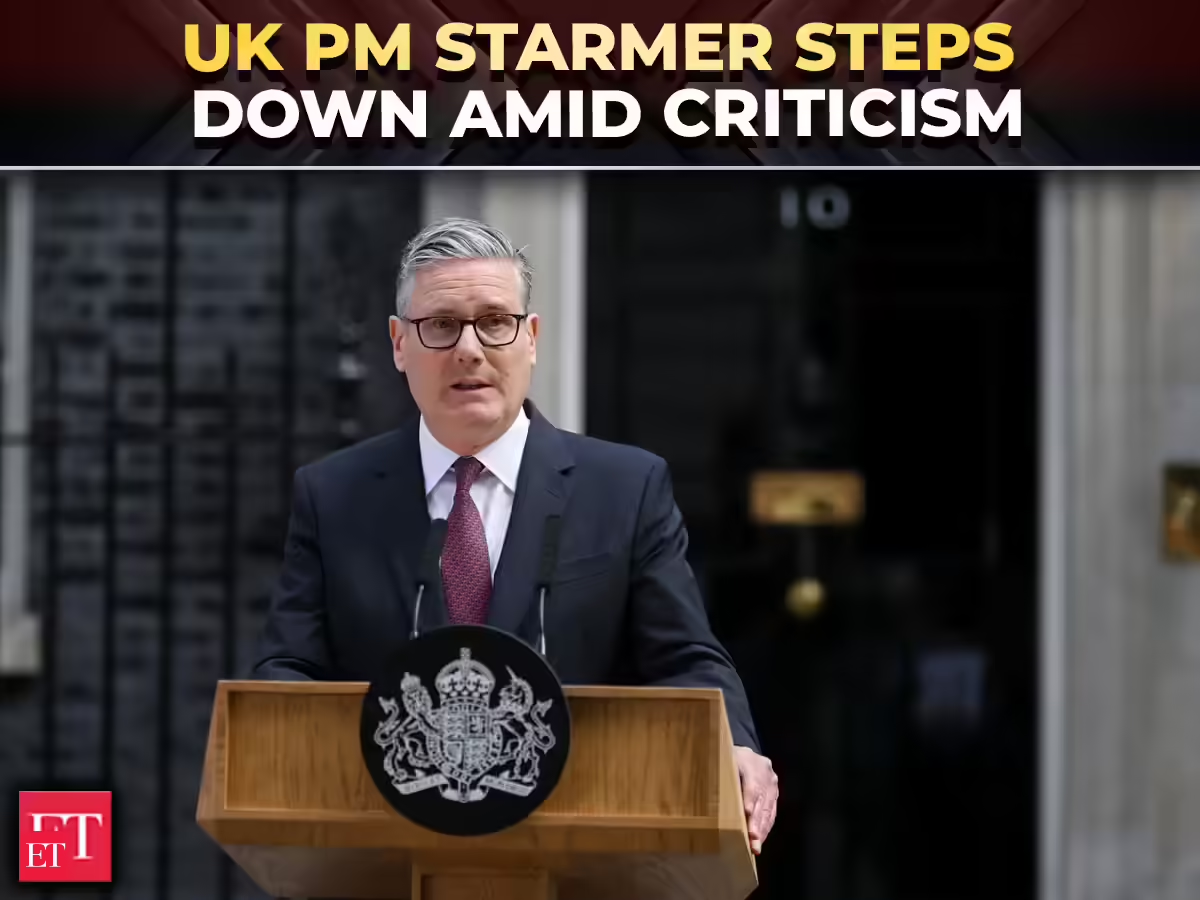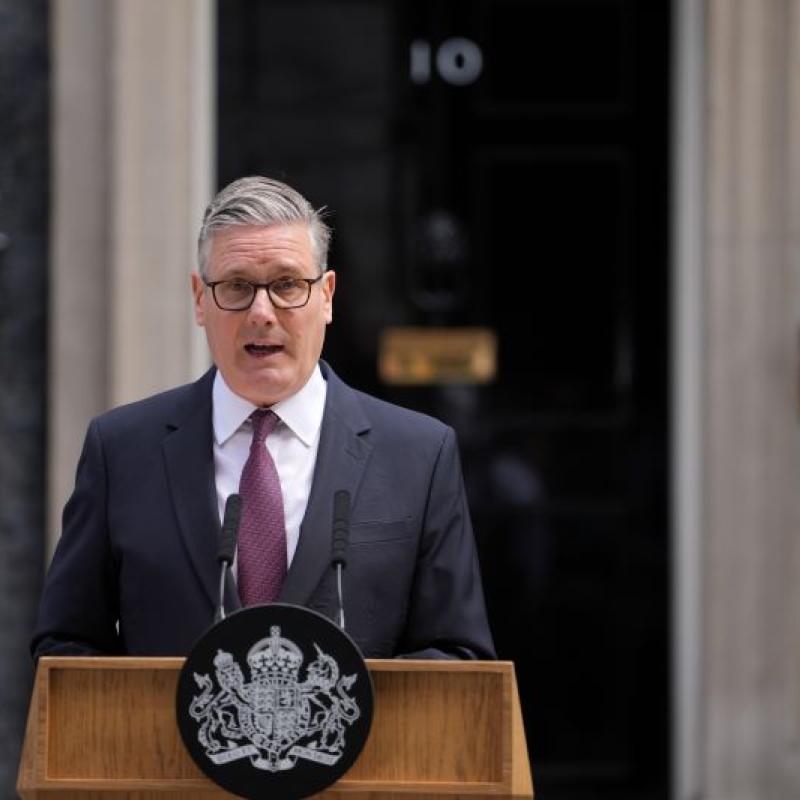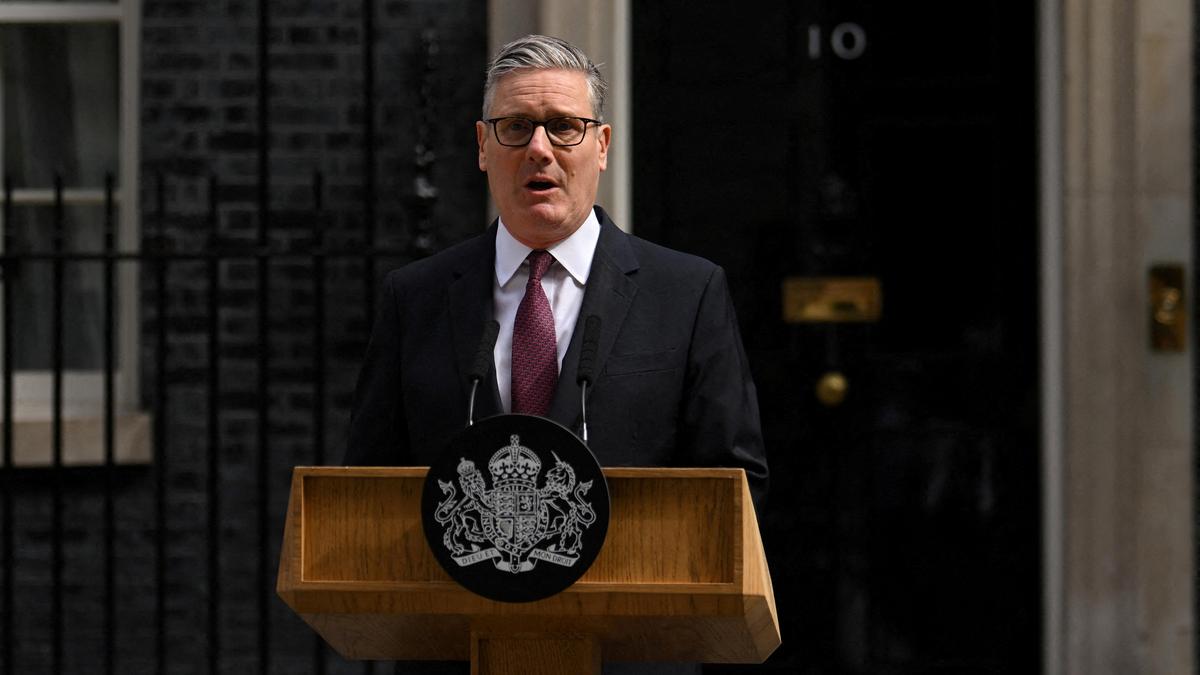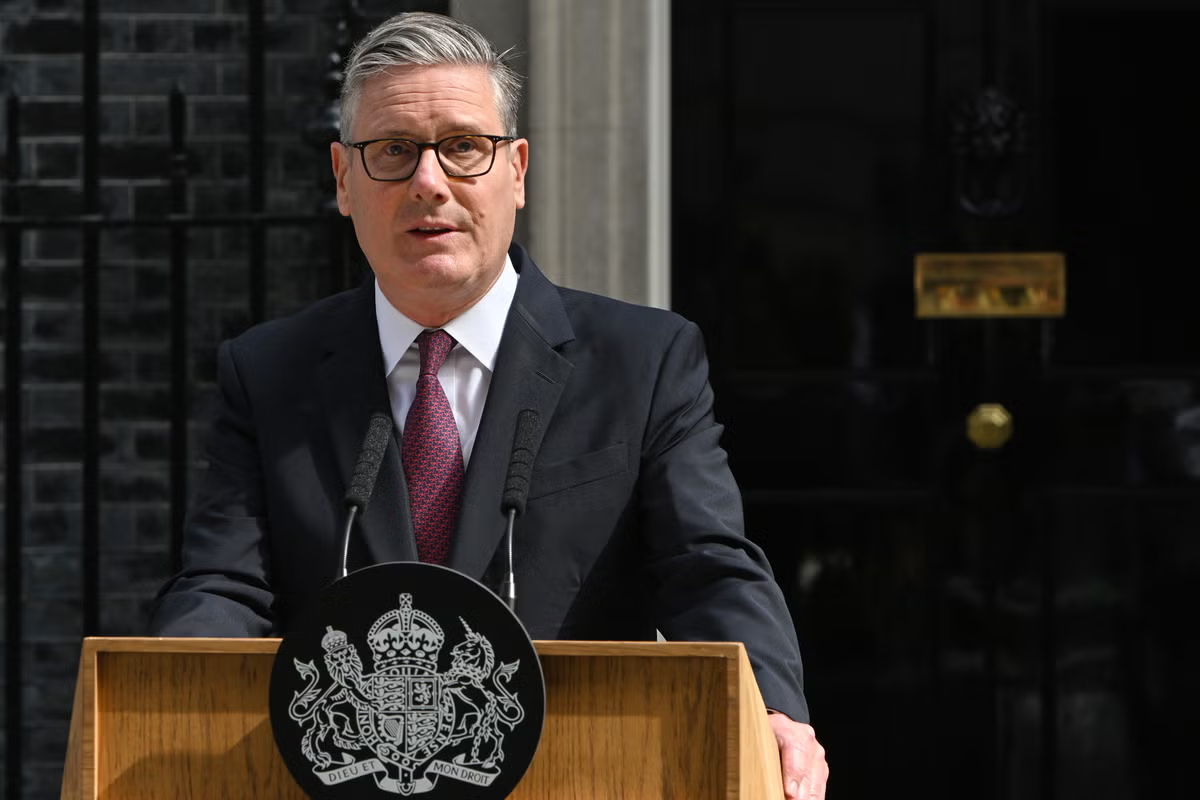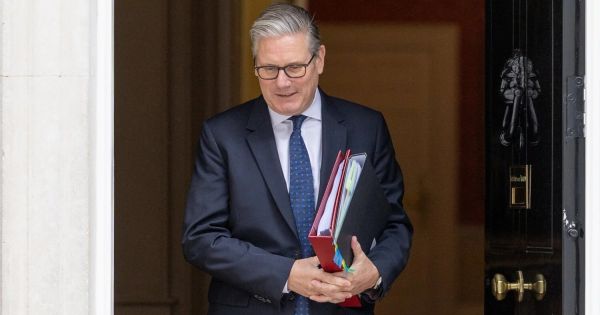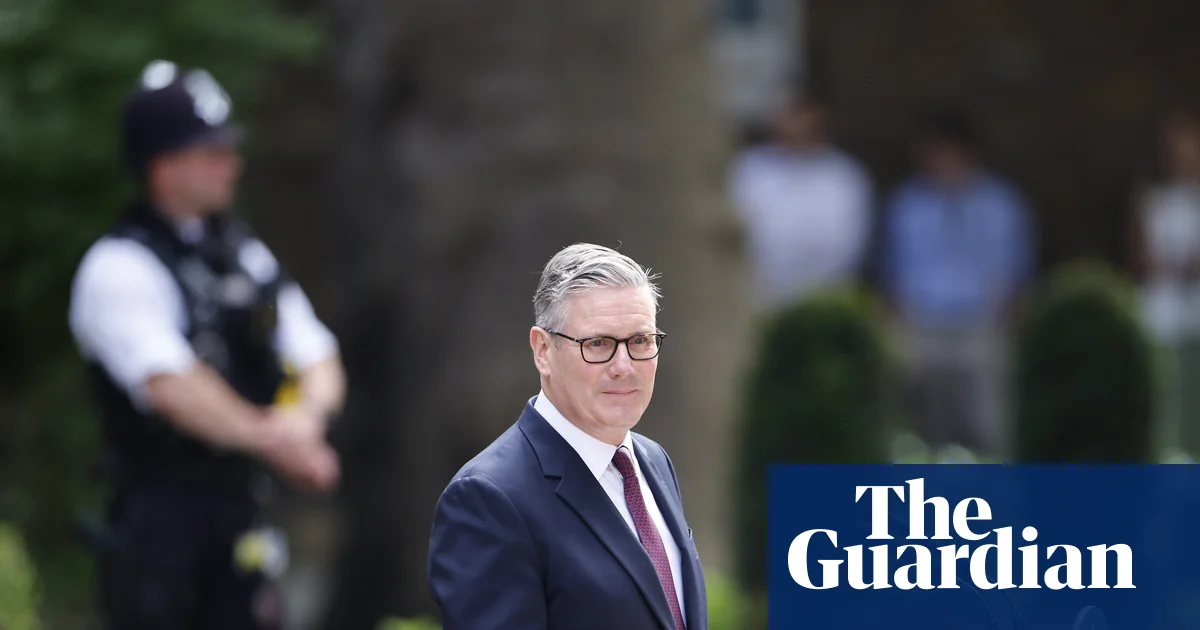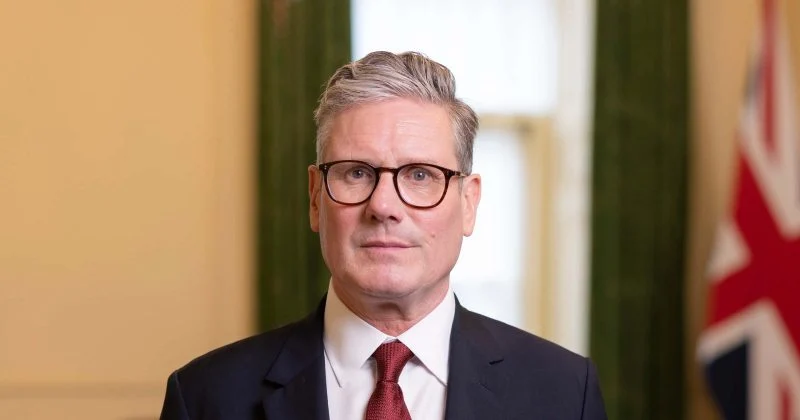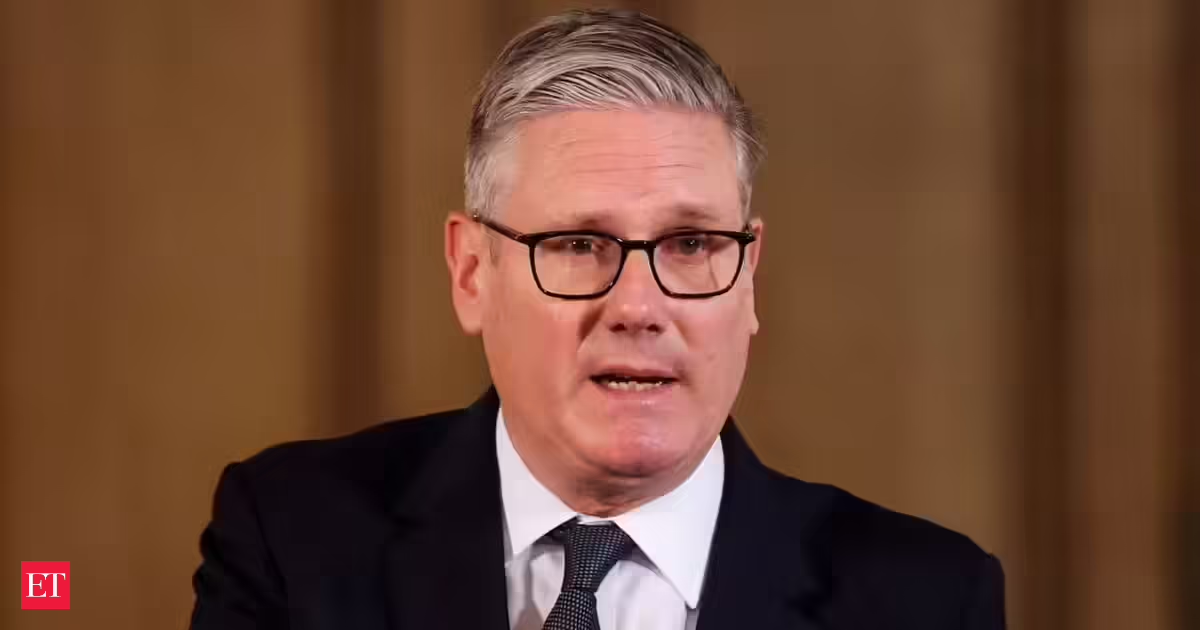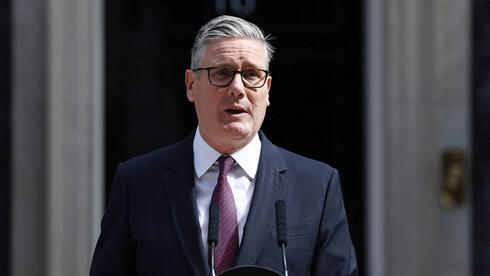
Less than two years after leading Labour to a sweeping election victory, UK Prime Minister Keir Starmer says he will step down amid party pressure and falling public support; Andy Burnham is emerging as the leading candidate to replace himUK Prime Minister Keir Starmer announced Monday that he will resign, less than two years after leading the Labour Party to a sweeping election victory.Starmer is expected to remain in office during a transition period until Labour chooses a new leader.The announcement marks a rare political upheaval in Britain. Less than two years after returning Labour to power following 14 years of Conservative rule, Starmer is being forced out amid heavy pressure from inside his party and a sharp decline in public support.UK Prime Minister Keir Starmer announced that he will resign (Video: Reuters)In recent days, reports in London had intensified that Starmer was considering his political future at Chequers, the official country residence of British prime ministers. Labour officials said he may prefer an “orderly transition” over a prolonged leadership battle that could deepen the crisis within both the party and the government.3 View gallery UK Prime Minister Keir Starmer (Photo: Henry NICHOLLS / AFP)3 View gallery (Photo: Dan Kitwood/Getty Images)Waiting in a strong position is Andy Burnham, the mayor of Greater Manchester and one of Labour’s most popular politicians. Burnham recently returned to Parliament after winning a by-election, allowing him to formally run for the party leadership. In Britain, he is seen as a leading candidate to replace Starmer and possibly become the next prime minister.The crisis surrounding Starmer worsened amid public disappointment with his government’s performance, especially on the economy, the cost of living and public services. Inside Labour, there was growing concern that the prime minister, who entered Downing Street with a broad mandate, had struggled to turn his election victory into political momentum or visible change.3 View gallery (Photo: Dan Kitwood/Getty Images)Only days ago, Starmer said he did not intend to “run away” from a leadership fight and that if one were held, he would contest it. But now, under growing political pressure, he has decided to step down.Following Starmer’s resignation, Britain is set to receive its seventh prime minister in a decade, after David Cameron, Theresa May, Boris Johnson, Liz Truss, Rishi Sunak and Starmer himself. The rapid turnover underscores the political instability that has gripped the United Kingdom since the 2016 Brexit referendum.Markets also followed the developments closely. The pound weakened slightly amid reports that Starmer could leave office, as investors waited to see who would lead the government and what economic policy that person would pursue.
Starmer resigns after Labour revolt, plunging Britain into political turmoil
Less than two years after leading Labour to a sweeping election victory, UK Prime Minister Keir Starmer says he will step down amid party pressure and falling public support; Andy Burnham is emerging as the leading candidate to replace him
TL;DRAI
Starmer resigns after 22 months amid Labour pressure and public discontent over economic failures. Britain's seventh PM in ten years creates regulatory uncertainty; pound weakness reflects market concern over UK policy continuity.
433 words~2 min read