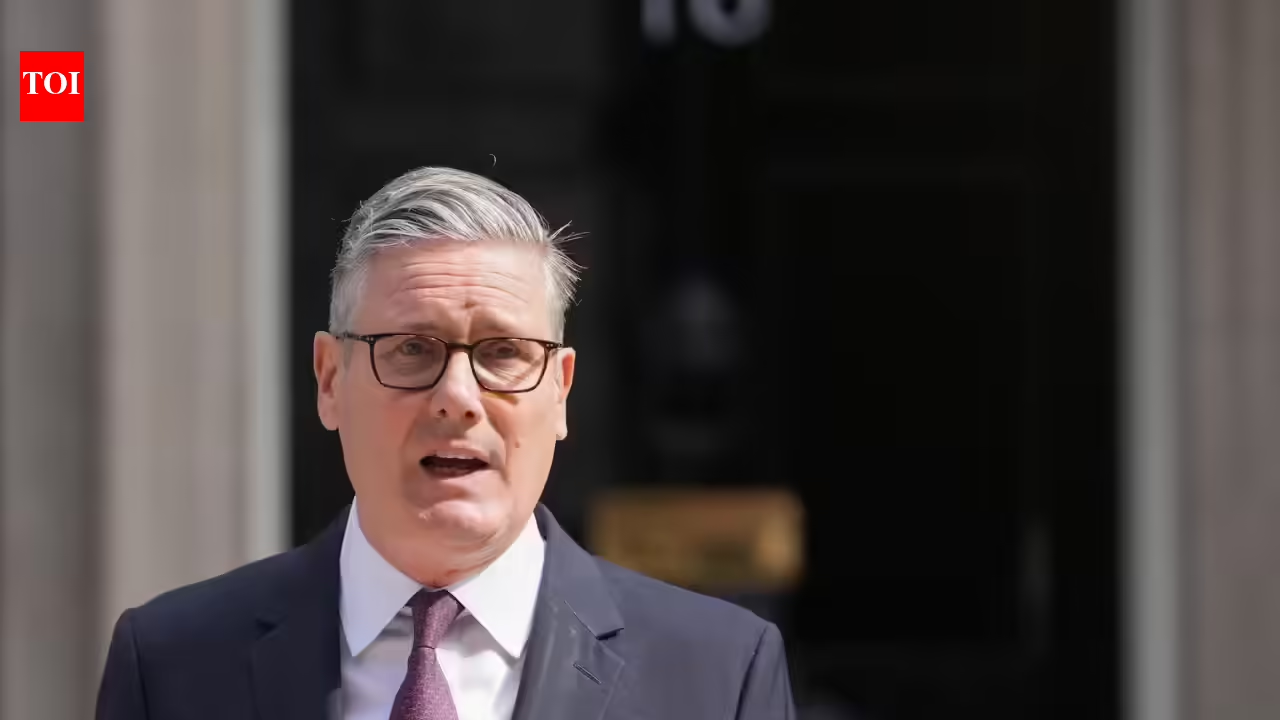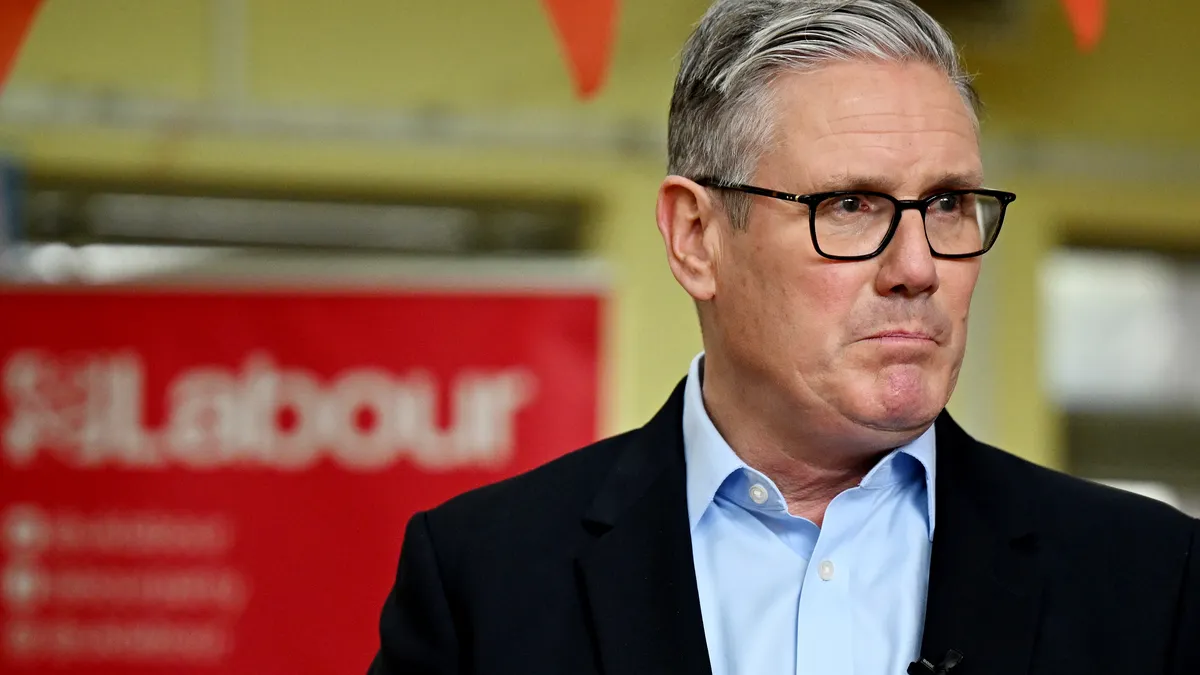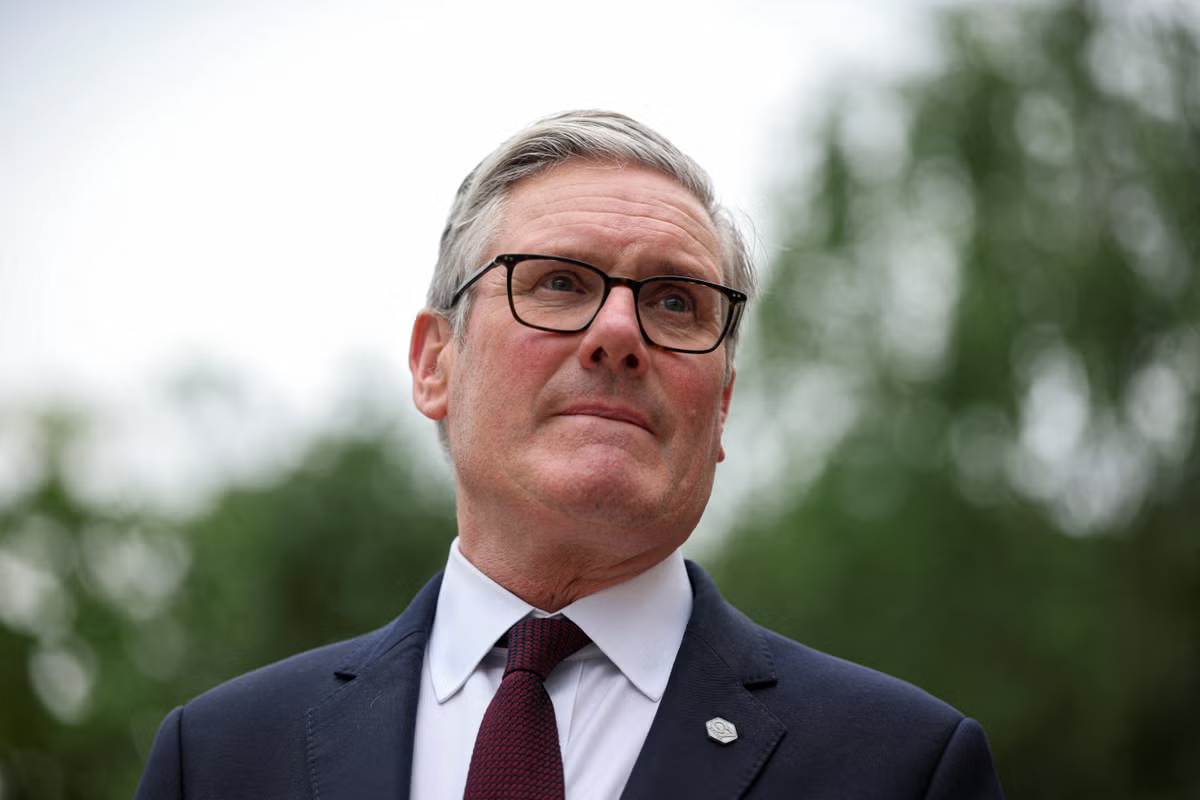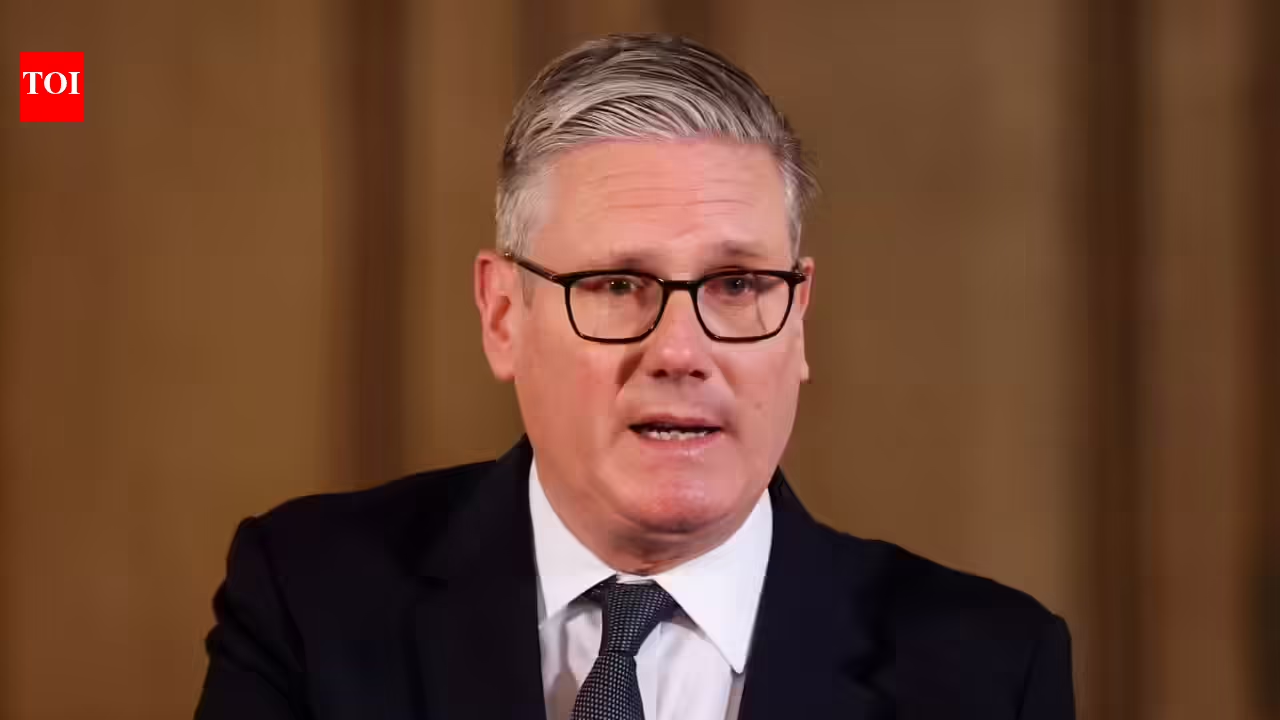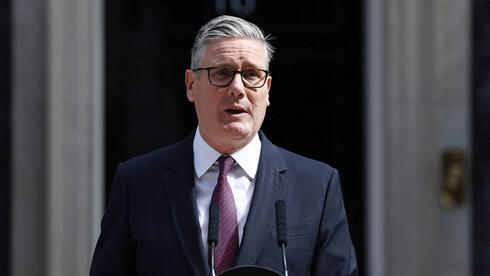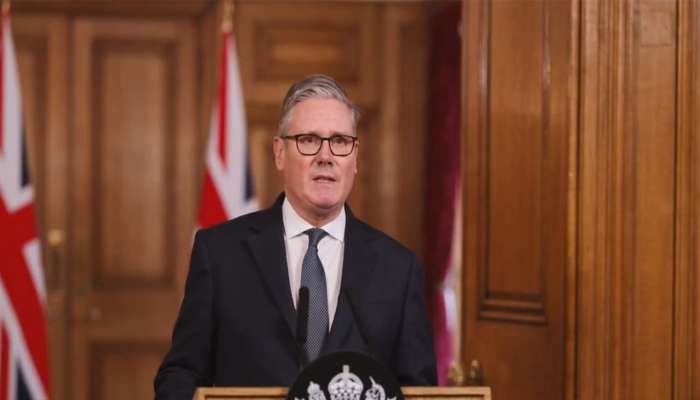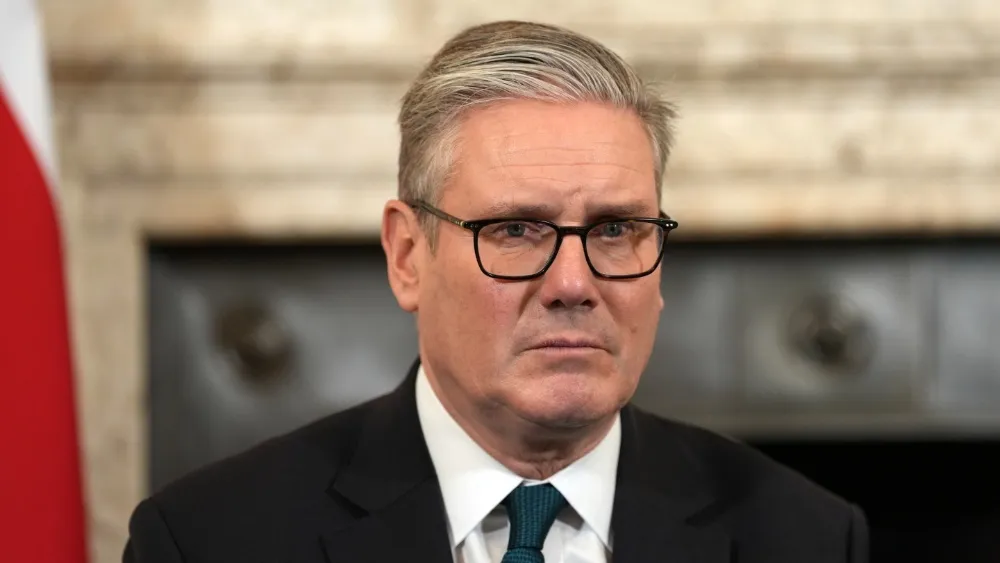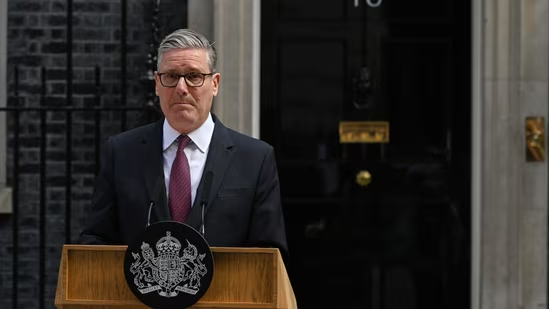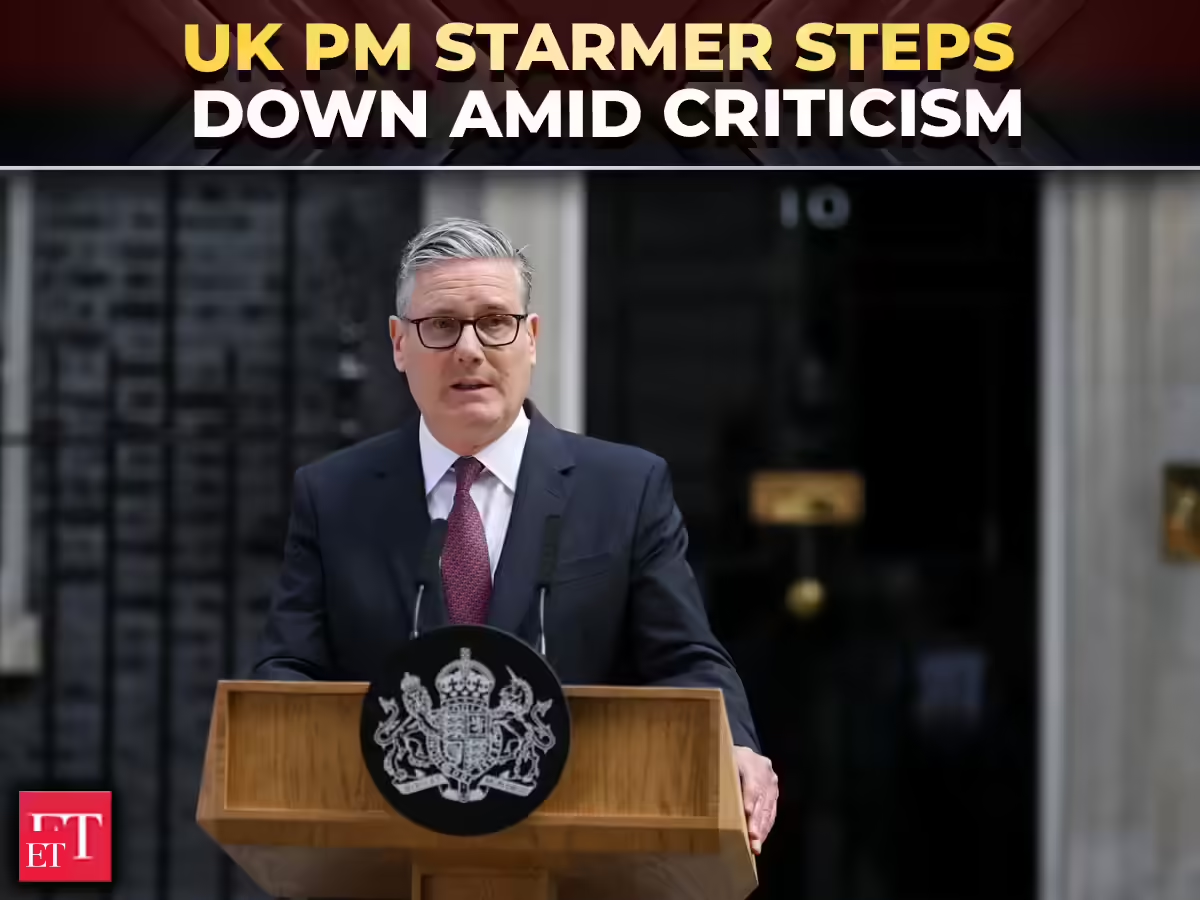
UK Prime Minister Keir Starmer is facing the biggest challenge of his political career as growing unrest within the Labour Party, falling public support and a series of electoral setbacks fuel speculation about his future in office.Starmer, who took office in 2024, announced his resignation on Monday and has asked the NEC to set out a timetable for his departure. However, he is set to remain in power till a new leader is elected.The crisis marks a dramatic turn for the Labour leader, who secured a landslide election victory ending the party's 14-year spell in opposition. Less than two years later, questions are growing over whether he can lead Labour into the next general election.Electoral setbacks weaken Starmer's gripPressure on Starmer increased after Labour suffered losses in local elections and Andy Burnham won the Makerfield by-election. Burnham's return to Parliament has fuelled speculation about Labour's future leadership, with British media reports identifying him as a potential contender should a leadership contest take place.According to reports by The Guardian and The Times, some Labour MPs and party figures have discussed Burnham as a possible successor to Starmer amid growing concerns about the party's electoral performance.Growing rebellion within LabourStarmer is also grappling with growing divisions inside his own party. Welfare reforms and proposed changes to disability benefits triggered opposition from Labour lawmakers, exposing ideological differences between the party leadership and many MPs.The scale of discontent has raised concerns about Starmer's ability to maintain unity within the parliamentary party. According to The Times, dozens of Labour MPs have urged the prime minister to clarify his future plans, reflecting the depth of unease within party ranks.Immigration remains a political flashpointImmigration has emerged as another challenge. The Labour government came to power promising tighter border controls and a reduction in irregular migration, but the issue remains politically sensitive.US President Donald Trump weighed in even before an announcement, linking Starmer's potential exit to two of his recurring bugbears: immigration and renewable energy.“Keir Starmer will resign as Prime Minister of The United Kingdom. He failed badly on two very important subjects- IMMIGRATION AND ENERGY (OPEN NORTH SEA OIL! ). I wish him well! President DJT,” Trump posted on his social media platform.Energy policy and Economic challenges Energy policy has become another source of political pressure. Labour's plans to accelerate the transition to clean energy have faced criticism from opponents who argue that the government risks undermining domestic energy production and energy security.Economic pressures have added to the difficulties facing the government. Labour faces demands for higher spending on public services while also trying to keep borrowing under control.Weak economic growth, pressure on public finances and concerns over living costs have constrained the government's ability to deliver on key promises. These challenges have made it harder for Starmer to maintain support among both voters and lawmakers.Reform UK and Greens eat into Labour's supportLabour's popularity has also come under pressure from both ends of the political spectrum. Nigel Farage's Reform UK has gained ground among voters concerned about immigration and the economy, while some progressive voters have shifted towards the Green Party.According to an analysis by the Associated Press, the growing challenge from rival parties has increased concerns within Labour about its electoral prospects and the party's ability to retain its broad voter coalition.Succession talk moves into the openQuestions over Starmer's authority have intensified as senior party figures openly discuss succession scenarios. According to reports by The Guardian and The Times, some ministers and Labour lawmakers believe the party may need a leadership transition before the next election to improve its chances of remaining in power.The speculation gathered further momentum after reports suggested that dozens of Labour MPs had called on Starmer to set out a timetable for his departure.Who could replace Starmer?While no formal resignation has been announced, discussions about potential successors have become increasingly public.Among the names being mentioned are Andy Burnham, Health Secretary Wes Streeting and Home Secretary Yvette Cooper. Burnham, in particular, has emerged as a focal point of leadership speculation following his recent electoral success and growing popularity within sections of the party.
Keir Starmer resigns: The problems that piled up for the UK prime minister
Keir Starmer's resignation marks a dramatic reversal for a leader who swept to power promising stability after years of political turmoil. Instead, he leaves office facing questions over Labour's direction, the rise of Reform UK and whether his successor can rebuild support before the next election.
679 words~3 min read