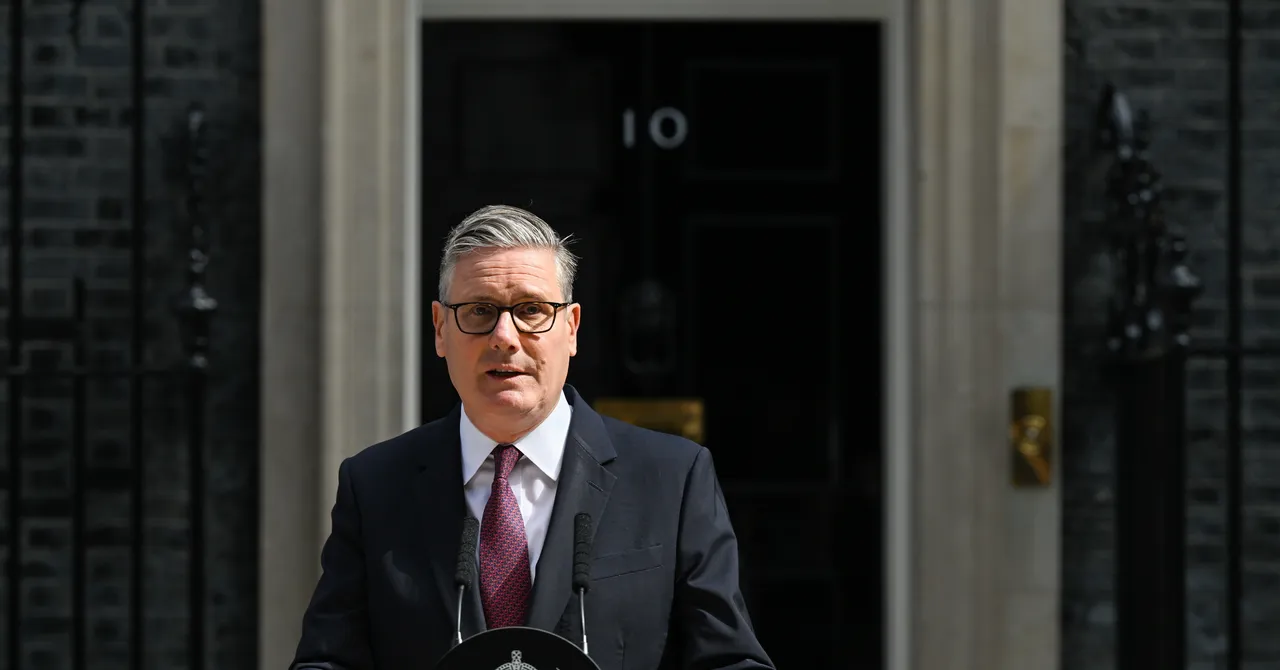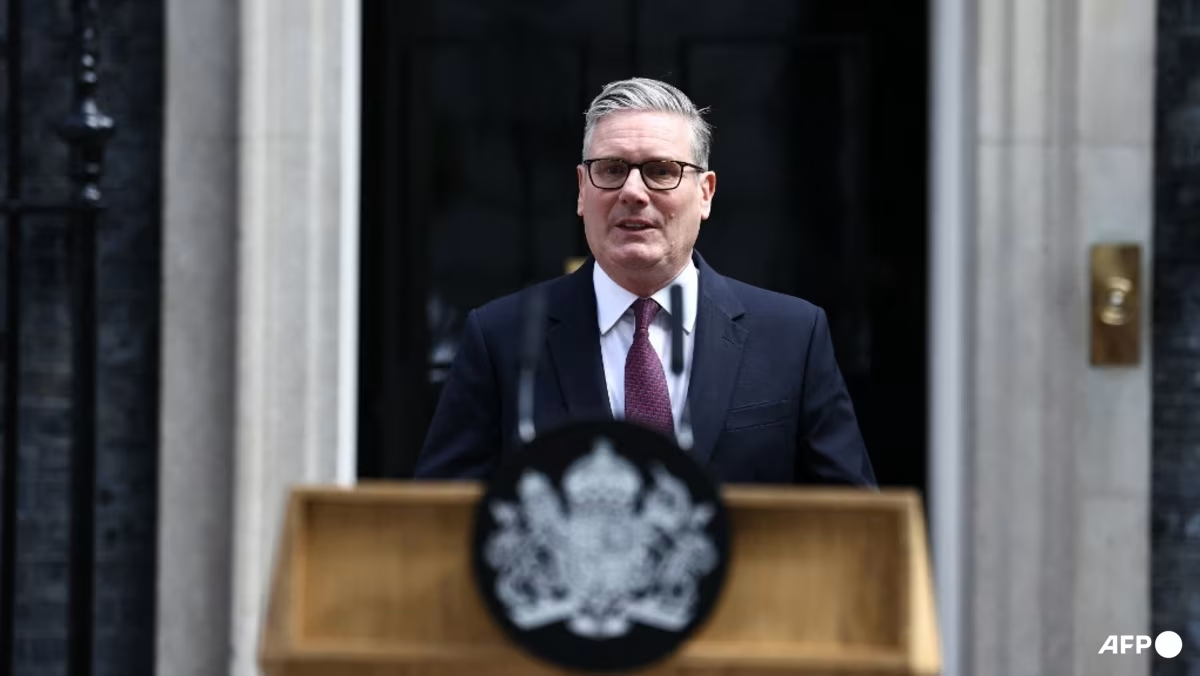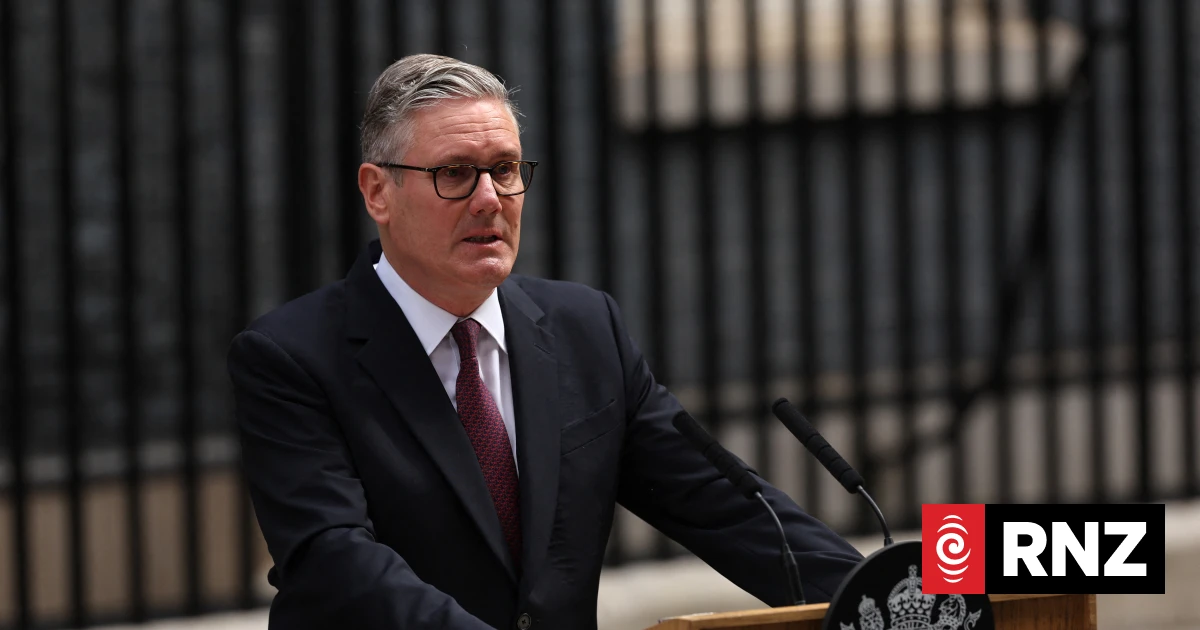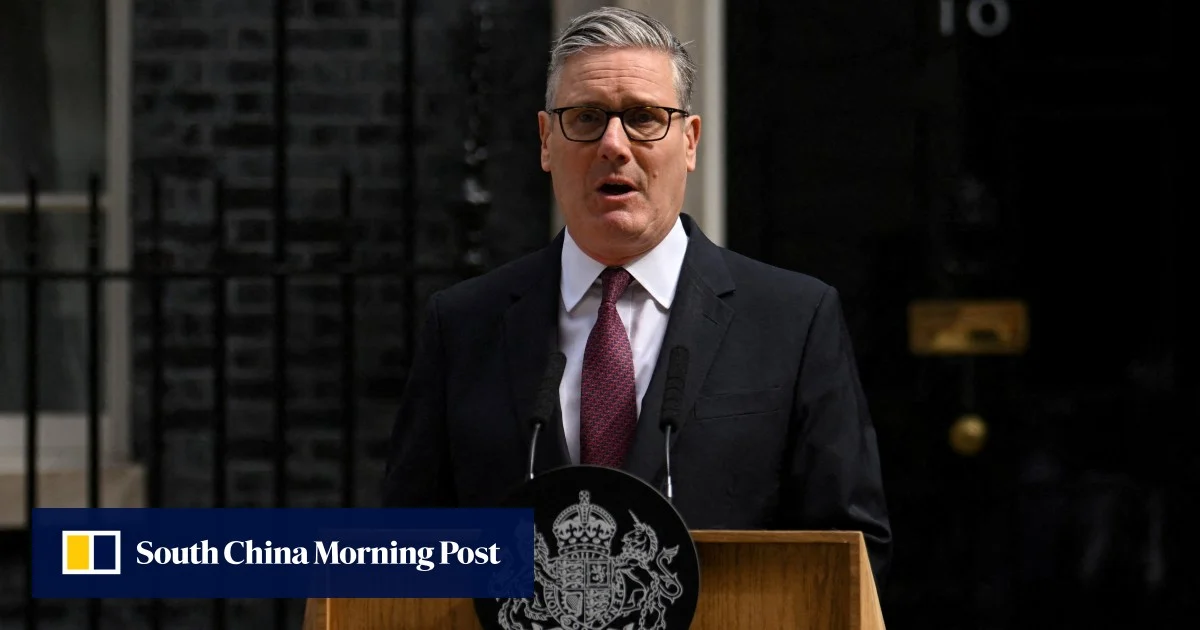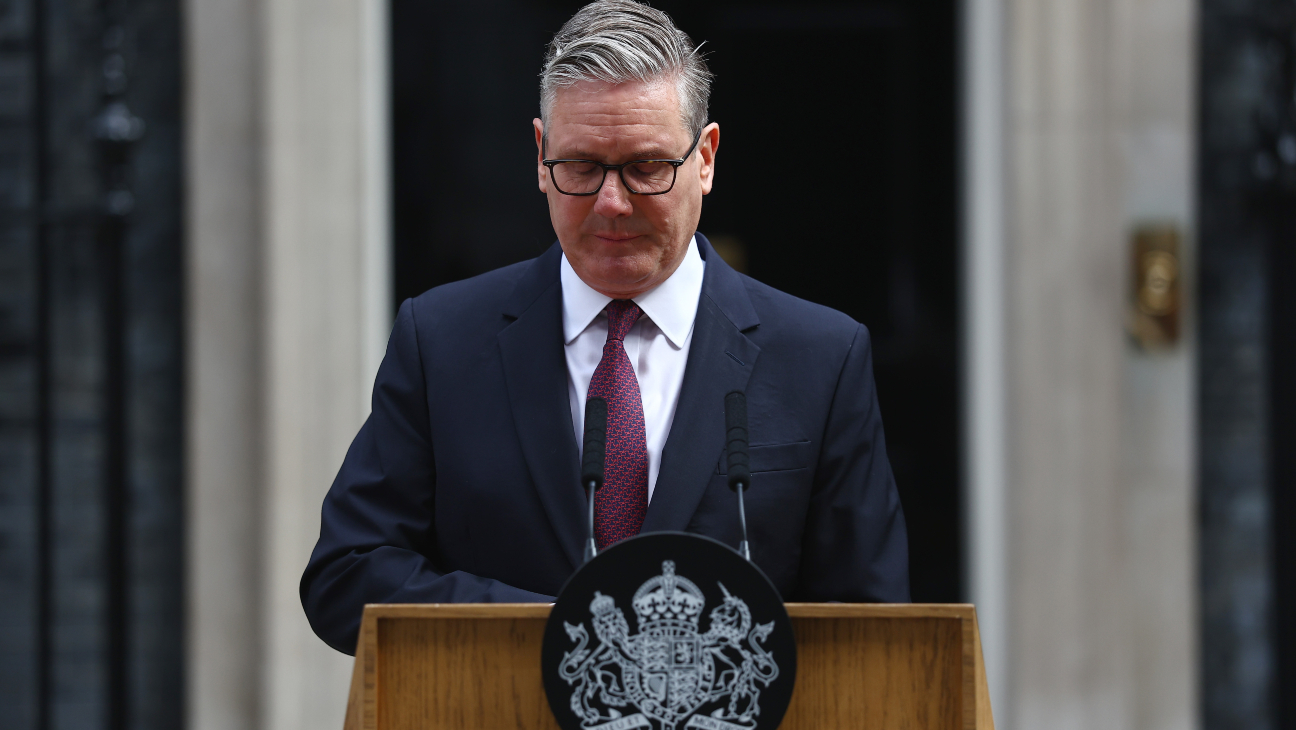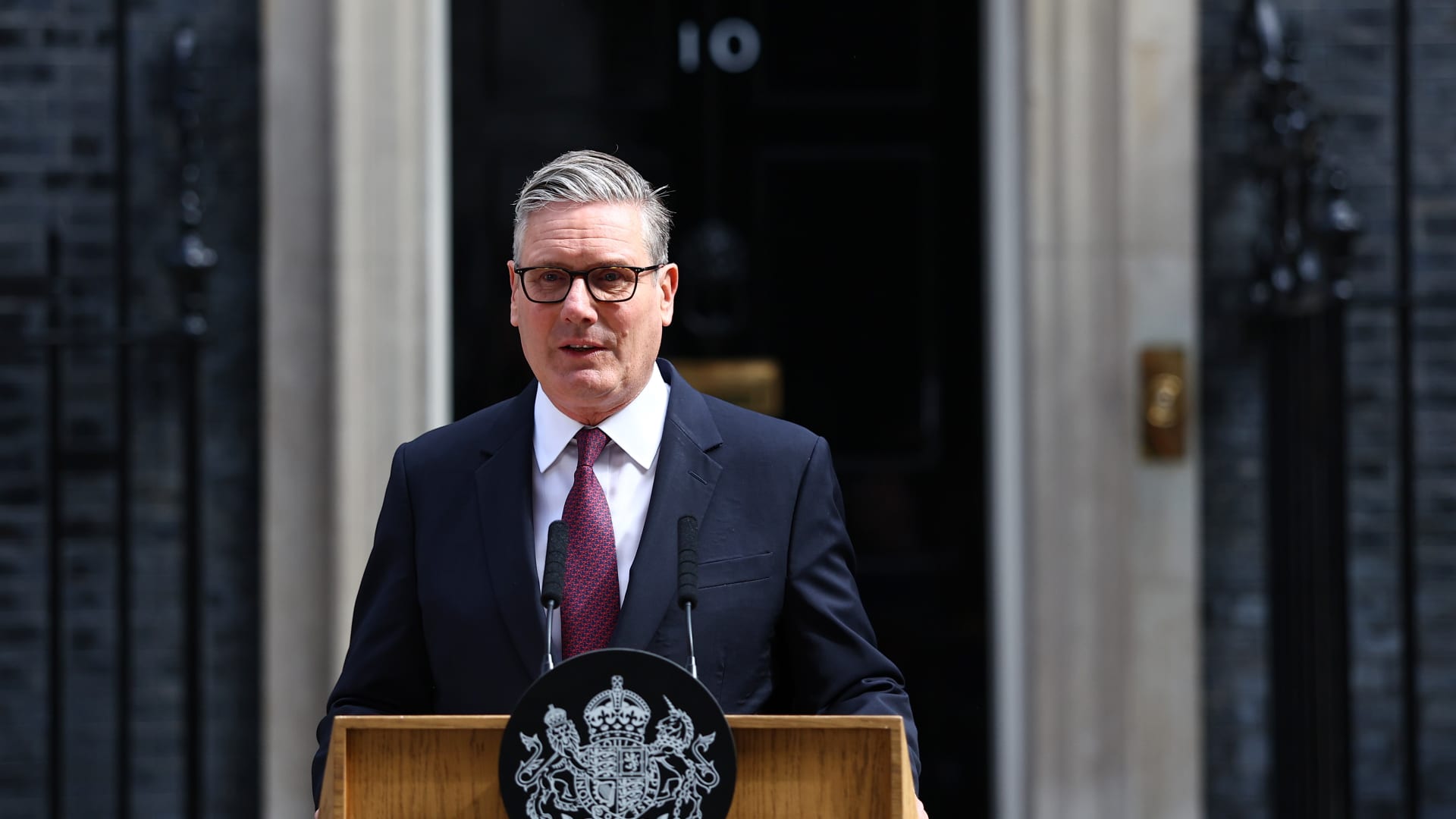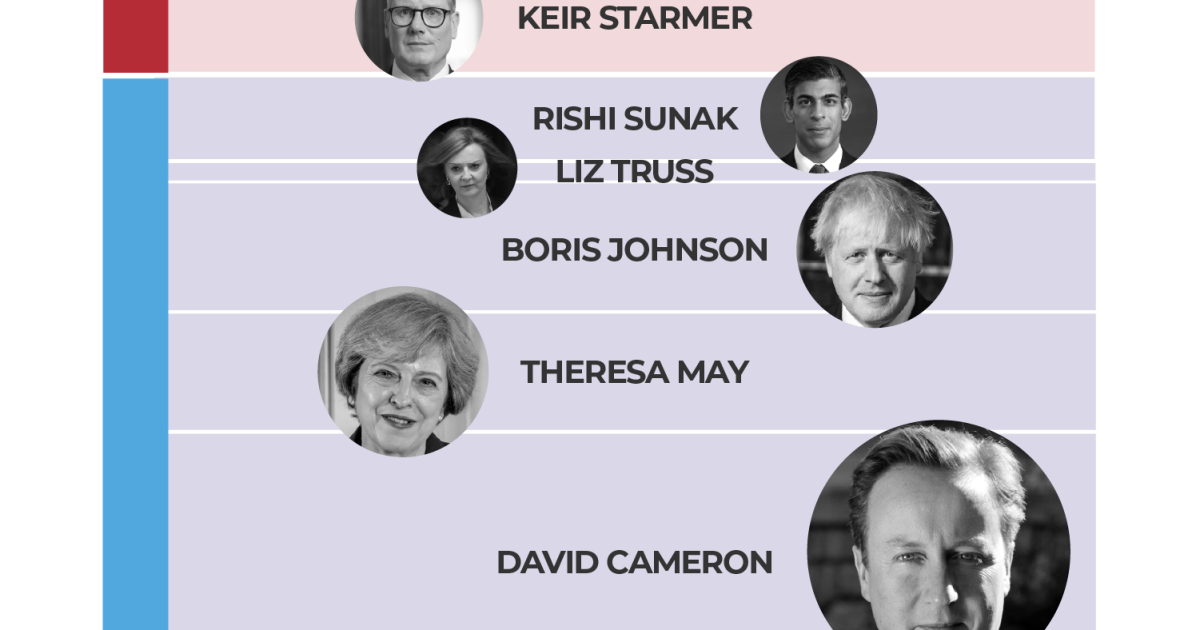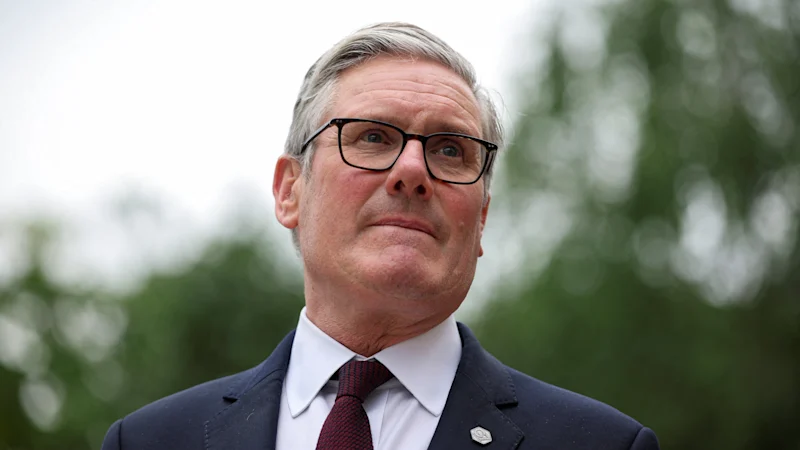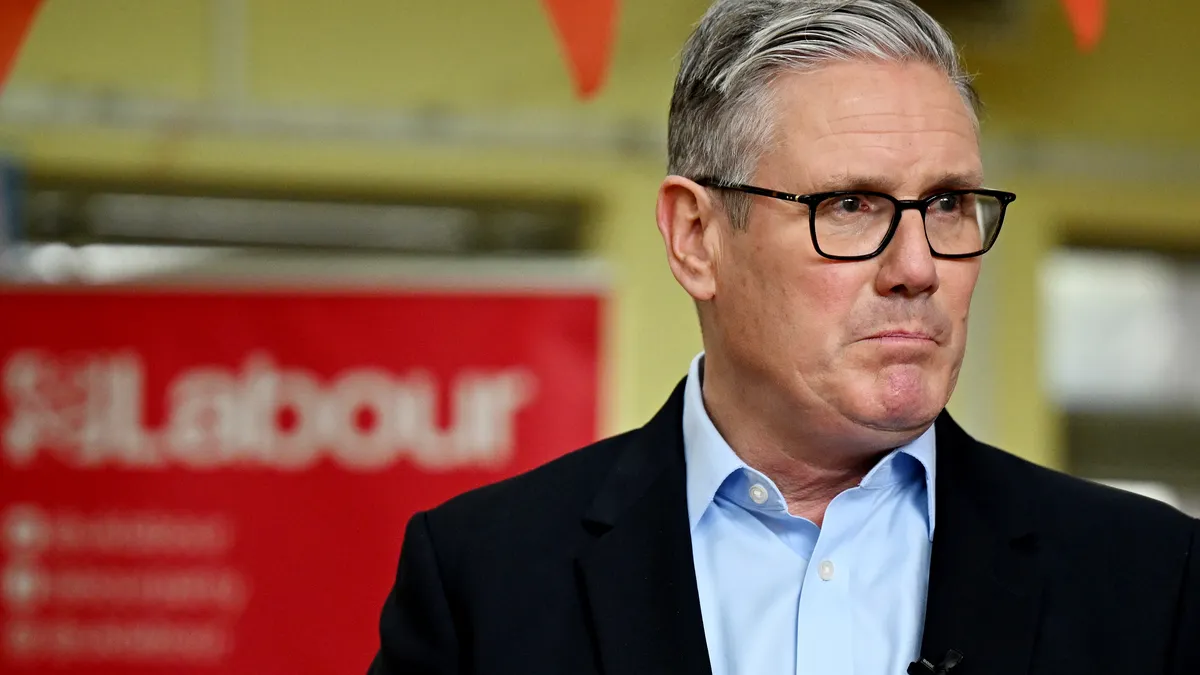
LONDON − Britain will get its seventh leader in a decade after Prime Minister Keir Starmer resigned less than two years after he won a landslide election victory that promised to end his country's chaotic politics and reverse deepening public frustration with the cost of living and other economic woes.The threat to Starmer's premiership has been building for months following bruising defeats for his party in May local and regional elections. On June 22, Starmer set out a timetable for his departure that is likely to usher in an orderly transfer of power. His rival Andy Burnham is a leading candidate to replace him.In a brief address outside his office and residence at 10 Downing Street, Starmer said he "heard the answer" to the question of his premiership and "accepts that answer with good grace."British voters elect a party, not a specific leader, meaning that Starmer's center-left Labour will stay in government until the next general election, due in 2029. Senior members of his cabinet mounted the revolt because they fear Labour could be wiped out in that vote by Nigel Farage's anti-immigration Reform UK party. It has led national opinion polls for more than a year.Starmer said nominations for a new leader would open on July 9.Burnham, 56, was mayor of Manchester for the best part of a decade who won plaudits for his success in attracting investment to that city and improvements to its public transportation system, for which he has earned the nickname "king of the North." Burnham is not likely to make significant changes to Britain's domestic or international policies. He is cut from the same broad political cloth as Starmer, though he is viewed as more left-leaning than Starmer. Burnham served in cabinet roles under former Labour Prime Minister Gordon Brown.He has repeatedly said Britain needs fundamental change and to bring down the cost of living. He has yet to make clear or outline his approach to foreign affairs or the economy.But he is viewed by Labour supporters as a more effective, optimistic and plain-speaking communicator than Starmer, who's quiet, lawyerly manner has consistently failed to connect with the public's national mood.President Donald Trump and Starmer have had a rocky political relationship, with the U.S. president criticizing Starmer for refusing to join the U.S-Israel war in Iran. Starmer has also appeared to frown on Trump's comments on the NATO military alliance and his administration's overall political direction. Trump has also accused Starmer of "failing badly on immigration and energy."Starmer's authority has drained away since Labour's landslide election victory in July 2024 amid anaemic economic growth and perceived missteps over the rollout of various social welfare policies.Britain already has the highest borrowing costs in the Group of Seven wealthy nations due to its high debt and interest payments. It has struggled to cut spending and invest in areas like defense.Reform UK, a party headed by Trump's ally Farage, made big gains at the expense of Labour and the Conservative Party in the May local council elections. Farage has pledged to freeze non-essential immigration, slash taxes and cut down on government waste.Starmer had previously vowed to stand in any formal Labour leadership race triggered by rebel lawmakers who feating a 2029 election wipeout sought to replace him. But that appeared to change over the weekend as a slew of his cabinet ministers urged him to step aside after Burnham decisively won a parliamentary election to return to Westminster. He beat a candidate from Farage's Reform UK party.Analysts say Burnham's policies, like Starmer's, could be hemmed in by bond market investors opposed to any additional borrowing. "In our view, a Burnham premiership would inherit a precarious fiscal situation with few tools to deliver meaningful change," economists at Citibank wrote in an investor note on June 19. The pound eased against major currencies as speculation mounted that Starmer was going to set out a timetable for his departure.Britain's revolving door of prime minister, affecting both Labour and Conservative parties, accelerated in the wake of the 2016 Brexit vote to leave the European Union economic bloc. That vote was a turning point for Britain's politics and a decade later the political instability and economic upheaval it triggered is still being felt.
UK Prime Minister Keir Starmer resigns amid public mood shift
Rebel lawmakers from the ruling Labour Party challenged Starmer's leadership after election defeats and economic frustrations.
704 words~3 min read