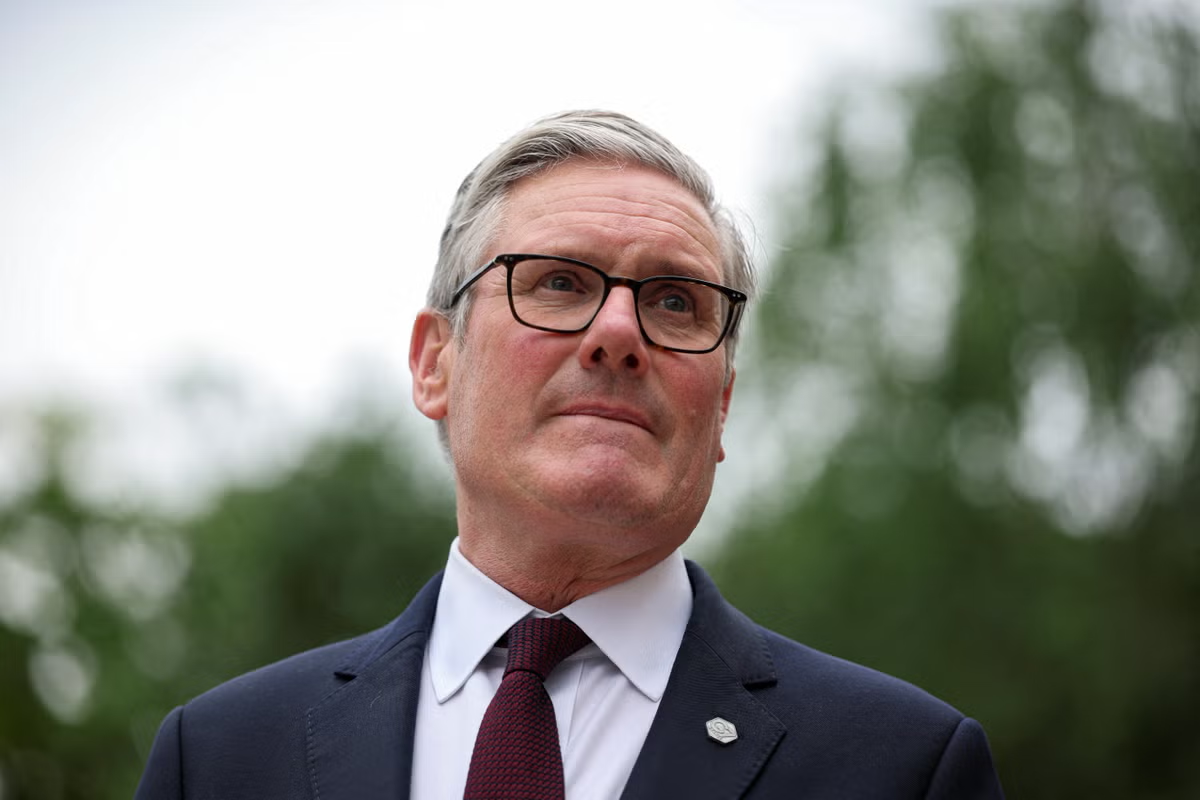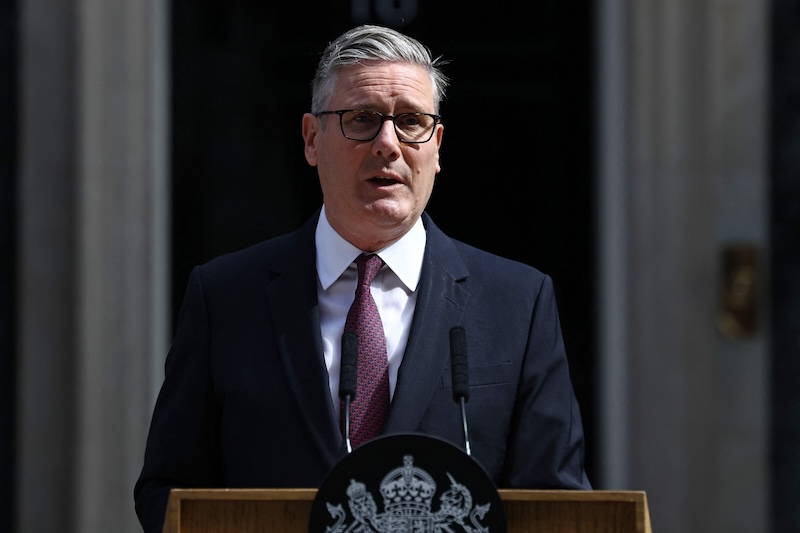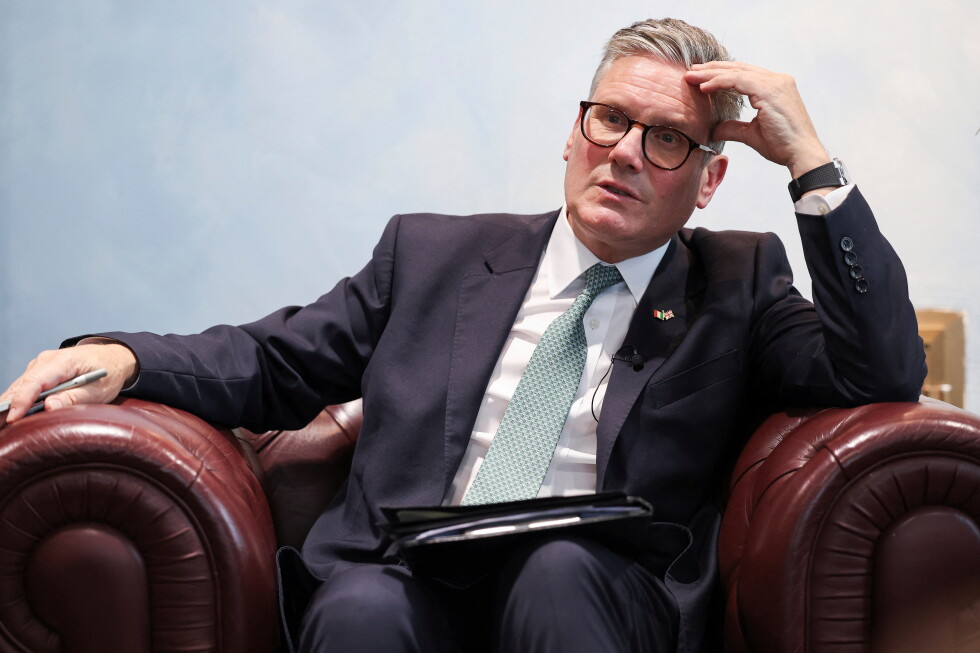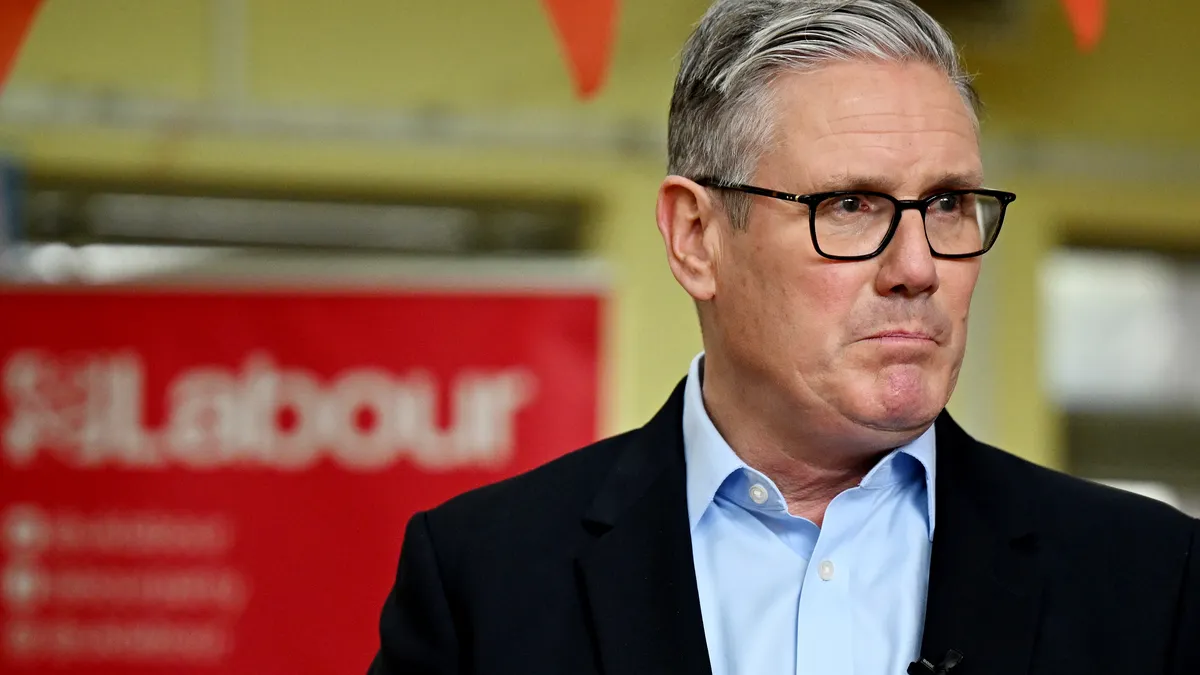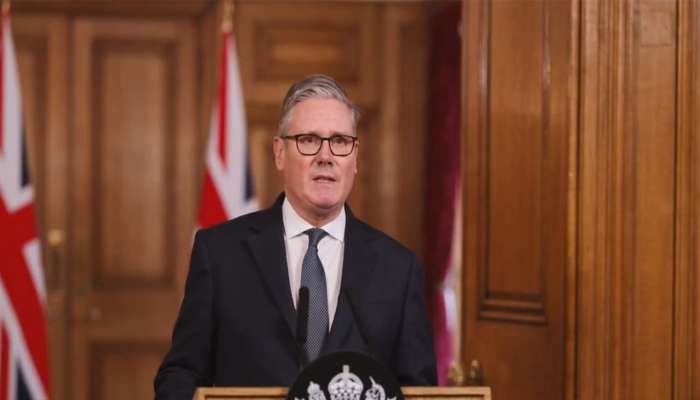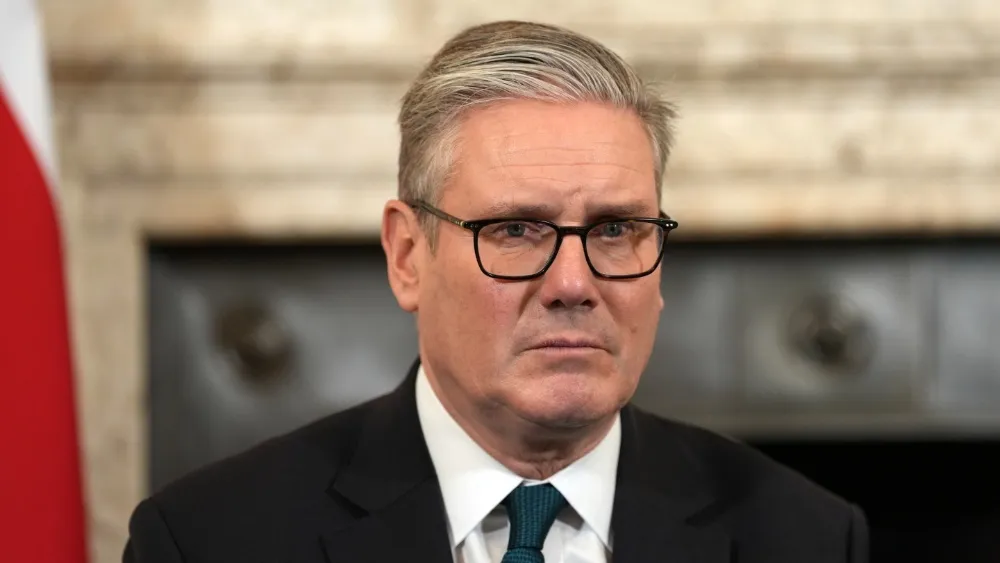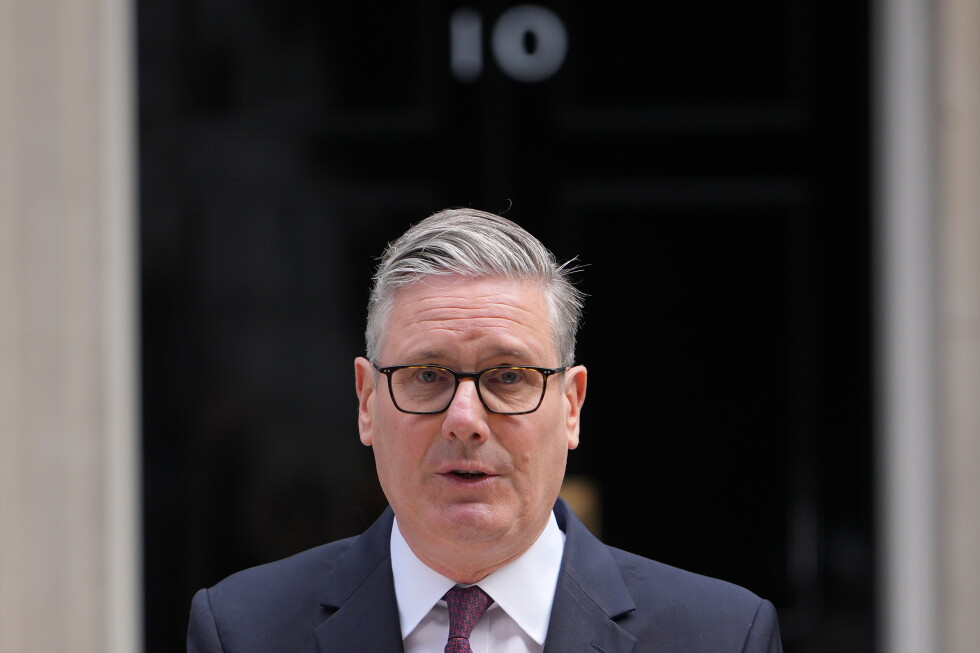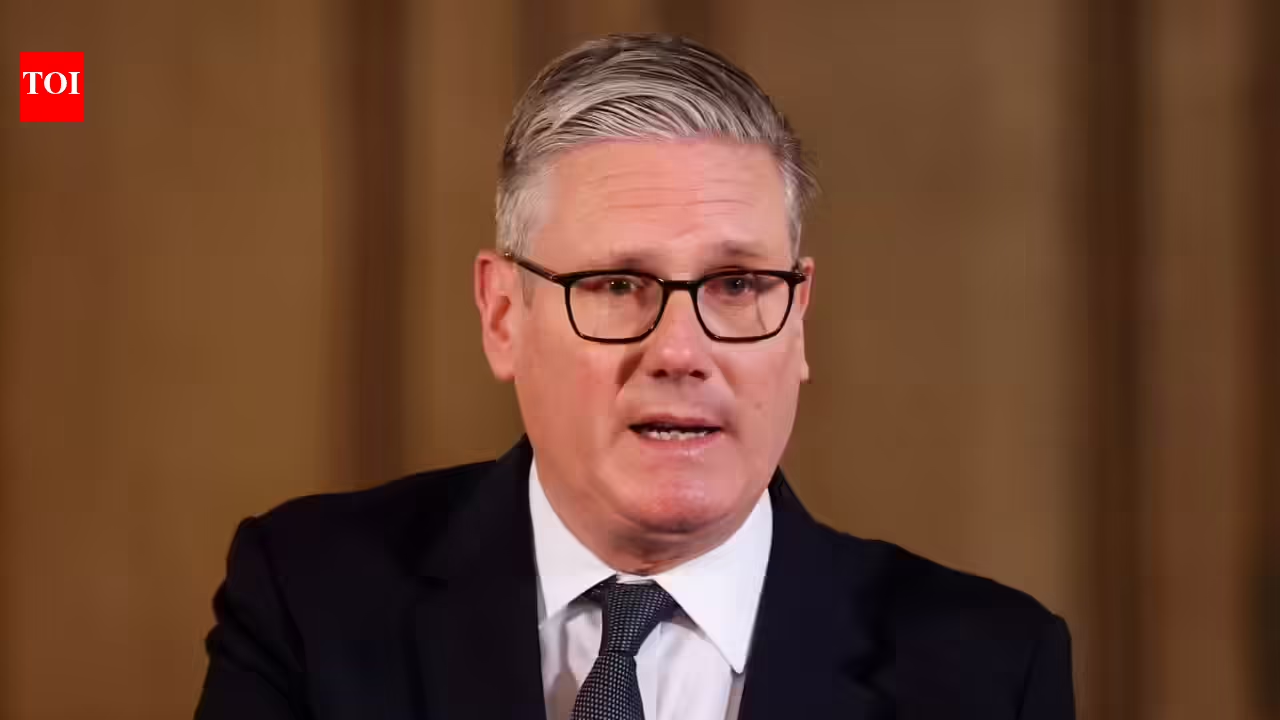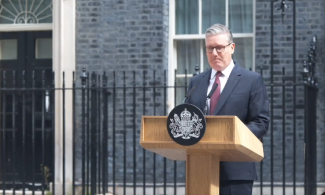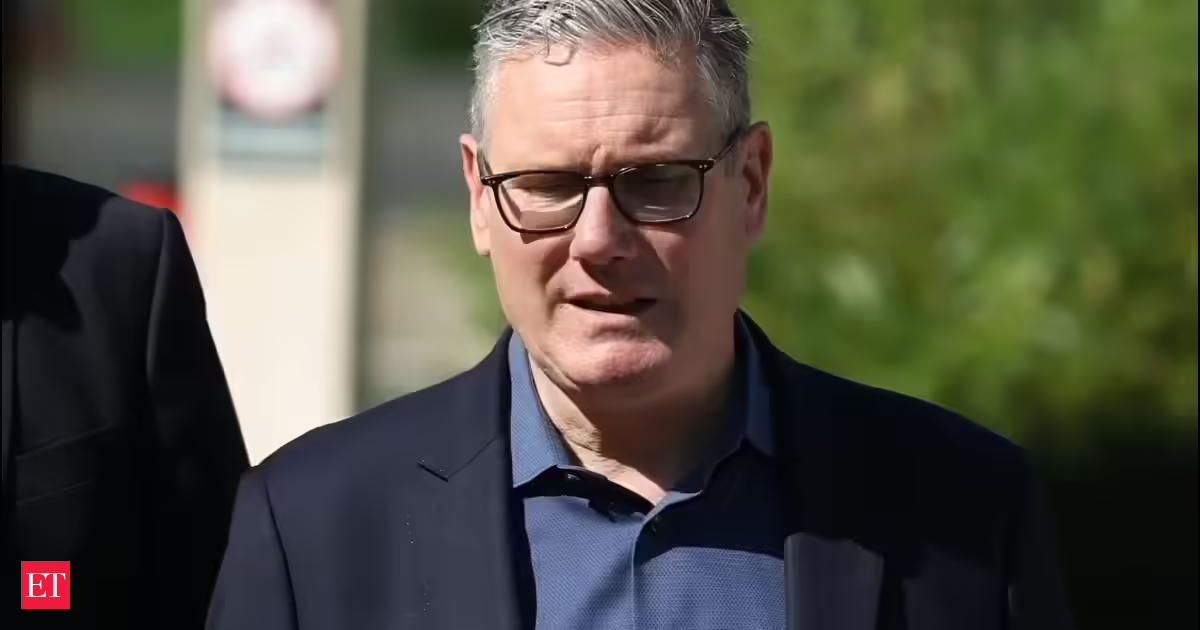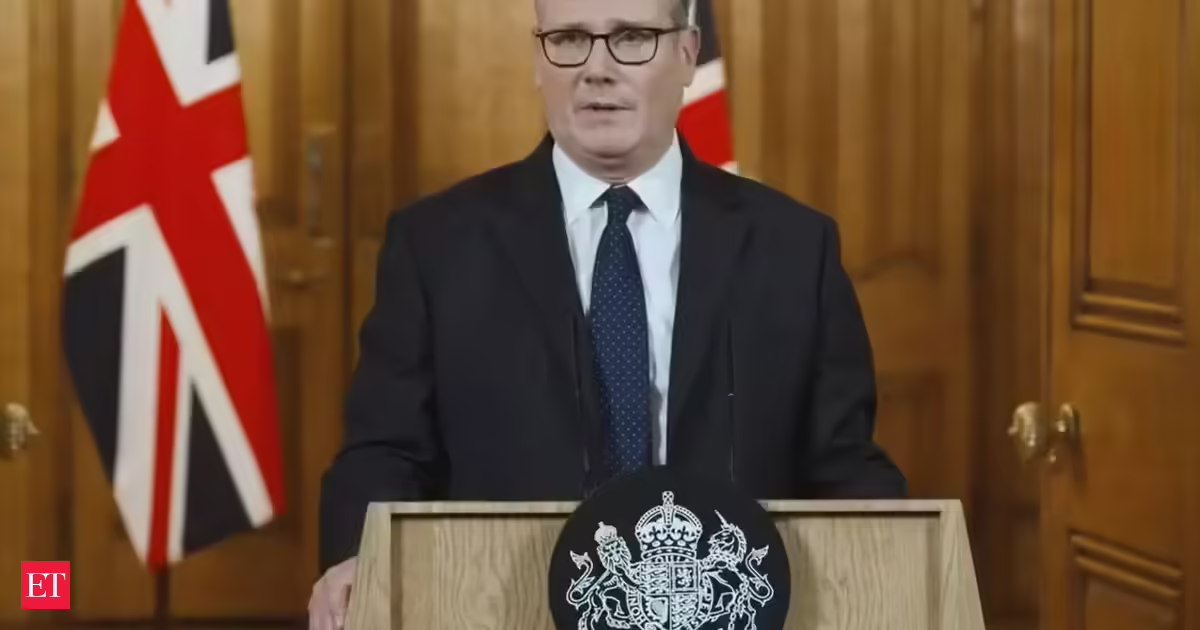
In a dramatic development that could reshape British politics, Keir Starmer has announced his resignation as Prime Minister of the United Kingdom and leader of the Labour Party, bringing an abrupt end to a turbulent period in government just two years after leading Labour to a historic election victory.Starmer confirmed his decision following days of intense speculation over his future amid growing pressure from senior cabinet ministers, Labour MPs and party figures concerned about the government's declining popularity and recent electoral setbacks.Starmer's resignation would give the UK its seventh Prime Minister in a decade.Speaking outside 10 Downing Street, Starmer said that he was told "time and time again" that the party was "finished", but says he "proved those people wrong". "I will resign as leader of the Labour Party."Starmer says he spoke to the King this morning to inform him of his decision to resign.He has also instructed Labour's National Executive Committee to begin the process of selecting his successor, with leadership nominations scheduled to open on July 9. The contest is expected to be completed before Parliament's summer recess ends, ensuring that a new Labour leader is in place before MPs return to Westminster in September.Until a successor is chosen and formally takes over, Starmer will continue to serve as Prime Minister and Labour leader in an interim capacity.— Keir_Starmer (@Keir_Starmer) Starmer's resignation marks a remarkable turnaround in British politics. In the 2024 general election, he led Labour to one of its largest parliamentary majorities in modern history, ending 14 years of Conservative rule and promising economic renewal, political stability and improved public services.However, his government increasingly struggled to convince voters that it was delivering meaningful improvements in living standards. Concerns over sluggish economic growth, persistent cost-of-living pressures, strained public services and rising political competition gradually eroded support for the Labour administration.Recent local and regional elections exposed growing dissatisfaction among voters, with Labour suffering significant losses and prompting questions about the party's direction under Starmer's leadership.Internal Labour rebellion intensified pressureThe immediate pressure on Starmer came from within his own party. Over recent weeks, several Labour MPs publicly called for a leadership change, while reports suggested senior ministers had urged him to consider stepping aside.Political tensions intensified following the return of Andy Burnham to Westminster after his decisive by-election victory in Makerfield. Burnham quickly emerged as the leading figure around whom critics of Starmer's leadership began to rally.Although Starmer repeatedly insisted he would not "walk away," discussions within Labour increasingly focused on whether a leadership transition would better position the party ahead of the next general election.What happens next?Starmer's departure triggers a contest to choose a new Labour leader, who is also expected to become Britain's next prime minister because Labour retains its parliamentary majority in the House of Commons.Several prominent figures are expected to be considered as potential successors, including Andy Burnham, Wes Streeting, Angela Rayner, Yvette Cooper and Shabana Mahmood.
Keir Starmer resigns as UK Prime Minister: What went wrong after Labour's historic victory?
In a stunning political upheaval, Keir Starmer has resigned as UK Prime Minister and Labour leader after just two years in power. His decision follows mounting pressure over declining popularity and electoral setbacks, despite leading Labour to a historic victory in 2024. A leadership contest is now underway, with nominations opening soon to select a successor who will likely lead the nation.
482 words~2 min read