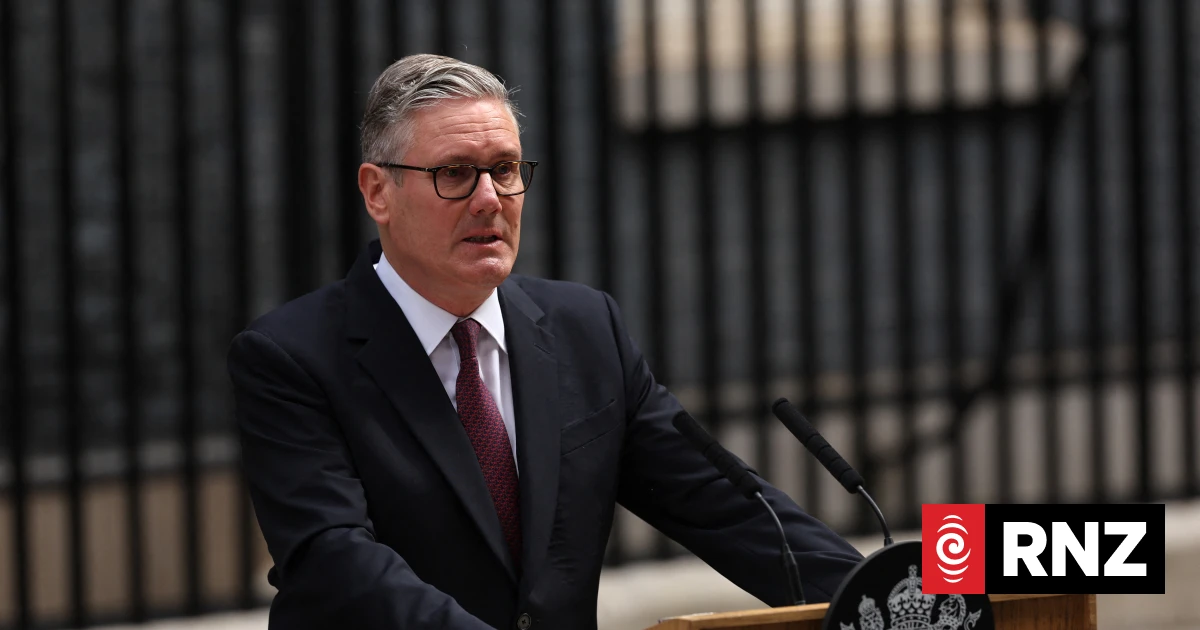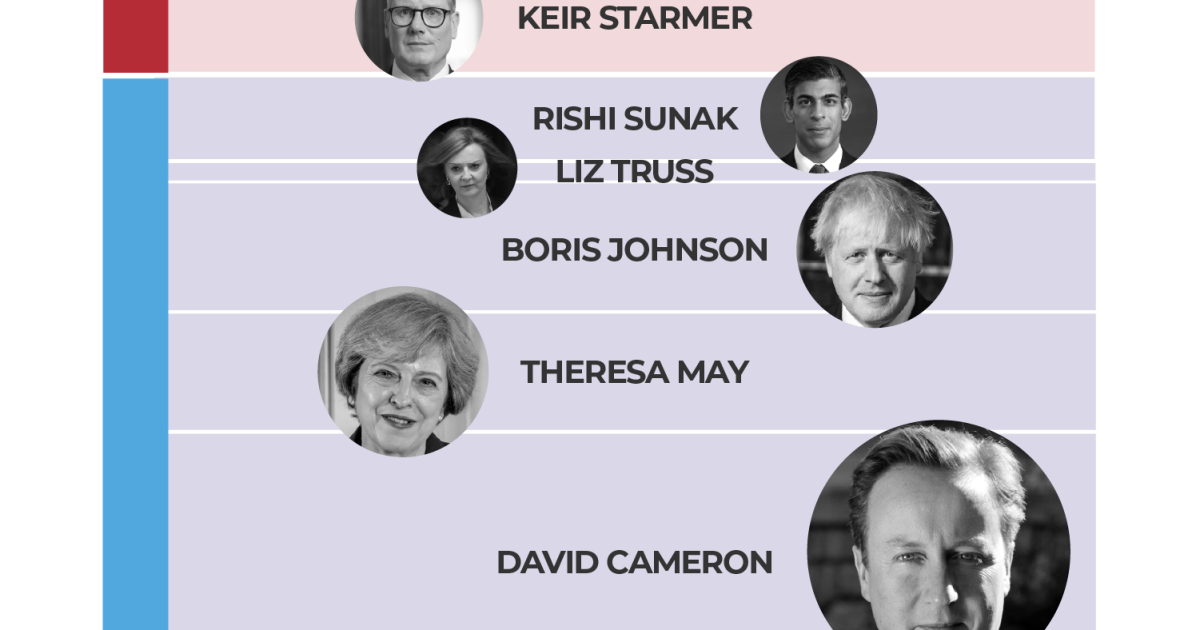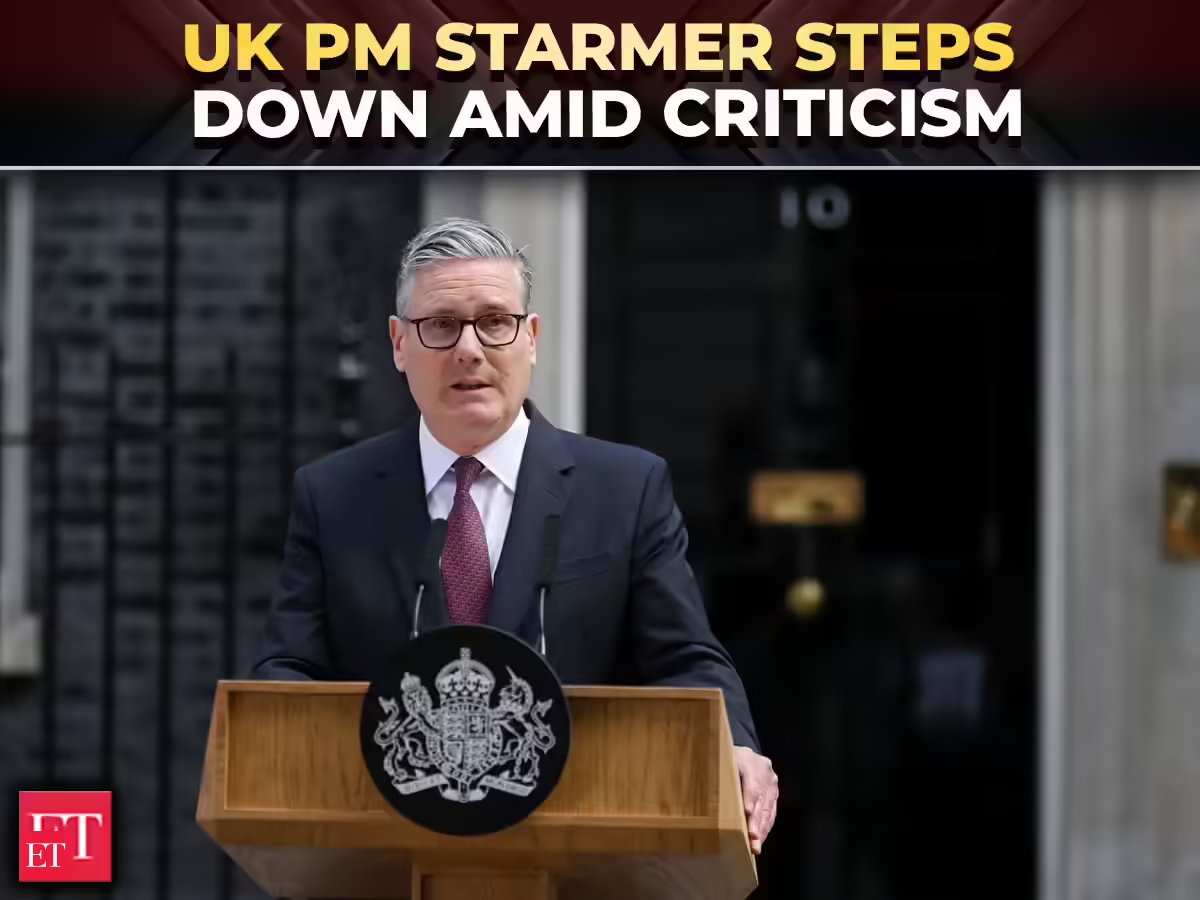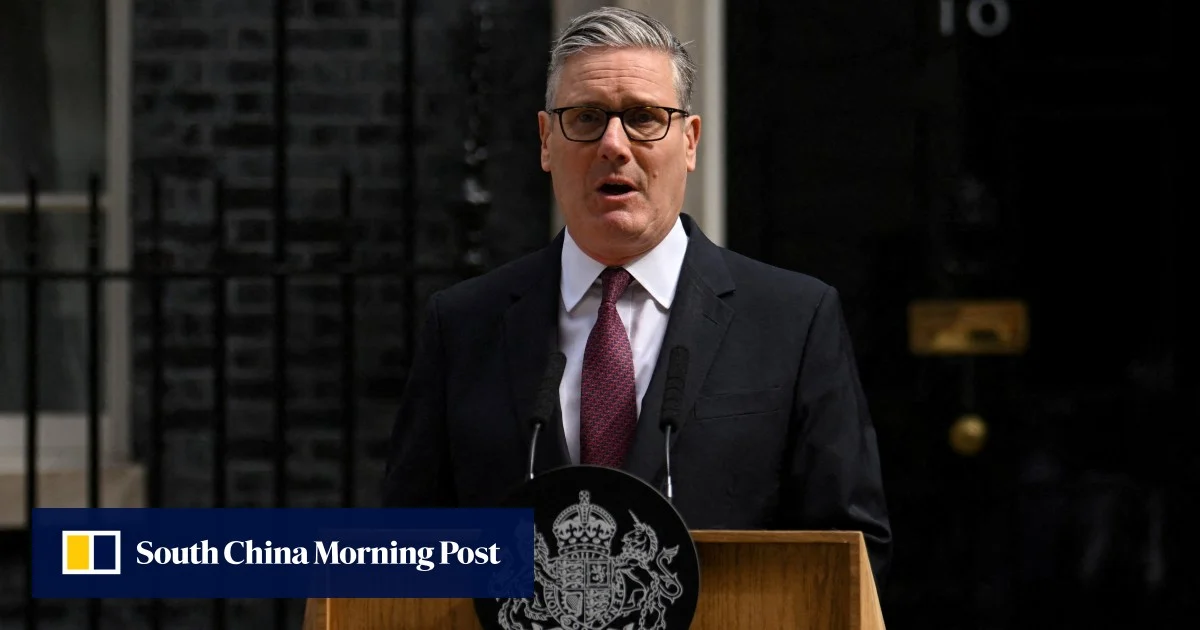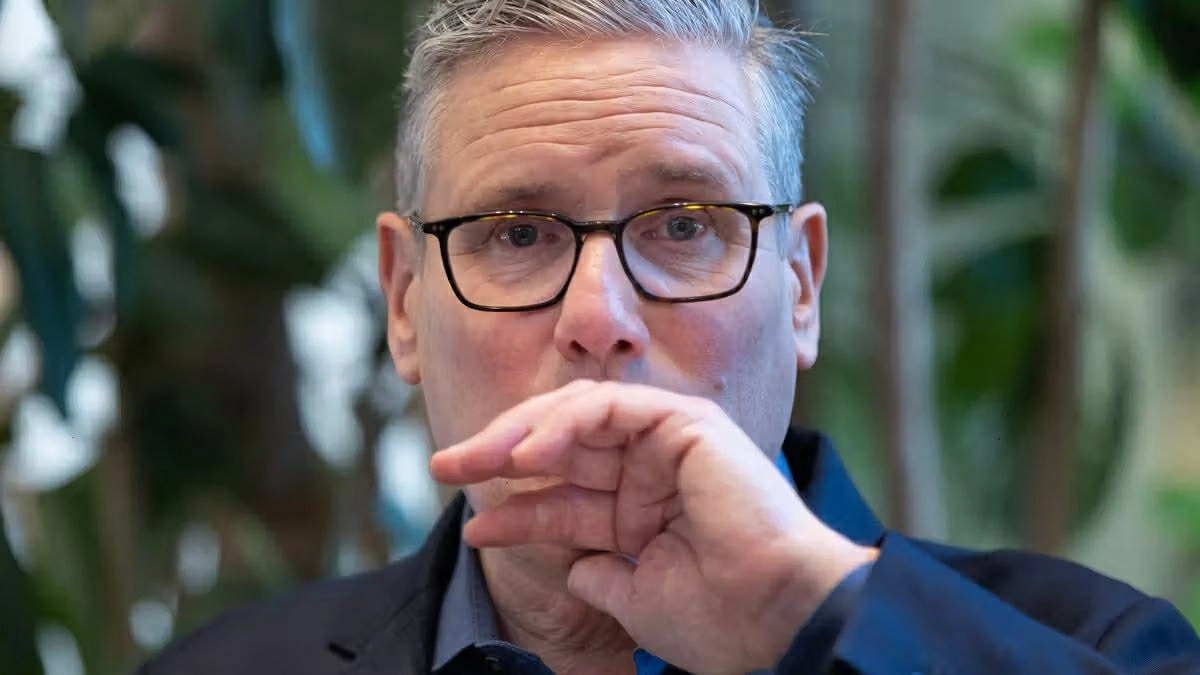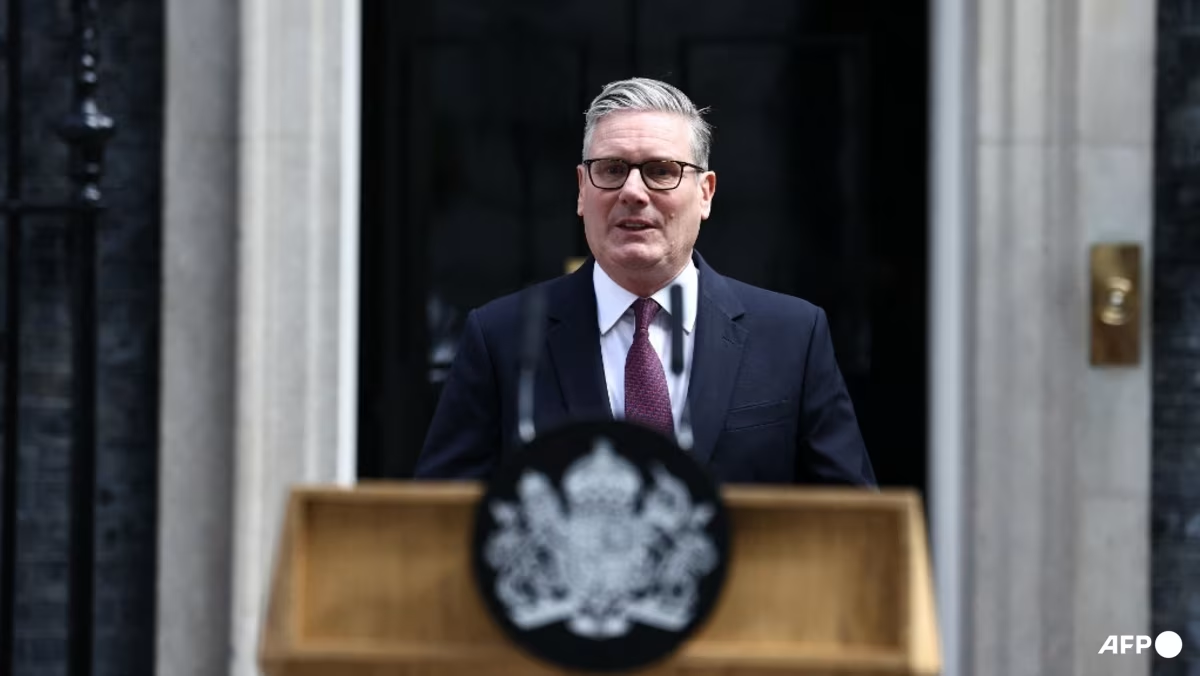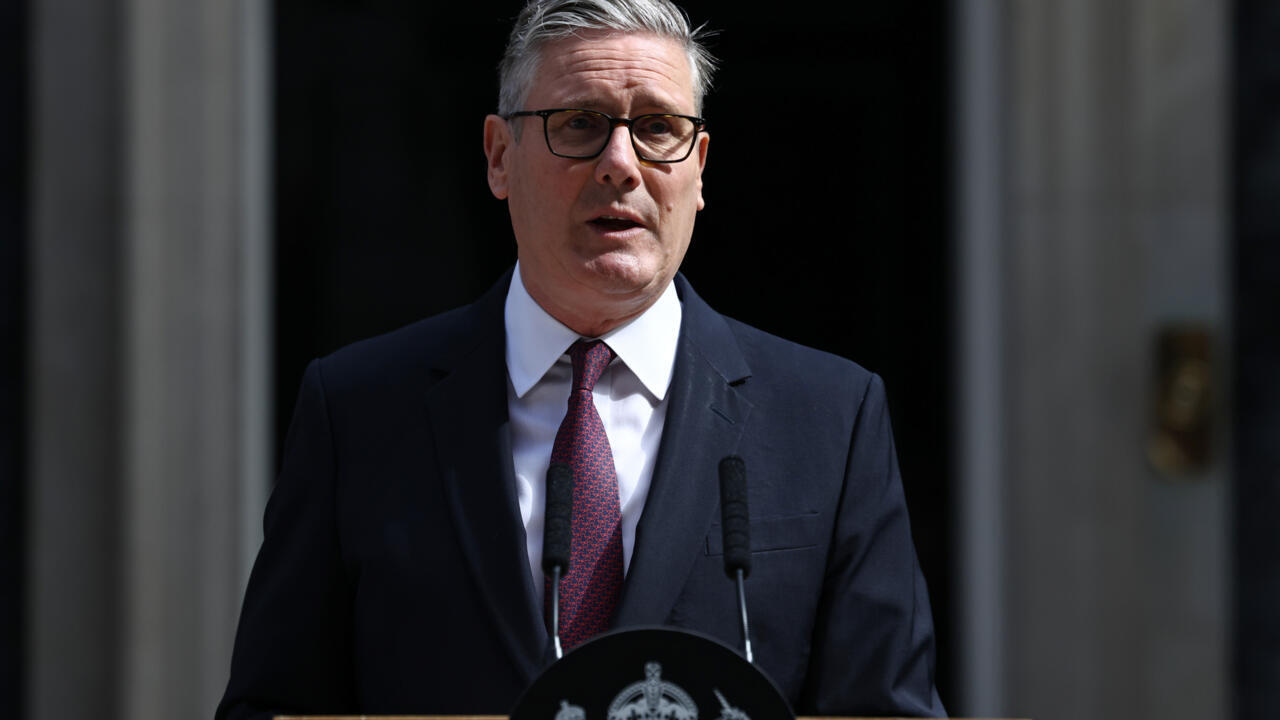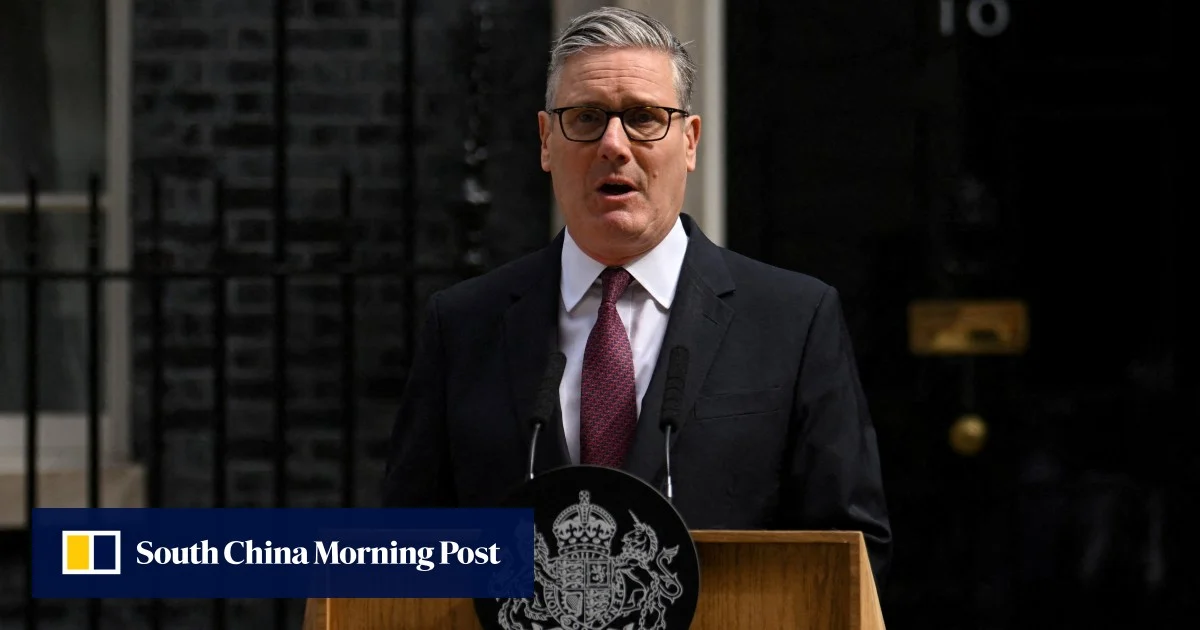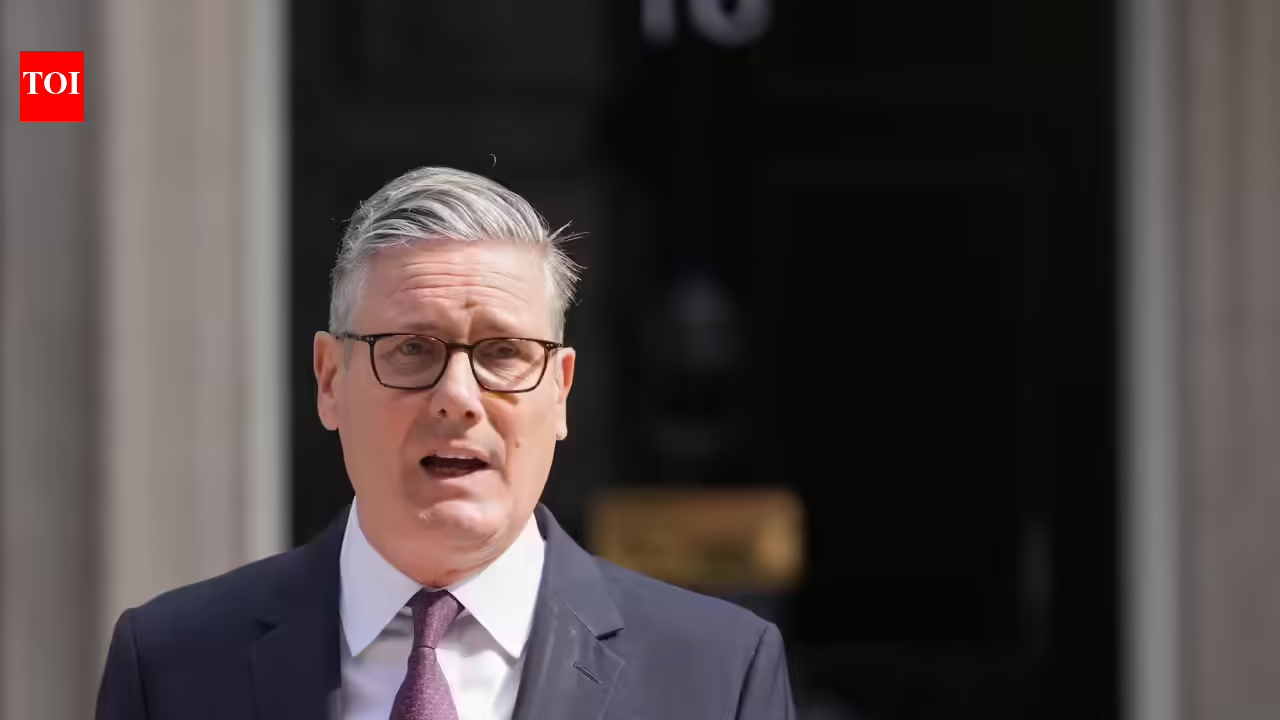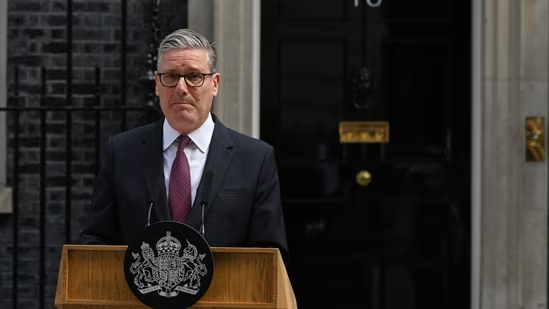
British Prime Minister (PM) Keir Starmer announced his resignation as leader of the Labour Party and UK PM, forced out by his own party following a catastrophic plunge in popularity, severe local and by-election losses, and damaging political missteps within two years of his 2024 landslide victory.Keir Starmer (AP)Thus, The UK is on course to welcome its seventh prime minister in a decade. This unprecedented leadership turnover began exactly ten years ago with the historic June 2016 Brexit referendum, which triggered the immediate departure of David Cameron. In the highly volatile decade that followed, the country cycled through a rapid succession of Conservative leaders—including Theresa May, Boris Johnson, Liz Truss, and Rishi Sunak—who each struggled to manage the economic and political aftershocks of leaving the European Union.When Sir Keir Starmer led the centre-Left Labour Party to a historic general election victory in July 2024, the British public believed the country’s revolving door of prime ministers had stopped spinning. However, this honeymoon period was short-lived. Within months, Starmer and his cabinet faced intense public backlash during the ‘freebies gate’ controversy over accepting expensive gifts and tickets to concerts and sports events. Though Starmer reimbursed the costs and tightened donation rules, the damage to his carefully cultivated ‘Mr Rules’ reputation was severe.Despite some improvements in macroeconomic parameters—including falling inflation and strong early-2026 economic growth relative to G7 peers—the British public largely soured on his administrative direction. Starmer’s administration attempted to slash the welfare bill and curtail winter fuel subsidies for pensioners, but was forced into humiliating U-turns by parliamentary rebellions. Without an easily expressed, unifying political philosophy, his government’s trajectory appeared arbitrary, leaving the public feeling the cost-of-living crisis had not been sufficiently addressed.Starmer's judgment came under severe scrutiny regarding his decision to appoint Peter Mandelson as the UK ambassador to the US. Newly-revealed government files later showed that the Foreign Office had warned of reputational risks over Mandelson’s ties to the late convicted sex offender Jeffrey Epstein, and that Mandelson had actually failed his initial security vetting. Despite these internal Foreign Office warnings, and reports that Mandelson initially failed security vetting, the PM pushed forward with the appointment. Once US Department of Justice files revealing the depth of their relationship were made public, Starmer was forced to sack Mandelson. This disastrous appointment exposed severe flaws in his performance and alienated members of his own party.The deepest threat to Starmer's premiership came from outside the traditional left-right binary. While struggling to maintain the progressive base, Starmer's government haemorrhaged working-class support to the right-populist Reform UK party, led by Nigel Farage. In the midterm municipal elections in May, Labour suffered devastating losses, shedding nearly 1,500 council seats as Reform UK surged. These resoundingly dismal results triggered panic among Labour MPs regarding the party's future electoral prospects.The final catalyst that forced Starmer's exit was the political re-emergence of ‘King of the North’ and Greater Manchester Mayor Andy Burnham. After securing a decisive, 55% majority victory in the Makerfield parliamentary by-election, Burnham's pathway to challenging for the Labour crown opened. Burnham’s ability to siphon votes from Reform UK proved to many Labour MPs that he was the antidote to the party's electoral haemorrhaging.Facing a mounting rebellion from his own lawmakers, cabinet resignations, and the realisation that his own parliamentary party had lost faith in his leadership, Starmer retreated to his country estate at Chequers. Following a weekend of consultations with his ministers and family, he realised he lacked the viable support to continue. In a tearful televised address outside 10 Downing Street, Starmer announced his decision to resign, paving the way for his party to undergo a leadership contest and select Britain's seventh premier in a decade.Although Starmer's landslide election victory in 2024 promised an end to political chaos and the exit of six PMs, his administration was ultimately derailed by a sluggish economy, plummeting poll numbers, and a mounting internal rebellion within the Labour Party. This persistent instability highlights a profound, structural crisis in British governance, where successive leaders have failed to resolve the compounding domestic challenges of public service decay, high debt, and deep-seated voter dissatisfaction. However, despite fierce pressure from Reform UK leader Nigel Farage demanding a snap general election, Labour’s massive parliamentary majority means the transition will stay internal, leaving the incoming leader with the immediate task of uniting a fractured party and addressing long-standing economic and public sector stagnation.Andy Burnham served as the Mayor of Greater Manchester from 2017 to 2026. Prior to that, he was a long-standing Member of Parliament (2001–2017), holding several prominent cabinet roles in the British government. During the Labour governments of Tony Blair and Gordon Brown, Burnham served as secretary of state for Health (2009–2010), secretary of state for culture, media and sport (2008–2009), chief secretary to the Treasury (2007–2008), minister of state for health , (2006–2007) and parliamentary under-secretary of state for the home office (2005–2006).While his party was in opposition, he held several shadow cabinet positions, including shadow education secretary, shadow health secretary, and shadow home secretary. Thus, he brings extensive experience to 10 Downing Street and could indeed bring stability to the British premiership, particularly following the turbulent period of Keir Starmer's administration. (The views expressed are personal)This article is authored by Prabhu Dayal, former ambassador, New Delhi.
Assessing the resignation of Keir Starmer
This article is authored by Prabhu Dayal, former ambassador, New Delhi.
876 words~4 min read