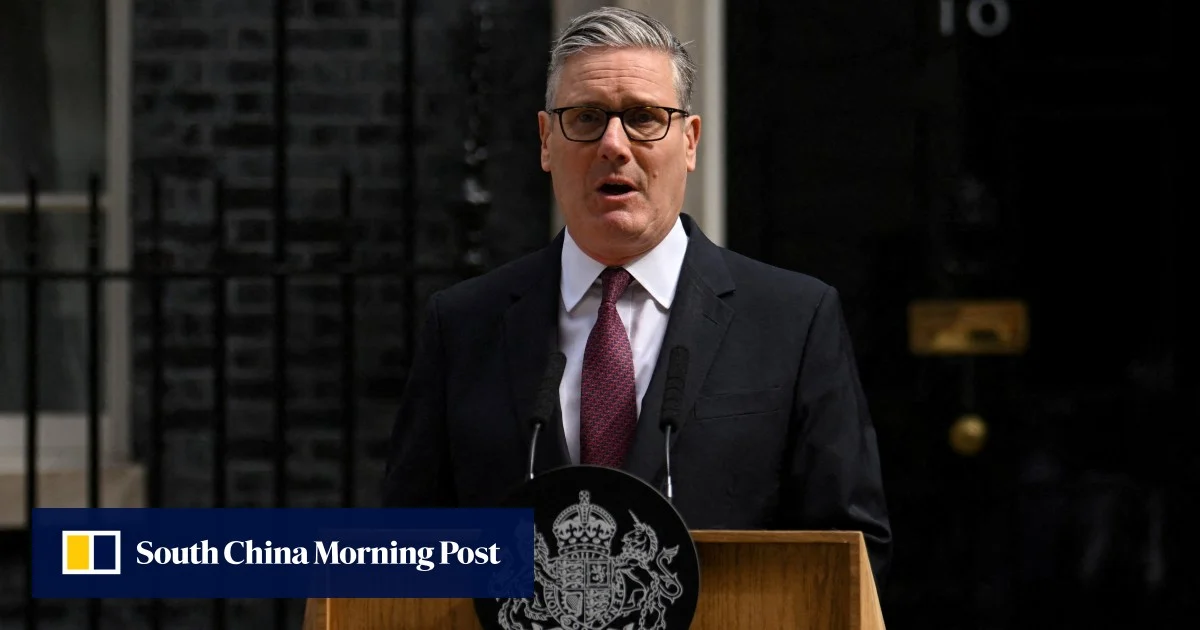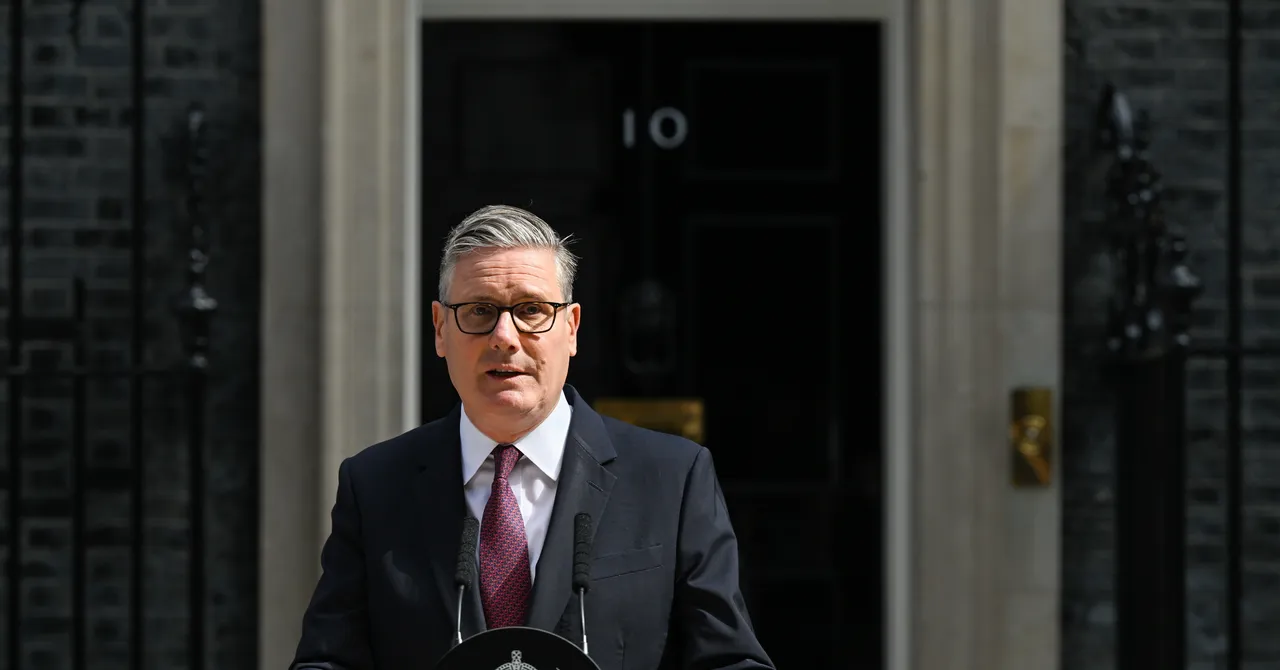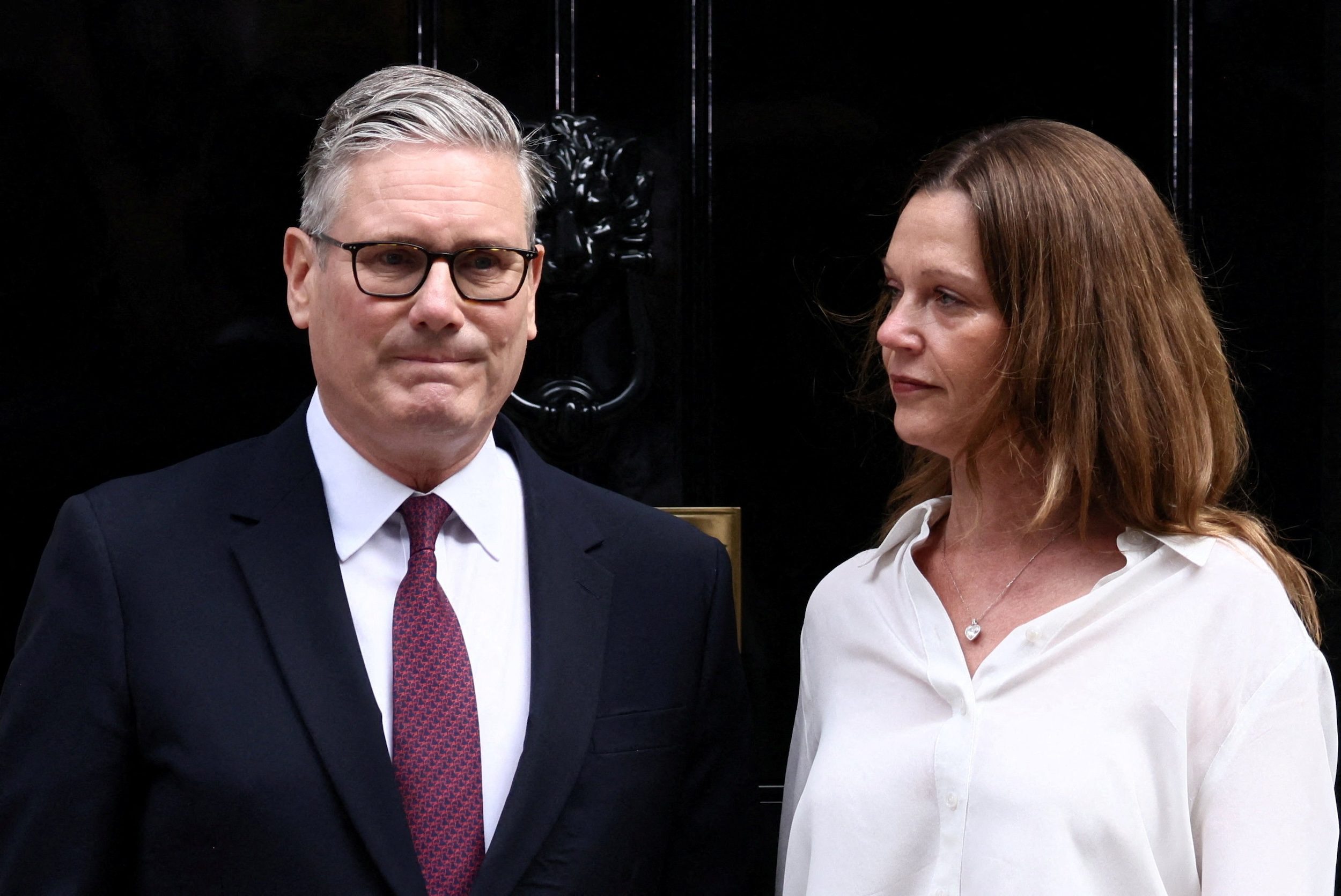
LONDON, United Kingdom – Keir Starmer was once hailed as the leader who would bring pragmatism and stability to Britain after years of political chaos. When he quit as prime minister on Monday, June 22, the very lack of ideology that propelled him to power drove his downfall.
After guiding the Labour Party into power in 2024 with the biggest parliamentary majority in Britain’s modern history, Starmer focused on what he believed was possible to achieve, rather than setting out a clear vision of a future Britain.
He soon came to be seen by many voters and members of his party as lacking conviction and a clear direction, more than 20 party insiders said. He had no big idea.
Without what one senior Labour lawmaker called “a guiding light,” the former lawyer was buffeted by competing Labour factions, lobbied by vested interests and misunderstood by wary voters, many of whom came to hate what they saw as his indecision and his robotic performances.
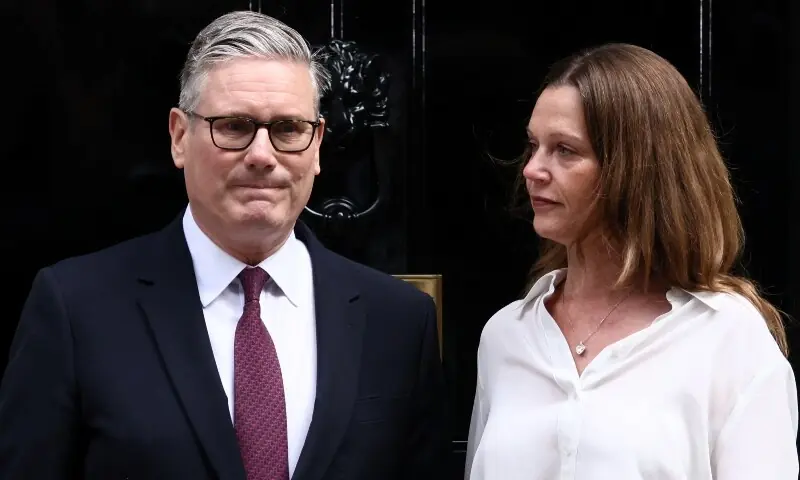
Turned to his wife for counsel