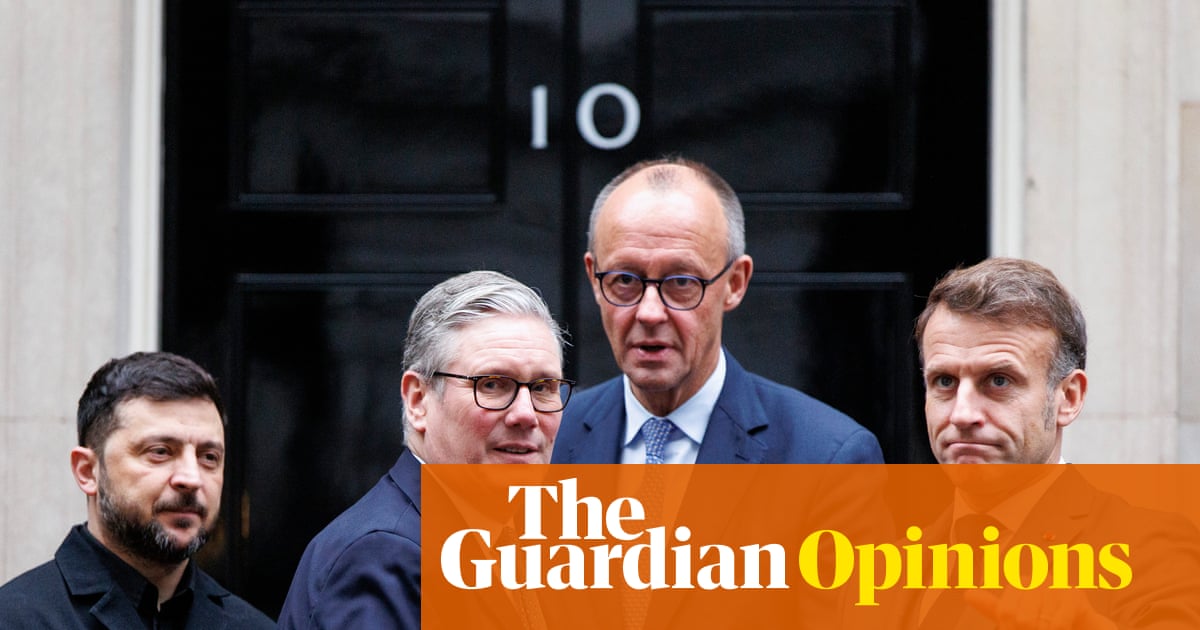
The prime minister says foreign and domestic policy must be more closely unified. The problem is that he is failing to do it
T
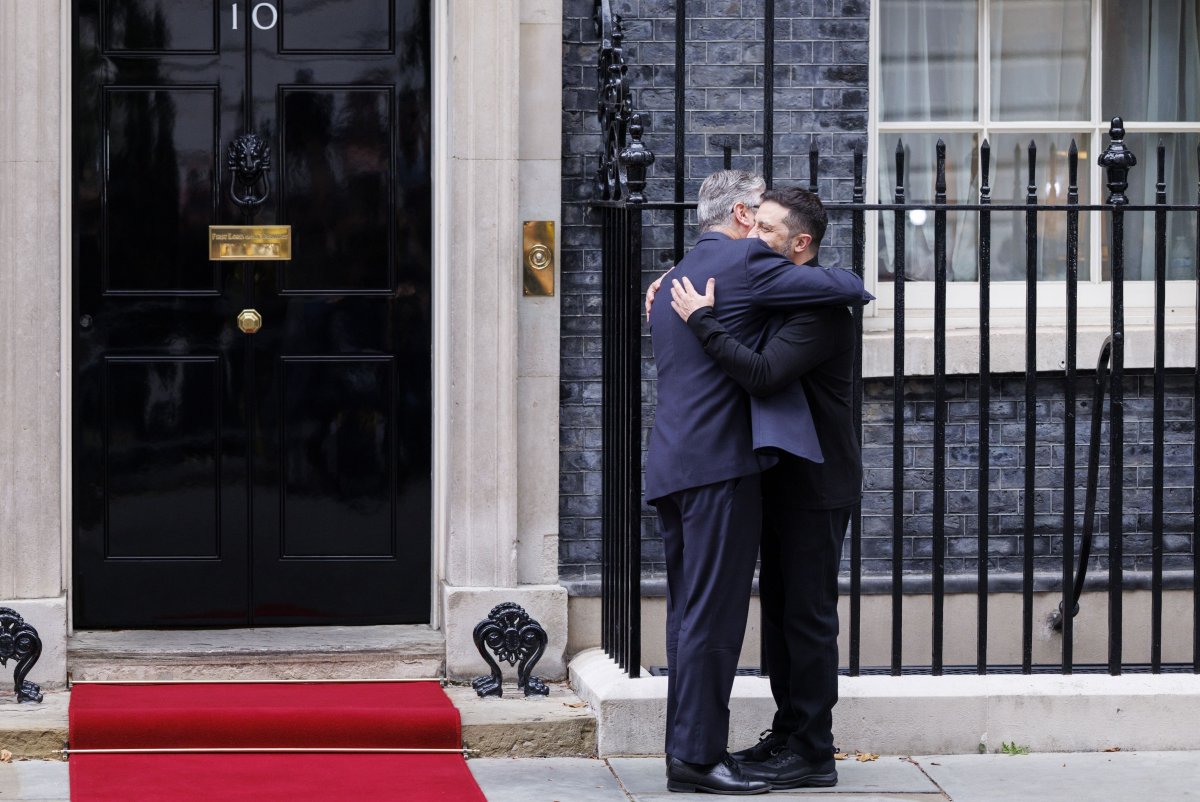
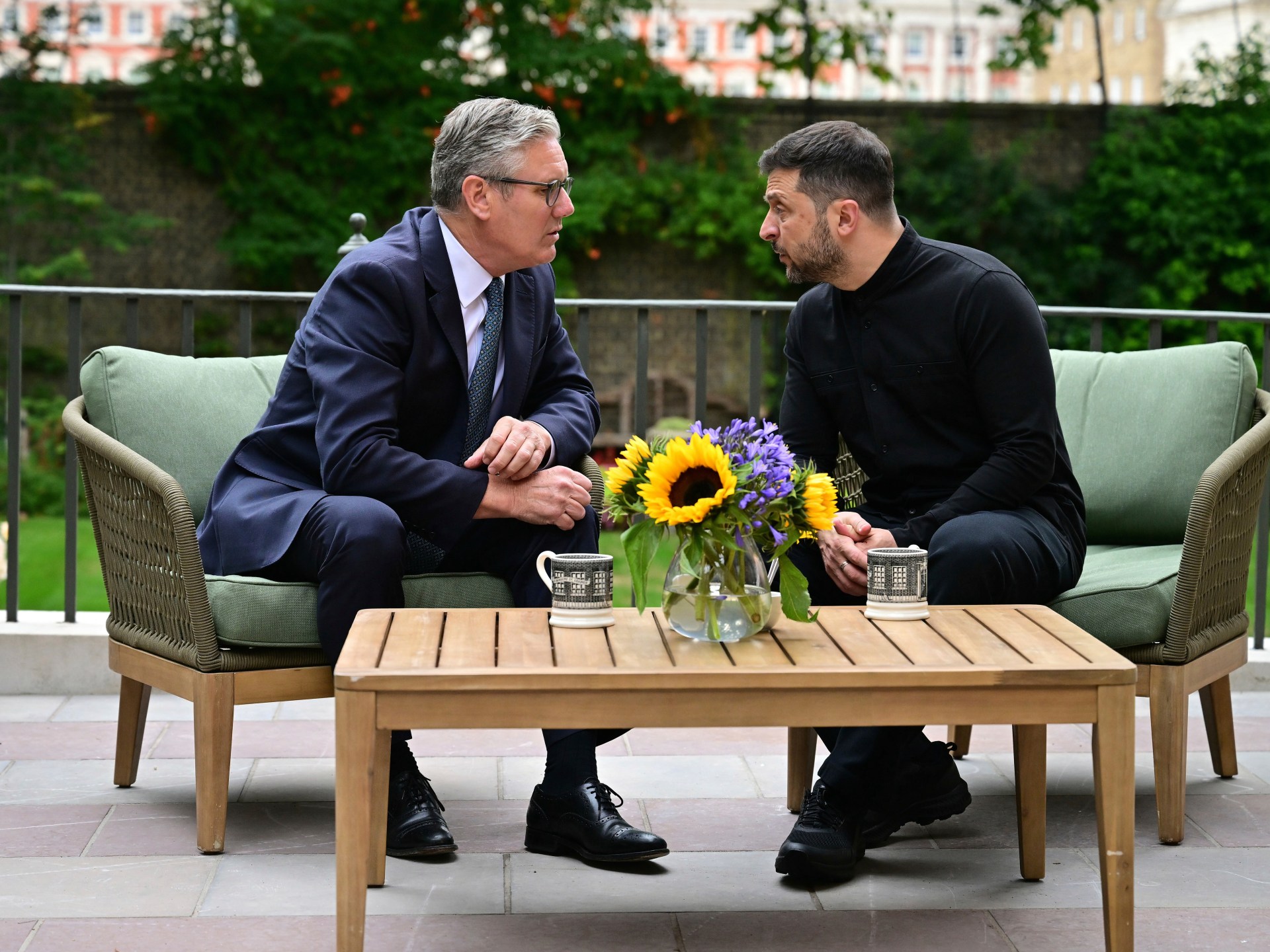
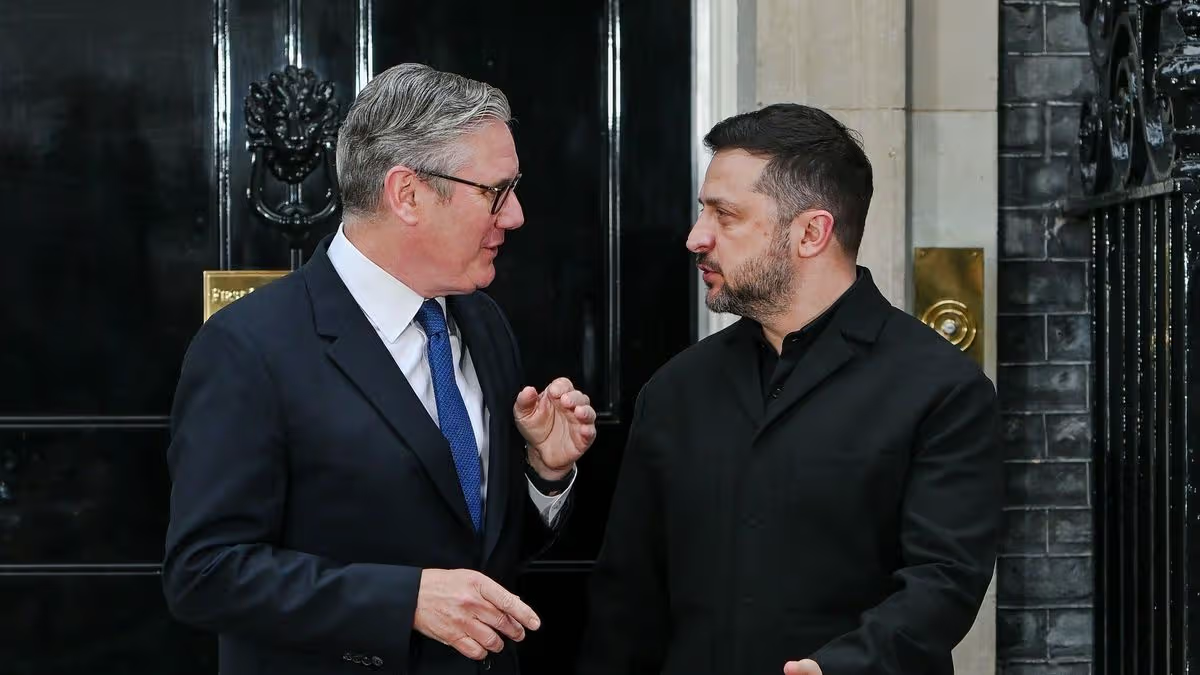
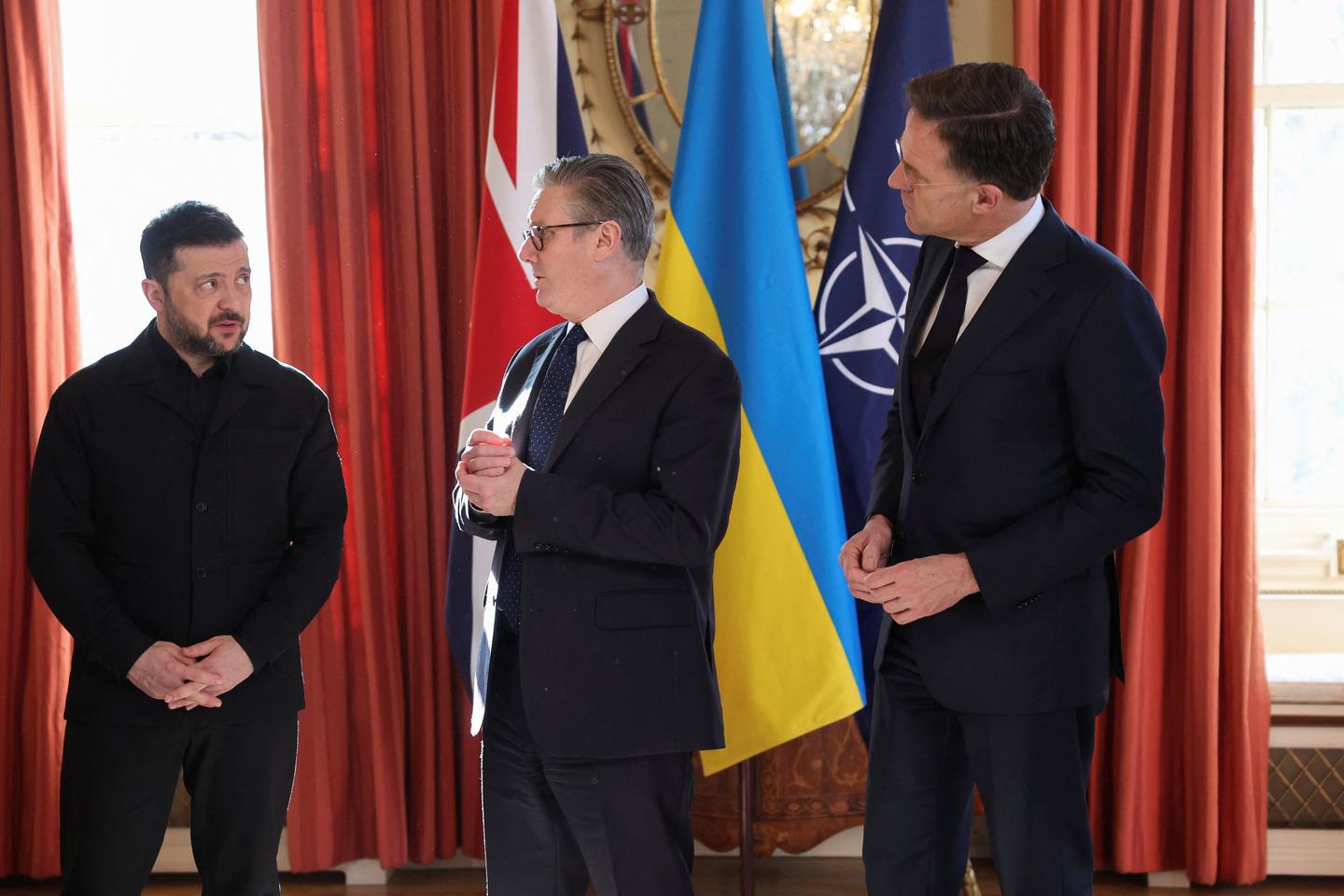
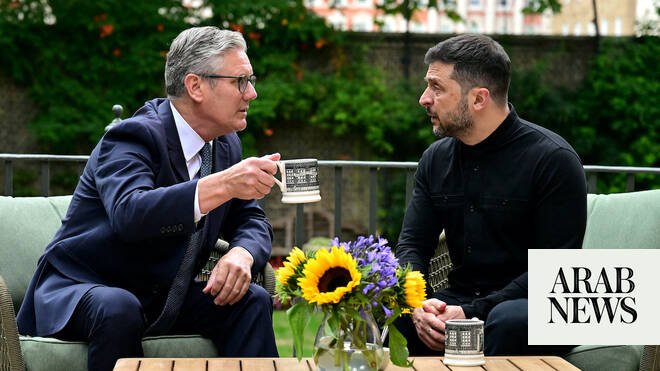
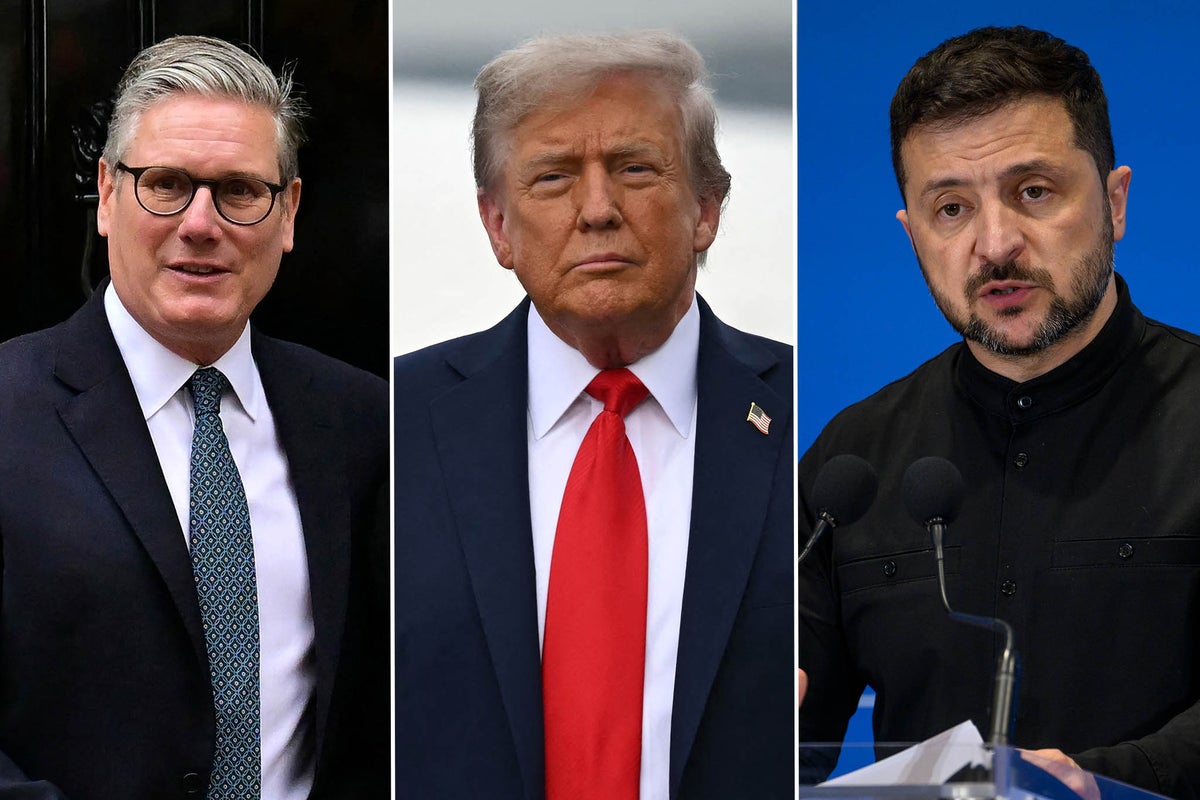
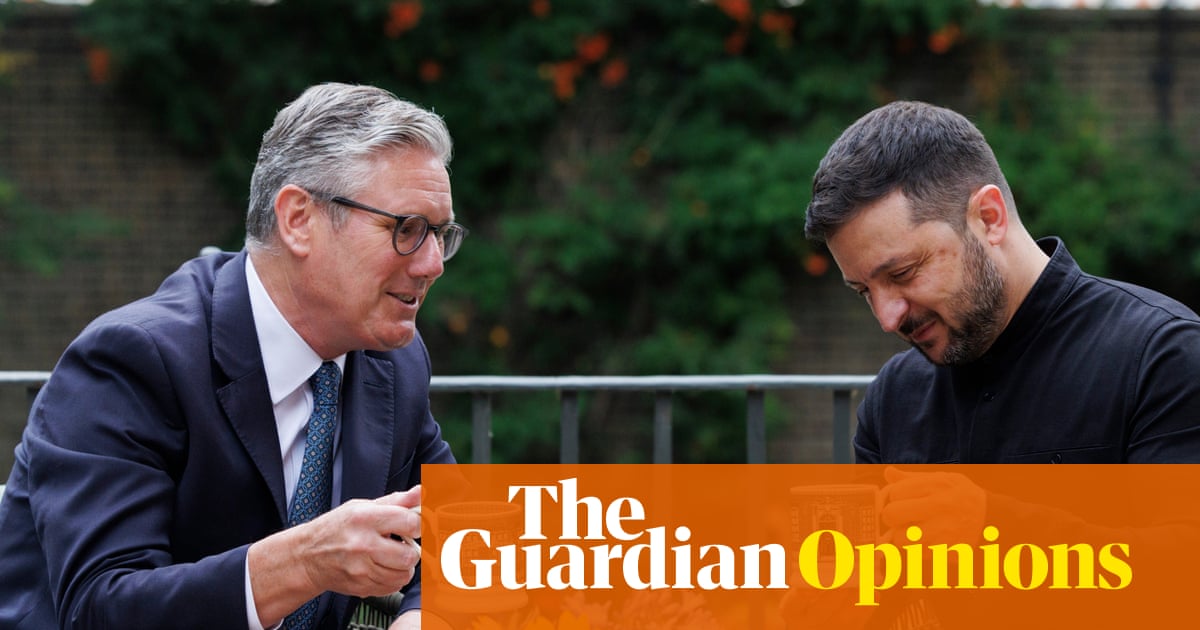
he aim of Thursday’s Downing Street meeting between Sir Keir Starmer and Volodymyr Zelenskyy could not have been clearer. It was to send a strong visual political message to President Trump on the eve of his Alaska talks with Vladimir Putin. Neither the prime minister nor Ukraine’s president spoke publicly. The Ukraine leader was greeted with a hug and a handshake. The two men then talked in private by a vase of sunflowers, Ukraine’s national flower.
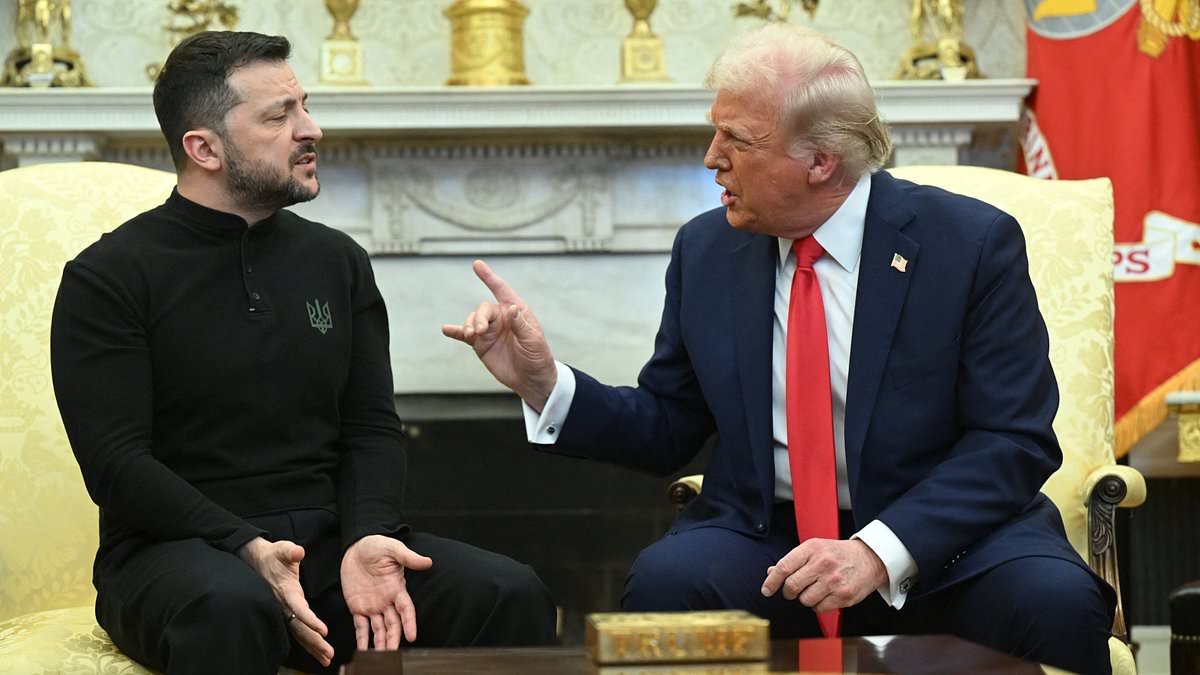
So much is at stake in Ukraine and so great is the urgency that European leaders have moved fast and determinedly this week – not something one can often say. The aim is to remind Mr Trump that Europe stands with Ukraine against Russia. The solidarity has been well choreographed – and tightly scripted. No leader has said anything that might provoke Mr Trump. Whether the US president will take any notice, let alone serious notice, is something else. That will only become clear in and after Alaska.
Whatever the outcome, this is a pivotal moment not just for Europe but for Sir Keir’s foreign policy approach – and his domestic policies too. In the year and more since he became prime minister, Sir Keir has been faced with huge global challenges in Ukraine, the Middle East, and in relations with the United States. These have occupied an enormous amount of his focus. They have been issues which play to his strengths. But, judging by the opinion polls, it has not impressed the public.