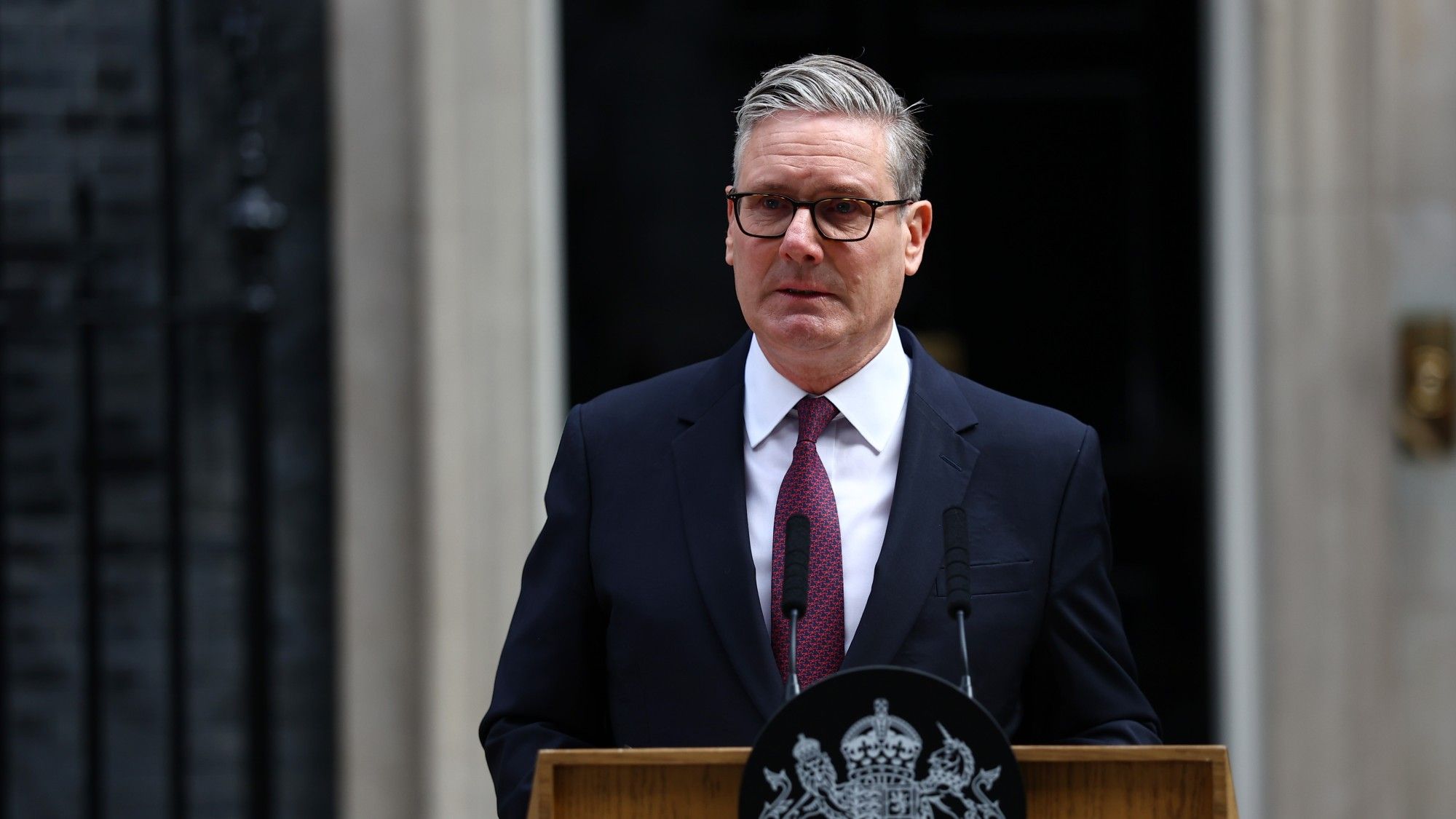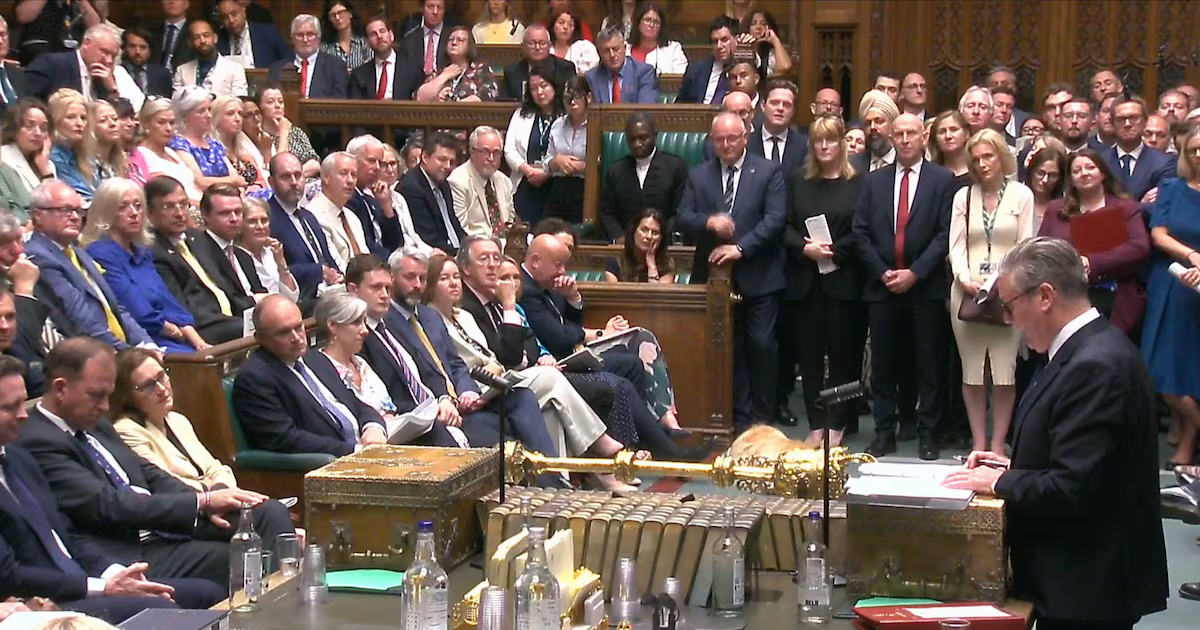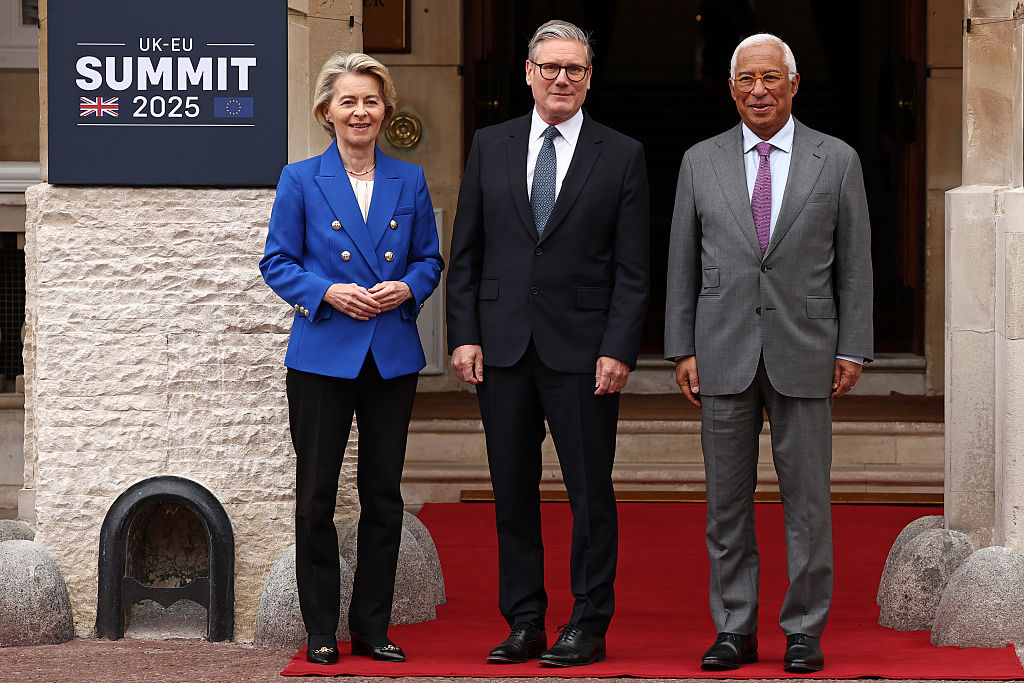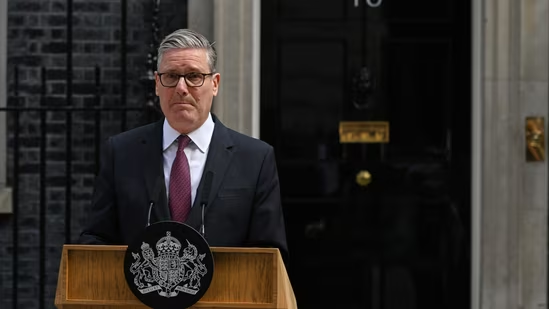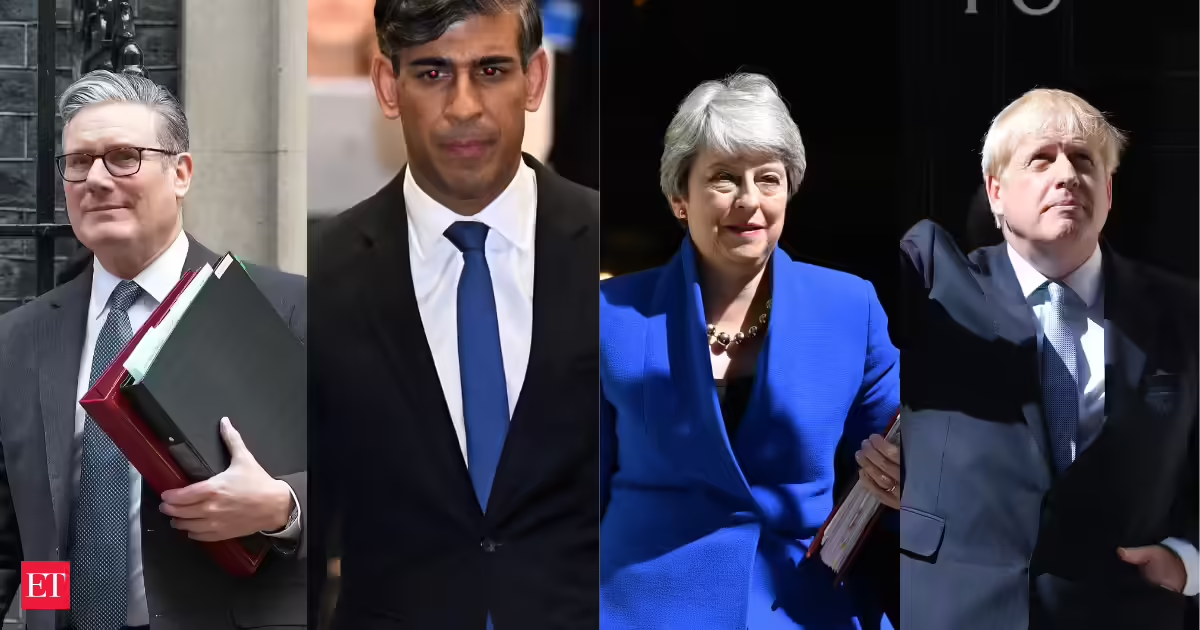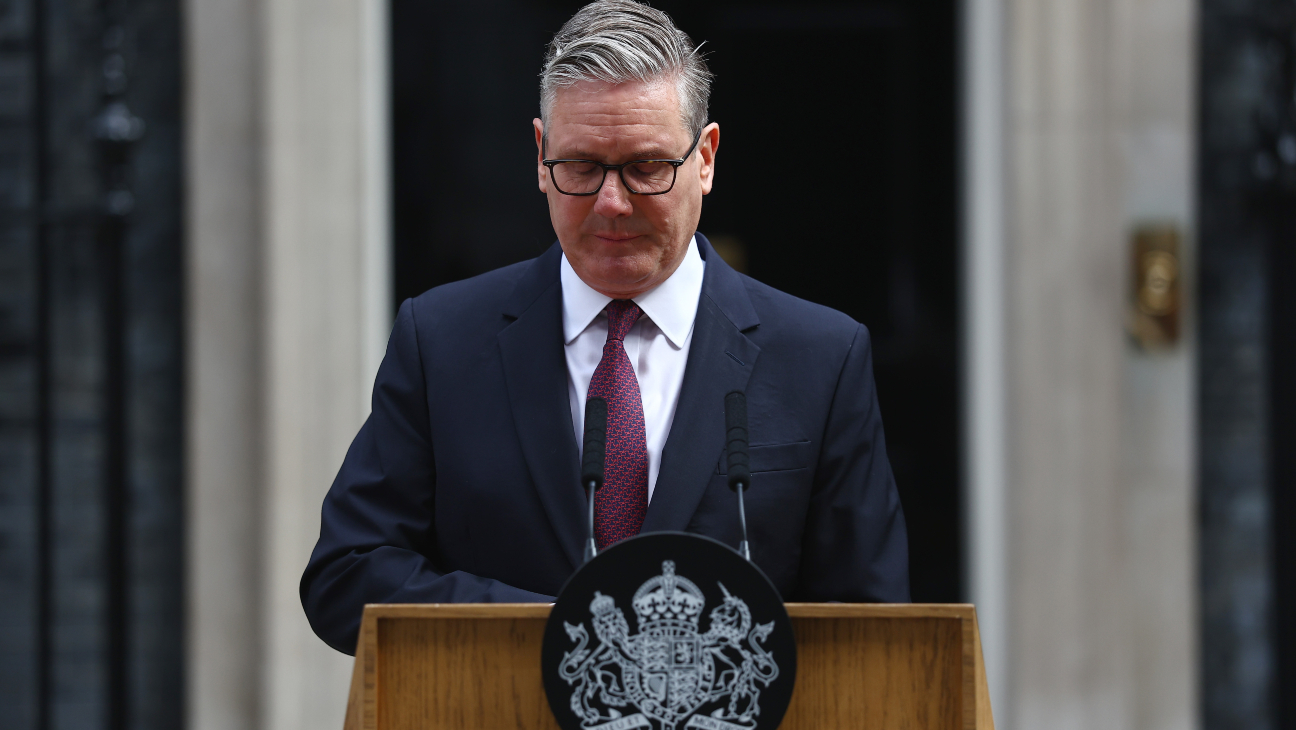
There have been six UK prime ministers since the Brexit referendum, ten years ago on Tuesday. Soon there will seven, with Keir Starmer announcing that he will depart. Brexit is not solely to blame for the revolving door in 10 Downing Street, but the fall-out from that knife edge vote has been a central force in the unsettled and divisive politics that followed.And now it has claimed another victim. Starmer singularly failed to build on his sweeping general election victory of two years ago. The toxic economic fall-out from Brexit has been central to this, slowing growth and leaving less room for manoeuvre in the public finances. Misjudgments on welfare reform, defence spending and taxation were framed by these pressures. Other mistakes, such as the appointment of Peter Mandelson as UK ambassador to the US, were not.Starmer’s successor, most likely Andy Burnham, will face the same central issue of the UK’s relationship with the EU and its impact on the economy and politics. By any objective assessment, Brexit has been a failure almost on every level. Britain is poorer and it has lost its footing in international relations. Yet, ironically, Nigel Farage, one of the chief proponents of Brexit, is the bookies’ favourite to be the next prime minister after the next general election. Deep structural problems that existed at the time of the referendum persist – stagnant productivity and wage growth as well as chronically low levels of investment Brexit has amplified rather than addressed these problems. Migration, both illegal and controlled, has risen over the past decade – providing fertile ground for Reform – though there has been some recent reduction. The economy remains mired in a weak productivity and investment loop. The Labour government has struggled in the face of Reform’s rise partly due to a deeply muddled approach to Europe. Starmer has pledged much closer ties to the EU, but has ruled out rejoining the customs union and single market. Britain’s relationship with the EU – central to successive political crises going back 40 years or more – is still far from settled. The inability of Theresa May to “get Brexit done”, the failure of Boris Johnson’s strategy to forge a new place for Britain internationally, the short-lived tenure of Liz Truss and the electoral loss of Rishi Sunak, due in large part to a failing economy, were all framed by the long shadow of Brexit.How Starmer’s successor deals with Britain’s relationship with the EU will be a central challenge. But if the Labour government fails to reboot the UK economy, then it will hand Farage the keys to Downing Street. Ten years on from the referendum, Brexit remains the animating force in UK politics. The challenge for the next prime minister is to prove that it hasn’t also made the UK ungovernable.
The Irish Times view on the resignation of Keir Starmer: another victim of the post-Brexit era
How Starmer’s successor deals with Britain’s relationship with the EU will be a central challenge
467 words~2 min read