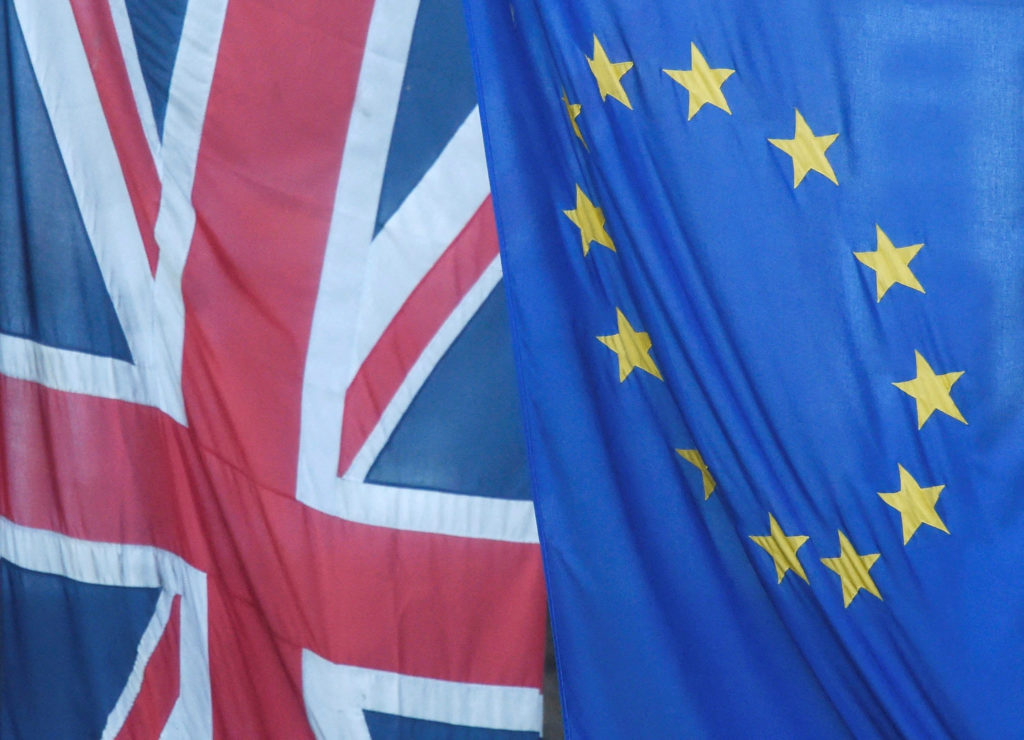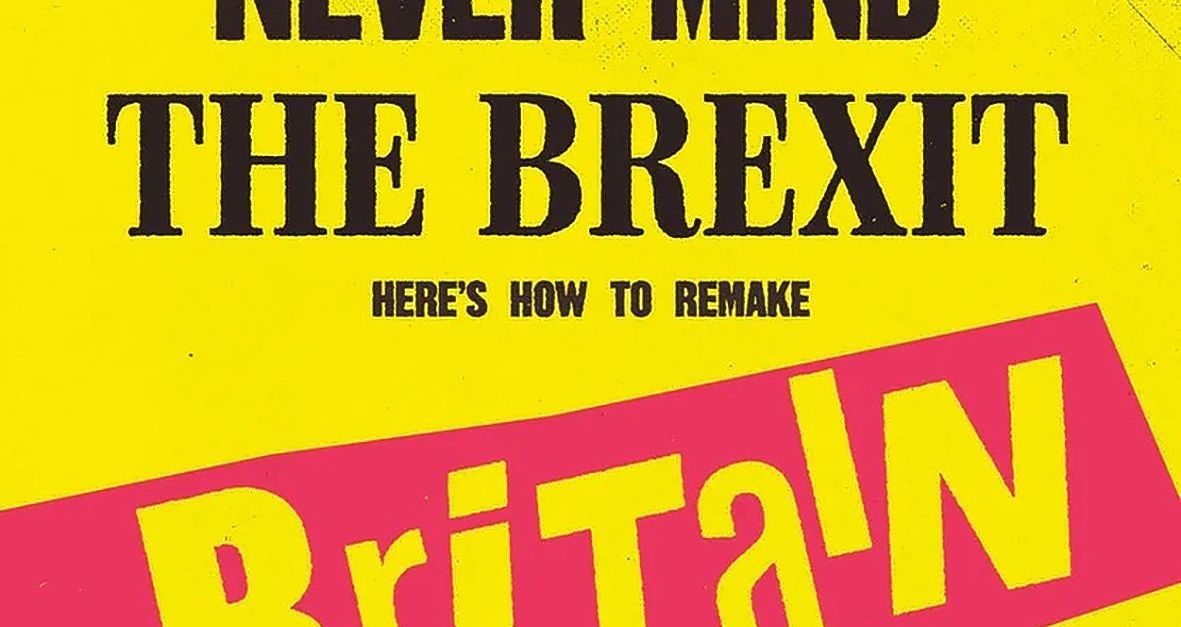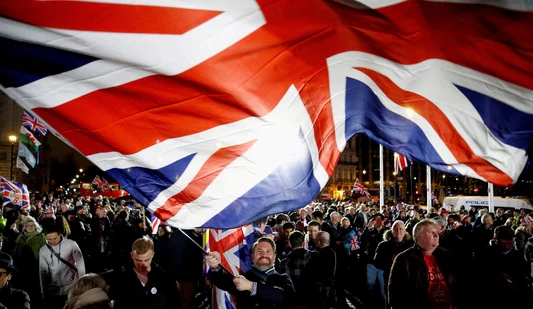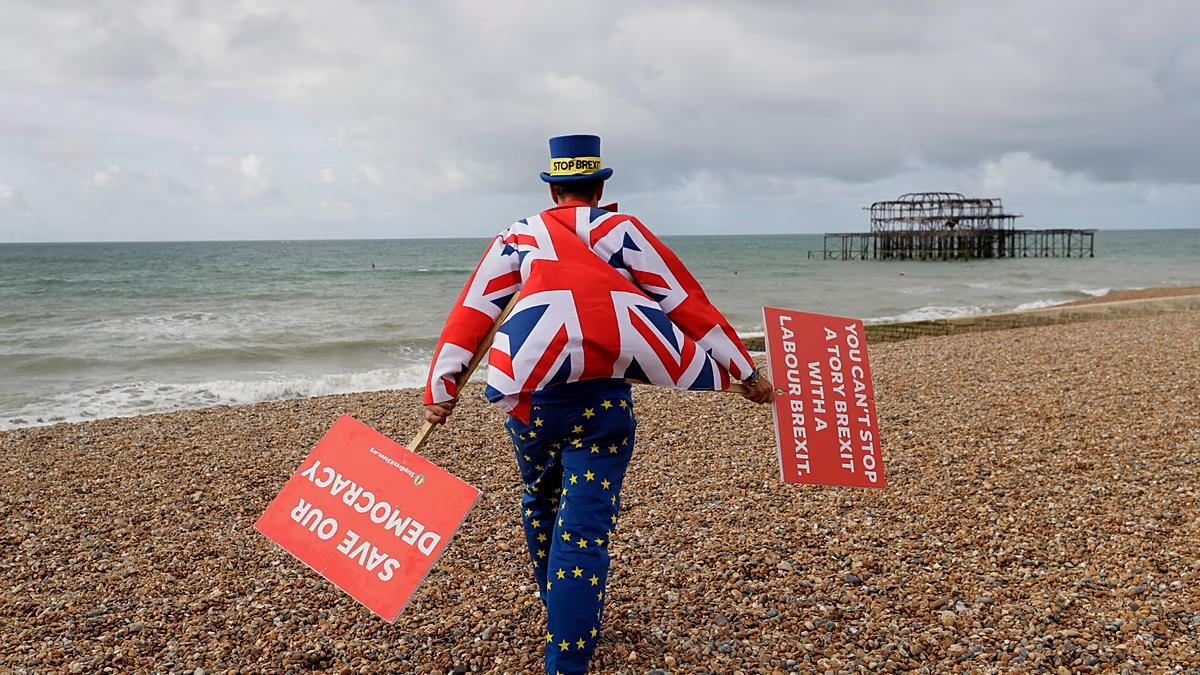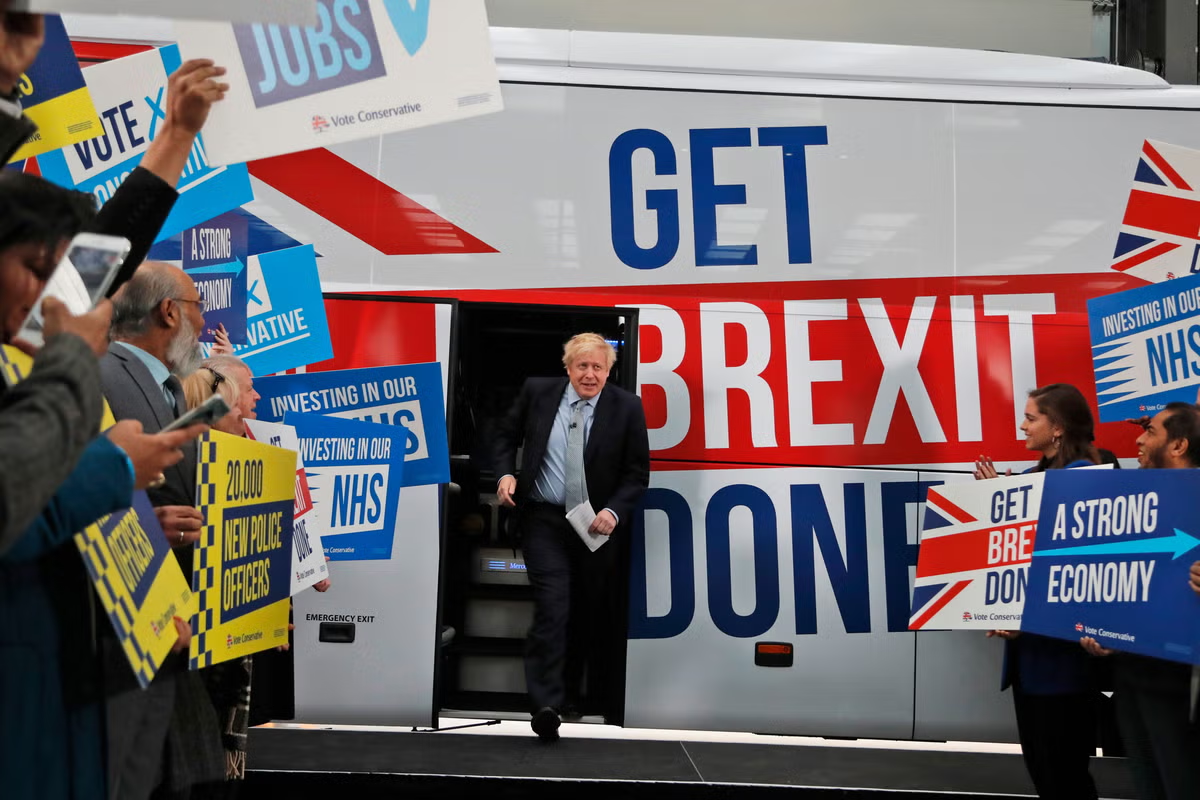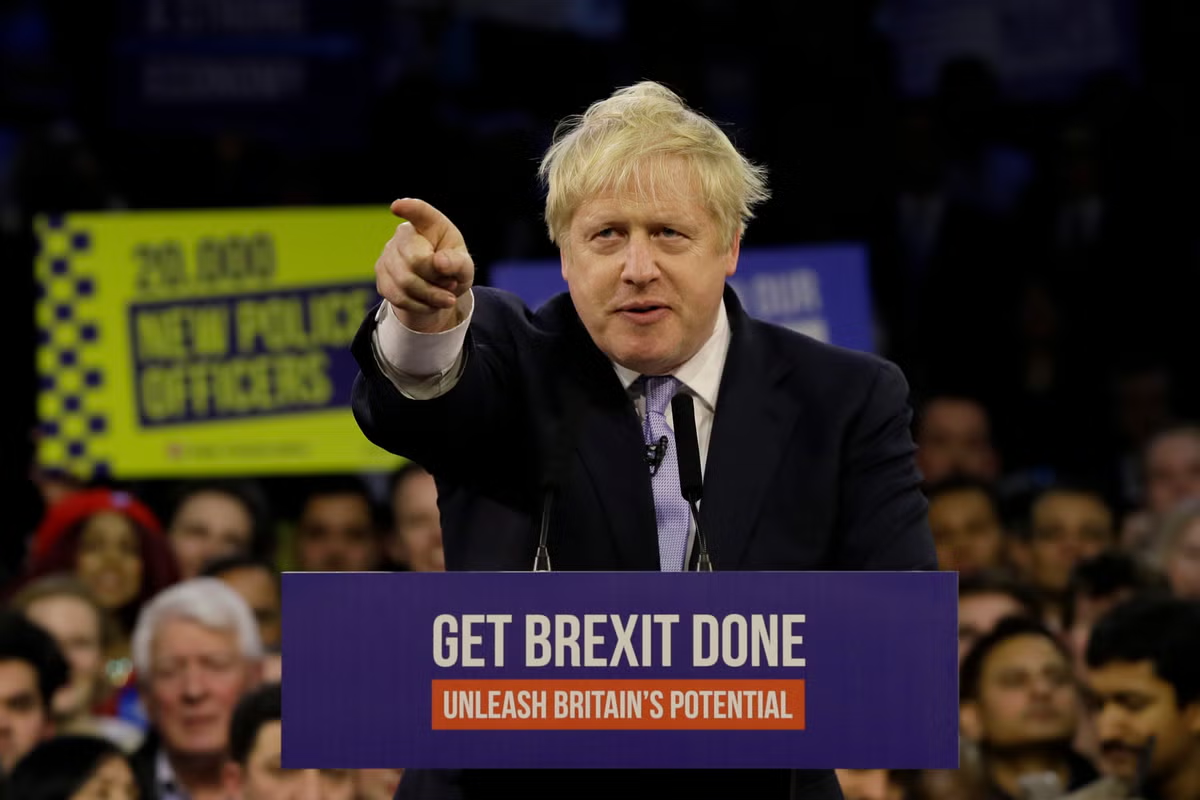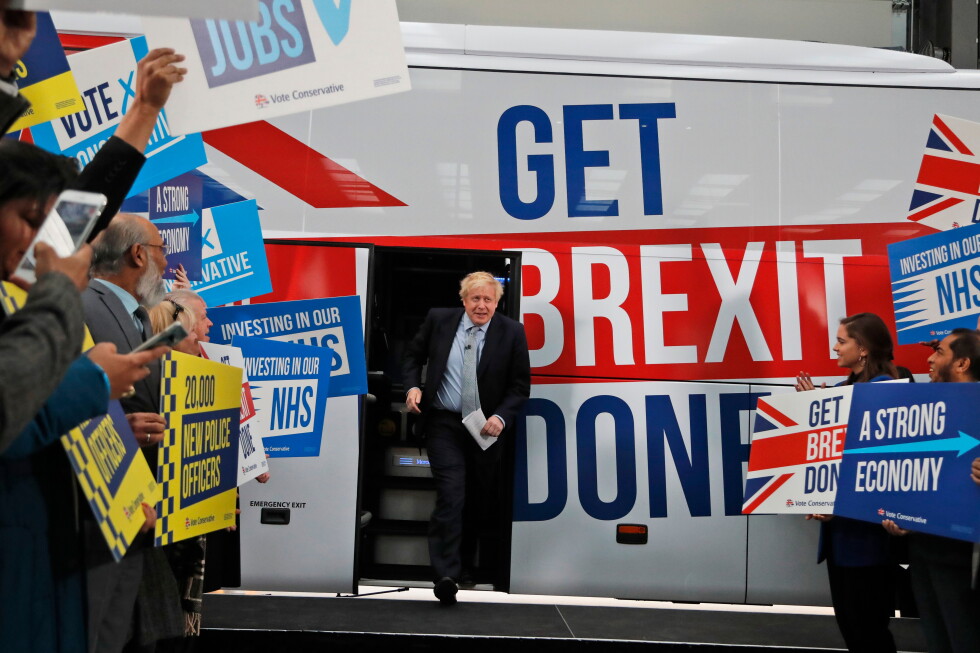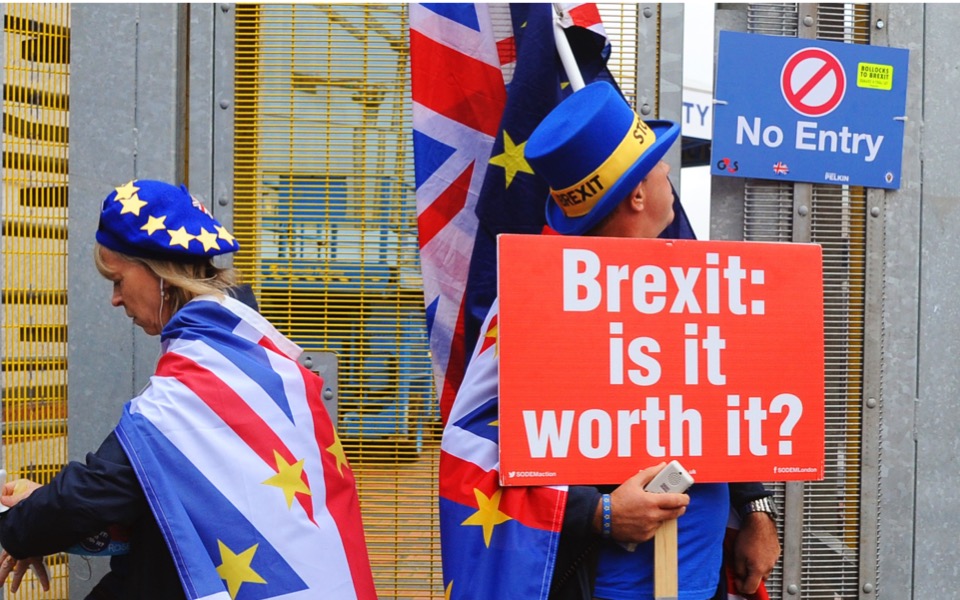
Ten years ago Monday, the British voted to break away from the European Union, taking a leap into the unknown. For Brexit’s propagandists, this meant the country would “take back control”; it would save untold billions from the jaws of the Brussels monster, which would then be invested at home; it would develop rapidly, without obstacles, with the Commonwealth countries (former subjects of the British Empire) racing to make beneficial deals with Britain. This scenario did not pan out. Britain lost a significant portion of its GDP (some 8%) and grew more slowly than former partners in the EU (despite the common plagues of the pandemic, the Russian invasion of Ukraine, wars in the Middle East and the Trump presidency).
It entered an era of such political instability that it is preparing to welcome its seventh prime minister in 10 years. Perhaps this last development was not outside the planning of Brexit’s backers, as Nigel Farage and those who fund him would have hoped that the misery caused by the breakup with the EU would open the way for the nationalist right. Confirming that, Farage’s Reform UK leads in the polls.
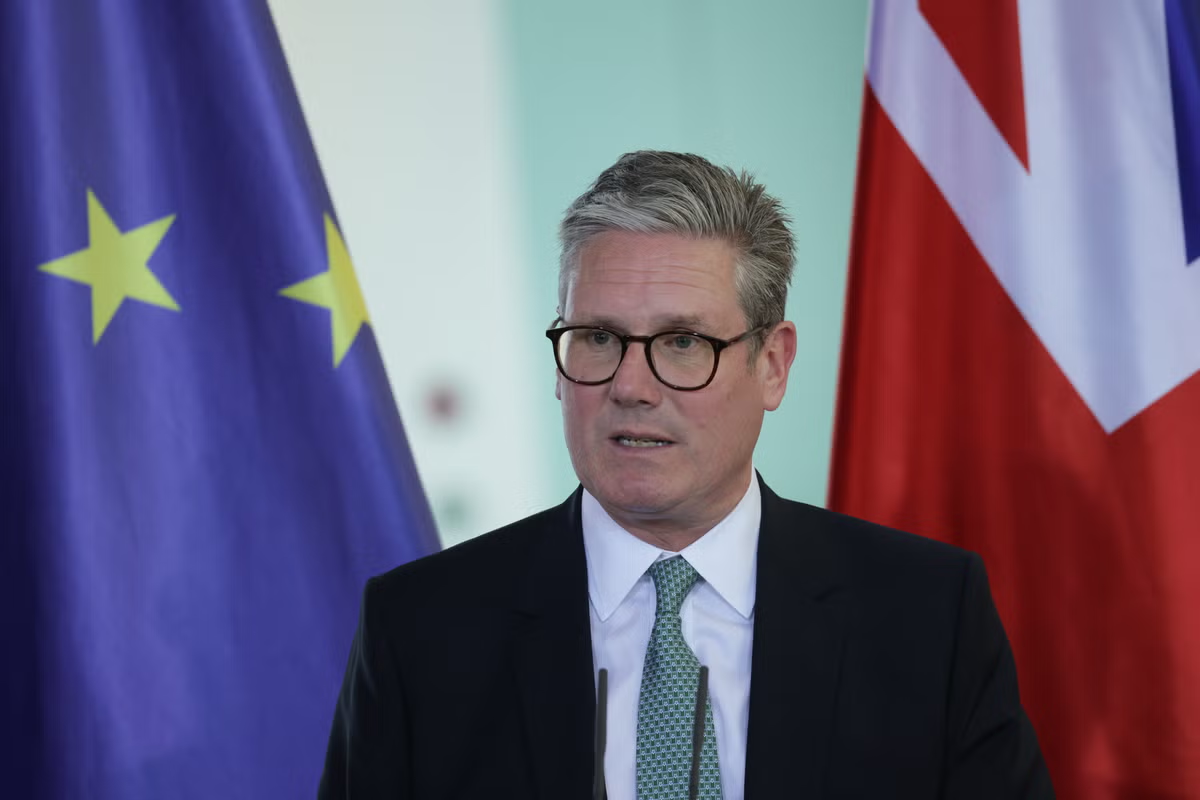
The main reason that the Labour Party’s MPs wanted to replace Keir Starmer with Andy Burnham is that the Greater Manchester mayor seems capable of uniting enough political groups to stop Farage. He managed this in the by-election in which he won his seat in Parliament, in a constituency where Reform triumphed in recent local elections. Burnham may be advancing toward Downing Street with the air of a victor, yet the whole story underlines the political system’s desperation.