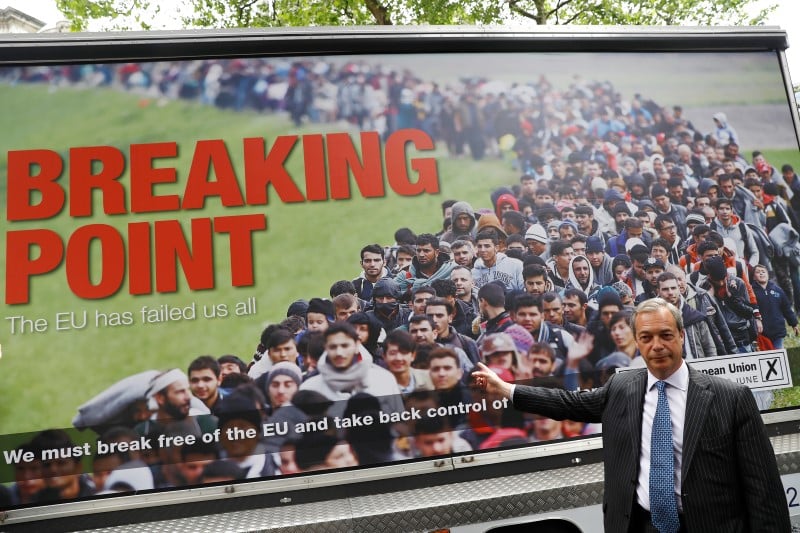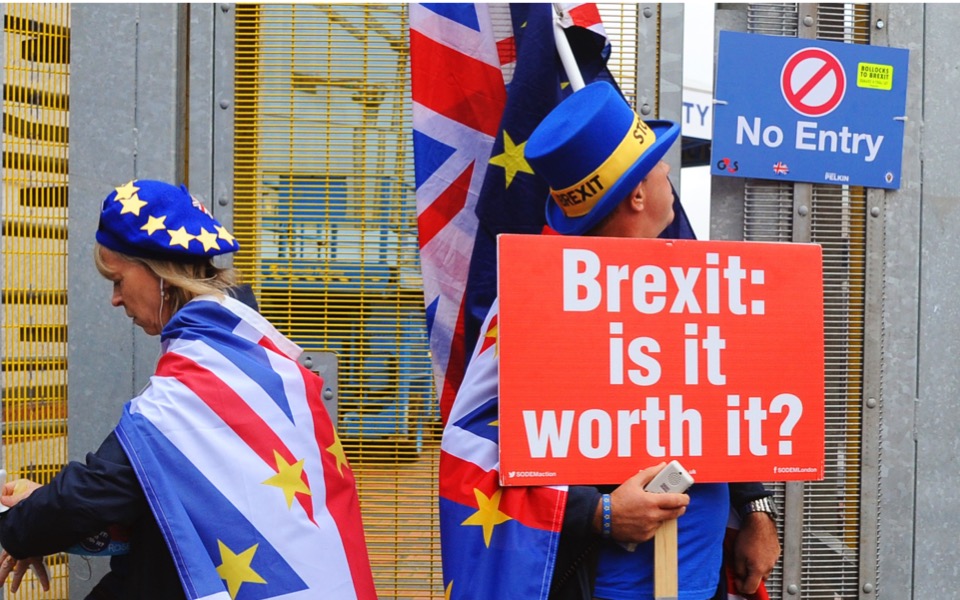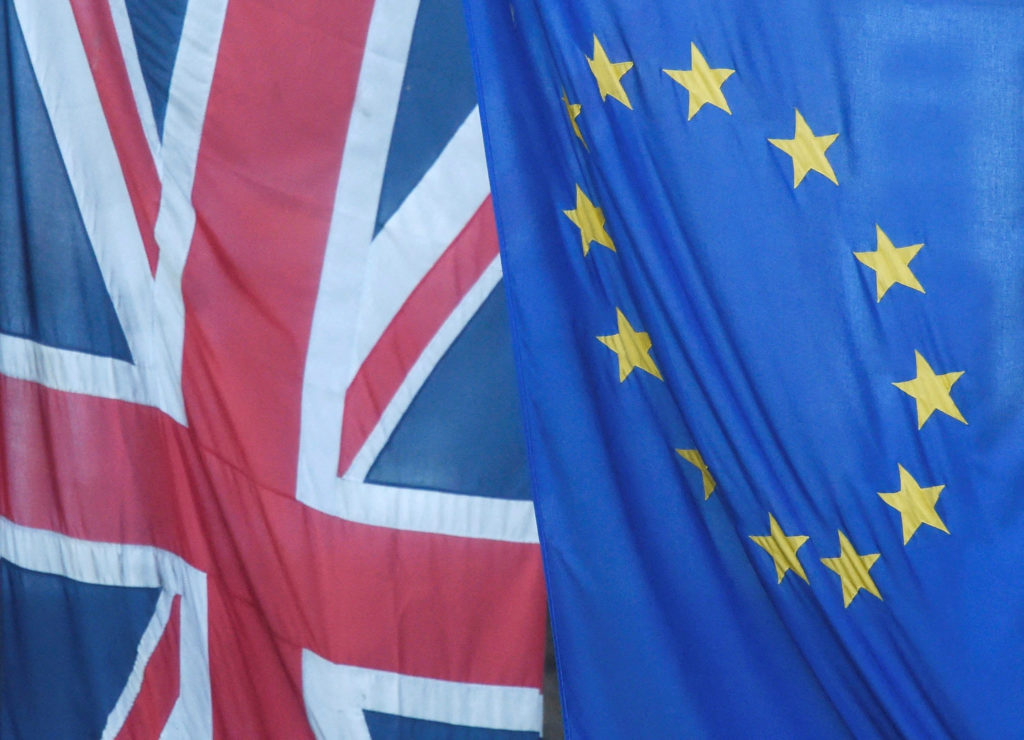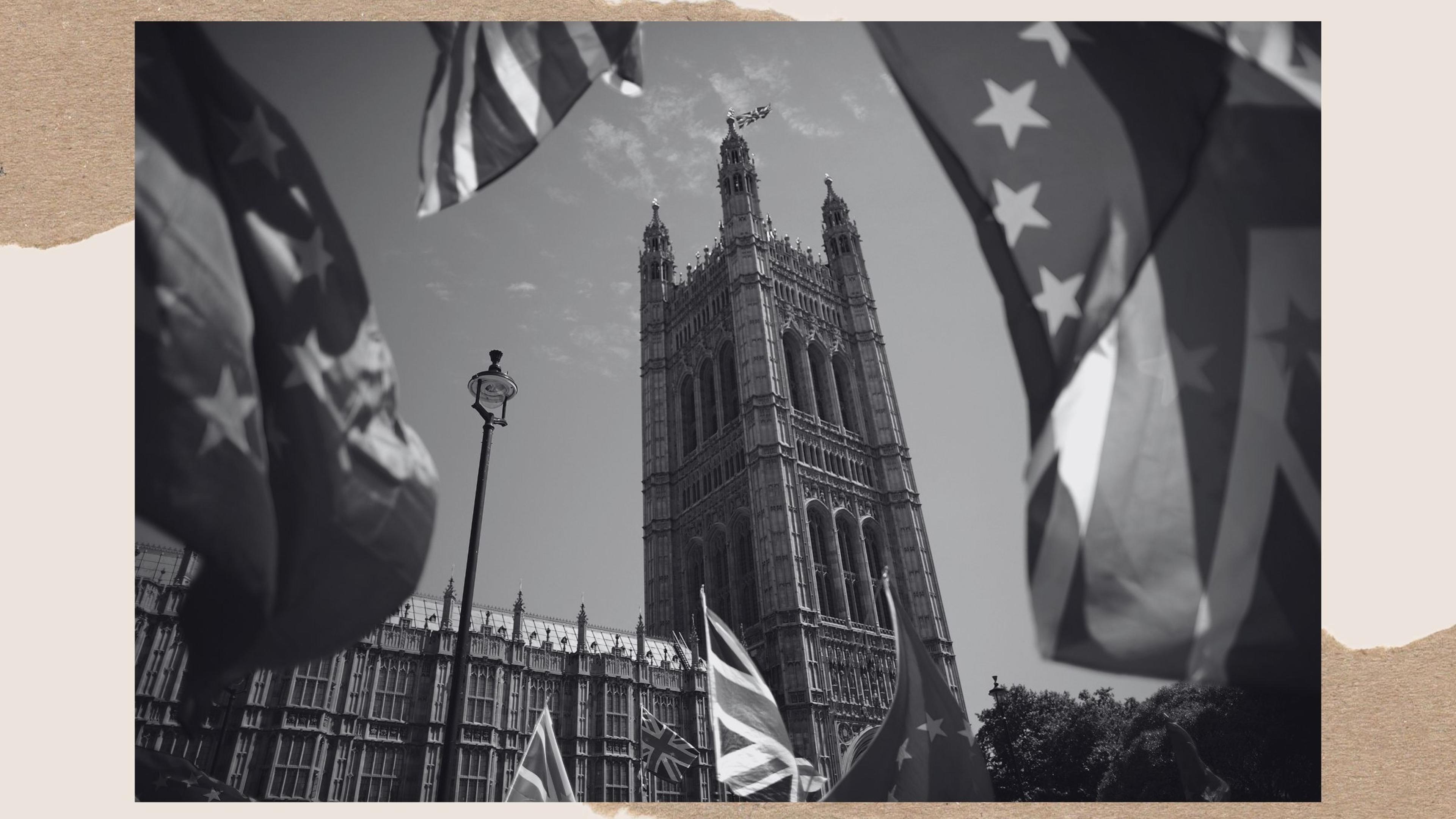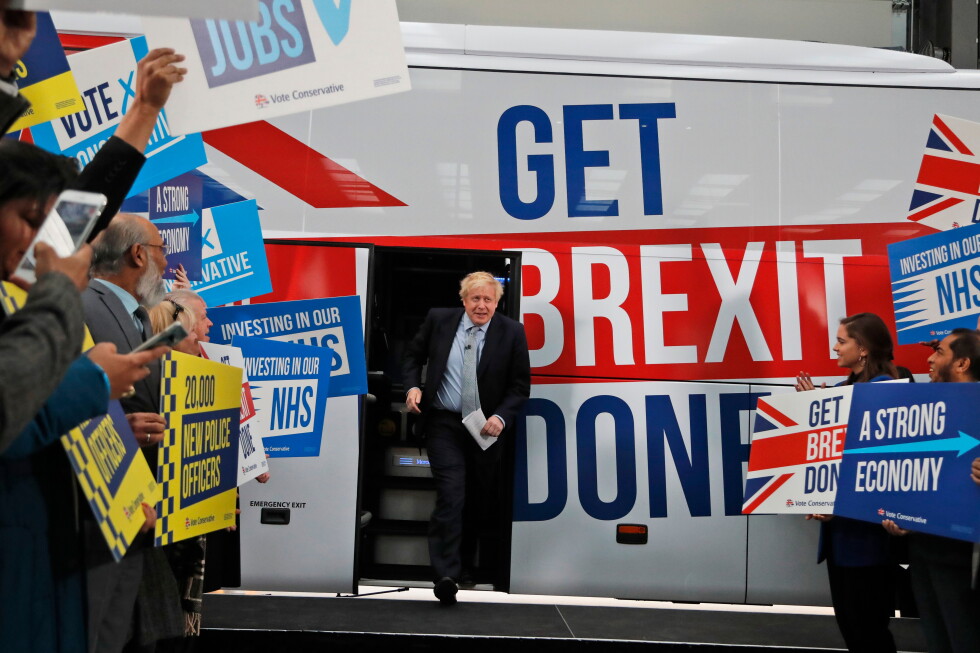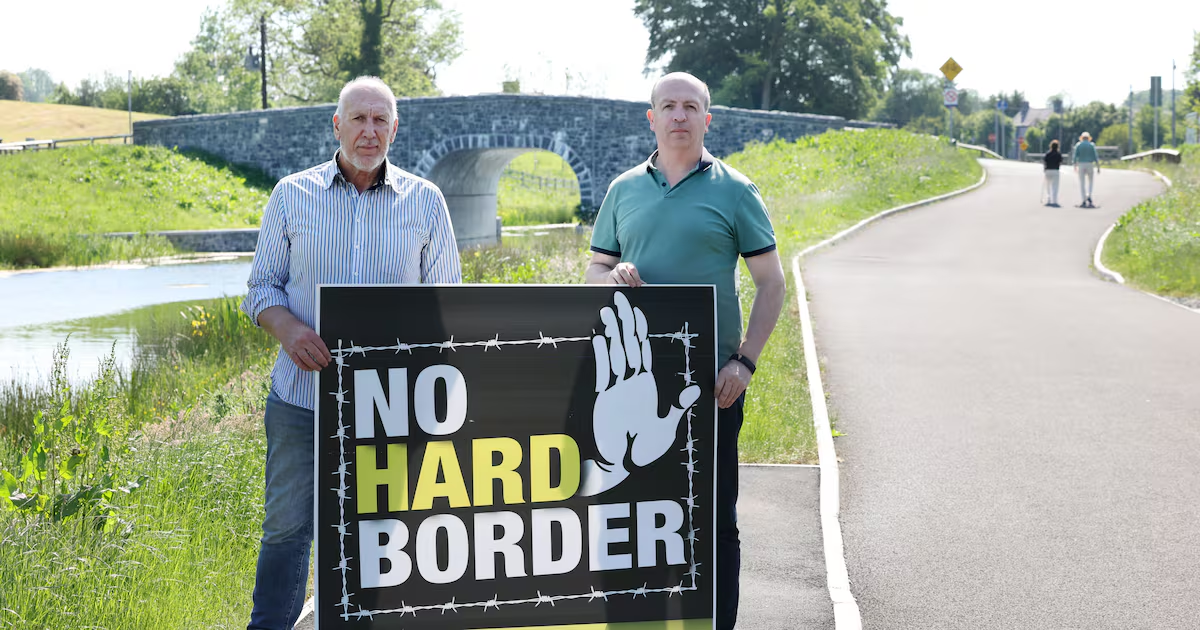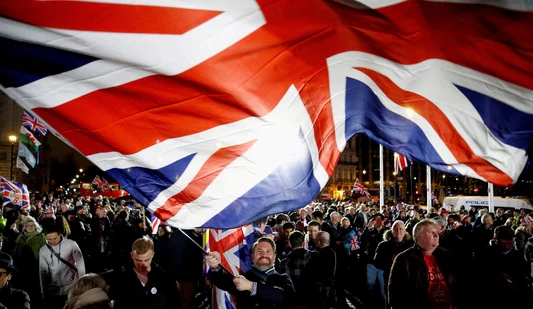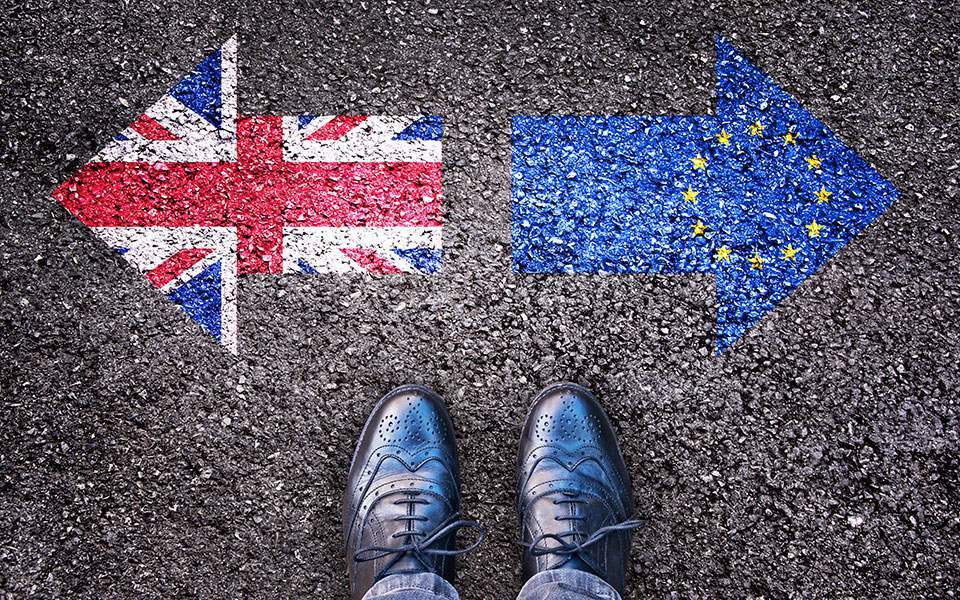
This week is the 10th anniversary of the referendum in Britain that voted to leave the European Union. As Hillary Clinton predicted, Brexit has been “one of the greatest and most unnecessary self-inflicted wounds in modern history.” The referendum victory occurred in a different world: of Barack Obama and a robust Atlantic Alliance. Now, with Putin’s invasion of Ukraine and Trump’s demolition of the old-world order, the geopolitics have changed beyond recognition. Fragmentation in Europe looks much riskier than standing together.
Yet, the causes of Brexit were more domestic than geopolitical. And the populism of Brexit continues to entrap British society in ways that make the prospect of Brexit being reversed any time soon, low. This continues to have implications for Europe.
A year before the Brexit referendum, Greece had its own populist spasm. Alexis Tsipras and Yannis Varoufakis convinced people that the country could force the EU to change course and make major concessions. “Believe me, they will back down” was a forerunner to the Brexit mantra of “Take back control.” Both proved delusional.
Greece had been hit by the euro-crisis, Britain had been especially badly hit by the 2008 financial crisis. But while the SYRIZA government steered Greece away from Grexit and was the first to complete a bailout agreement, Britain made a reality of Brexit. Kyriakos Mitsotakis could reasonably claim to have completed the shift away from populism and restored growth. By contrast, today, in Britain, amidst a sluggish economy, its populist “culture war” continues.