systems
Floating or sub-surface bit barns are all the rage, but unlikely to compete with multi-gigawatt sites
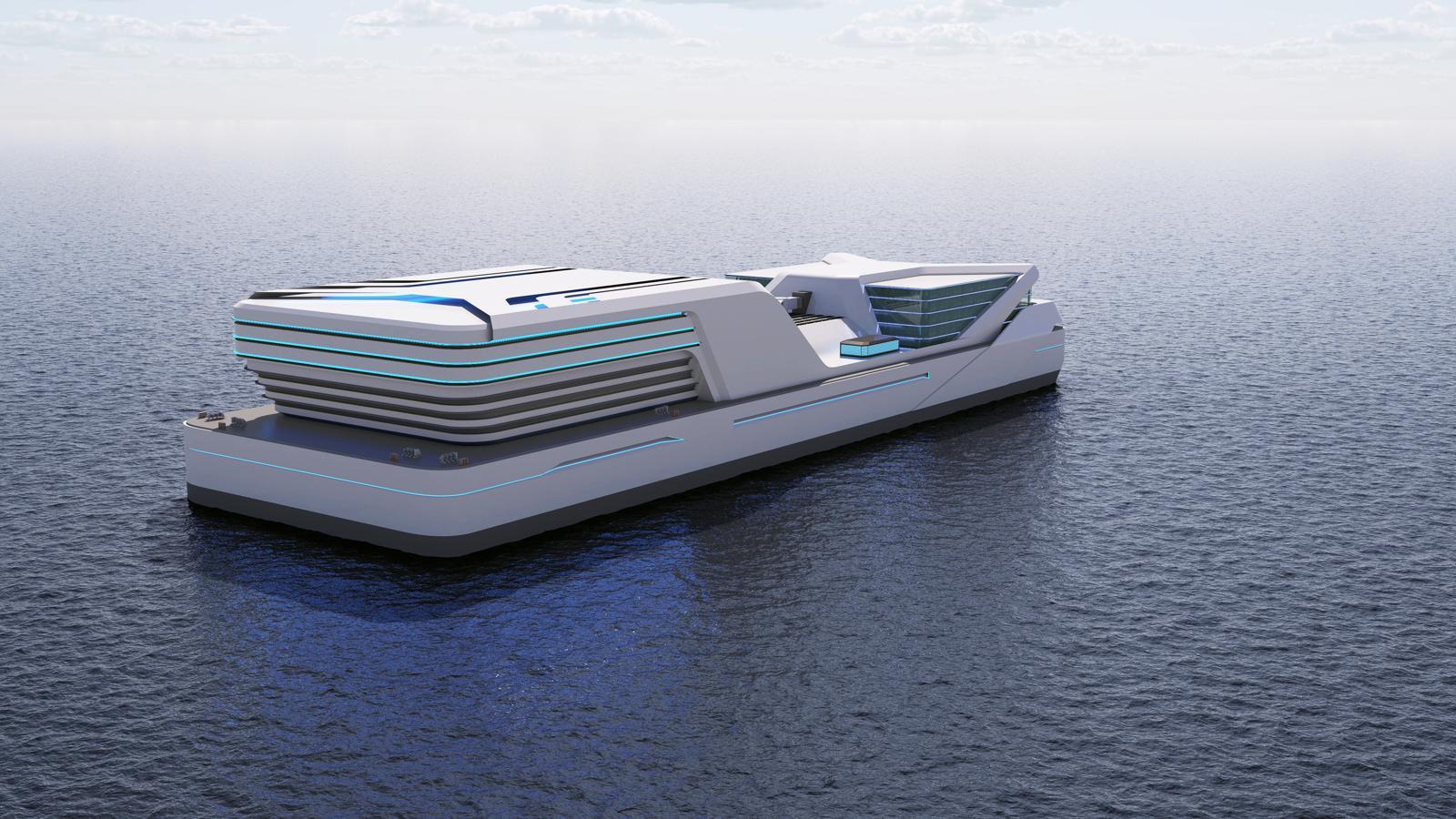
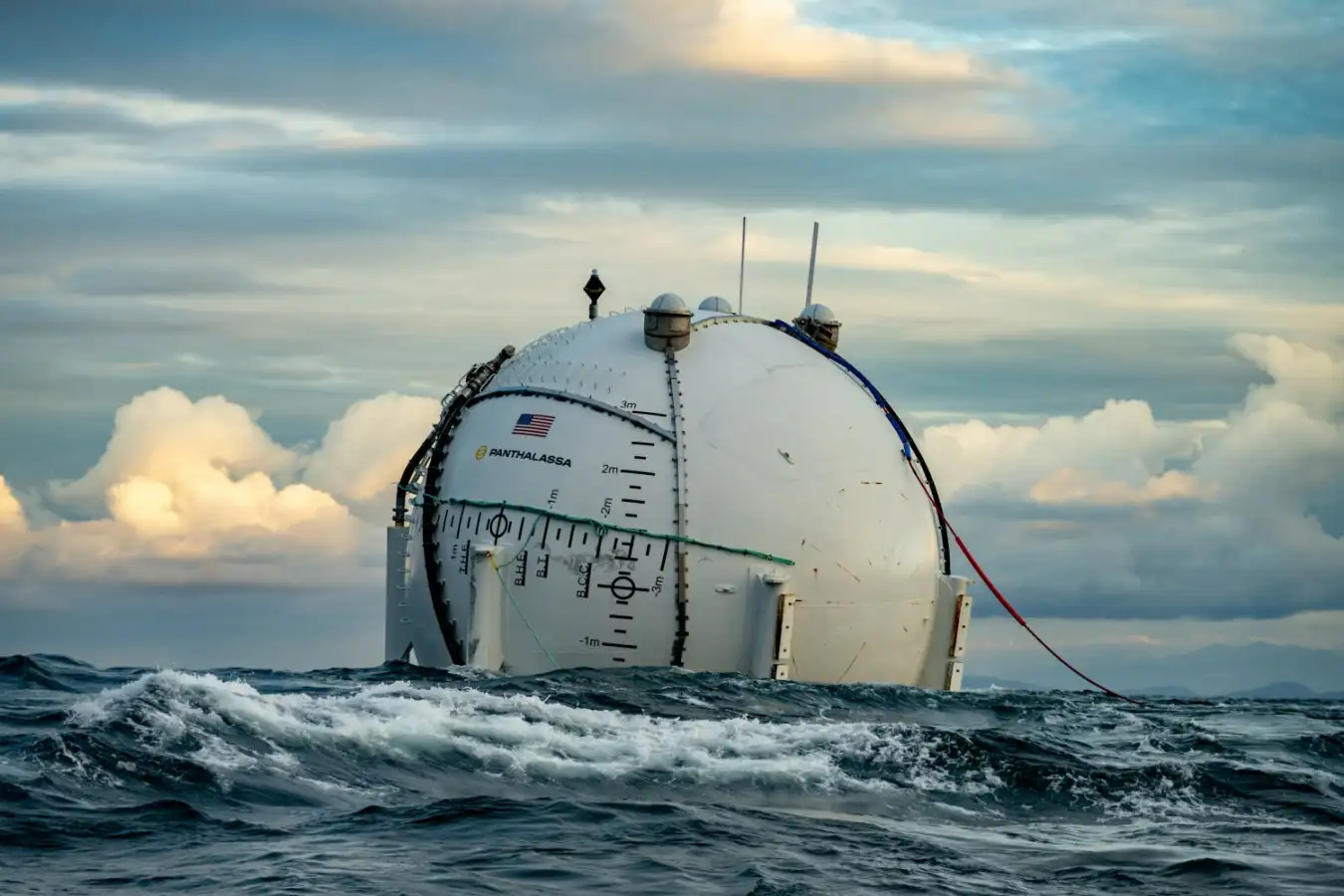
Siting datacenters either on the water or underwater is an idea that just won't sink, and there is increasing interest in it, despite the obvious fact that water and IT equipment are a potentially disastrous combination.The attraction of having a data facility in or on the water is that it offers virtually limitless natural cooling, which is an increasingly vital consideration for operators deploying hot-running systems filled with GPUs for AI processing.But set against that are potential issues with access for maintenance, in the case of underwater facilities, and gaining access to enough power to keep all that IT infrastructure chugging along.
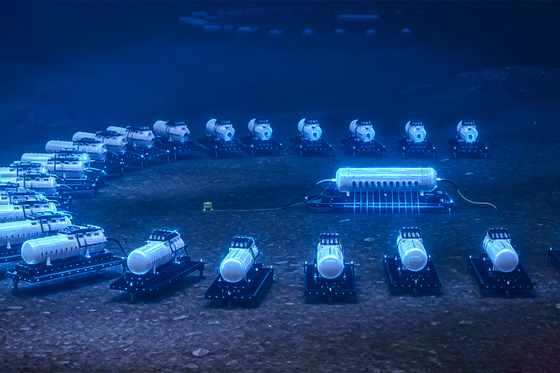
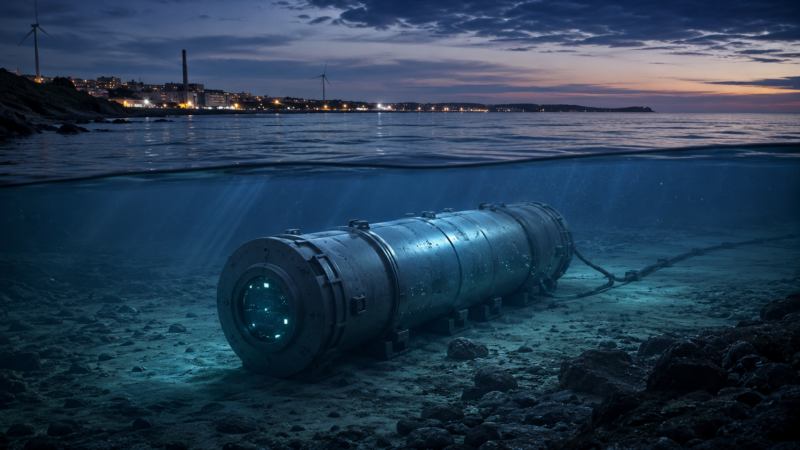
The most recent announcement is that an underwater facility off the coast of China has now commenced operations, powered by a nearby offshore wind farm.
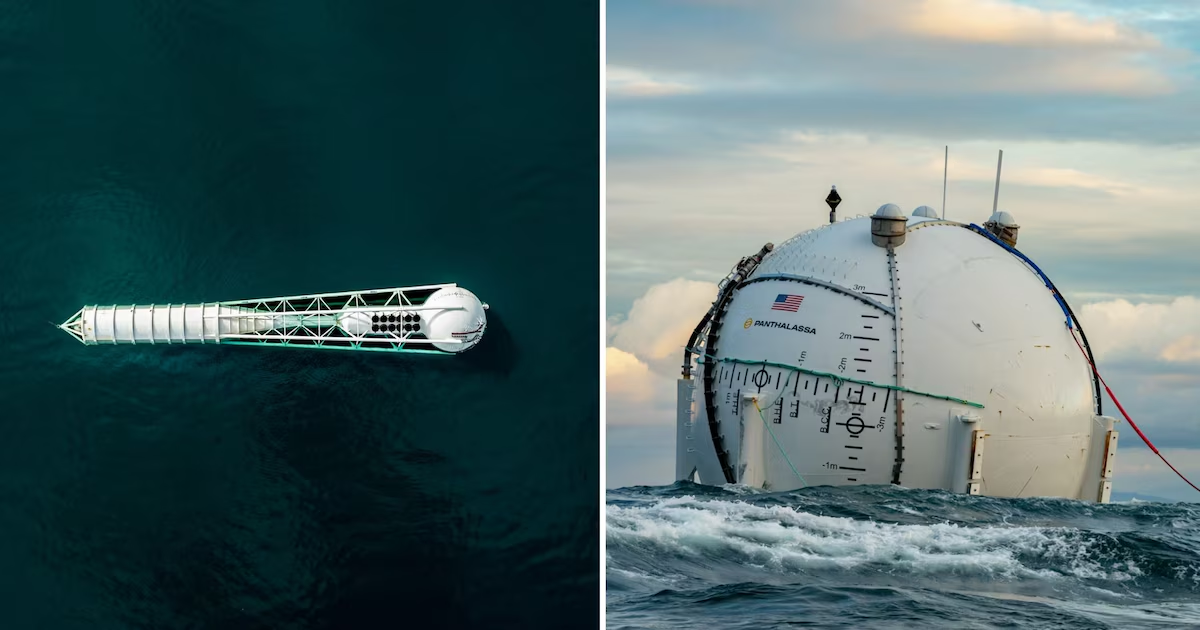
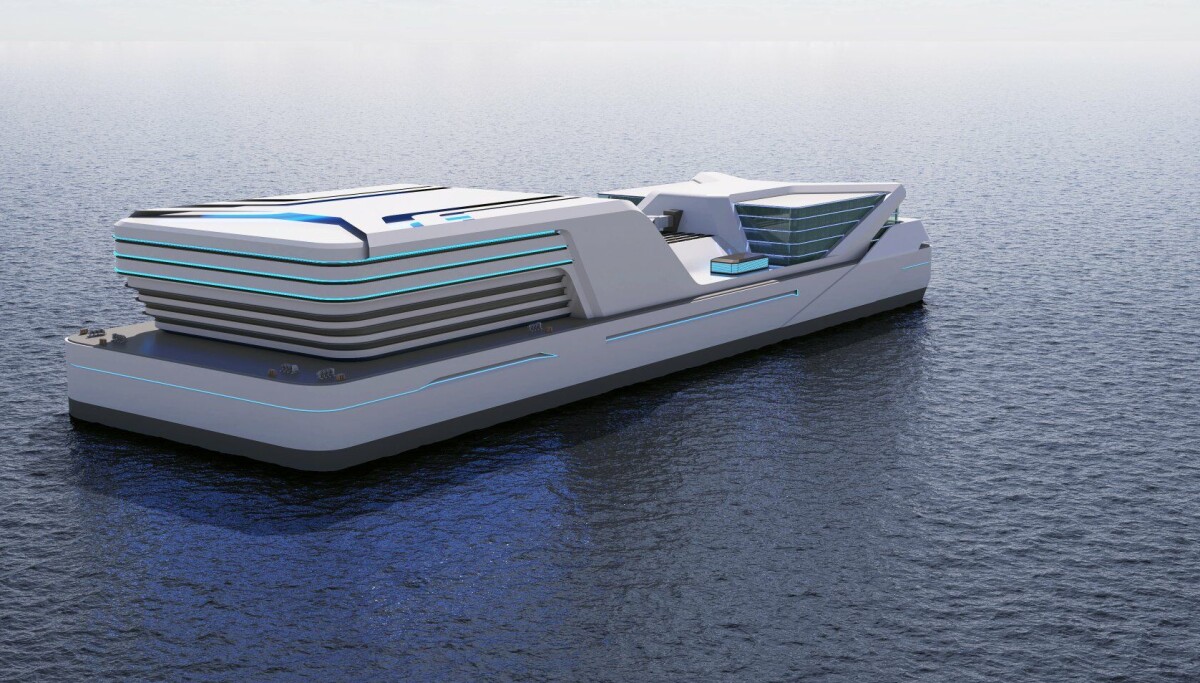
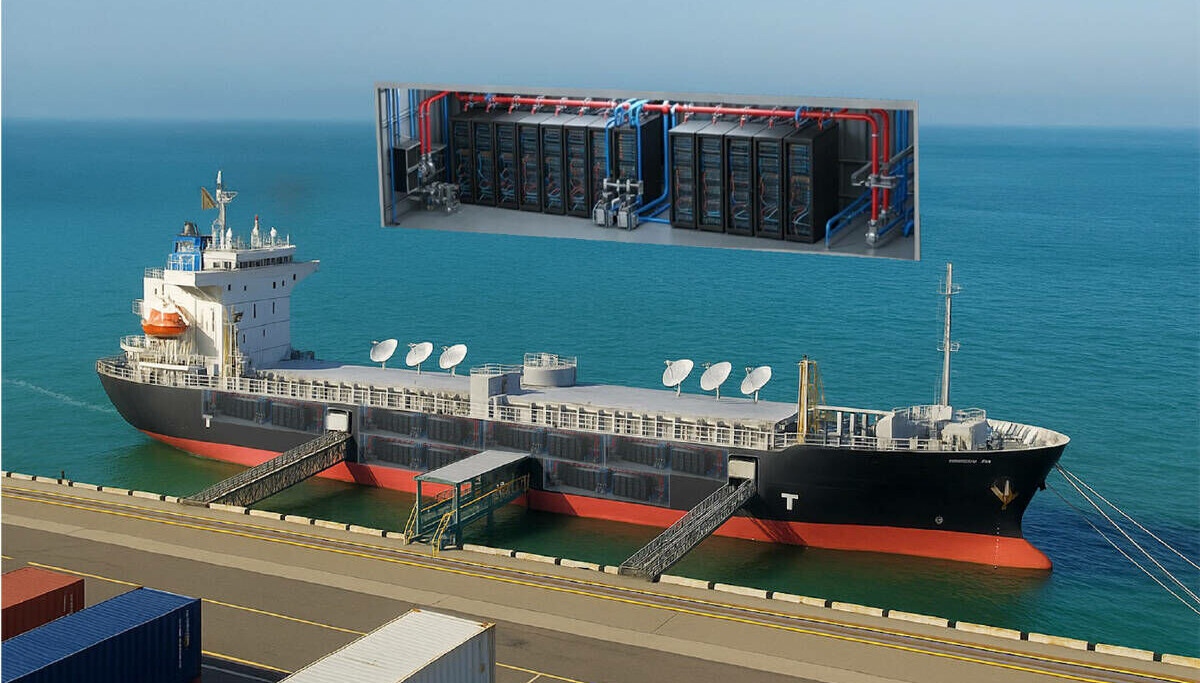
First disclosed last October, this project by Beijing-based Highlander Digital Technology has a capacity of 24 megawatts, about half the average size of a US datacenter, but is designed to run on more than 95 percent green electricity.It is expected to serve clients such as China Telecom and a state-owned AI computing company, and is said to be part of a push by the Chinese government for operators to lower their carbon footprint.But long before China got in on the act, there was Microsoft and its Project Natick. This involved a prototype lowered into the water off the coast of California in August 2015 to test out the concept, before Phase II of the trial saw a larger unit tested out near Scotland in 2018.When this latter unit, fitted with 12 racks containing 864 servers, was hauled up from the seabed in 2020, Microsoft reported that the systems in it had experienced a failure rate one-eighth that of a land-based control cluster.Yet despite declaring the experiment a success, Microsoft chose not to proceed any further with submerged server farms, and the company never fully explained why. It seems likely that the issues around accessing the IT kit for maintenance or upgrades, not to mention supplying power to an underwater enclosure, all add up to make land-based facilities just more convenient.Despite this, some companies, such as Subsea Cloud, have persevered with the idea.However, another approach that seems to be gaining more traction is the floating datacenter, typically on a barge tethered close to shore or even on board a ship.Google toyed with the concept back in 2013 after patenting a design for a floating facility back in 2008, but changed its mind, reportedly after finding the time and cost of meeting federal maritime safety regulations too burdensome.