Underwater data centers are technically real, but cooling advantage alone does not erase maintenance, grid, cable, permitting, and scale constraints.
Support CleanTechnica's work through a Substack subscription or on Stripe.
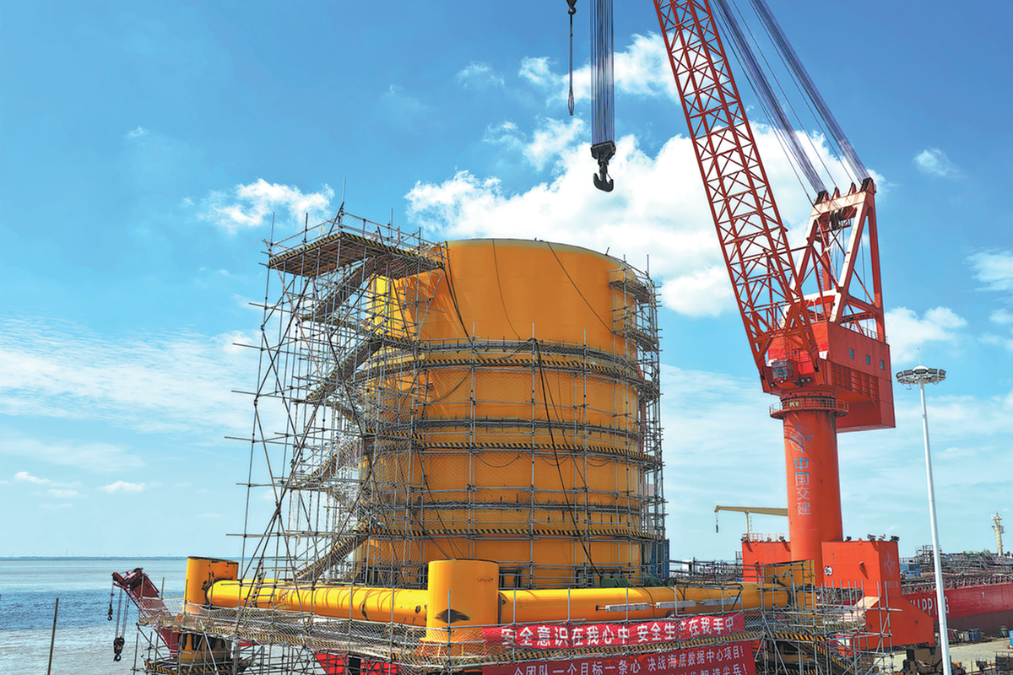
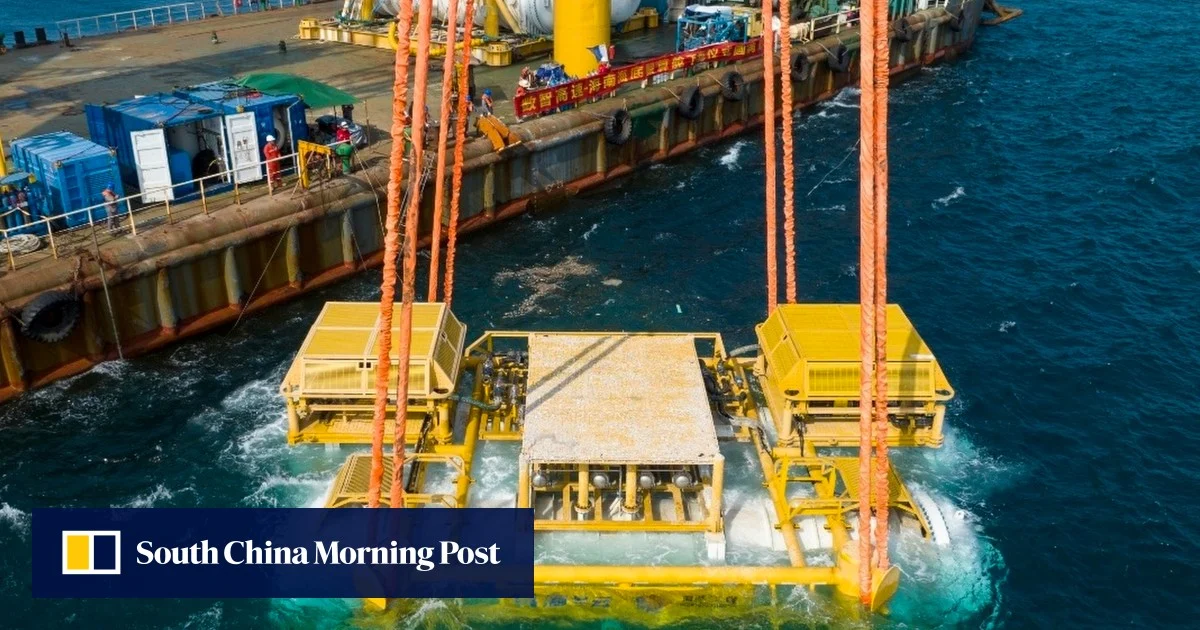
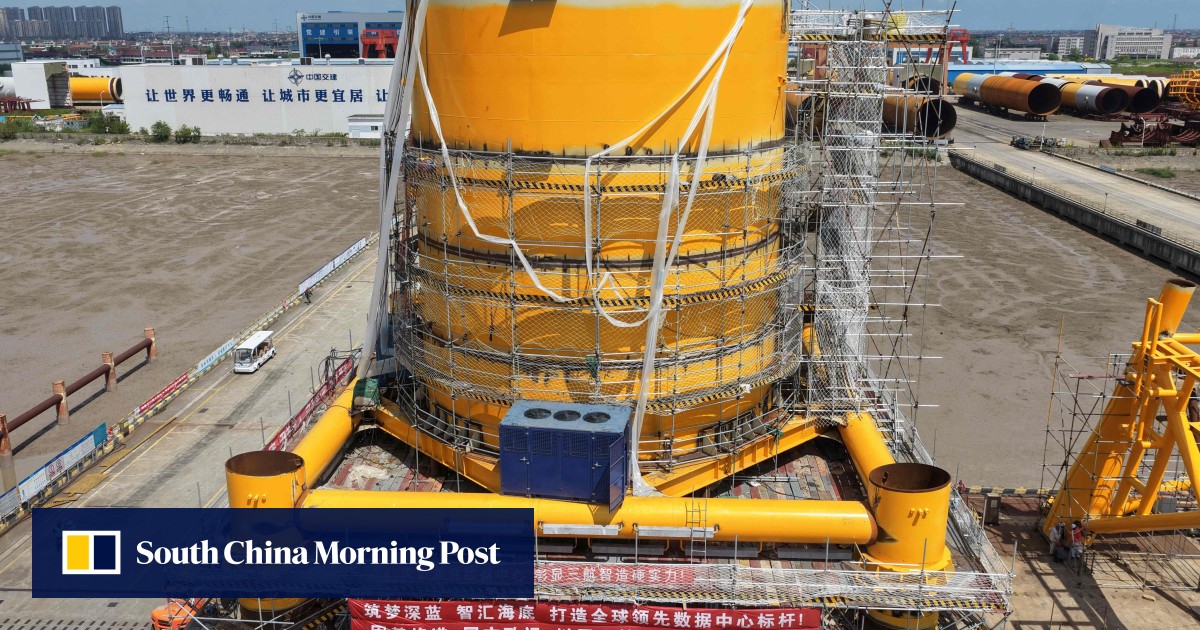
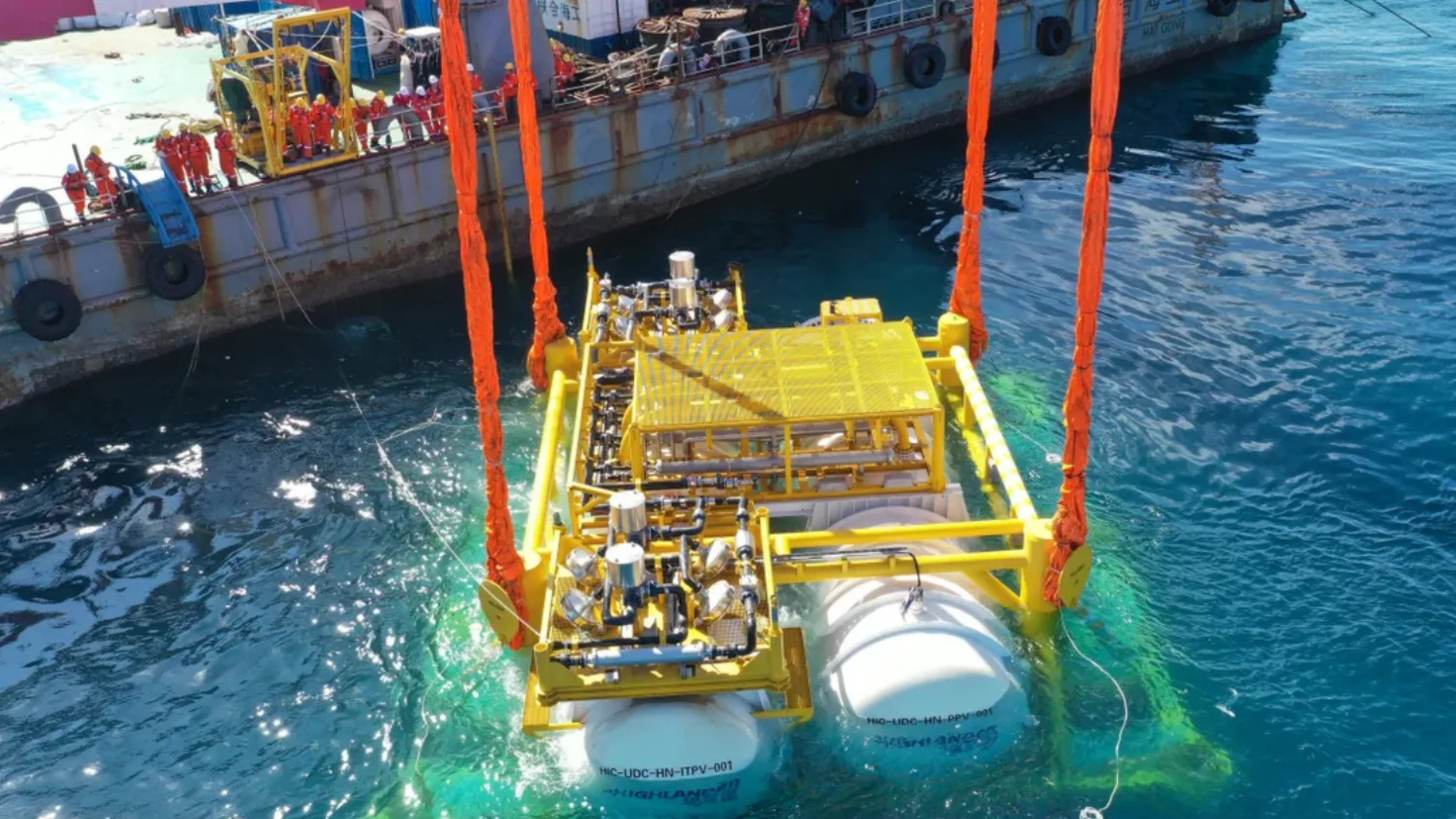
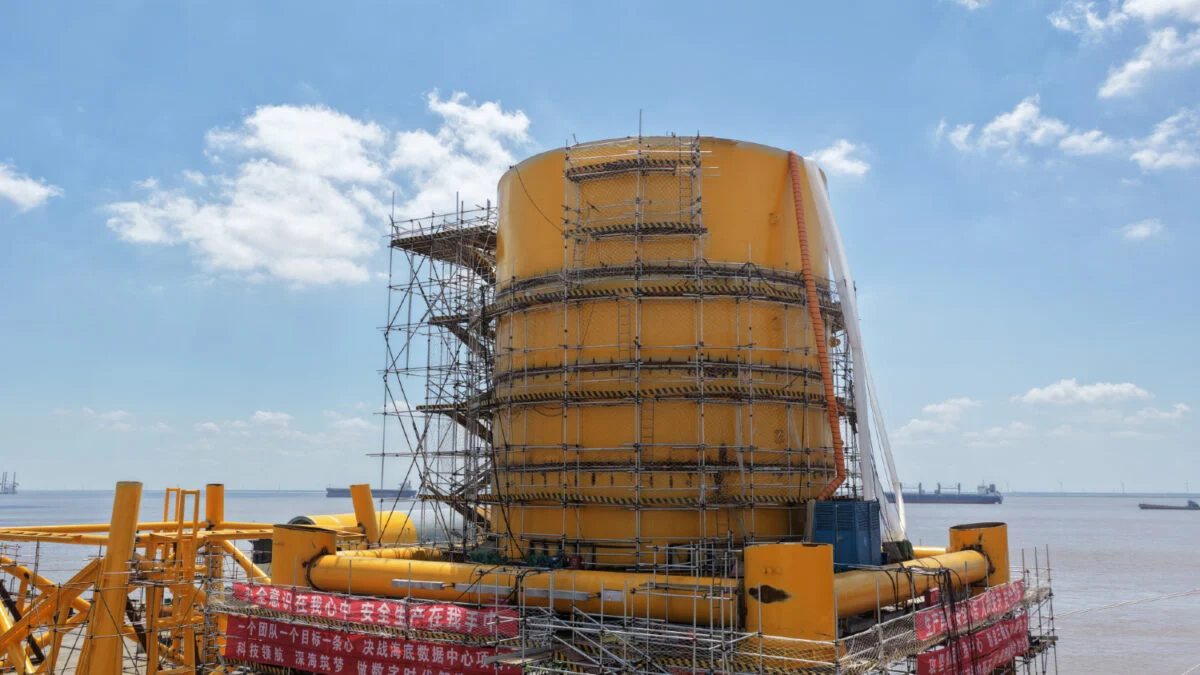
China now has commercial underwater data centers, and that is worth taking seriously. It is also worth not losing our minds over it, which is apparently harder than it should be whenever servers, seawater, and artificial intelligence appear in the same sentence.
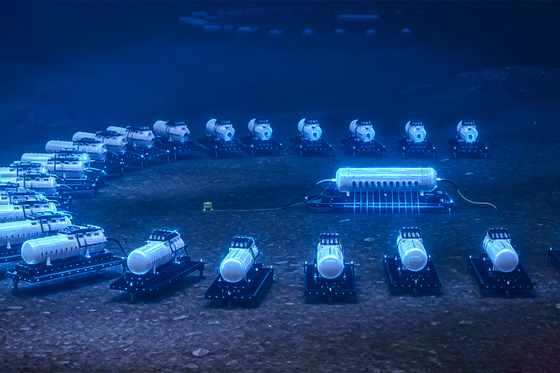
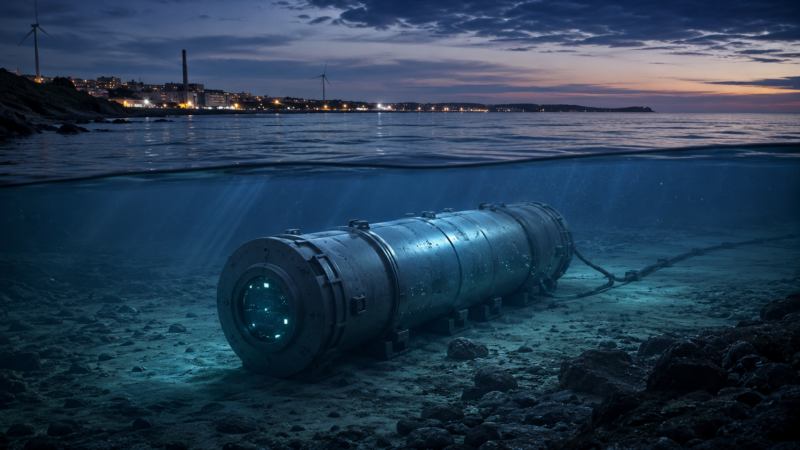
The basic pitch is attractive. Data centers generate a lot of heat. The ocean is very large and very good at absorbing heat. Put sealed data center modules underwater, let seawater do a big chunk of the cooling work, use less land, and perhaps site computing closer to coastal demand. It sounds obvious in the same way that putting solar panels in deserts sounds obvious, right up until transmission, maintenance, dust, markets, and permitting wander in carrying clipboards.
This is not imaginary technology. Microsoft’s Project Natick put a 12-rack, 864-server data center pod off Scotland’s Orkney Islands in 2018 and retrieved it in 2020. Microsoft reported that the servers in the underwater pod had a failure rate one-eighth that of the land-based control group, likely helped by the sealed, dry, nitrogen-filled environment and stable temperatures. That was a genuinely interesting result, not a marketing hallucination.