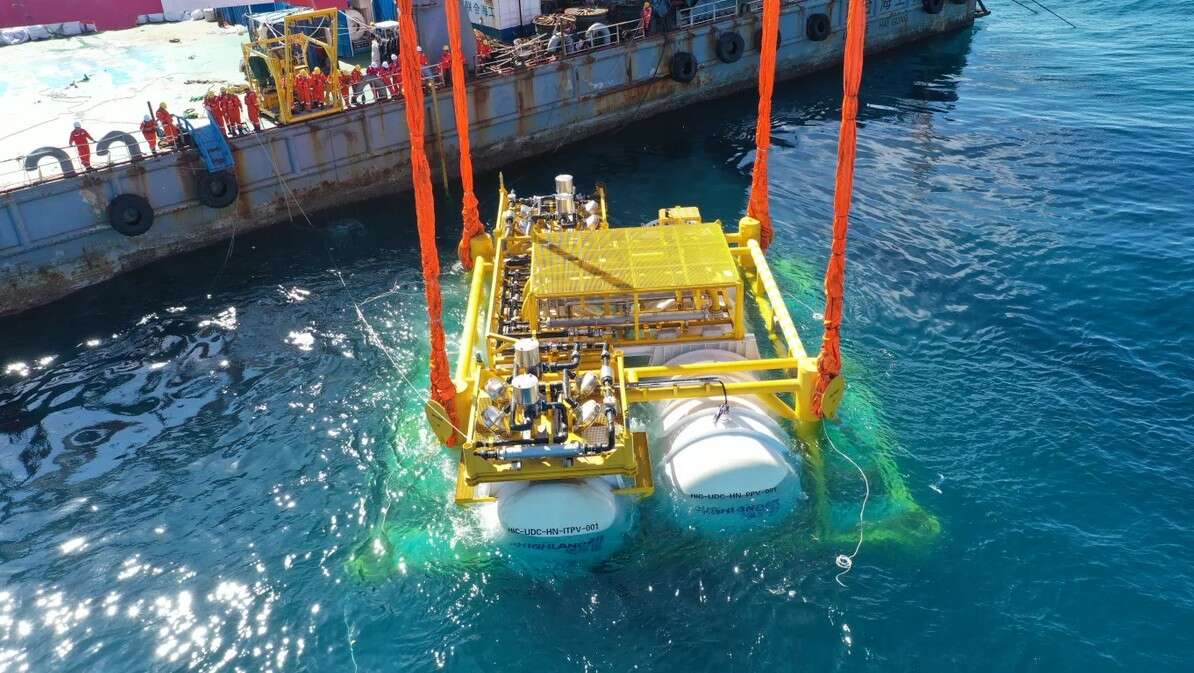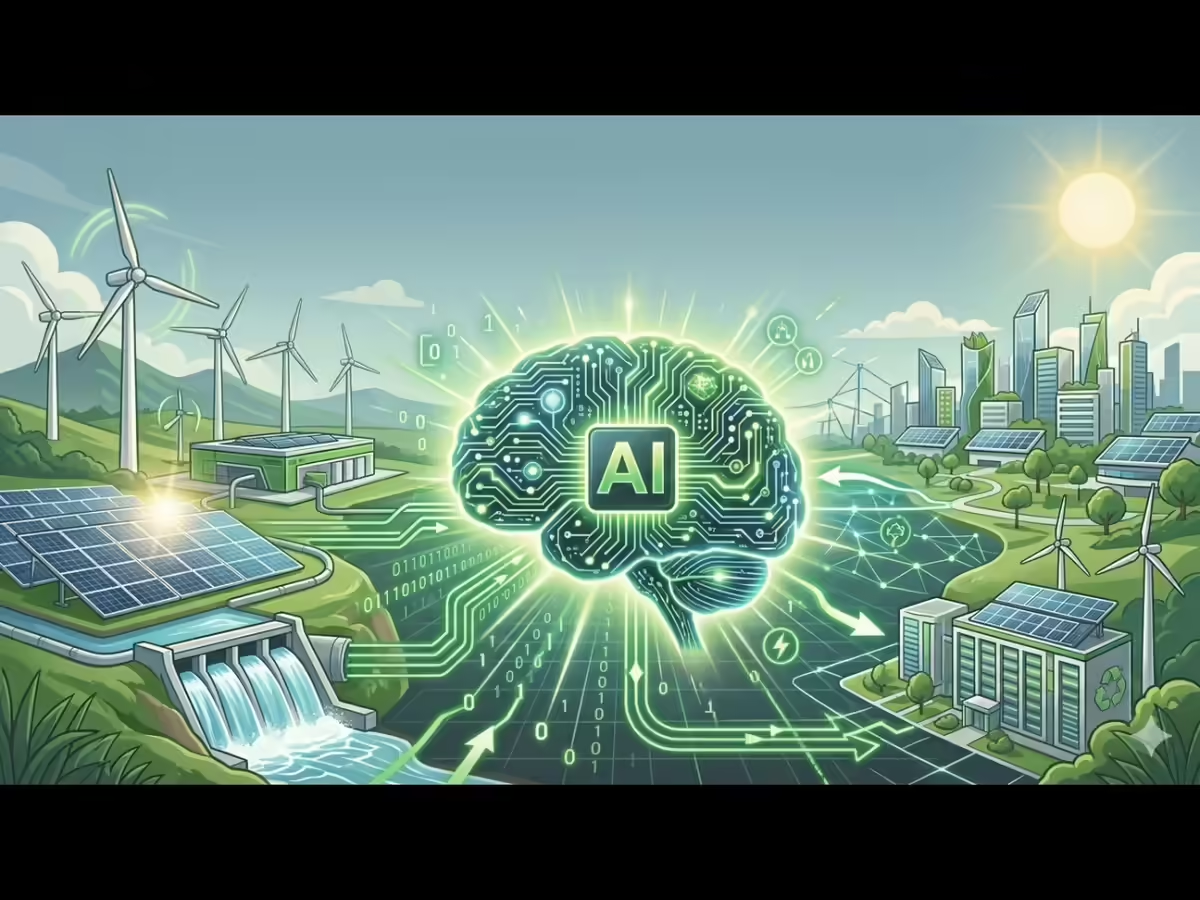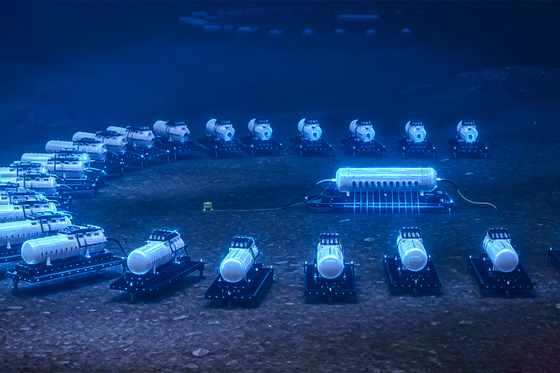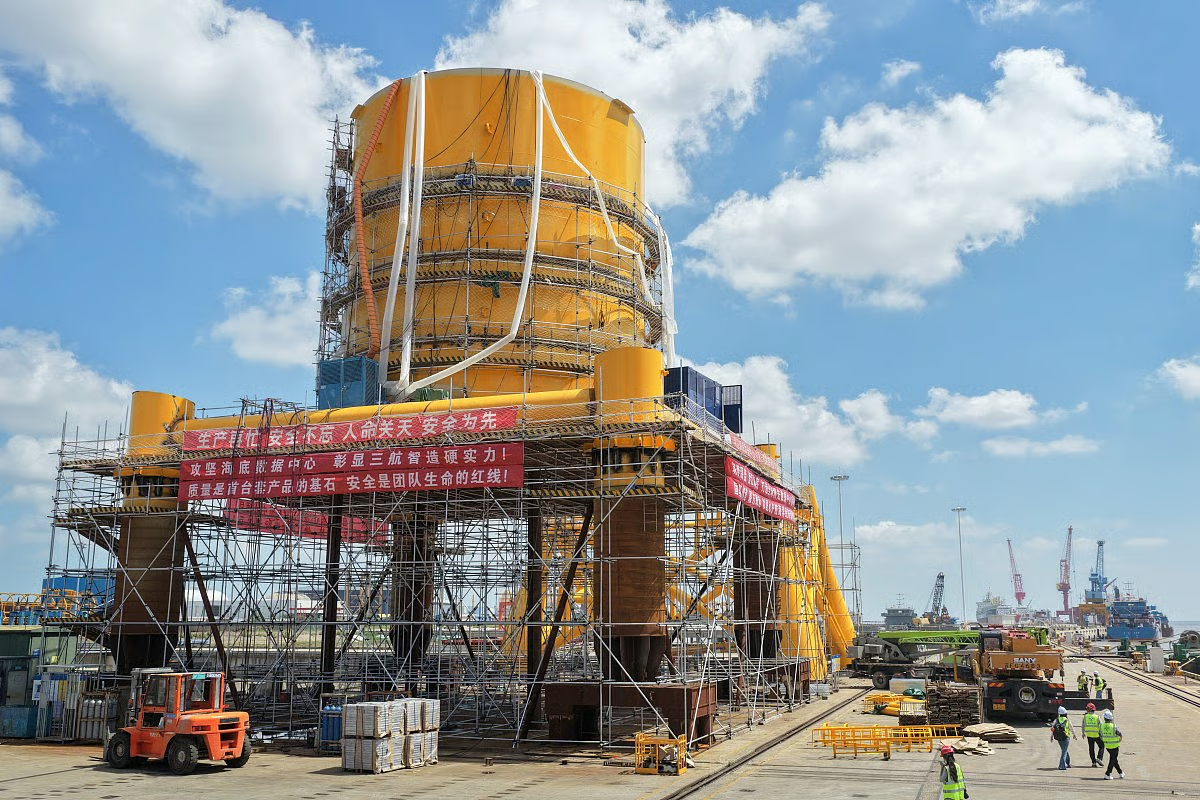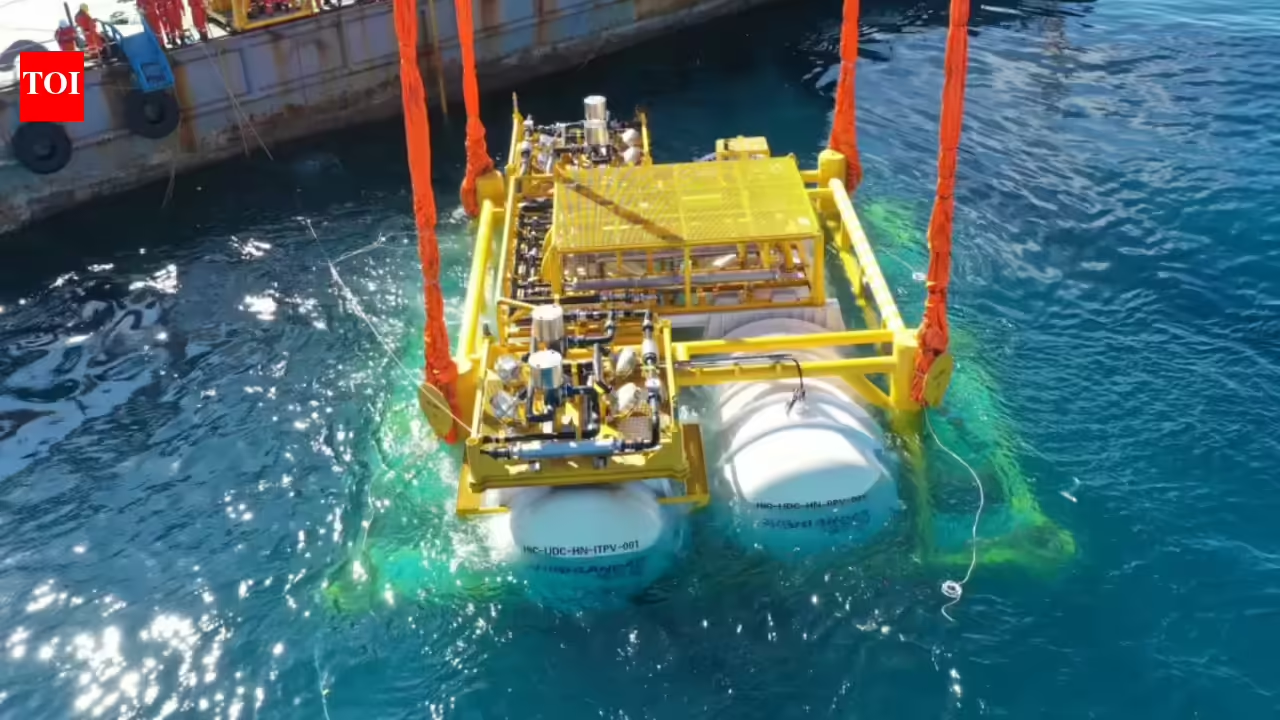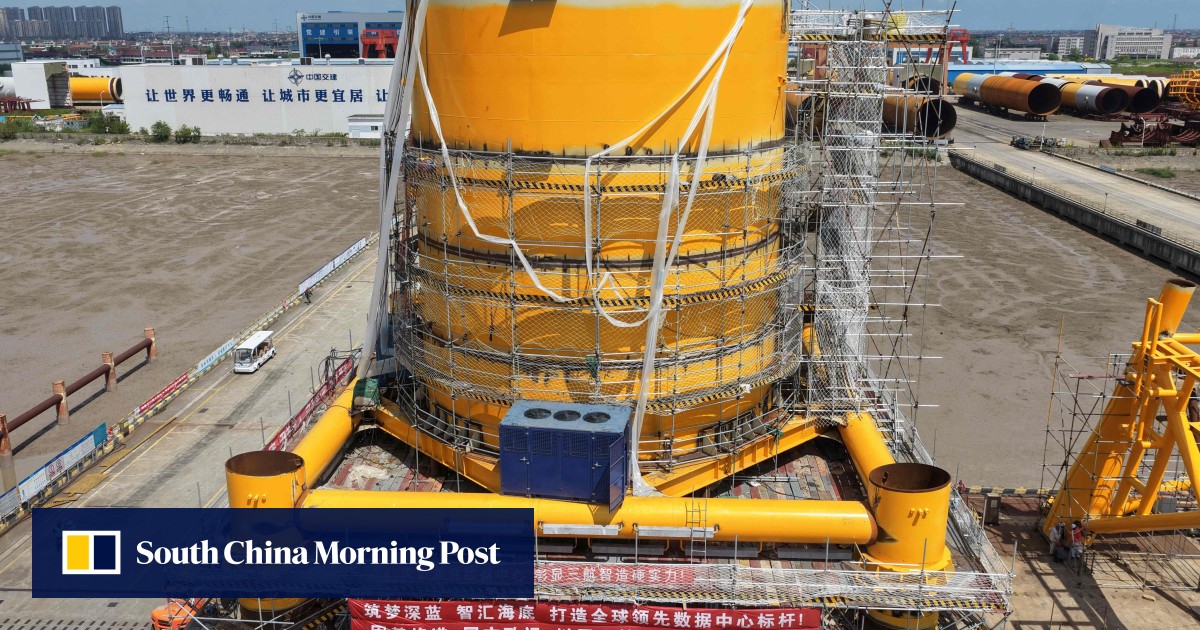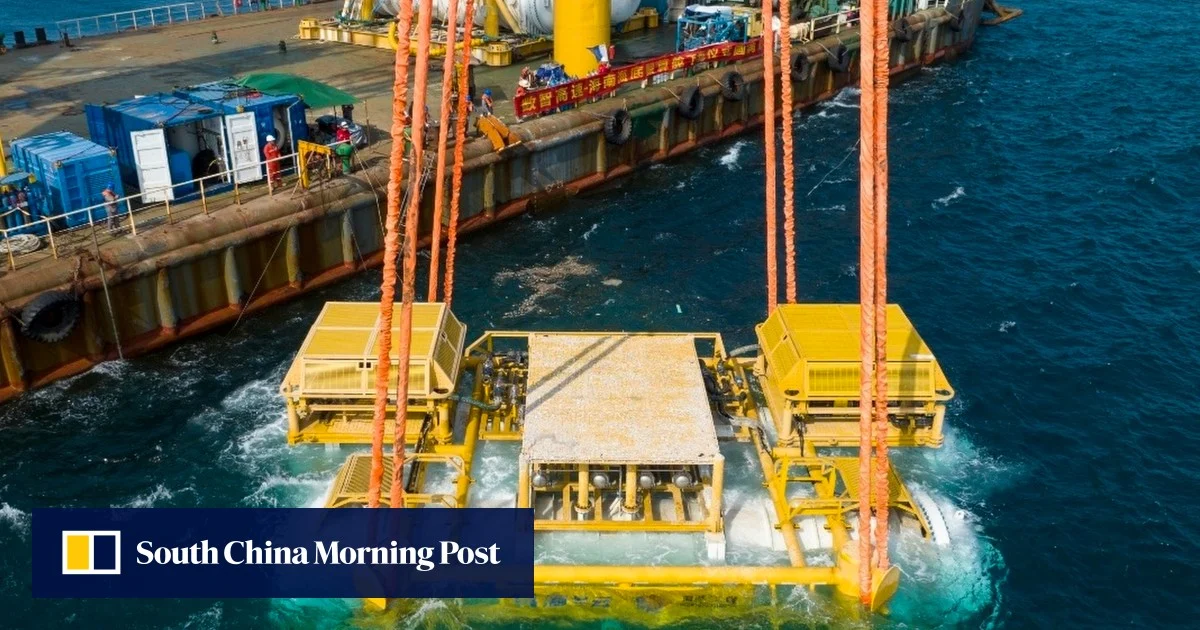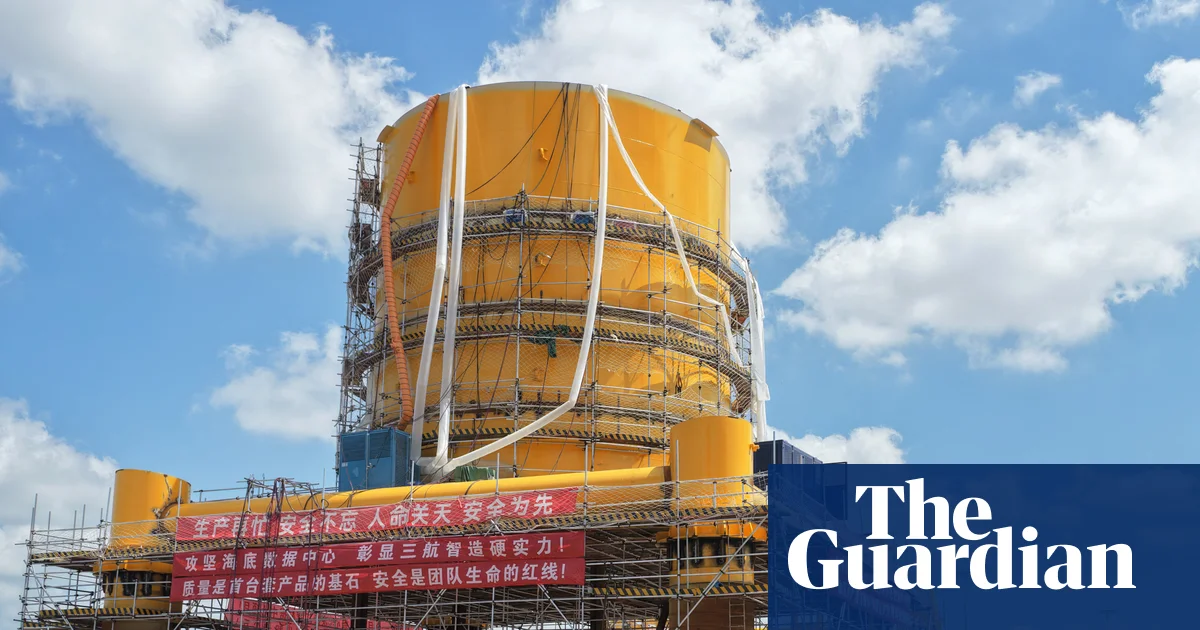
The data centre industry has taken off in the last few years, as tech companies look to develop the massive computing power needed to run complex operations, such as artificial intelligence. Thousands of data centres are being developed on land, but now, some countries are looking to establish innovative models in alternative locations, such as underwater.In May, China launched the world’s first wind-powered underwater data centre off the coast of Shanghai, with an investment of around $238 million. The 24 MW-capacity Shanghai Lingang undersea data centre demonstration was developed by HiCloud Technology and the state-owned China Communications Construction. It is located over 10 miles off Shanghai’s coast and is submerged 10 metres below the water’s surface, mainly powered by an offshore wind farm. The data centre was developed in the Lin-gang Special Zone, within the Shanghai Pilot Free Trade Zone.The data centre’s power demand is over one-fifth lower than that of a land-based equivalent as it is powered by green energy, according to Chinese government data. In addition, it is naturally cooled by submersion, thereby significantly reducing its freshwater burden. In conventional land-based data centres, between 25 and 40 per cent of the facility’s electricity demand is due to the need to pipe cool water around the servers to prevent overheating, a practice that has often prompted opposition from environmentalists and local residents.“Compared to traditional onshore data centres, the project is designed to use more than 95 per cent green electricity, reducing energy consumption by 22.8 per cent, and water and land use by 100 per cent and more than 90 per cent, respectively,” The Chinese government reported.The United Nations University Institute for Water, Environment, and Health predicts that data centres worldwide may use as much as 9.3 trillion litres of water by 2030, enough to meet the potable water needs of around 1.3 billion people. Therefore, it is vital that facility developers seek innovative alternative methods for data centre development and operation.The Chinese government has been highly supportive of data centre development, both in terms of policy support and funding. Out of 32 countries that host AI data centres, around 90 per cent of these facilities are located in China and the United States, according to a UN report. Both China and the United States aim to be market leaders in AI and other complex computing operations.While many U.S.-based data centres are powered by fossil fuels, such as gas, China is increasingly looking to transition to green energy to meet its power needs, reduce dependence on fossil fuels, and boost energy security over the coming decades.HiCloud previously opened the world’s first commercial underwater data centre in the tropical island of Hainan in 2023. However, Shanghai Lingang is the first underwater data centre powered by offshore wind, which could serve as a blueprint for green development. Microsoft also started developing its first underwater data centre near Orkney in Scotland in 2018, with promising initial results. However, little progress has been reported in recent years.Dr Hanjiang Dong of Hong Kong Polytechnic University explained, “Microsoft was earlier in proving the concept, while China moved further on commercial deployment because it was able to bring together market demand, industrial capability, marine engineering and policy support more quickly into a commercial project.”The risks associated with developing underwater data centres are largely unknown, although they could affect marine ecosystems, for example by disturbing sediments or heating seawater. However, the elevated temperatures are likely to be localised and manageable, according to industry experts.Elsewhere in Asia, in Korea, Samsung Heavy Industries is also developing new data centre technology, as it looks to deploy floating facilities on ships. Samsung Heavy Industries is a South Korean shipbuilding company that falls under the well-known Samsung Group. The firm recently signed a deal with the Greece-based shipowner Capital Clean Energy Carriers to develop new data-ready vessels from scratch.Samsung has already created a 50 MW floating data centre model, approved by the American Bureau of Shipping and Lloyd’s Register, that can run on either a self-generating power system or an external power source from the mainland. The firm must now develop real-world prototypes to see if the project is commercially viable.Hitachi and Mitsui O.S.K. Lines also recently signed a memorandum of understanding to develop floating systems to host self-sustaining AI data centres. Their model differs from Samsung’s in that it relies on converting existing vessels into refurbished data centre facilities. Once again, the close proximity to a large body of water is expected to help reduce the burden on freshwater resources.Companies are getting more creative in data centre development, with the aim of reducing their impact on the local environment. As consumers and governments push back on data centre development, companies are being forced to find ways to make data centres greener by shifting to renewable energy and reducing freshwater and land use. By Felicity Bradstock for Oilprice.comMore Top Reads From Oilprice.comGermany Considers Extending Oil Reserve Relief Despite Falling PricesECB: Iran Peace Deal Won't Erase Europe's Energy Price ShockFalling Murban and Dubai Prices Open Arbitrage to U.S. and Europe
China Is Taking Its AI Boom Under the Sea | OilPrice.com
China is pioneering underwater and offshore data center technologies as governments and companies seek greener ways to support the rapidly growing computing demands of artificial intelligence.
TL;DRAI
China deployed a $238M submarine data centre with offshore wind, reducing energy 22.8% and eliminating freshwater use. Data centres will consume 9.3 trillion litres by 2030; China's submarine model signals strategic AI advantage over fossil-fuel U.S. rivals.
837 words~4 min read