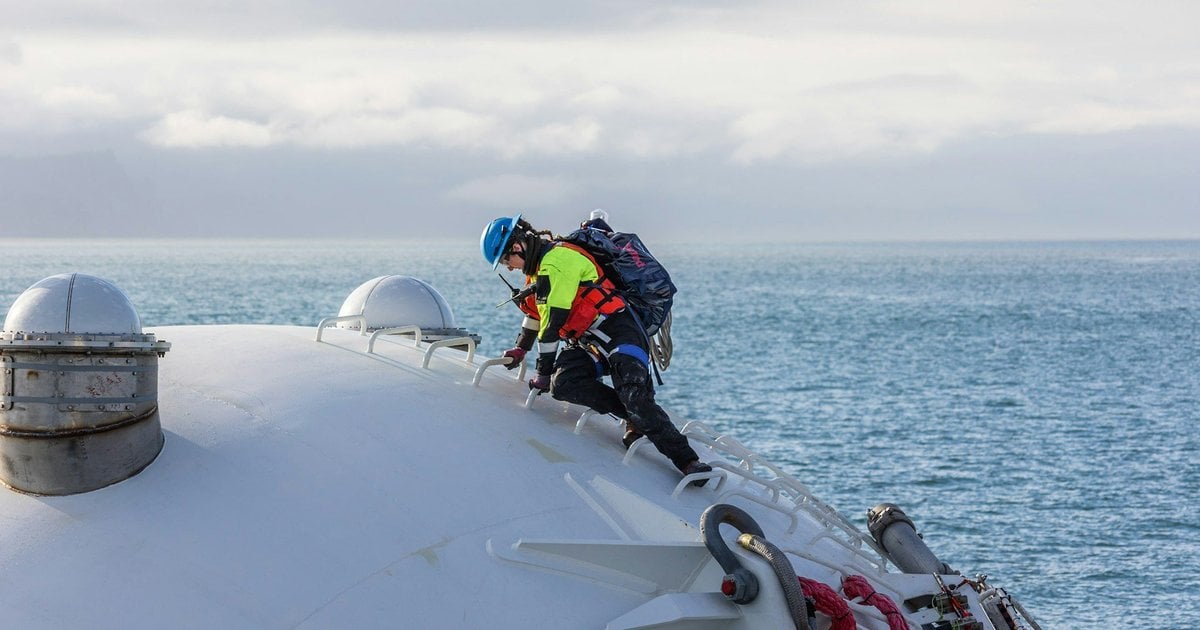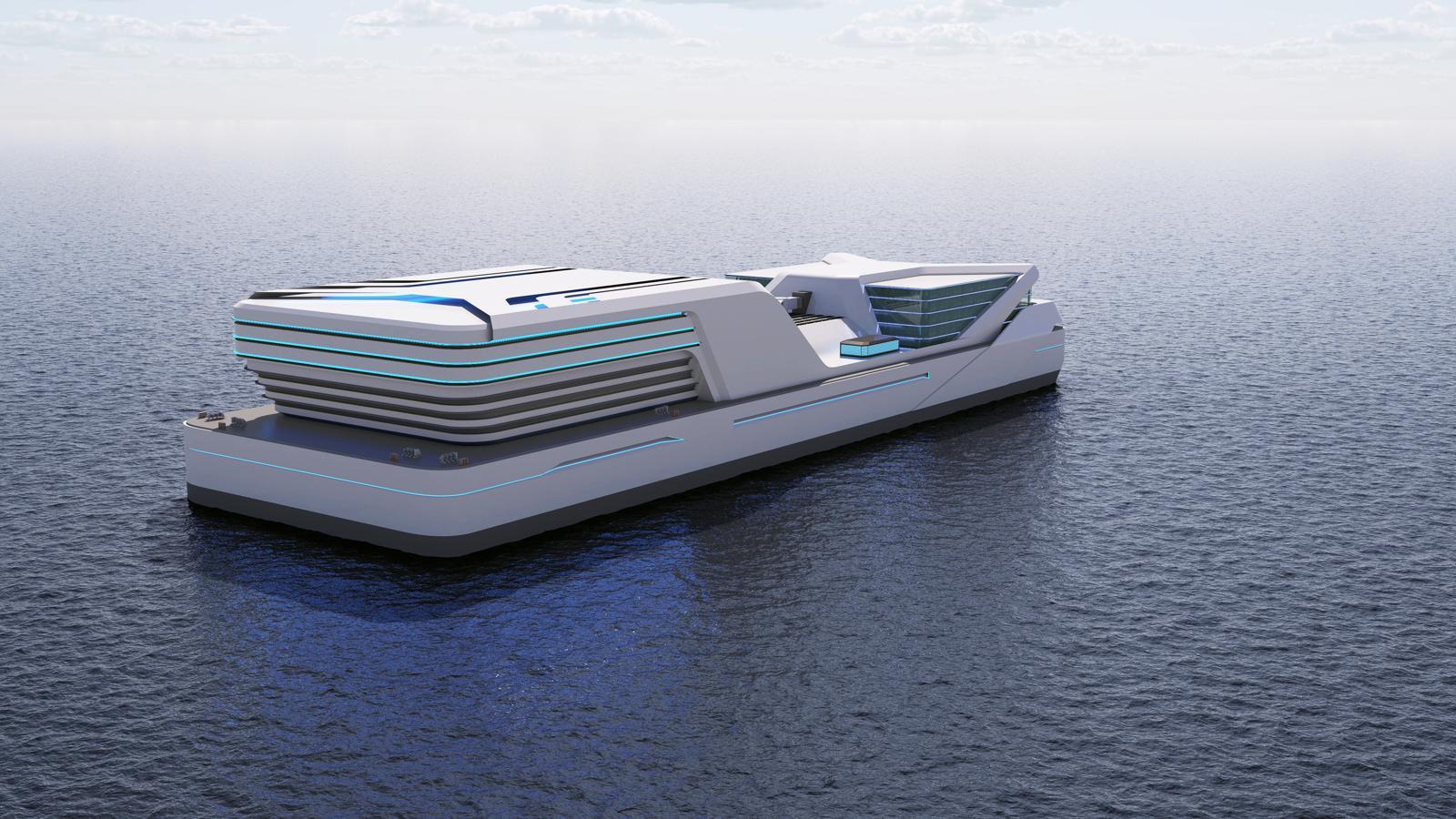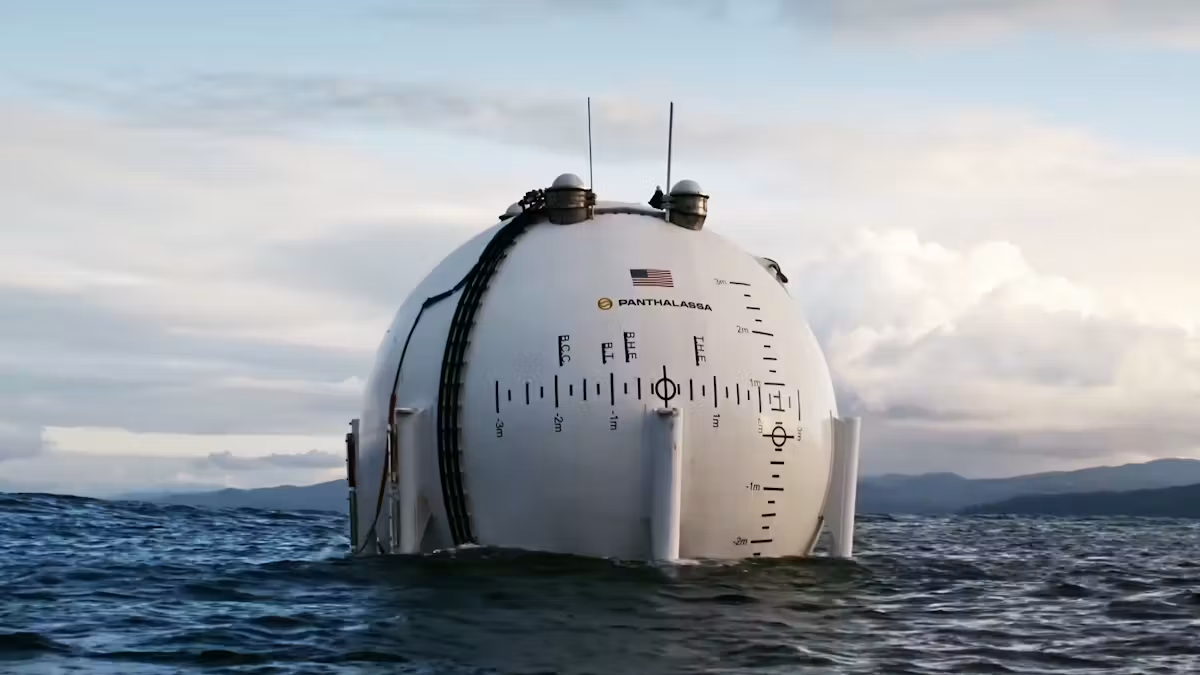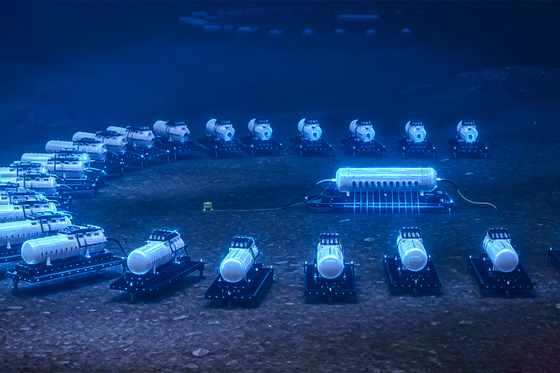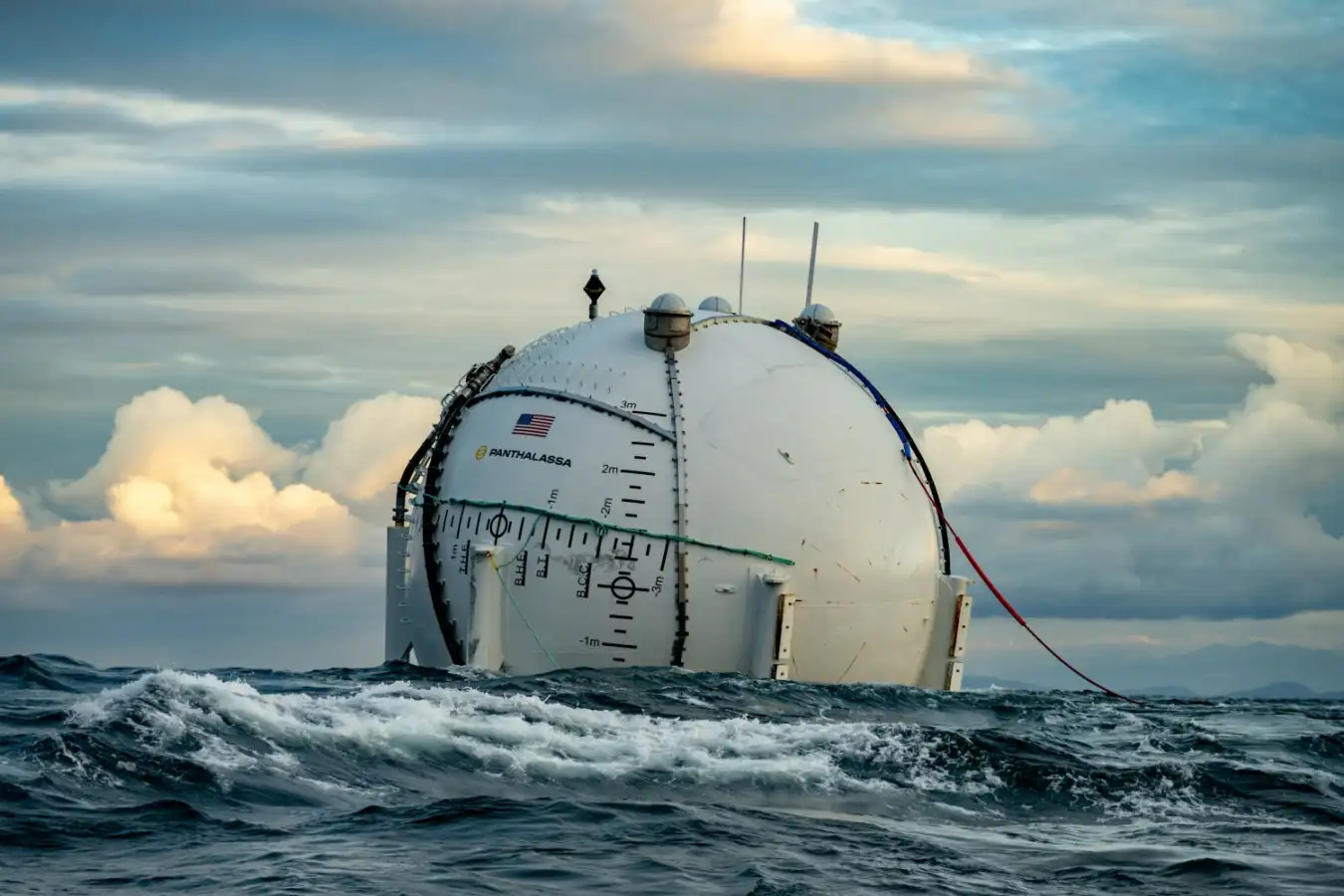
A prototype of Panthalassa’s floating data centrePanthalassa
The data centres powering the AI boom already use more electricity than some small countries, and the International Energy Agency projects that their demand could reach 945 terawatt-hours a year – more than Japan’s entire electricity consumption – by 2030. AI is so power-hungry that companies are exploring the idea of putting data centres in space, where they could draw on constant solar energy. But one start-up thinks the solution is here on Earth – just not on land. Panthalassa is building autonomous floating data centres that will put computing power out in the middle of the ocean.
The Oregon-based company, which announced $140 million in funding last week, says its platforms could bypass overwhelmed electrical grids and deliver carbon-free computing in international waters. But beyond the technical and engineering challenges involved, it is unclear whether moving computing power offshore would actually ease data centres’ biggest bottlenecks – doing so may just replace familiar problems with far more expensive ones.
“Wave power is an old technology and it can work, but the ocean is a harsh environment,” says Jonathan Koomey, a former researcher at Lawrence Berkeley National Laboratory in California and an expert in data centre energy consumption. “The salt and the waves are effective at causing trouble for machinery.”