The Federal Reserve said nothing new on June 17. It held rates steady, updated its projections, and let officials speak their minds. Markets spent the next week deciding they did not like what they heard.
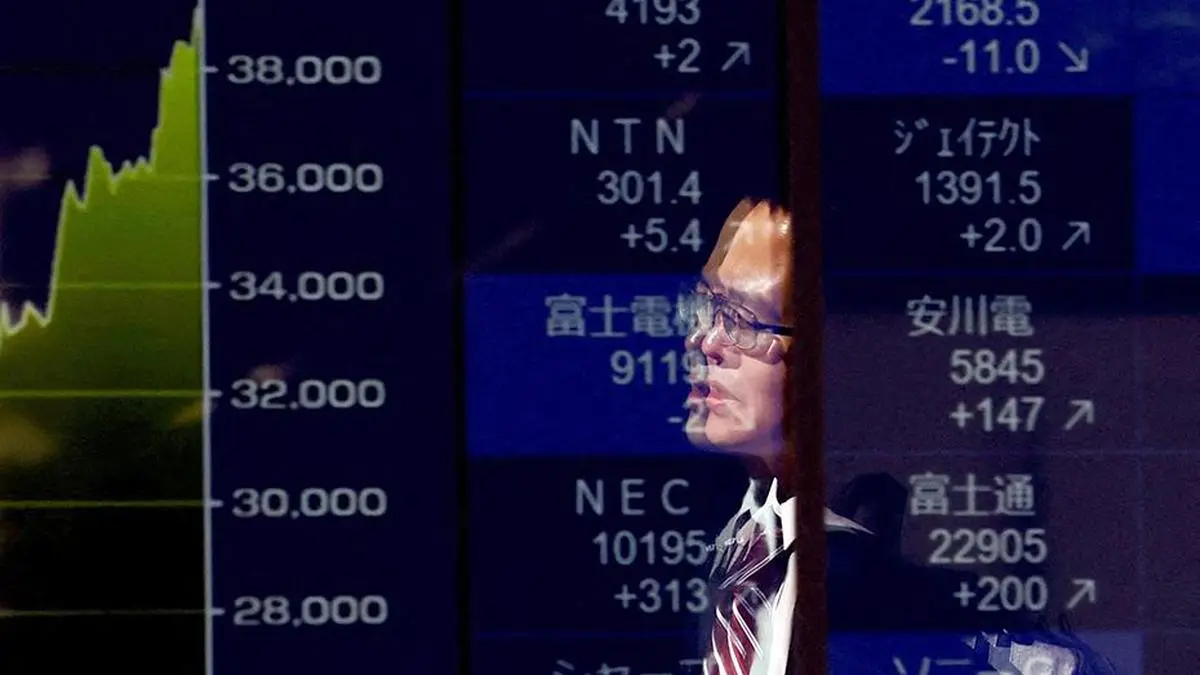
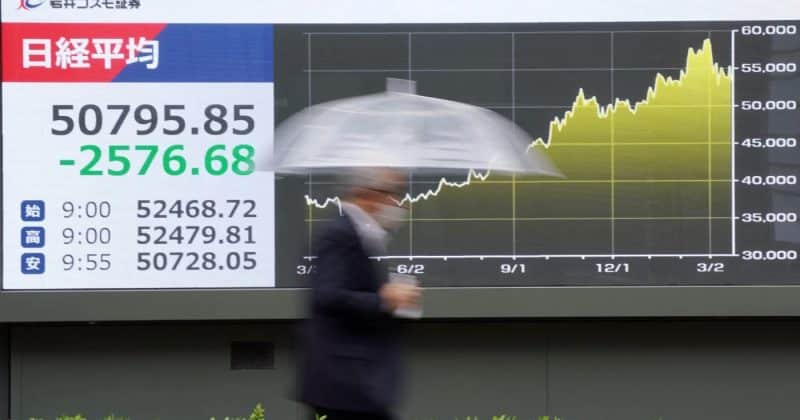
By June 23, Asian equities and oil were both sliding as traders repriced the probability of further rate hikes before year-end. The MSCI Asia-Pacific ex-Japan index fell as much as 2.9%. Brent crude dropped 1.22% to $76.95 per barrel. South Korea’s Kospi index plunged as much as 8.1% during intraday trading.
The selloff was not spontaneous. It was the delayed reaction to a Fed that left its benchmark rate at 3.5% to 3.75% but updated its dot plot to show a median end-2026 funds rate of 3.8%, with nine of 18 officials signaling expectations for at least one more hike this year. Futures markets moved accordingly, pricing in an 80% probability of a 25 basis point increase arriving by October or December.
Higher for longer, again
The Fed, now under Chair Kevin Warsh, has kept inflation concerns at the center of its policy framework. Several officials publicly signaled openness to resuming hikes if price pressures do not cool sufficiently.