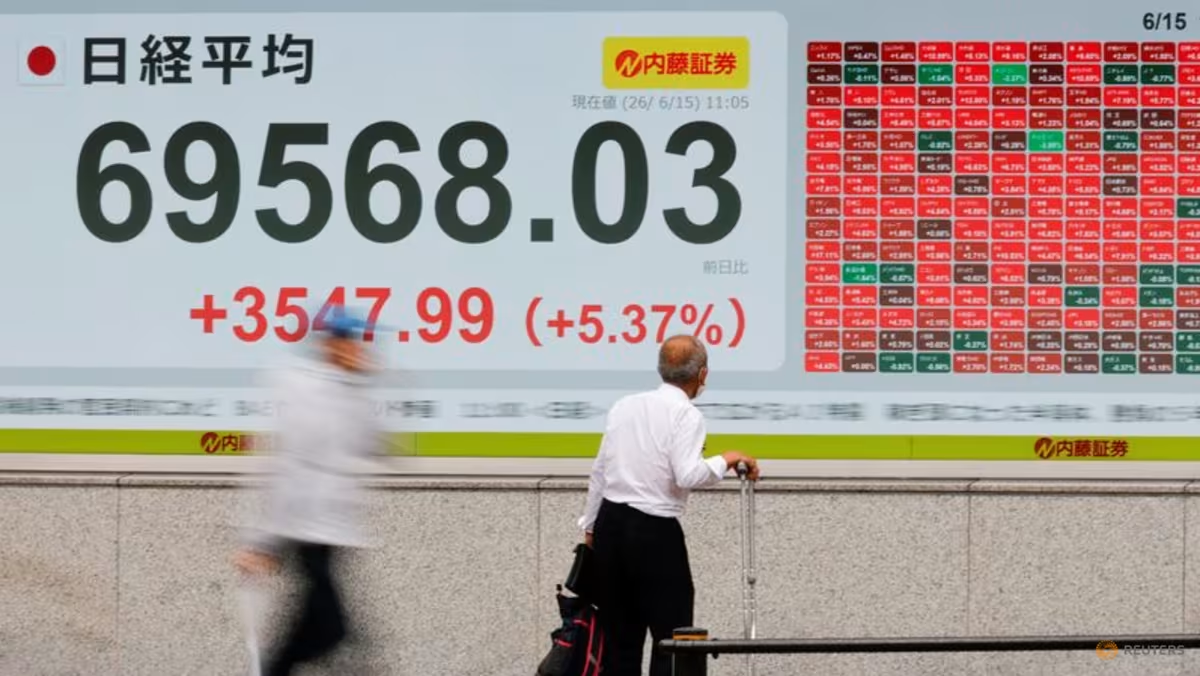
The relief rally that swept through global markets after a US-Iran deal reopened the Strait of Hormuz lasted about as long as most New Year’s resolutions. Asian equity markets hit a wall of uncertainty on June 16 as two major central bank decisions loomed, cooling a run that had pushed the S&P 500 up 1.7% and the Nasdaq 100 up 3.1% in the prior session.
US futures slipped into the red. Brent crude fell below $83 per barrel. And traders across Asia braced for what turned out to be a meaningful policy divergence: the Bank of Japan raised rates while the Reserve Bank of Australia stayed put.
BOJ goes hawkish, RBA hits pause
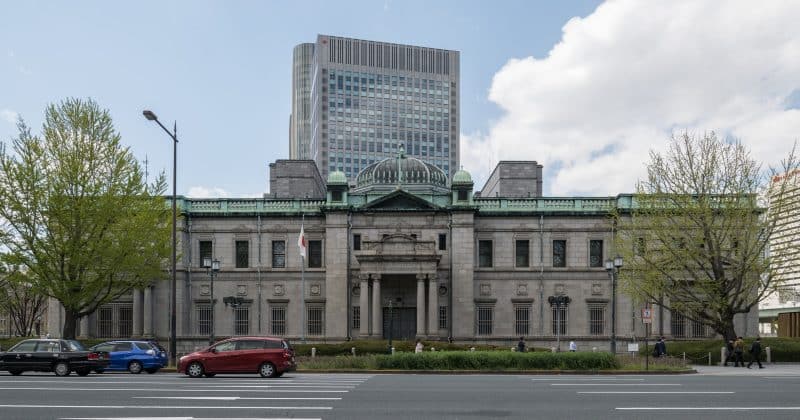
The BOJ raised its key short-term interest rate by 25 basis points to 1.0%, the highest level since September 1995. The vote came in at 7-1 in favor of the hike. Rising energy costs and a weakening yen forced the board’s hand, with inflation pressures making the case for tightening increasingly difficult to ignore.
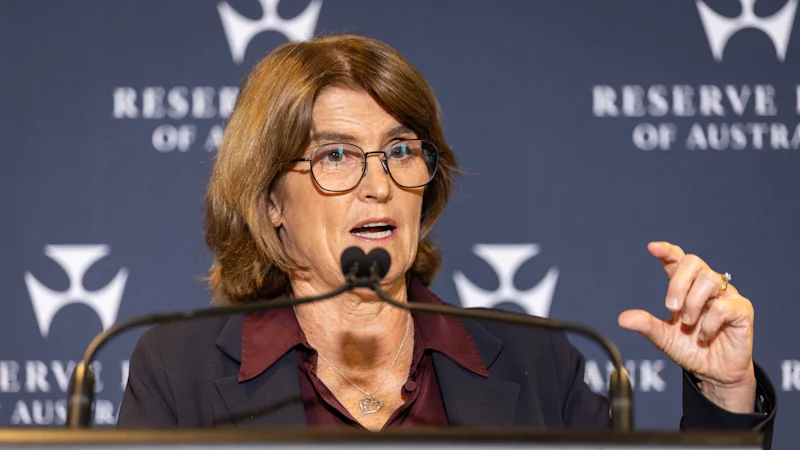
On the other side of the Pacific, the RBA chose a different path entirely. Australia’s central bank held its cash rate at 4.35%, marking its first pause after three consecutive hikes earlier in 2026.