This content was published on
June 16, 2026 - 01:30
3 minutes
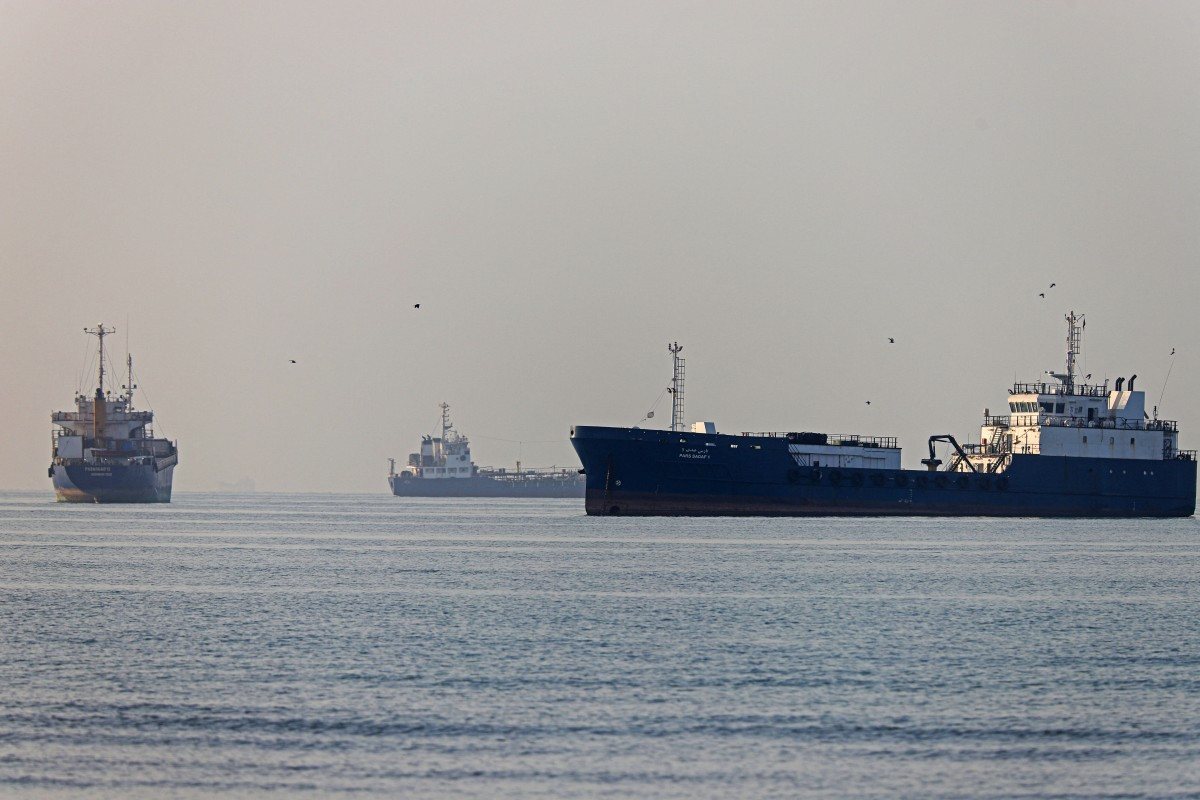
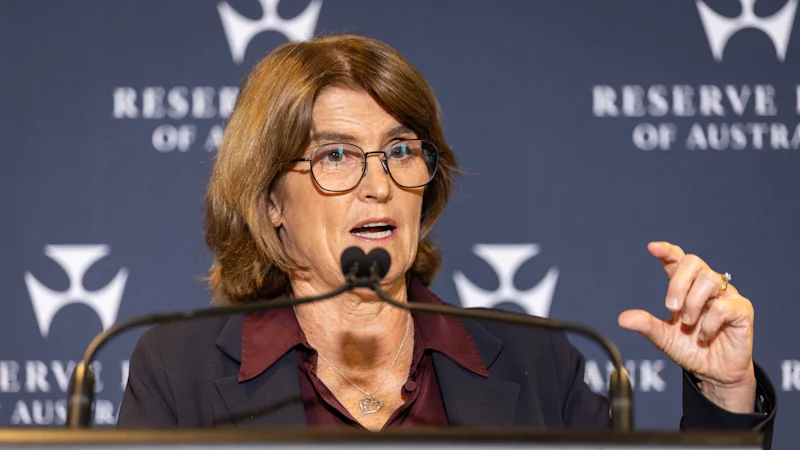
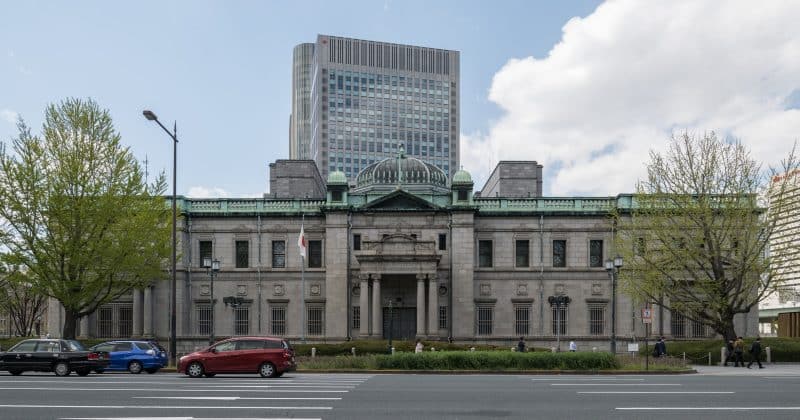
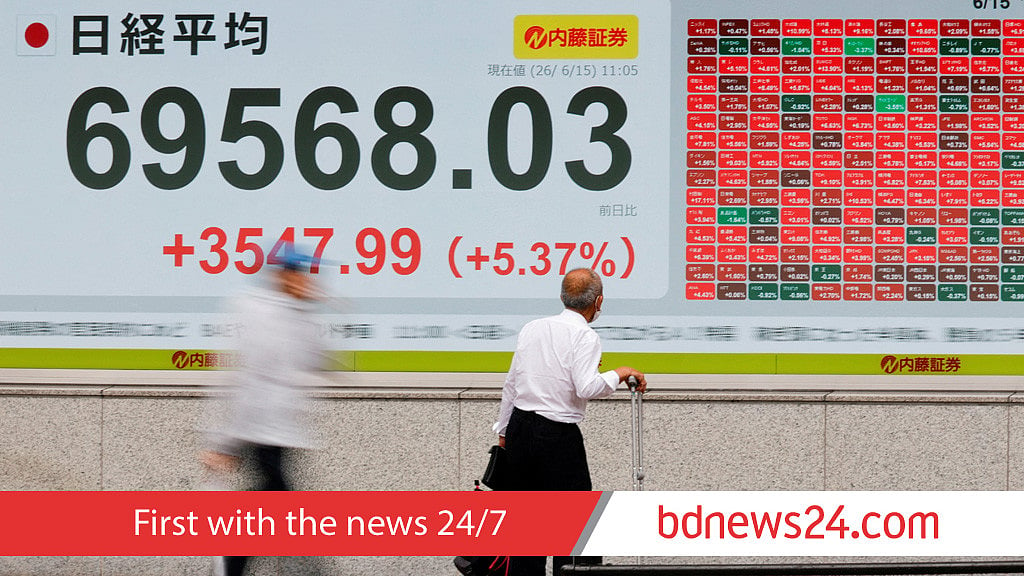
(Bloomberg) — Traders in Asia turned their focus to policy calls from the Reserve Bank of Australia and the Bank of Japan after a US-Iran deal to reopen the Strait of Hormuz fueled a relief rally across global financial markets on Monday.The Australian dollar edged lower against the greenback, with the Reserve Bank expected to keep its key interest rate unchanged for the first time this year. The yen was steady as policy makers were widely seen raising the benchmark rate to the highest level since 1995. US equity futures inched lower after the S&P 500 added 1.7% and the tech-heavy Nasdaq 100 rallied 3.1%. US crude edged higher.Investors also continued to monitor developments in the Middle East, watching for signs that shipping traffic through the Strait of Hormuz is returning to normal and assessing whether the US-Iran accord will hold.US President Donald Trump and Vice President JD Vance signed an electronic copy of a memorandum of understanding with Iran, a senior US official said in a call with reporters. Hormuz “is already partially opened,” and “it’ll be completely opened” Friday, Trump said during a meeting with French President Emmanuel Macron.“Volatility may persist in the near term as markets assess the implementation and durability of the deal, but we maintain our view that resilient growth and robust earnings should continue to drive stocks higher,” said Ulrike Hoffmann-Burchardi at UBS Chief Investment Office.The announcements from the RBA and the BOJ come amid a packed week for global central banks, with the Federal Reserve also set to announce a policy decision on Wednesday. Economists are expecting the central bank to keep its benchmark rate in a range of 3.5% to 3.75% as it meets under new Chairman Kevin Warsh for the first time. Swaps traders are pricing in less than an 80% chance of a quarter-point Fed hike by December.The Bank of England and Swiss National Bank are widely anticipated to stand pat this week. The European Central Bank last week raised rates for the first time in almost three years, with President Christine Lagarde warning inflation triggered by the Iran war is widening beyond just energy.“We believe easing geopolitical tensions could help alleviate inflation pressures and help reduce bond yields, potentially driving a rotation into cyclical sectors and previously lagging areas of the market,” said Angelo Kourkafas at Edward Jones.Some of the main moves in markets:StocksS&P 500 futures fell 0.1% as of 8:24 a.m. Tokyo time Hang Seng futures fell 0.1% S&P/ASX 200 futures fell 1.1% CurrenciesThe Bloomberg Dollar Spot Index was little changed The euro was little changed at $1.1591 The Japanese yen was little changed at 160.29 per dollar The offshore yuan was little changed at 6.7581 per dollar The Australian dollar was little changed at $0.7071 CryptocurrenciesBitcoin fell 0.6% to $66,127.6 Ether fell 1.7% to $1,785.36 BondsAustralia’s 10-year yield advanced four basis points to 4.85% CommoditiesWest Texas Intermediate crude rose 0.9% to $81.46 a barrel Spot gold was little changed This story was produced with the assistance of Bloomberg Automation.©2026 Bloomberg L.P.